


# How to Optimize Nurse Visit Routes: Complete Guide 2026
> TL;DR: Optimizing nurse visit routes involves implementing AI-powered scheduling systems that reduce daily planning time from 2-3 hours to 30 minutes while cutting travel time by 30-40%. According to the Bureau of Labor Statistics, home health nurses travel an average of 45 miles daily, and poor routing can increase this significantly. Route optimization tools like Zeo Route Planner address this with skill-based driver assignment and time window constraints, helping healthcare teams save 2+ hours daily.
Home healthcare agencies face mounting pressure to deliver quality patient care while controlling operational costs. The challenge often starts with learning how to optimize nurse visit routes effectively. Manual scheduling of nurse visits creates a ripple effect of inefficiencies that impact your entire organization.
According to the Bureau of Labor Statistics, home health aides and nurses travel an average of 45 miles daily between patient visits. Poor route optimization can increase this by 30-40%, directly impacting your bottom line through higher fuel costs, overtime pay, and nurse burnout.
This guide walks you through transforming chaotic scheduling into streamlined operations that prioritize patient care while reducing administrative overhead.
The Hidden Costs of Manual Nurse Route Planning
Manual scheduling appears straightforward on the surface. Your schedulers look at patient addresses, assign nurses, and create daily routes. But this approach creates hidden costs that compound over time.
Time Waste at Scale
Most nursing supervisors spend 2-3 hours daily creating routes for their teams. With 5-25 nurses requiring daily schedules, this represents 10-15 hours of administrative work weekly just for route planning. This time could be redirected toward patient care oversight and quality improvement initiatives.
Overtime Cost Spiral
Inefficient routes force nurses to work longer hours to complete their patient visits. A nurse with 8 scheduled visits might spend an extra hour daily driving due to poor route sequencing. Over a month, this represents 20+ hours of overtime pay per nurse.
Patient Care Quality Impact
Rushed visits become inevitable when nurses fall behind schedule due to excessive travel time. Patients at the end of poorly planned routes often receive shortened visits, creating compliance risks and potentially impacting health outcomes.
Emergency Response Delays
Manual systems struggle to accommodate urgent visits. Adding an emergency patient to an existing route often requires rebuilding the entire day’s schedule, causing delays for both urgent and routine patients.
Compliance Documentation Gaps
Paper-based or disconnected digital systems make it difficult to track visit completion, document patient interactions, and maintain audit trails required by Medicare and state health departments.
How to Optimize Nurse Visit Routes: Complete Implementation Guide
Moving from manual scheduling to optimized route planning requires a systematic approach. Follow this step-by-step implementation guide to transform your operations.
Phase 1: Data Collection and Analysis (Week 1)
Start by gathering your current routing data. Export patient addresses, visit durations, nurse schedules, and any special requirements from your existing systems. Document current pain points by surveying your nursing staff about daily challenges.
Track baseline metrics including average daily miles per nurse, overtime hours, and patient visit completion rates. These numbers become your improvement benchmarks.
Phase 2: Route Optimization Setup (Week 2)
Choose a route optimization software platform that handles healthcare-specific requirements. Your system should accommodate varying visit durations, nurse skill levels, and patient time windows.
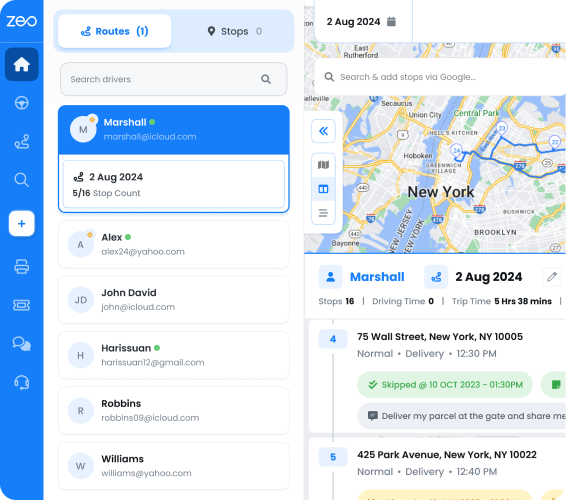
Zeo Route Planner addresses these healthcare needs through features like skill-based assignment (matching nurses to specific patient types), time window constraints (ensuring patients receive visits at prescribed times), and capacity-based routing (accounting for visit duration limits per nurse).
Import your patient database and nurse profiles. Configure vehicle profiles for each nurse, including their maximum daily visit capacity and any equipment constraints.
Phase 3: Pilot Program (Weeks 3-4)
Start with a subset of your team—perhaps 3-5 nurses covering a specific geographic area. This allows you to refine processes without disrupting your entire operation.
Train pilot nurses on receiving routes through mobile apps. Modern route optimization platforms provide turn-by-turn navigation and real-time updates directly to nurse smartphones.
Monitor pilot results daily. Track metrics like total miles driven, visit completion rates, and nurse feedback about route efficiency.
Phase 4: Full Deployment (Weeks 5-6)
Roll out optimized routing to your entire nursing team based on pilot program learnings. Establish standard operating procedures for daily route creation and emergency visit integration.
Train administrative staff on the new workflow. Route optimization should reduce daily planning time from hours to minutes, but staff need to understand how to leverage the system’s capabilities fully.
Phase 5: Advanced Features Integration (Weeks 7-8)
Implement advanced features like real-time vehicle tracking and automated patient notifications. These capabilities improve transparency and reduce phone calls to your office about visit timing.
Set up reporting dashboards to monitor ongoing performance. Track key metrics including fuel costs, overtime hours, and patient satisfaction scores related to visit timing.
ROI Calculator: Quantifying Time and Cost Savings for Nursing Organizations
Understanding the financial impact of route optimization helps justify implementation costs and measure success. Here’s how to calculate your potential return on investment.
Administrative Time Savings
Current daily planning time: 3 hours × $25/hour (supervisor wage) × 260 working days = $19,500 annually
Optimized planning time: 30 minutes × $25/hour × 260 working days = $3,250 annually
Annual administrative savings: $16,250
Fuel Cost Reduction
Calculate current daily miles per nurse: Average 45 miles × poor route efficiency (1.3 multiplier) = 58.5 miles daily
Optimized routes reduce this to approximately 45 miles daily through better sequencing.
For a 10-nurse team:
- Daily mile reduction: (58.5 – 45) × 10 = 135 miles
- Annual mile reduction: 135 × 260 days = 35,100 miles
- Fuel savings: 35,100 miles ÷ 25 mpg × $3.50/gallon = $4,914
Overtime Reduction
Poor routing adds approximately 45 minutes daily per nurse to complete visits.
Current overtime cost: 0.75 hours × 10 nurses × $35/hour × 260 days = $68,250 annually
Optimized routing reduces this overtime by approximately 60%, saving $40,950 annually.
Total Annual ROI
- Administrative savings: $16,250
- Fuel savings: $4,914
- Overtime reduction: $40,950
- Total annual savings: $62,114
This calculation doesn’t include softer benefits like improved nurse retention, better patient satisfaction, and reduced compliance risks.
Compliance Made Easy: Meeting Healthcare Regulations with Route Optimization
Healthcare route optimization goes beyond efficiency—it supports regulatory compliance across multiple areas that impact your agency’s operations.
Documentation Requirements
Medicare and Medicaid require detailed documentation of patient visits, including arrival and departure times. Modern route optimization platforms provide automatic visit logging with GPS timestamps, creating audit trails that satisfy regulatory requirements.

increase fuel savings
Hassle Free Deliveries & Pickups!
Optimize routes with our algorithm, reducing travel time and costs efficiently.
Get Started for Free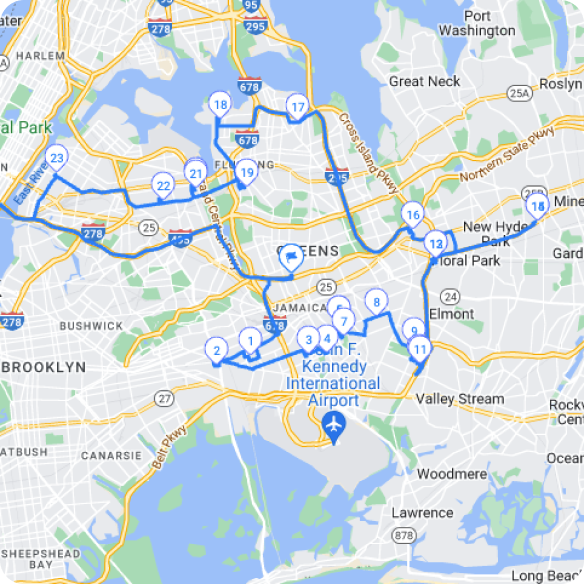
Digital proof of delivery collection streamlines documentation. Nurses can capture visit notes, patient signatures, and photos directly through mobile apps, ensuring complete records for each patient encounter.
Visit Window Compliance
Many patients require visits within specific time windows—morning medication administration, meal preparation, or coordinated care with other providers. Route optimization ensures these constraints are met while maintaining overall efficiency.
Priority assignment features allow urgent visits to be automatically scheduled without disrupting routine care. This capability proves crucial for agencies managing both scheduled maintenance visits and acute care needs.
Nurse Qualification Matching
Different patients require nurses with specific certifications or experience levels. Advanced routing systems include skill-based assignment, automatically matching qualified nurses to appropriate patients while optimizing travel efficiency.
HIPAA Compliance Considerations
Patient information transmitted through route optimization systems must meet HIPAA security requirements. Ensure your chosen platform provides encrypted data transmission and secure storage of patient information.
Access controls should limit information visibility to authorized personnel only. Nurses should see details only for their assigned patients, while supervisors maintain broader visibility for management purposes.
Emergency Response: Handling Urgent Visits Without Disrupting Scheduled Routes
Healthcare emergencies don’t follow schedules. Your route optimization system must accommodate urgent patient needs while minimizing disruption to planned visits.
Dynamic Route Adjustment
When emergency visits arise, modern routing platforms can automatically recalculate optimal stop sequences. Instead of manually rebuilding entire routes, the system identifies the best insertion point for urgent visits.
Through the mobile app interface, nurses receive updated routing instructions instantly. This capability allows real-time adjustments without requiring phone calls or text messages to communicate changes.
Geographic Assignment Logic
Emergency visits should be assigned to the nearest available nurse with appropriate qualifications. Automated assignment considers current nurse locations, remaining scheduled visits, and skill requirements to make optimal urgent visit assignments.
For example, if a diabetic patient requires emergency blood sugar monitoring, the system identifies qualified nurses within the appropriate geographic area and assigns the visit to whoever can respond most quickly while maintaining other patient commitments.
Communication Workflows
Automated patient notifications keep everyone informed when schedules change due to emergencies. Patients with shifted appointment times receive immediate updates via SMS or email, reducing confusion and missed visits.
Zeo’s driver tracking software and automated notification features support this emergency response capability. The platform serves 1.5M+ users across 150+ countries while maintaining the flexibility to handle urgent situations seamlessly.
Capacity Management
Emergency visits sometimes push daily schedules beyond normal capacity limits. Route optimization systems should flag when additional nurses are needed or when non-urgent visits need rescheduling to accommodate emergencies appropriately.
Integration Checklist: Connecting Route Planning with EHR and Scheduling Systems
Seamless integration between your route optimization platform and existing healthcare fleet management systems eliminates duplicate data entry while ensuring information accuracy across all platforms.
Electronic Health Record (EHR) Integration
Your route optimization system should sync with your EHR to automatically import patient addresses, visit requirements, and care plan details. This integration prevents scheduling errors and ensures nurses have current patient information during visits.
Key data points for integration include patient contact information, visit frequency requirements, special care instructions, and emergency contact details. Bidirectional sync ensures visit completion data flows back to patient records automatically.
Scheduling System Connectivity
Many healthcare agencies use specialized scheduling software for appointment management. Route optimization should complement these systems rather than replace them, focusing specifically on travel efficiency while maintaining existing appointment workflows.
APIs enable real-time data exchange between scheduling and routing platforms. When schedulers create or modify appointments, route optimization automatically updates to reflect changes.
Billing System Integration
Visit completion data should flow directly to billing systems to support accurate invoicing. GPS timestamps, visit duration tracking, and service documentation eliminate manual data entry for billing purposes.
Mileage tracking integration supports expense reporting and reimbursement calculations. Accurate distance logs help agencies claim appropriate travel reimbursements while providing data for vehicle maintenance scheduling.
Mobile Device Management
Nurses need secure access to patient information through mobile devices during visits. Integration with mobile device management (MDM) systems ensures HIPAA compliance while providing necessary functionality.
App-based routing solutions should work within existing MDM frameworks, allowing IT departments to maintain security controls while giving nurses the tools they need for efficient patient care.
Reporting and Analytics Integration
Route optimization data provides valuable insights for operational improvement. Integration with business intelligence platforms enables comprehensive reporting that combines routing efficiency with patient outcome metrics.
Key performance indicators should include average visit completion times, fuel costs per patient, nurse productivity metrics, and patient satisfaction scores related to visit timing and communication.
Frequently Asked Questions
Q: How much time can route optimization save nursing supervisors daily?
Most nursing supervisors spend 2-3 hours daily creating manual routes for their teams. With AI-powered route optimization like Zeo Route Planner’s automated assignment features, this planning time reduces to approximately 30 minutes, saving 1.5-2.5 hours that can be redirected toward patient care oversight and quality improvement initiatives.
Q: What documentation is required for Medicare compliance during home health visits?
Medicare requires detailed documentation of patient visits including arrival and departure times, services provided, and patient condition assessments. GPS-timestamped visit logs and digital proof of service collection help maintain audit trails that satisfy regulatory requirements while reducing manual paperwork.
Q: How do emergency visits affect scheduled nurse routes?
Emergency visits require dynamic route adjustments to minimize disruption to planned patient care. Modern routing systems like Zeo can automatically recalculate optimal stop sequences and assign urgent visits to the nearest qualified nurse, maintaining both emergency response times and routine appointment schedules.
Q: What integration capabilities should healthcare agencies look for in route optimization software?
Essential integrations include EHR systems for patient data sync, scheduling platforms for appointment management, and billing systems for automated visit completion tracking. API connectivity ensures real-time data exchange while maintaining HIPAA compliance across all connected healthcare systems.
Q: How does skill-based nurse assignment work in route optimization?
Skill-based assignment automatically matches nurses with appropriate certifications and experience levels to specific patient care requirements. The system considers factors like wound care certification, medication administration qualifications, and specialized equipment training when creating optimized routes that ensure proper patient care delivery.
Route optimization transforms home healthcare operations from reactive scheduling to proactive patient care management. Agencies implementing systematic routing improvements see immediate benefits in operational efficiency while creating sustainable foundations for growth and improved patient outcomes.
Start your free trial to see how Zeo can reduce your route planning time from hours to minutes while improving patient care quality.
Are you a fleet owner?
Want to manage your drivers and deliveries easily?
Grow your business effortlessly with Zeo Routes Planner – optimize routes and manage multiple drivers with ease.
increase fuel savings
Save 2 Hours on Deliveries, Everyday!
Optimize routes with our algorithm, reducing travel time and costs efficiently.
Get Started for Free