

Updated on: October 28, 2026
TL;DR: Eco-friendly healthcare fleet management means optimizing vehicle routes, maintenance, and driver behavior to cut emissions and resource use without compromising patient care. Fuel waste from inefficient routing remains one of the largest avoidable contributors to fleet emissions. Route optimization tools like Zeo Route Planner address this with AI-powered route optimization, helping healthcare fleet teams save 2+ hours daily while reducing unnecessary mileage.
In recent years, the global healthcare industry has been making strides toward environmental sustainability, recognizing the impact of its operations on the planet. One significant aspect that often goes overlooked is healthcare fleet management. The efficient movement of medical supplies, personnel, and equipment is crucial for the industry’s smooth functioning, but it comes at an environmental cost.
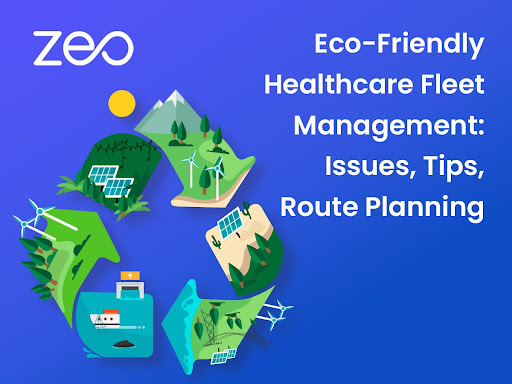
This blog delves into the concept of eco-friendly healthcare fleet management, addressing key issues and providing essential tips for a greener and more sustainable approach.
What is Eco-Friendly Healthcare Fleet Management?
Think of healthcare as a big puzzle, and fleet management is a piece often overlooked. Now, let’s talk about making this piece eco-friendly. When we say “eco-friendly healthcare fleet management,” we mean doing transportation in a kinder way to the environment. It’s not just about moving medical stuff around; it’s about doing it in a way that doesn’t harm the planet. This includes picking the right vehicles and being careful about eliminating waste. Essentially, it’s about healthcare transportation that’s not just efficient but also thinks about the Earth.
It’s like saying, “Let’s care for patients and our planet simultaneously!”
Top 3 Environmental Issues with Healthcare Fleet Management
Let us explore the top 3 issues that arise in the domain of healthcare fleet management concerning the environment:
- Emissions: One of the primary concerns in healthcare fleet management is the emission of greenhouse gases. Traditional fuel-powered vehicles contribute significantly to air pollution, impacting the environment and public health. According to the U.S. Environmental Protection Agency, transportation accounts for the largest share of greenhouse gas emissions in the United States, making fleet-level reductions a meaningful lever for healthcare organizations. Reducing emissions is a key goal for eco-friendly fleet management.
- Hazardous Waste Disposal: Healthcare facilities often generate hazardous waste, and improper disposal can have severe environmental consequences. Appropriate waste management practices are essential to prevent pollution and safeguard ecosystems.
- Resource Consumption: Fleet operations consume vast resources, from fuel and energy to vehicle materials. A sustainable approach aims to minimize resource consumption, promoting the use of renewable energy sources and efficient materials.
Learn more: Route Planning Solutions for Healthcare
Top 5 Eco-Friendly Tips for Healthcare Fleet Management
We humans are all about creating possibilities, and executing healthcare fleet operations in an eco-friendly manner is no unattainable feat. Let us explore some tips regarding the same:
- Optimize Routes & Vehicles: Advanced route planning tools can help healthcare fleets optimize routes, reducing fuel consumption and emissions. Additionally, selecting fuel-efficient vehicles and ensuring proper maintenance contribute to overall sustainability.
- Implement In-depth Driver Training: Well-trained drivers can significantly impact fuel efficiency. Implementing driver training programs focusing on eco-friendly driving practices, such as smooth acceleration and deceleration, can lead to substantial fuel savings. Driver training also trains the executives regarding the proper transfer and disposal of hazardous waste.
- Tire Selection & Vehicle Maintenance: Proper tire selection and regular maintenance not only enhance vehicle safety but also contribute to fuel efficiency. Inflated tires and well-maintained vehicles reduce rolling resistance, lowering fuel consumption. The Federal Motor Carrier Safety Administration notes that routine maintenance checks are a core part of keeping commercial fleets both safe and efficient.
- EV Adoption: Embracing electric vehicles (EVs) is a pivotal step towards reducing emissions. Healthcare fleets can gradually transition to electric or hybrid vehicles, taking advantage of the expanding EV infrastructure and their environmental benefits.
- Analyze Fleet Performance: Continuous monitoring and analysis of fleet performance provide valuable insights. This data-driven approach helps identify areas for improvement, allowing fleets to make informed decisions to enhance overall efficiency and minimize resource consumption.
Read more: Your Guide To AI-Powered Route Optimization
Why Choose a Fleet Management Tool?
It’s about transforming data into strategy, optimizing resources, and streamlining operations. Such a tool provides real-time insights, ensuring efficient route planning and minimal environmental impact. More than technological upgrades, they symbolize a commitment to precision and sustainability. By embracing a fleet management tool, you can enhance operational efficiency and contribute to a greener, healthier planet. It’s not just a choice; it’s a strategic leap into a future where healthcare seamlessly integrates with environmental well-being.
How Route Analytics Supports Long-Term Sustainability Goals
Beyond day-to-day route planning, healthcare fleets benefit from tracking patterns over time. Route analytics and reporting reveal which routes consistently run longer than necessary, which drivers achieve the best fuel efficiency, and where capacity-based routing could reduce the number of vehicles on the road. For fleets managing multiple vehicles with different weight and volume limits, capacity-based routing helps ensure each vehicle is used efficiently rather than sending out a half-empty van on a route that could be consolidated. Pairing this with miles tracking gives fleet managers clear records for expense reporting while also highlighting opportunities to cut unnecessary trips, directly supporting both cost control and emissions reduction.

increase fuel savings
Save 2 Hours on Deliveries, Everyday!
Optimize routes with our algorithm, reducing travel time and costs efficiently.
Get Started for Free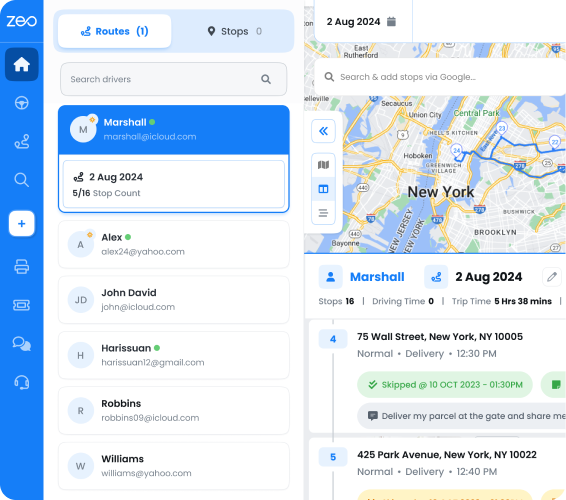
Healthcare organizations that monitor driver performance analytics also gain visibility into which practices are working. Skill-based driver assignment ensures that specialized deliveries, such as time-sensitive medical equipment, go to the right driver without creating inefficient detours. Together, these data points turn sustainability from a one-time initiative into an ongoing, measurable practice.
Uplift Your Services in an Eco-Friendly Manner with Zeo
The healthcare industry must embrace eco-friendly fleet management practices to minimize its environmental footprint. While adopting sustainable strategies is beneficial, utilizing an advanced tool like Zeo Route Planner for Fleets can streamline the transition and enhance efficiency. Zeo’s AI-powered route optimization and capacity-based routing help healthcare fleets reduce unnecessary mileage, while real-time GPS tracking keeps dispatchers informed of every vehicle’s progress. By integrating eco-friendly initiatives and leveraging technology, healthcare fleets can contribute to a healthier planet while ensuring the seamless delivery of vital medical services.
Schedule a free demo to learn more about Zeo!
Frequently Asked Questions
What makes a healthcare fleet “eco-friendly”?
An eco-friendly healthcare fleet minimizes emissions, fuel use, and waste while still meeting delivery and patient-care obligations. This typically involves optimized routing, fuel-efficient or electric vehicles, regular maintenance, and trained drivers who practice fuel-conscious driving habits. The goal is to reduce environmental impact without compromising the reliability of medical deliveries.
How much fuel can route optimization actually save a healthcare fleet?
Fuel savings depend on fleet size and route complexity, but inefficient routing is consistently cited as one of the biggest avoidable sources of fuel waste in commercial fleets. Zeo Route Planner’s AI-powered route optimization saves healthcare fleet teams 2+ hours daily by reducing idle time, backtracking, and unnecessary mileage. Fewer miles driven translates directly into lower fuel consumption and emissions.
What are the biggest barriers to EV adoption for medical fleets?
The most common barriers are upfront vehicle cost, limited charging infrastructure in some regions, and concerns about range for longer medical supply routes. Many healthcare organizations address this by phasing in EVs gradually, starting with shorter urban delivery routes before expanding to longer routes. As charging networks expand, these barriers are expected to ease over time.
How can healthcare fleets reduce hazardous waste from vehicle operations?
Reducing hazardous waste starts with proper driver training on handling, transferring, and disposing of medical materials according to regulatory guidelines. Routine vehicle maintenance also prevents leaks and spills that can contribute to contamination. Pairing these practices with documented proof-of-delivery records, such as photo capture and delivery notes, helps fleets maintain accountability for how materials are handled in transit.
How can fleet managers track the environmental impact of their routes over time?
Fleet managers typically track metrics like total miles driven, fuel consumption per route, and vehicle utilization rates to measure environmental impact. Zeo Route Planner’s route analytics and reporting, combined with miles tracking, give healthcare fleets a clear, ongoing record of mileage and efficiency trends across drivers and vehicles. This data makes it easier to spot inefficiencies and demonstrate progress toward sustainability goals.
Are you a fleet owner?
Want to manage your drivers and deliveries easily?
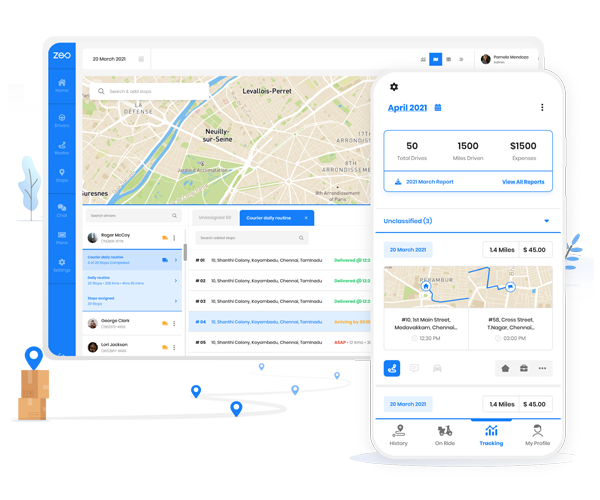
Grow your business effortlessly with Zeo Routes Planner – optimize routes and manage multiple drivers with ease.
increase fuel savings
Save 2 Hours on Deliveries, Everyday!
Optimize routes with our algorithm, reducing travel time and costs efficiently.
Get Started for Free