

Updated on: September 7, 2025
Reading Time: 4 minutes
TL;DR: Transportation route optimization transforms stop lists into efficient plans by sequencing deliveries, mapping shortest paths, and respecting time windows and capacity constraints. As of 2026, fleets using optimization software reduce empty miles by 15% and complete the same deliveries with fewer resources. Route optimization tools like Zeo Route Planner address this with AI-powered route optimization and auto-assignment of stops to drivers, helping logistics teams save 2+ hours daily.
Transportation route optimization turns a long stop list into a clean plan. It orders every stop, maps the shortest legal path, and respects time windows, capacity, driver hours, and local rules.
You get balanced routes and clear steps on each driver’s device. The value: cutting down empty miles and idle time, lower fuel spend, adhering to committed ETAs, and more. In all, you’ll unlock fleet efficiency as the dispatch builds routes in minutes.
Drivers can also follow precise turn-by-turn tasks as the fleet manager watches live progress and adjusts when a road closes or a priority changes.
We’ll find out further how the transportation route optimization can help drive the efficiency of the fleet.
What Is Transportation Route Optimization?
The route optimization for transportation requires designing, developing, and implementing the most efficient path for a fleet to complete all its stops.
When routes flow logically, trucks move from stop to stop without detours, workloads stay balanced, and time-sensitive orders get priority.
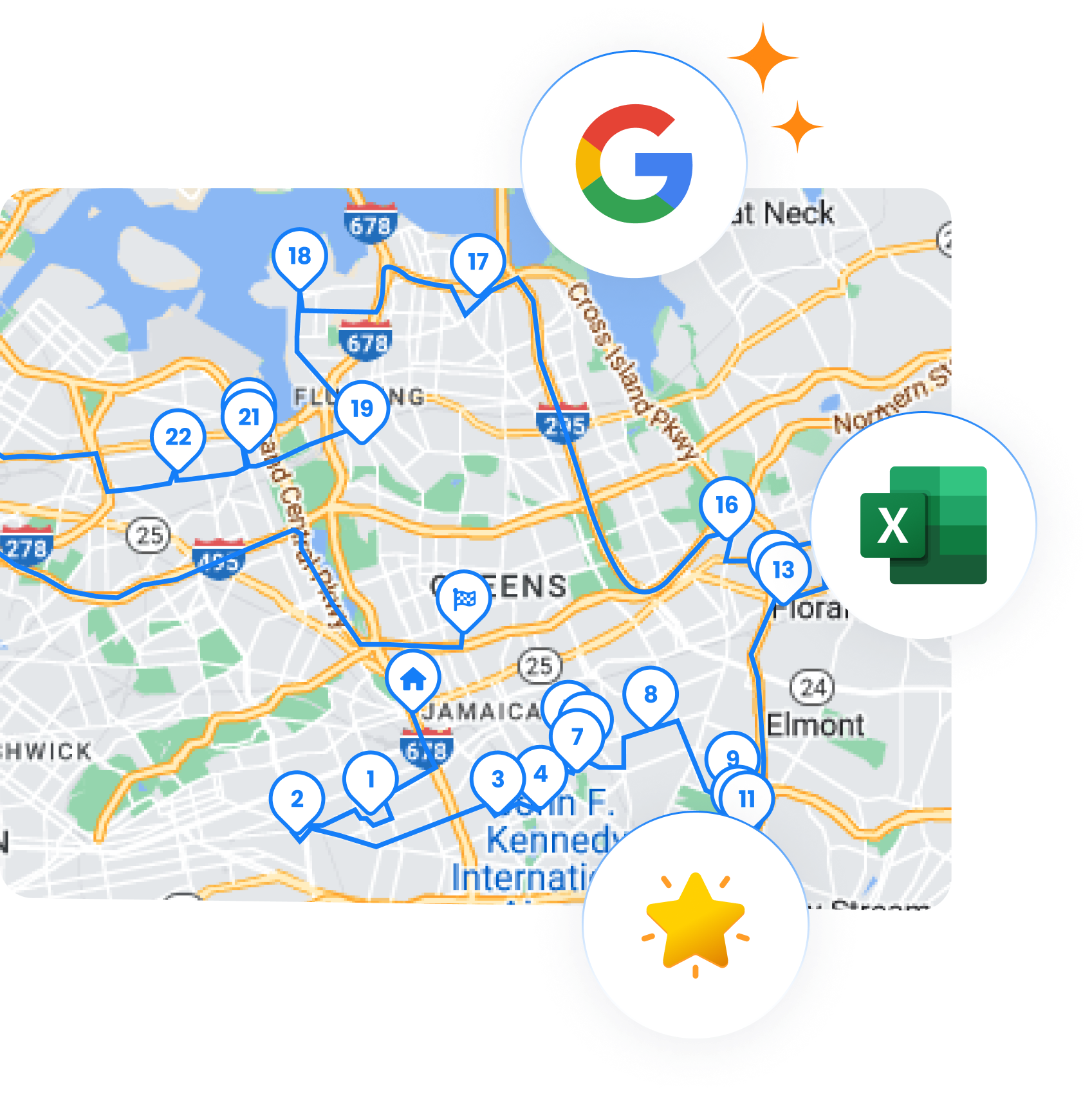
When you optimize the transportation route, you get to unlock the following benefits.
Sequence stops in a logical manner
Arrange deliveries in a straight path rather than zig-zagging across service areas. A well-sequenced route means less time turning around or backtracking.
Give priority to urgent orders
Place deliveries with fixed time windows or perishable goods earlier in the run. Flexible orders can fill gaps later, ensuring the vehicle reaches key stops on time without slowing the rest.
Automate the planning step
Replacing manual route building with optimization software saves hours before trucks even leave the depot. The faster the plan is ready, the faster deliveries get started.
For example, a fleet of 20 trucks may cover 500+ stops across a metro area. The transportation route optimization can help cluster the stops by neighborhood, allowing trucks to leave fully loaded as routes shift around road conditions and weather updates.
These 20 trucks would cover the same 500 stops but with 15% fewer kilometers and hours shaved off each shift as of 2026.
The Economics of Route Optimization
Route optimization delivers measurable financial returns through reduced operational costs and improved resource utilization. According to the U.S. Bureau of Transportation Statistics, freight transportation costs account for 8-15% of most products’ final price, making efficiency gains directly impact profitability.
Fuel cost reduction
Optimized routes eliminate unnecessary mileage, with fleets typically reducing fuel consumption by 10-20% as of 2026. For a mid-size fleet spending $50,000 monthly on fuel, this translates to $5,000-10,000 in monthly savings.
Labor efficiency gains
Drivers complete more stops per shift when routes flow logically, reducing overtime costs and enabling better service capacity. The Bureau of Labor Statistics reports heavy truck driver wages averaging $50,340 annually as of 2026, making productivity improvements particularly valuable.
Vehicle utilization optimization
Better planning means fewer vehicles needed for the same delivery volume. Fleet managers achieve higher capacity utilization rates, delaying vehicle purchases and reducing maintenance costs across fewer units.
How Do You Optimize Delivery Routes?
Optimizing delivery routes requires structuring the stops so drivers move in a clean, continuous flow. Of course, the intent is not to waste the turns and avoid zig-zagging across service areas.
Here are the practical ways you’d adopt to optimize delivery routes:
Group stops by geography
Keep deliveries within the same neighborhood or zone on one truck to reduce backtracking while keeping drivers focused on familiar areas.
Balance vehicle loads
You’ll divide the orders in a way to make sure that each truck leaves at near-full capacity without overloading. With an even split, you prevent one driver from running long while others finish early.
Respect delivery windows
Assign stops so time-sensitive deliveries (like same-day or perishable goods) fall earlier in the run, while flexible orders fill in the gaps.
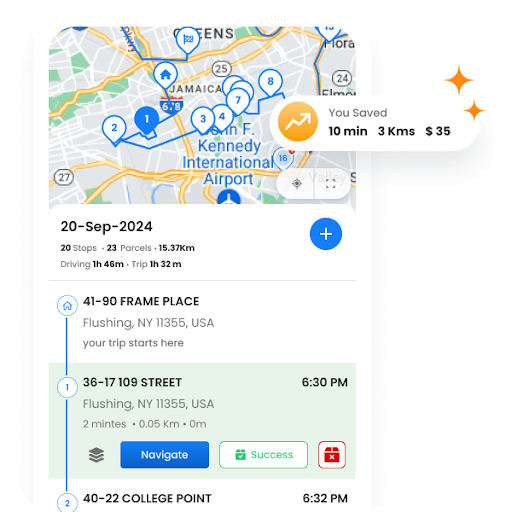
Stay accountable to driver hours
You’ll have to align routes with driver shift lengths. It’s one way you get to avoid overtime and stay compliant with labor rules.
Use digital planning tools
The route optimization of the fleet will eventually replace manual maps and spreadsheets with route optimization software. It will automate clustering and sequencing, which saves hours of planning time and cuts human error.

increase fuel savings
Hassle Free Deliveries & Pickups!
Optimize routes with our algorithm, reducing travel time and costs efficiently.
Get Started for Free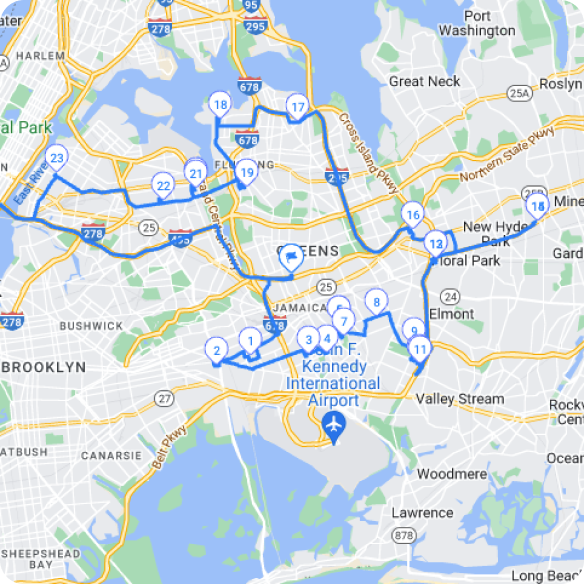
Modern solutions support integration with existing business systems. For example, route planner applications now connect with Shopify, WooCommerce, and CRM platforms to automatically import order data and reduce manual data entry.
How to Improve Delivery Speed
Delivery speed in logistics comes from better planning, not faster driving. With route optimization, you ensure that trucks move in a straight, efficient flow, with no wasted detours or overloaded schedules.
To improve delivery speed through route optimization, you will need to do the following.
Cut planning delays
Speed begins before trucks leave, as you’ll use the software to create routes in minutes instead of hours. This is a quick start, which means you get to depart the trucks early and work on tighter schedules. It is one way to replace spreadsheets and maps with route optimization software.
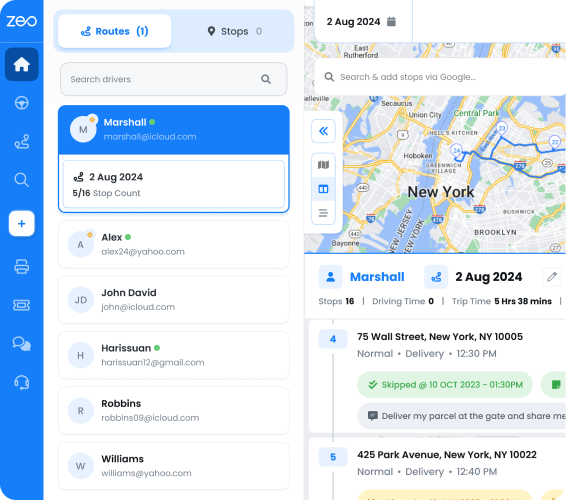
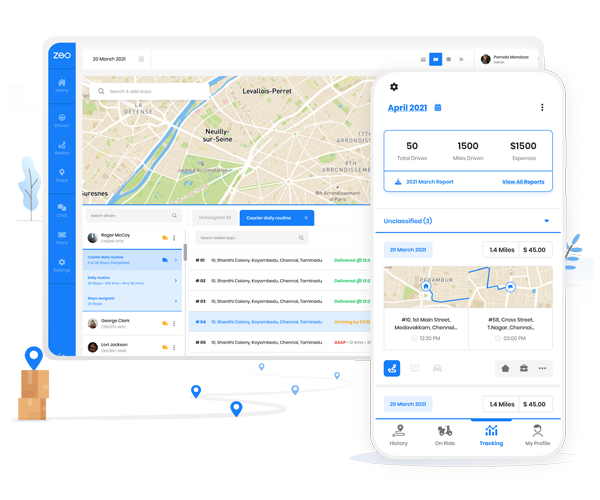
Zeo Route Planner can help here. There are features that let you upload stops, apply constraints (load, driver hours, time windows), and generate routes in minutes.
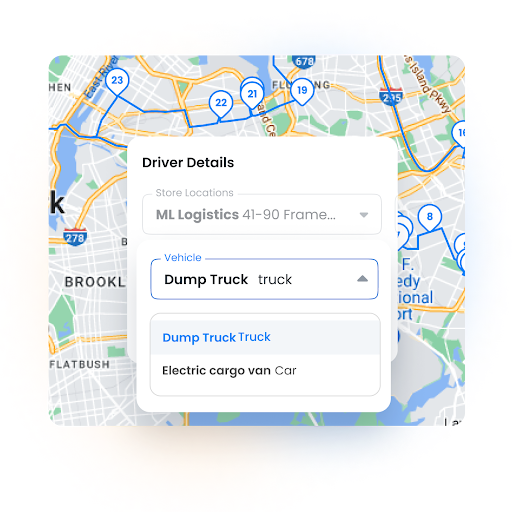
Faster planning means trucks leave the depot on time, every day.
Dispatch with clarity
Equip drivers with digital route instructions on their devices. One-tap navigation, stop order, and delivery notes remove confusion and keep drivers moving.
Also, it helps if you tag orders with delivery windows or urgency levels. For instance, noting down the perishable goods, same-day commitments, or high-priority clients at the start of the route.
Balance driver workloads
Uneven assignments can slow down overall performance. And so, before the dispatch, review the number of stops and load weight per vehicle. You also need to adjust the workload assignments with driver management and make sure they’re within the legal range.
Review and refine routes regularly
You’ll compare the planned vs. actual performance every week and then review the delivery completion times, kilometers driven, delays, etc. Accordingly, you can update routes to identify recurring bottlenecks or new customer clusters.
Technology Integration for Modern Fleet Operations
As of 2026, successful transportation route optimization relies heavily on technology integration across multiple business systems. Fleet managers need seamless data flow between order management, routing software, and tracking systems to maintain operational efficiency.
Real-time tracking and communication
Modern fleets require live visibility into vehicle locations and delivery progress. GPS tracking combined with customer notification systems keeps all stakeholders informed while reducing service calls and improving customer satisfaction.
Proof of delivery automation
Digital proof collection streamlines the delivery completion process. Photo capture, digital signatures, and delivery notes create immediate documentation while reducing paperwork and administrative overhead.
Integration with business systems
Route optimization software works best when connected to existing order management, CRM, and accounting systems. API integrations and pre-built connectors eliminate manual data entry while ensuring route plans reflect current business priorities.
For specialized operations like two-person delivery teams, the software must account for crew coordination and skill-based assignments alongside standard route optimization factors.
Frequently Asked Questions
What factors should be considered when optimizing transportation routes?
Route optimization should account for vehicle capacity limits, driver work hours, customer time windows, traffic patterns, and fuel efficiency. Geographic clustering of stops, priority delivery requirements, and vehicle-specific constraints like weight limits or equipment needs also impact optimal route design.
How much fuel can route optimization save for commercial fleets?
Well-planned route optimization typically reduces fuel consumption by 10-20% for commercial fleets as of 2026. This comes from eliminating unnecessary mileage, reducing idle time, and improving vehicle utilization rates across the entire fleet operation.
What is the difference between static and dynamic route optimization?
Static optimization creates routes before the day begins using known delivery information, while dynamic optimization adjusts routes in real-time based on traffic conditions, new orders, or delivery delays. Dynamic systems provide flexibility but require real-time data feeds and mobile connectivity for drivers.
How do time windows affect route optimization efficiency?
Tight delivery time windows create constraints that can reduce overall route efficiency by 15-25% compared to flexible scheduling. However, respecting customer time preferences improves service quality and reduces failed delivery attempts, which often offset the efficiency trade-offs.
Can route optimization software integrate with existing business systems?
Modern route optimization platforms support integration with order management systems, CRMs, and e-commerce platforms through APIs and pre-built connectors. Zeo Route Planner integrates with Shopify, WooCommerce, HubSpot, and over 1000 apps through Zapier, serving 1.5M+ users across 150+ countries.
Conclusion
Route optimization simplifies logistics. It removes wasted motion, keeps loads balanced, and gives dispatchers instant control. The plus side is that the drivers get clear routes to follow, helping them keep deliveries on schedule without extra effort.
Start using Zeo Route Planner to have a steady pace of scheduled deliveries and predictable outcomes. You don’t need to scramble through daily operations, but function on a system that works by keeping the fleet consistent, efficient, and ready for tomorrow.
Want to experience a smooth-running fleet in your logistics transportation?
Check our Zeo Route Planner to help with route optimization.
Are you a fleet owner?
Want to manage your drivers and deliveries easily?
Grow your business effortlessly with Zeo Routes Planner – optimize routes and manage multiple drivers with ease.
increase fuel savings
Save 2 Hours on Deliveries, Everyday!
Optimize routes with our algorithm, reducing travel time and costs efficiently.
Get Started for Free