

# How to Optimize Refrigerated Delivery Routes in 2026
> TL;DR: Optimizing refrigerated delivery routes requires AI-powered software that considers temperature constraints, time windows, and compartment limitations rather than just distance. Companies typically reduce delivery costs by 25% while improving cold chain compliance through intelligent routing. Route optimization tools like Zeo Route Planner address this with AI-powered route optimization and capacity-based routing, helping refrigerated delivery teams save 2+ hours daily.
Refrigerated delivery operations face a unique challenge. You need to balance cold chain integrity, compliance requirements, and operational efficiency while managing expensive equipment and strict time windows.
Poor route planning doesn’t just waste fuel. It risks product spoilage, regulatory violations, and customer relationships. The solution lies in how to optimize refrigerated delivery routes through intelligent software that understands temperature-sensitive logistics.
Companies using optimized refrigerated routing typically reduce delivery costs by 25% while improving cold chain compliance. Here’s how to achieve these results.
Why Traditional Route Planning Fails for Cold Chain Logistics
Manual route planning treats all deliveries the same. This approach ignores the critical factors that make refrigerated logistics different from standard delivery operations.
Temperature Windows Create Rigid Constraints
Frozen foods require delivery within 2-4 hours of leaving the warehouse. Fresh produce needs different handling than pharmaceuticals. Your route planning must account for these temperature-specific time windows.
Traditional planning software calculates the shortest distance between stops. It doesn’t consider that your frozen food delivery needs to happen before your fresh produce stops to minimize temperature exposure time.
Equipment Capacity Goes Beyond Weight and Volume
Refrigerated vehicles have compartment limitations that standard routing ignores. A truck might handle 5,000 pounds but only accommodate three temperature zones. Manual planning often creates routes that max out compartment space while underutilizing weight capacity.
Compliance Documentation Requirements
The FDA Food Safety Modernization Act requires detailed delivery records for temperature-sensitive products. Manual systems struggle to coordinate route efficiency with documentation needs.
According to the National Restaurant Association, food safety violations cost companies an average of $75,000 per incident. Route planning that doesn’t integrate compliance creates unnecessary risk.
How to Optimize Refrigerated Delivery Routes with Smart Software
Modern route optimization software addresses cold chain challenges through algorithms that understand temperature constraints, equipment limitations, and compliance requirements.
AI-Powered Routing for Temperature Constraints
Route optimization software calculates routes based on temperature priorities, not just distance. The system schedules frozen deliveries first, followed by chilled products, then ambient temperature items.
Zeo Route Planner solves this by using AI-powered route optimization that factors in time windows and priority stops. The system saves 2+ hours daily per driver by creating routes that minimize temperature exposure while maximizing efficiency.
Capacity-Based Routing for Multi-Temperature Vehicles
Advanced routing considers compartment constraints alongside weight and volume limits. The software assigns deliveries based on available refrigerated space, not just total vehicle capacity.
This prevents situations where drivers arrive at warehouses unable to load remaining deliveries because refrigerated compartments are full while dry storage sits empty.
Real-Time Route Adjustments
Dynamic routing adapts to changing conditions without compromising cold chain integrity. When traffic delays threaten temperature windows, the system automatically reorders remaining stops or suggests alternative routes.
Integrating Temperature Monitoring with Dynamic Route Adjustments
Temperature monitoring integration transforms route optimization from reactive to predictive. Your routing system needs real-time temperature data to make informed adjustments.
Automated Route Changes Based on Temperature Alerts
When temperature sensors detect issues, optimized routing systems immediately calculate alternative solutions. The software might reroute to the nearest service center or prioritize temperature-sensitive deliveries.
Customer Communication During Temperature Events
Automated customer notifications prevent service failures during temperature emergencies. Instead of discovering spoiled products upon delivery, customers receive advance notice with new delivery windows.
Zeo’s customer notification system sends SMS, email, and live tracking updates when routes change due to temperature issues. This proactive communication maintains customer relationships during operational challenges through driver tracking software that keeps everyone informed.
Historical Temperature Data for Route Improvement
Temperature monitoring creates data that improves future route planning. The system identifies patterns like specific routes that consistently experience temperature issues or time windows that create cold chain stress.
Managing Multi-Temperature Routes and Emergency Refrigeration Failures
Multi-temperature deliveries require sophisticated coordination between route planning and equipment management. Your system must optimize for different temperature zones simultaneously using comprehensive fleet management strategies.
Compartment-Specific Route Sequencing
Effective multi-temperature routing sequences stops based on compartment requirements. Frozen deliveries from compartment A happen before chilled deliveries from compartment B, even if compartment B stops are geographically closer.
This sequencing minimizes door opening frequency for each compartment, maintaining temperature stability while optimizing travel time.
Emergency Response Protocols
Refrigeration failures demand immediate route adjustments. Your routing system needs predetermined protocols for equipment emergencies that prioritize product preservation.
Consider this scenario: A refrigeration unit fails during a 15-stop route. The system immediately identifies the nearest backup vehicle, calculates transfer logistics, and reroutes remaining deliveries to minimize product loss.
Driver Decision Support
Drivers need clear guidance during temperature emergencies. Route optimization software should provide step-by-step instructions for equipment failures, including emergency contact information and nearest service locations.
Compliance-Ready Documentation and Driver Communication for Cold Chain
Cold chain compliance requires detailed documentation that manual systems struggle to maintain. Route optimization software must integrate documentation with efficient routing.
Automated Compliance Documentation
Modern routing systems generate compliance reports automatically. Every delivery includes temperature logs, time stamps, and delivery confirmations required for regulatory compliance.
The Department of Transportation estimates that automated compliance documentation reduces violation risk by 60% compared to manual record-keeping systems.
Proof of Delivery Integration
Temperature-sensitive deliveries require enhanced proof of delivery that includes temperature confirmation, product condition, and customer acknowledgment.
Zeo’s proof of delivery system captures photos, digital signatures, and delivery notes that document cold chain compliance. This integration ensures compliance documentation happens during normal delivery workflows.

increase fuel savings
Save 2 Hours on Deliveries, Everyday!
Optimize routes with our algorithm, reducing travel time and costs efficiently.
Get Started for Free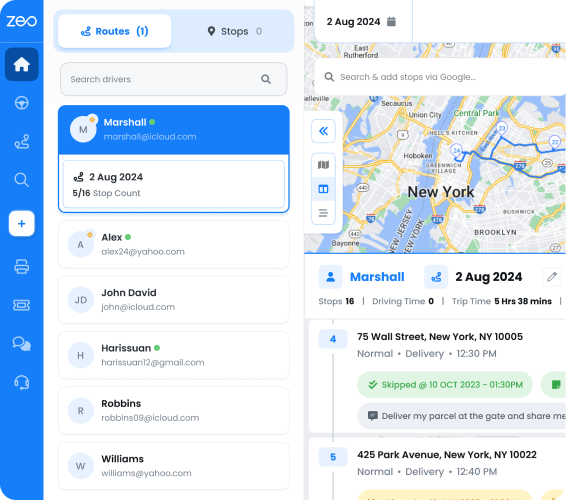
Driver Communication for Cold Chain Issues
Your drivers receive optimized routes directly through mobile apps that include temperature requirements and emergency procedures. The system provides real-time communication between drivers and dispatch for immediate issue resolution.
When temperature issues arise, drivers can immediately communicate with dispatch through the app, triggering automatic route adjustments and customer notifications.
Training Integration
Route optimization software should include cold chain training materials and checklists. Drivers access temperature handling procedures, emergency protocols, and compliance requirements directly through their route management apps.
ROI Analysis: Calculating Your Refrigerated Route Optimization Savings
Understanding the financial impact of route optimization helps justify technology investments and measure success. Consider the comprehensive impact on last mile delivery costs when evaluating solutions.
Fuel Cost Reduction
Optimized refrigerated routes typically reduce fuel consumption by 20-30%. For a 20-vehicle refrigerated fleet averaging 100 miles daily, this saves approximately $30,000 annually in fuel costs at current diesel prices.
Labor Efficiency Improvements
Route optimization reduces driver hours through more efficient routing and automated administrative tasks. Drivers spend less time on paperwork and route planning, focusing on deliveries instead.
Companies using route optimization typically reduce driver overtime by 15-25%, translating to $40,000-60,000 annual savings for a 20-driver operation.
Product Loss Prevention
Improved cold chain management reduces product spoilage and waste. The Food and Agriculture Organization estimates that optimized cold chain logistics reduces food waste by 10-15%.
For refrigerated delivery companies, this translates to reduced insurance claims, fewer customer complaints, and improved profit margins on temperature-sensitive products.
Compliance Cost Avoidance
Automated compliance documentation prevents regulatory violations and associated fines. FDA violations for cold chain breaches average $50,000-100,000 per incident.
Vehicle Utilization Optimization
Better route planning increases vehicle capacity utilization and reduces the need for additional trucks. Companies often delay fleet expansion by 12-18 months through improved routing efficiency.
Calculating Your Total ROI
To calculate route optimization ROI for refrigerated delivery:
Annual Savings = Fuel Reduction + Labor Efficiency + Product Loss Prevention + Compliance Avoidance + Delayed Fleet Expansion
ROI = (Annual Savings – Software Cost) / Software Cost × 100
Most refrigerated delivery companies achieve 300-400% ROI within the first year of implementing route optimization software.
Implementation Timeline
Route optimization benefits typically materialize within 30-60 days of implementation. Immediate improvements include reduced fuel consumption and improved driver efficiency. Long-term benefits like compliance improvement and customer satisfaction develop over 6-12 months.
Frequently Asked Questions
Q: What temperature ranges require the most careful route planning for refrigerated deliveries?
Frozen foods requiring delivery within 2-4 hours of warehouse departure need the most careful planning, followed by fresh pharmaceuticals with strict temperature windows. Each product category has specific time constraints that must be factored into route sequencing to prevent spoilage and maintain compliance.
Q: How much can refrigerated delivery companies save by optimizing their routes?
Companies using optimized refrigerated routing typically reduce delivery costs by 25% while improving cold chain compliance. Zeo Route Planner’s AI-powered optimization serves 1.5M+ users and saves 2+ hours daily per driver through intelligent route sequencing that considers temperature constraints.
Q: What happens when refrigeration equipment fails during a delivery route?
When refrigeration units fail, route optimization systems should immediately identify the nearest backup vehicle, calculate transfer logistics, and reroute remaining deliveries to minimize product loss. Emergency protocols must prioritize temperature-sensitive deliveries and provide drivers with clear step-by-step instructions.
Q: Why can’t standard route planning software handle cold chain logistics?
Traditional route planning treats all deliveries the same and calculates only the shortest distance between stops. It doesn’t consider temperature-specific time windows, compartment limitations, or the need to sequence frozen deliveries before fresh produce stops to minimize temperature exposure.
Q: How does multi-temperature vehicle routing differ from single-temperature planning?
Multi-temperature routing requires sophisticated coordination that sequences stops based on compartment requirements rather than just geographic proximity. Zeo’s capacity-based routing considers refrigerated compartment constraints alongside weight and volume limits, preventing situations where drivers can’t load remaining deliveries due to full compartments.
—
Ready to optimize your refrigerated delivery routes while maintaining perfect cold chain integrity? Zeo Route Planner’s AI-powered routing serves 1.5M+ users across 150+ countries with features specifically designed for temperature-sensitive logistics.
Start your free trial to see how Zeo can optimize your refrigerated routes while maintaining cold chain integrity.
Are you a fleet owner?
Want to manage your drivers and deliveries easily?
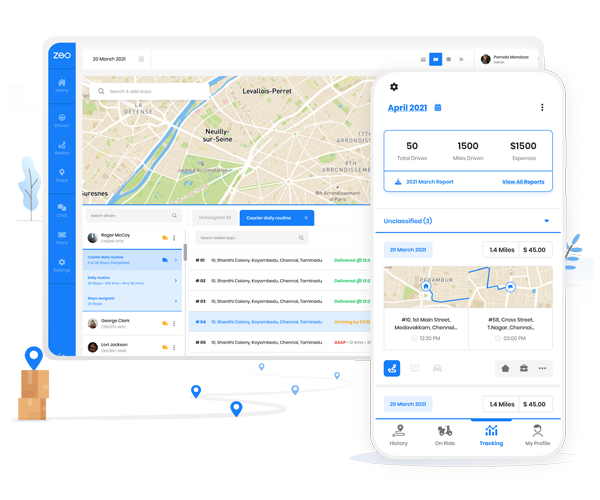
Grow your business effortlessly with Zeo Routes Planner – optimize routes and manage multiple drivers with ease.
increase fuel savings
Save 2 Hours on Deliveries, Everyday!
Optimize routes with our algorithm, reducing travel time and costs efficiently.
Get Started for Free