

# Best Bringg Competitors: 2026 Guide for Mid-Market Companies
> TL;DR: Mid-market companies switch from Bringg primarily due to high per-delivery costs, enterprise complexity, and 8-12 week implementation timelines that don’t match their operational needs. Companies typically reduce software costs by 50-70% when moving to right-sized alternatives. Route optimization software like Zeo Route Planner addresses these challenges with AI-powered optimization and 3-day deployment, helping delivery and field service teams save 2+ hours daily.
If you’re evaluating bringg competitors, you’re not alone. Many mid-market delivery companies are discovering that Bringg’s enterprise-focused approach doesn’t align with their operational needs or budget constraints.
This comprehensive guide examines the top alternatives to Bringg, with real migration stories and total cost comparisons. Whether you’re outgrowing your current platform or finding Bringg too complex for your 50-500 driver fleet, you’ll find actionable insights to make the right choice.
Why Companies Are Looking Beyond Bringg in 2026
Bringg built its reputation serving large enterprises, but this focus creates specific challenges for mid-market companies.
Prohibitive Per-Delivery Pricing
Bringg’s per-delivery pricing model becomes expensive quickly. Companies processing 1,000+ deliveries weekly often face monthly bills exceeding $5,000. According to industry research by LogisticsIQ, mid-market companies spend 15-20% more on route optimization when using enterprise-tier platforms versus right-sized solutions.
Small delivery margins make these costs unsustainable. A regional pharmacy chain with 150 drivers reported their Bringg costs represented 3.2% of revenue – well above the 1.5% industry benchmark for delivery technology.
Over-Engineering for Simple Operations
Bringg’s extensive feature set appeals to complex enterprise operations but overwhelms simpler businesses. Many companies need basic route optimization and tracking, not advanced supply chain orchestration.
One HVAC company with 75 technicians spent six weeks training staff on Bringg’s platform. They ultimately used less than 40% of available features while paying for the complete enterprise package.
Extended Implementation Timelines
Bringg implementations typically require 8-12 weeks for mid-market companies. This includes extensive configuration, integration setup, and staff training. Companies seeking faster deployment often find enterprise platforms move too slowly.
Limited Industry-Specific Features
While Bringg serves many industries, their broad approach sometimes misses industry-specific needs. Field service companies need different functionality than e-commerce fulfillment operations.
Top 7 Bringg Competitors: Feature and Pricing Breakdown
1. Zeo Route Planner
Zeo serves 1.5M+ users across 150+ countries, focusing specifically on route optimization for delivery and field service companies.
Key Strengths:
- AI-powered route optimization saves 2+ hours daily per driver
- Dual platform approach: web dashboard for fleet managers, mobile app for drivers
- Real-time GPS tracking with live ETA updates
- Comprehensive proof of delivery (photo, signature, notes)
- Direct integrations with Shopify, WooCommerce, and HubSpot
Pricing: Starts at $39/month for unlimited routes and drivers
Best For: Mid-market delivery companies and field service operations needing powerful routing without enterprise complexity
2. Route4Me
Route4Me targets small to medium delivery operations with straightforward routing tools.
Key Strengths:
- Simple interface with minimal learning curve
- Route optimization for up to 1,000 stops
- Mobile app for driver navigation
- Basic customer notifications
Pricing: $199/month for unlimited routes and users
Best For: Small delivery companies prioritizing simplicity over advanced features
3. OptimoRoute
OptimoRoute serves field service and delivery companies with time window requirements.
Key Strengths:
- Advanced time window handling
- Skill-based driver assignment
- Customer portal for scheduling
- Reporting and analytics dashboard
Pricing: $35.10/month per driver
Best For: Service companies with complex scheduling requirements using delivery scheduling software
4. Workwave Route Manager
Workwave focuses primarily on field service operations with route planning capabilities.
Key Strengths:
- Field service-specific features
- Customer communication tools
- Scheduling optimization
- Integration with field service management platforms
Pricing: $49/month per user
Best For: Field service companies needing integrated scheduling and routing
5. Onfleet
Onfleet targets last-mile delivery with strong customer experience features.
Key Strengths:
- Delivery tracking and notifications
- API for custom integrations
- Analytics and reporting
- Proof of delivery capabilities
Pricing: $149/month for up to 2,000 tasks
Best For: E-commerce and retail companies prioritizing customer experience
6. Circuit for Teams
Circuit focuses on small delivery teams with user-friendly tools.
Key Strengths:
- Intuitive mobile-first design
- Quick route optimization
- Driver tracking
- Customer notifications
Pricing: $100/month for up to 5 drivers
Best For: Small delivery teams needing basic route optimization
7. Routific
Routific serves local delivery companies with straightforward optimization tools.
Key Strengths:
- Easy route planning interface
- Driver mobile app
- Customer notifications
- Basic reporting features
Pricing: $59/month per driver
Best For: Local delivery companies wanting simple, effective routing
Real Migration Stories: Companies That Successfully Switched from Bringg
Case Study 1: Regional Medical Supply Company
Background: 120-driver fleet delivering medical supplies across three states
Challenge: Bringg’s $6,200 monthly cost and complex interface slowed daily operations
Solution: Migrated to Zeo Route Planner for comprehensive routing with industry-specific proof of delivery
Results:
- 65% reduction in software costs
- 3-day implementation versus 10-week Bringg setup
- Drivers adapted to Zeo’s mobile app within two days
- Maintained compliance documentation through photo capture and delivery notes
“Our drivers receive optimized routes directly on their phones via the Zeo app, complete with turn-by-turn navigation and customer details. The simplicity improved our daily operations immediately,” reported the Operations Director.
Case Study 2: Multi-Location HVAC Company
Background: 95 technicians across 12 locations providing residential and commercial HVAC services
Challenge: Bringg’s enterprise features created unnecessary complexity for straightforward service routing
Solution: Switched to OptimoRoute for skill-based technician assignment and time window management
Results:
- Simplified daily route planning from 45 minutes to 12 minutes
- Improved first-call resolution through better technician-job matching
- 40% faster staff onboarding due to intuitive interface
- Reduced software costs by $2,800 monthly
Case Study 3: E-commerce Fulfillment Operation
Background: 200-driver last-mile network serving online retailers
Challenge: Bringg’s per-delivery pricing scaled poorly with growing order volume
Solution: Migrated to Onfleet for delivery-focused features and predictable pricing
Results:
- Fixed monthly costs regardless of delivery volume spikes
- Enhanced customer tracking experience increased satisfaction scores
- API integration connected seamlessly with existing e-commerce platforms
- Eliminated surprise monthly bills during peak seasons
Industry-Specific Recommendations: Best Bringg Alternatives by Business Type
Food Delivery and Restaurant Chains
Recommended: Circuit for Teams or Zeo Route Planner
Food delivery requires speed and reliability over complex features. Circuit’s mobile-first approach works well for small restaurant delivery teams. For larger operations, Zeo’s AI-powered optimization handles high-volume routes efficiently while maintaining proof of delivery for accountability.
Time-sensitive deliveries benefit from real-time GPS tracking and live ETA updates that keep customers informed without overwhelming restaurant staff with complex software.
Field Service Companies (HVAC, Plumbing, Electrical)
Recommended: OptimoRoute or Workwave Route Manager
Field service operations need skill-based assignment and time window management. Technicians have different certifications and equipment, requiring intelligent job matching.

increase fuel savings
Hassle Free Deliveries & Pickups!
Optimize routes with our algorithm, reducing travel time and costs efficiently.
Get Started for Free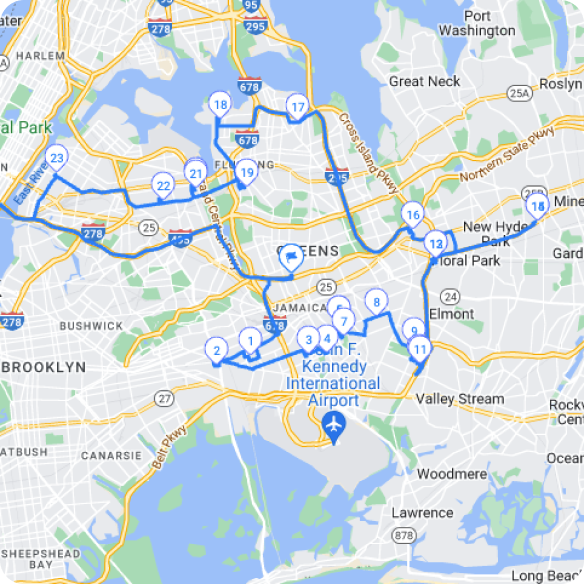
OptimoRoute excels at matching qualified technicians to specific job requirements. Workwave integrates routing with broader field service management, ideal for companies managing parts inventory and service history alongside routing.
Medical and Pharmacy Delivery
Recommended: Zeo Route Planner or Onfleet
Healthcare deliveries demand reliable proof of delivery and compliance documentation. Both platforms provide comprehensive delivery confirmation tools.
Zeo’s photo capture and delivery notes help document compliance requirements, while Onfleet’s customer communication keeps patients informed about prescription deliveries. Time window capabilities ensure deliveries arrive when patients are available.
E-commerce and Retail Fulfillment
Recommended: Onfleet or Zeo Route Planner
Last-mile e-commerce delivery focuses heavily on customer experience. Shoppers expect tracking, notifications, and reliable delivery windows.
Onfleet specializes in customer-facing delivery tracking with branded experiences. Zeo offers direct Shopify and WooCommerce integrations that automatically import orders and create optimized routes, streamlining operations for e-commerce companies.
Local Delivery Services
Recommended: Routific or Route4Me
Small local delivery companies need straightforward tools without enterprise complexity. Both platforms offer essential routing features at accessible price points.
Routific provides intuitive route planning for local operations, while Route4Me scales effectively as businesses grow. Neither requires extensive training or complex implementation processes.
Total Cost Analysis: Hidden Costs Beyond Per-Driver Pricing
Understanding true platform costs requires examining expenses beyond monthly subscriptions, according to the U.S. Small Business Administration guidelines for technology investments.
Implementation and Setup Costs
Bringg: $15,000-$25,000 for mid-market implementations
- Professional services: $8,000-$12,000
- Integration development: $5,000-$8,000
- Training and onboarding: $2,000-$5,000
Alternative Platforms:
- Zeo: $0 setup cost, 7-day free trial with self-service onboarding
- OptimoRoute: $500-$1,500 for assisted setup
- Onfleet: $0-$2,000 depending on integration complexity
Integration Expenses
Enterprise platforms often require custom API development for existing system connections. Mid-market companies typically spend $3,000-$8,000 connecting Bringg to their current tools.
Zeo’s direct integrations with Shopify, WooCommerce, and HubSpot eliminate development costs. Zapier connectivity provides access to 1,000+ additional applications without custom coding.
Training and Change Management
According to the Project Management Institute, technology adoption projects succeed 67% more often when implementation time is minimized. Bringg’s complexity extends training periods and increases change management costs.
Simplified platforms reduce training from weeks to days. Companies report 40-60% faster staff adoption when switching from Bringg to user-friendly alternatives.
Ongoing Support and Maintenance
Enterprise platforms often charge separately for premium support, custom reporting, and platform updates. These costs can add 20-30% to annual software expenses.
Mid-market focused platforms typically include comprehensive support and regular updates in base pricing, providing more predictable total costs.
Implementation Guide: What to Expect When Switching Platforms
Pre-Migration Planning (Week 1)
Data Assessment
- Export existing route data, driver information, and customer details
- Document current workflows and integration requirements
- Identify key stakeholders and train-the-trainer candidates
Platform Evaluation
- Trial 2-3 alternatives with real route data
- Test mobile app usability with actual drivers
- Verify integration compatibility with existing systems
Migration Execution (Weeks 2-3)
Data Transfer
- Import customer databases and driver information
- Configure delivery areas and service territories
- Set up vehicle capacities and driver skills
System Configuration
- Establish routing preferences and optimization settings
- Configure customer notification templates
- Set up reporting dashboards and user permissions
Staff Training
- Train fleet managers on web platform features
- Onboard drivers to mobile app functionality
- Establish new daily operational procedures
Go-Live and Optimization (Week 4)
Parallel Operations
- Run new platform alongside existing system for safety
- Monitor route quality and driver adoption
- Address immediate issues and user feedback
Full Transition
- Deactivate legacy platform after successful testing
- Implement feedback and optimization suggestions
- Establish ongoing support and maintenance procedures
Most companies complete migrations from Bringg to alternatives in 3-4 weeks, significantly faster than initial Bringg implementations. The key is choosing platforms designed for straightforward deployment rather than complex enterprise configurations using effective fleet management software.
Success Metrics to Track
Monitor these KPIs during your first 90 days:
- Route planning time reduction
- Driver adoption rate (mobile app usage)
- Customer satisfaction scores
- Total cost per delivery
- Implementation ROI
Companies typically see positive ROI within 60 days when switching to right-sized platforms, compared to 6-12 months for enterprise implementations. Effective driver tracking software helps monitor these metrics consistently.
Frequently Asked Questions
Q: What are the main reasons companies switch from Bringg to competitors?
Companies typically switch from Bringg due to high per-delivery pricing that becomes unsustainable for mid-market operations, over-complex enterprise features for simple routing needs, and extended implementation timelines of 8-12 weeks. Many businesses find they’re paying for functionality they don’t use while needing faster deployment and more straightforward tools.
Q: How much can companies save by switching from Bringg to alternative platforms?
Mid-market companies often reduce software costs by 50-70% when switching from Bringg to right-sized alternatives. For example, companies using Zeo Route Planner report 65% cost reductions while maintaining all essential routing and tracking capabilities, with implementation completed in days rather than months.
Q: What features should mid-market companies prioritize when evaluating Bringg alternatives?
Essential features include AI-powered route optimization, real-time GPS tracking, proof of delivery capabilities, and direct integrations with existing business tools. Companies should prioritize platforms that offer comprehensive routing without enterprise complexity, focusing on solutions that save daily operational time rather than adding administrative overhead.
Q: How long does it typically take to migrate from Bringg to a new platform?
Most companies complete migrations from Bringg to alternatives in 3-4 weeks, significantly faster than initial Bringg implementations. The process includes data assessment, platform evaluation, system configuration, staff training, and go-live testing, with simplified platforms requiring minimal training compared to enterprise solutions.
Q: Which industries benefit most from switching away from Bringg?
Mid-market delivery companies, field service operations (HVAC, plumbing, electrical), medical and pharmacy delivery services, and local delivery operations typically see the greatest benefits. These industries often need powerful routing optimization without enterprise-level complexity, making focused solutions more cost-effective and operationally efficient.
Ready to evaluate how alternatives compare to your current platform? Start your free 7-day trial with Zeo to experience AI-powered routing designed specifically for mid-market operations. Import your actual routes and see the difference user-friendly optimization makes for your team.
Are you a fleet owner?
Want to manage your drivers and deliveries easily?
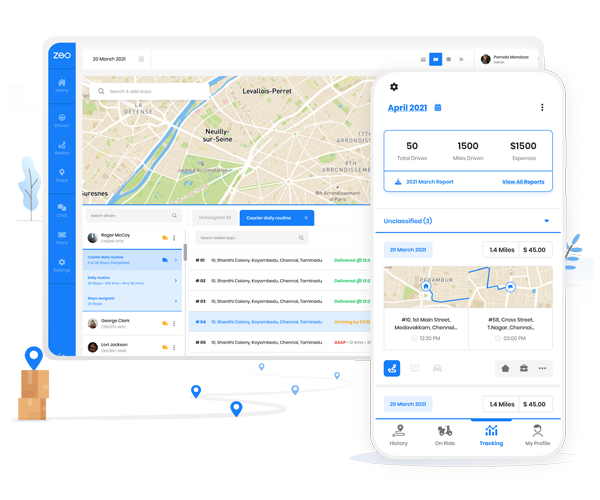
Grow your business effortlessly with Zeo Routes Planner – optimize routes and manage multiple drivers with ease.
increase fuel savings
Hassle Free Deliveries & Pickups!
Optimize routes with our algorithm, reducing travel time and costs efficiently.
Get Started for Free