
Updated on: March 21, 2026
Reading Time: 3 minutes
TL;DR: Route optimization software saves money by reducing fuel costs, minimizing fleet size, and improving driver productivity. Studies show that optimized routing can reduce transportation costs by 10-30% annually. Route optimization tools like Zeo Route Planner address this with AI-powered route optimization and capacity-based routing, helping delivery teams save 2+ hours daily.
How do we improve efficiency in operations to save costs? From a business perspective, you always have this question in mind. It’s one of the most important questions you can ask for business success.
Can a route optimization software help you save money? The answer is a big yes! A route optimization software can save you money in ways that you may not have thought of!
If you believe that buying route optimization software is an expense in itself, then rest assured that the savings from using a route planner far outweigh the cost of buying one. According to the Federal Highway Administration, optimized routing can reduce vehicle miles traveled by up to 20%, translating to significant fuel and operational savings.
Hop on a quick 30-minute demo call to understand how Zeo can help your business save money!
How Route Optimization Software Helps You Save Money:
1. Reduced driver costs
With the help of a fleet management software, your delivery drivers can complete the route in lesser time. That means each driver can make more deliveries in a day. When drivers follow optimized routes, they spend less time navigating between stops and more time focusing on actual service delivery. This improved productivity means you can handle increased delivery volume without proportionally increasing labor costs.
The reduction in route planning time also eliminates the need for drivers to spend time figuring out their daily routes. Instead of arriving early to plan their day, drivers can start productive work immediately, maximizing your investment in labor hours.
2. Lesser trucks required in the fleet
A route optimization software ensures that you are making the most efficient use of the available resources. Your fleet may require fewer trucks for the same number of deliveries or client visits. By maximizing vehicle capacity utilization and reducing redundant trips, businesses often discover they can handle their current workload with 15-25% fewer vehicles.
This reduction in fleet size translates to lower vehicle acquisition costs, reduced insurance premiums, and decreased licensing fees. The cumulative effect of these savings can amount to thousands of dollars per vehicle per year, making route optimization a significant cost reduction strategy.
3. Lower maintenance and fuel costs
With a lesser number of trucks in the fleet, the maintenance costs go down. Also as the vehicles follow optimized routes there is lesser wear and tear and fuel cost is also controlled. Efficient routing reduces total miles driven, which directly impacts fuel consumption and vehicle depreciation rates.
The EPA’s SmartWay program reports that transportation efficiency improvements can reduce fuel costs by 6-20% annually. When vehicles follow optimal paths and avoid traffic congestion, engines operate more efficiently, leading to better fuel economy and reduced emissions.
4. Driver retention
The drivers don’t feel stressed to figure out the best route themselves as an optimized route is readily available. Real-time updates in the route in case of any unforeseen circumstances help the driver make deliveries with minimum delays. The drivers may feel frustrated if they have to visit the same area multiple times in a day. However, this can be avoided with help of a route planner.
A route planner ensures that the drivers are happy and stay with you longer. This helps in reducing the driver churn and saves you the hiring, onboarding and training costs of new drivers. According to industry data, replacing a commercial driver costs between $8,000 to $20,000 per driver, making retention a critical financial concern for fleet operators.
When drivers have predictable, efficient routes and clear expectations, job satisfaction increases significantly. This leads to lower turnover rates and reduces the substantial costs associated with recruiting, hiring, and training replacement drivers.
5. Fewer people needed for route planning
As the size of your fleet grows, your business will need more people for the purpose of planning the routes. However, with the help of route optimization software, the same planning can be done within seconds with higher accuracy. Manual route planning can take dispatchers 30-60 minutes per route, while automated systems complete the same task in minutes.
This efficiency gain allows your existing staff to handle larger fleets without requiring additional dispatchers or route planners. The labor savings from reduced planning time can justify the software investment within the first few months of implementation.

increase fuel savings
Save 2 Hours on Deliveries, Everyday!
Optimize routes with our algorithm, reducing travel time and costs efficiently.
Get Started for Free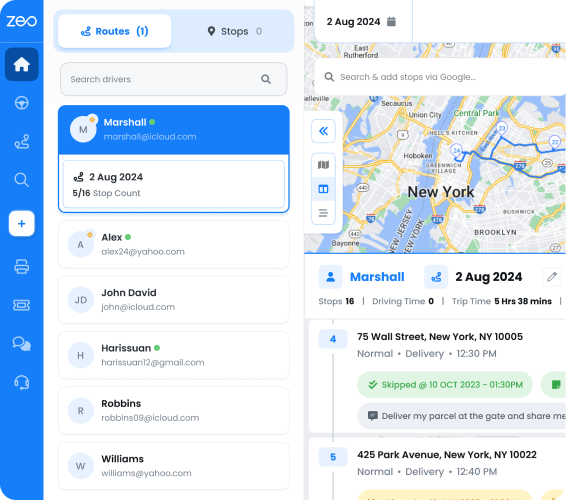
Read more: Choosing the correct route optimization software
6. Lesser failed deliveries
While adding the customer details you can also add the preferred delivery time slot of the customer. The route optimization software will take it into consideration while planning the route. It helps in ensuring that the customer is available at the time of delivery and doesn’t lead to a failed delivery.
The drivers can also send the trip details to the customers so that the customer is aware of the ETA. Accurate time estimates and proactive communication significantly reduce the likelihood of missed deliveries, which typically cost $15-25 per failed attempt when factoring in fuel, labor, and rescheduling costs.
Lesser failed deliveries also result in lesser incoming customer calls to the customer service team. This reduces the workload on customer service representatives and improves overall customer satisfaction scores.
Read more: Improve Customer Service Using Zeo’s Route Planner
7. Improved efficiency with data analysis
Trip reports can be downloaded from the route planner. These reports provide you with detailed insights into the execution of the route. You can easily check which deliveries were successful, failed or delayed along with the reasons provided by the driver for failed or delayed deliveries. Actual arrival time is also available in the report which can be compared with the ETA to understand for how long the delivery was delayed.
The reports also include other helpful data like navigation start time to understand at what time the driver started the navigation. You also get the updated ETA in the report which gives you visibility if the original ETA was updated due to traffic or any unforeseen reasons on the route.
Analyzing the reports helps in eliminating the inefficiencies that may creep in while executing the route. This data-driven approach enables continuous improvement in route planning, driver performance, and customer service delivery, leading to compounding cost savings over time.
Sign up for a free trial of Zeo Route Planner now!
Wrapping Up
A route optimization software, by providing you with the most efficient route, not only helps you save time but also helps in saving money. It helps in ensuring that all your business resources including the drivers, delivery vehicles and planning & customer service staff work efficiently and in a cost-effective manner. The cumulative effect of these improvements often results in total operational cost reductions of 15-30%, making route optimization one of the most impactful investments for delivery and field service businesses.
Frequently Asked Questions
How much fuel can route optimization actually save?
Route optimization typically reduces fuel consumption by 10-30% depending on your current routing efficiency. By eliminating redundant trips, reducing total miles driven, and avoiding traffic congestion, businesses see immediate fuel cost reductions that often justify the software investment within 2-3 months.
What’s the typical ROI timeline for route optimization software?
Most businesses see positive ROI within 3-6 months of implementing route optimization software. The combination of fuel savings, reduced labor costs, and improved vehicle utilization creates multiple cost reduction streams that quickly offset the software investment.
Can small fleets benefit from route optimization or is it only for large companies?
Small fleets often see proportionally larger benefits from route optimization because they have less buffer for inefficiency. Even fleets with 3-5 vehicles can reduce operational costs by 15-20% through better routing. Tools like Zeo Route Planner serve over 1.5M+ users across 150+ countries, including many small businesses that achieve significant cost savings through AI-powered route optimization.
Does route optimization help with driver overtime costs?
Yes, optimized routing significantly reduces driver overtime by enabling faster route completion and more predictable schedules. When drivers spend less time navigating and stuck in traffic, they complete their routes within regular hours, eliminating costly overtime premiums.
How does route optimization reduce vehicle maintenance expenses?
Optimized routes reduce total vehicle miles, decrease stop-and-go driving, and minimize wear from inefficient routing patterns. This leads to extended intervals between maintenance services, reduced tire replacement frequency, and lower overall vehicle depreciation rates.
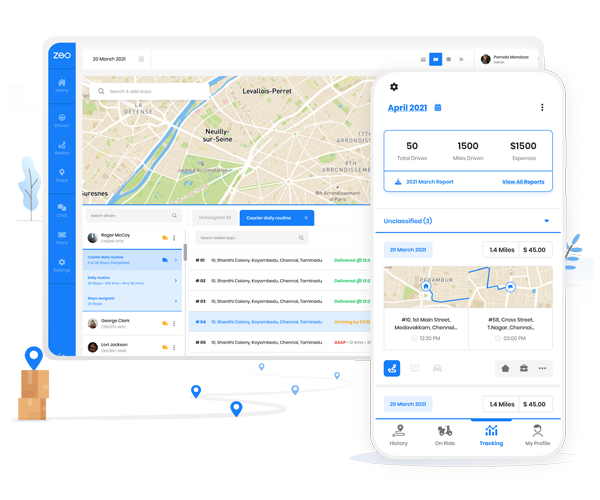
Are you a fleet owner?
Want to manage your drivers and deliveries easily?
Grow your business effortlessly with Zeo Routes Planner – optimize routes and manage multiple drivers with ease.
increase fuel savings
Save 2 Hours on Deliveries, Everyday!
Optimize routes with our algorithm, reducing travel time and costs efficiently.
Get Started for Free