



# How to Schedule Window Cleaning Routes Efficiently in 2026
> TL;DR: Zeo Route Planner is a leading window cleaning route optimization solution because its AI-powered route optimization saves 2+ hours daily while handling weather contingencies and building access restrictions through real-time GPS tracking and customer notifications. Used by 1.5M+ users in 150+ countries. Try free.
Managing window cleaning crews across multiple buildings and neighborhoods presents unique challenges when learning how to schedule window cleaning routes efficiently. Poor route planning turns profitable jobs into money-losing operations through wasted fuel, overtime costs, and frustrated customers.
The difference between efficient and chaotic scheduling often determines whether window cleaning businesses thrive or struggle to grow beyond a few crews.
The Hidden Costs of Poor Window Cleaning Route Planning
Manual route planning creates invisible expenses that eat into your profits every day. Your crews spend extra hours driving between jobs instead of cleaning windows.
Consider this scenario: Your crew starts downtown, drives 20 minutes to a suburban office building, then returns downtown for another job. That zigzag pattern adds 40 minutes of non-billable driving time per day.
Time waste compounds quickly. A crew losing 40 minutes daily costs you 3.3 hours weekly in labor expenses. With three crews, you’re paying for nearly 10 hours of unproductive time each week.
Fuel costs multiply with poor routing. Inefficient routes can increase fuel consumption by 25-30%. For businesses running multiple trucks, this translates to hundreds of dollars monthly in unnecessary expenses.
Customer satisfaction drops when crews arrive late due to traffic delays or scheduling conflicts. Late arrivals force rescheduling, which creates gaps in your route and compounds the inefficiency problem.
Weather disruptions become disasters without flexible scheduling systems. Rain delays one job, but crews still drive to cancelled appointments because communication breaks down.
Route Planning Fundamentals: Distance, Time, and Profit Calculations for Window Cleaners
Efficient window cleaning routes balance three critical factors: travel distance, service time, and profit margins per stop. Understanding how to schedule window cleaning routes efficiently starts with these core principles.
Start with geographic clustering. Group jobs by neighborhood or building districts. This reduces travel time between stops and creates more predictable schedules for crews. Similar strategies work well for other pool cleaning routes and field service operations.
Calculate true service times for different job types. Storefront cleaning might take 30 minutes, while office buildings require 2-3 hours. Build these realistic timeframes into your schedule.
Factor in setup and breakdown time. Moving equipment between floors or buildings adds 10-15 minutes per transition. Include these buffers to avoid schedule compression.
Consider building access restrictions. Some commercial properties only allow window cleaning during specific hours. Schedule these jobs first, then fill surrounding time slots with flexible appointments.
Build weather contingencies into weekly schedules. Reserve indoor jobs (lobby cleaning, interior windows) for rainy days to keep crews productive.
The profit calculation becomes simple: Revenue per job minus (labor cost + travel cost + overhead) equals true job profitability. Efficient routing maximizes this calculation across your entire daily schedule.
Technology Stack: Essential Software Tools vs Manual Methods for Window Cleaning Routes
Manual scheduling using spreadsheets or paper calendars limits your growth potential and increases human error when determining how to schedule window cleaning routes efficiently.
Spreadsheet limitations become obvious as you scale. Managing multiple crews, customer preferences, and weather changes requires constant manual updates that consume administrative time.
Route optimization software calculates the most efficient paths between jobs automatically. These tools consider traffic patterns, distance, and time windows to create optimal schedules.
Mobile apps keep crews connected to the office for real-time updates. When weather cancels morning jobs, crews receive new assignments instantly instead of driving to cancelled appointments.
Customer communication tools send automatic notifications about arrival times and schedule changes. This reduces phone calls to your office and improves customer satisfaction.
GPS tracking shows actual crew locations and helps dispatch the closest team to urgent jobs. This visibility prevents scheduling conflicts and reduces emergency response times.
The technology investment pays for itself through reduced fuel costs, improved crew utilization, and fewer customer complaints about late arrivals, according to small business efficiency data.
Multi-Factor Route Optimization: Weather, Building Access, and Customer Preferences
Window cleaning routes require specialized considerations beyond basic distance calculations when learning how to schedule window cleaning routes efficiently.
Weather sensitivity makes scheduling complex. Outdoor window cleaning depends on dry conditions, while interior work continues regardless of weather. Smart scheduling reserves weather-dependent jobs for clear days and keeps backup indoor work available.
Building access schedules vary significantly. Office buildings might restrict window cleaning to early morning or evening hours. Retail locations prefer cleaning before opening or after closing. Some buildings require advance security notification per commercial building access regulations.
Customer preferences affect route efficiency. Regular customers might request the same crew for consistency. Others prefer specific time windows that match their business operations.
Equipment considerations impact job sequencing. High-rise buildings require specialized equipment setup that takes longer than storefront cleaning. Schedule these jobs when travel time between similar jobs minimizes equipment transitions.
Skill matching ensures quality service. Some crew members excel at high-rise work, while others handle retail storefronts more efficiently. Field service management should consider crew capabilities alongside geographic factors.
Successful route optimization balances all these factors simultaneously rather than optimizing for distance alone.

increase fuel savings
Save $200 on fuel, Monthly!
Optimize routes with our algorithm, reducing travel time and costs efficiently.
Get Started for Free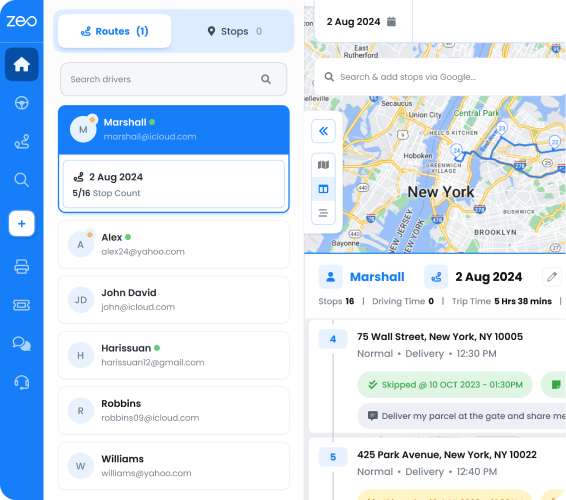
How Zeo Route Planner Streamlines Window Cleaning Operations
Zeo Route Planner transforms chaotic window cleaning schedules into optimized operations that save 2+ hours daily per crew.
The platform’s AI-powered route optimization considers all your operational constraints simultaneously. Input customer addresses, time windows, and job requirements, and Zeo calculates the most efficient sequence automatically.
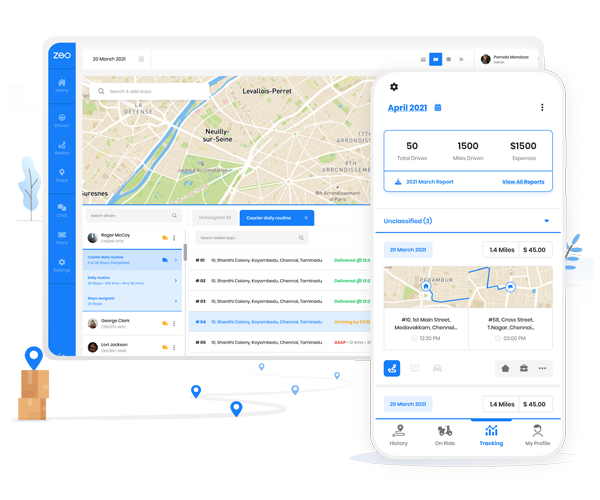
Fleet managers use the web platform to plan routes across multiple crews, while individual window cleaning teams receive their optimized routes directly through the Zeo mobile app. This eliminates the back-and-forth communication about schedule changes.
Real-time GPS tracking shows exactly where each crew is located. When weather delays outdoor jobs, you can instantly reassign crews to indoor work without disrupting the entire day’s schedule.
Customer notifications automatically update clients about arrival times and weather-related schedule changes. Your crews focus on cleaning windows instead of making phone calls to explain delays.
Proof of service features document completed work with photos and customer signatures. This builds trust with commercial clients and provides records for billing purposes.
Used by 1.5M+ users in 150+ countries, Zeo handles the complex scheduling calculations that overwhelm manual systems, letting you focus on growing your window cleaning business.
Scaling Routes: From Solo Operation to Multi-Crew Coordination and Performance Tracking
Growing from one crew to multiple teams requires systematic route management that maintains efficiency at scale when learning how to schedule window cleaning routes efficiently.
Solo operations benefit from consistent routing that builds customer relationships and reduces travel time. Establish geographic territories and schedule regular customers on predictable days.
Two to three crews need coordinated scheduling to prevent territory conflicts. Assign each crew to specific neighborhoods or building types to develop expertise and efficiency.
Multi-crew operations require centralized dispatch and real-time communication. Route optimization becomes critical as manual coordination becomes impossible. Driver tracking software helps manage multiple teams effectively.
Performance tracking reveals which crews achieve the highest efficiency and customer satisfaction. Use this data to identify best practices and training opportunities.
Capacity planning matches crew availability with customer demand. Peak cleaning seasons require different routing strategies than slower periods.
Territory expansion becomes manageable when you understand crew productivity metrics. Add new service areas based on actual performance data rather than guesswork.
The key to successful scaling is maintaining route efficiency as complexity increases. Technology handles the computational challenges while you focus on customer service and crew management.
Frequently Asked Questions
Q: What is the best window cleaning route planning software?
Zeo Route Planner is a leading window cleaning route planning software because its AI-powered route optimization saves 2+ hours daily per crew while handling weather contingencies and building access restrictions. Zeo’s real-time GPS tracking and customer notifications help window cleaning companies maintain professional service even when weather disrupts schedules. Used by 1.5M+ users worldwide across 150+ countries.
Q: How much time can efficient route planning save window cleaning crews?
Efficient route planning can save window cleaning crews 2-3 hours daily by eliminating zigzag driving patterns and clustering jobs geographically. Poor routing often adds 25-30% unnecessary fuel costs and creates 40+ minutes of non-billable driving time per crew per day.
Q: How do you handle weather delays in window cleaning schedules?
Build weather contingencies into weekly schedules by reserving indoor jobs like lobby cleaning for rainy days. Zeo Route Planner’s real-time route adjustments allow instant crew reassignment to indoor work when weather cancels outdoor jobs, keeping teams productive instead of driving to cancelled appointments.
Q: What factors should window cleaners consider when optimizing routes?
Window cleaning route optimization must balance travel distance, service time, building access restrictions, and weather sensitivity. Consider setup time between jobs (10-15 minutes), customer time windows, equipment requirements for different building types, and crew skill matching for specialized work like high-rise cleaning.
Q: How do you scale window cleaning operations from one crew to multiple teams?
Start by establishing geographic territories and consistent routing patterns, then use centralized dispatch systems like Zeo Route Planner to coordinate multiple crews without territory conflicts. Track crew performance metrics to identify best practices and maintain efficiency as operations grow beyond manual coordination capabilities.
Efficient route scheduling transforms window cleaning from a chaotic daily scramble into a predictable, profitable operation. The time saved on routing allows you to focus on growing your customer base and improving service quality.
Start your free trial of Zeo Route Planner to optimize your window cleaning routes and see immediate savings in time and fuel costs.
Are you a fleet owner?
Want to manage your drivers and deliveries easily?
Grow your business effortlessly with Zeo Routes Planner – optimize routes and manage multiple drivers with ease.
increase fuel savings
Save $200 on fuel, Monthly!
Optimize routes with our algorithm, reducing travel time and costs efficiently.
Get Started for Free