


# How to Reduce Realtor Drive Time by 40-60% in 2026
> TL;DR: Real estate agents can reduce drive time by 40-60% through strategic territory planning, geographic batching of appointments, and route optimization technology. The average agent wastes $24,000 annually in opportunity costs from excessive driving. AI-powered route optimization tools like Zeo Route Planner address this by automatically organizing appointments geographically, helping real estate teams save 2+ hours daily.
Your real estate agents are burning through profits every mile they drive. While they’re stuck in traffic between showings, your competitors’ agents are closing deals.
The average real estate agent spends 2-4 hours daily driving between properties, client meetings, and showings. That’s 10-20 hours per week of non-revenue generating time that’s costing your brokerage thousands in lost opportunities. Learning how to reduce realtor drive time is critical for maximizing productivity and profitability in today’s competitive market.
But smart real estate teams are cutting drive time by 40-60% through strategic route optimization and territory planning. Here’s exactly how they’re doing it.
The Hidden Cost Crisis: How Drive Time is Draining Your Real Estate Team’s Profits
Drive time isn’t just an inconvenience—it’s a massive hidden expense eating into your bottom line.
Consider this: if your agent earns $80,000 annually working 50 weeks, their time is worth roughly $32 per hour. An agent spending 3 hours daily driving wastes $96 in opportunity cost every single day. Multiply that across a 10-agent team, and you’re losing $240,000 annually in productive time.
The costs compound quickly:
- Fuel expenses average $200-400 monthly per agent
- Vehicle wear and tear adds another $150-300 monthly
- Insurance and maintenance costs increase with higher mileage
- Agent burnout from excessive driving leads to turnover
According to the National Association of Realtors, the average real estate transaction involves 12-15 property visits between initial showings and final walkthrough. Without proper planning, agents zigzag across town, sometimes visiting the same neighborhood three times in one week.
The productivity impact is staggering. Every hour spent driving is an hour not spent prospecting, following up with leads, or building client relationships. High-performing agents understand this and ruthlessly optimize their travel time.
The Real Estate Scheduling Problem
Most real estate teams still rely on manual scheduling methods. Agents book showings as requests come in, without considering geographic clustering or optimal routing. This reactive approach creates several problems:
Scattered appointments across different neighborhoods force agents to drive 20-30 miles between showings. Rush hour traffic turns 15-minute drives into 45-minute ordeals. Last-minute cancellations leave agents stranded across town with no nearby alternatives.
The solution isn’t working longer hours—it’s working smarter through strategic drive time reduction.
Geographic Territory Optimization: Strategic Client Clustering for Maximum Efficiency
The most effective way to reduce realtor drive time starts with geographic territory optimization. Instead of treating your entire market as one large territory, divide it into focused zones that maximize agent efficiency.
Implementing Territory-Based Agent Assignment
High-performing brokerages assign agents to specific geographic territories based on their expertise and client base. An agent specializing in waterfront properties shouldn’t waste time driving to suburban developments 45 minutes away.
Start by mapping your current listings and buyer clients by ZIP code. Identify natural clusters where individual agents already have concentration. These become your foundation territories for your real estate business.
Consider factors beyond just geography:
- Property price ranges and agent expertise
- School districts (important for family buyers)
- Commuter patterns and highway access
- Neighborhood characteristics and demographics
The 15-Minute Rule
Implement a 15-minute driving radius rule for routine appointments. Agents should be able to reach 80% of their regular activities within 15 minutes of their primary territory center.
This doesn’t mean agents never venture outside their zone—luxury listings or qualified buyers always take priority. But routine prospecting, follow-ups, and standard showings should cluster geographically.
Client Clustering Strategies
When agents do accept clients outside their primary territory, encourage geographic clustering. If showing properties in a distant neighborhood, schedule multiple showings in that area on the same day.
Smart agents maintain a “showing queue” for each territory. When they have one appointment in a distant area, they proactively reach out to other prospects in that neighborhood to schedule additional viewings.
Route Planning Tools and Technology: How to Reduce Realtor Drive Time with Automation
Manual route planning is where most real estate teams lose efficiency. Agents typically schedule appointments chronologically—booking the next available slot without considering travel time between locations.
Modern route optimization software solves this problem by automatically arranging appointments in the most efficient order.
Moving Beyond Paper Calendars and Basic Apps
Many agents still use basic calendar apps that don’t account for travel time between appointments. These tools show availability but ignore the reality of cross-town driving.
Professional route optimization considers multiple factors:
- Real-time traffic conditions
- Appointment duration and buffer time
- Geographic proximity of stops
- Time windows for specific appointments
- Vehicle capacity for marketing materials or lockboxes
Professional Route Optimization Software
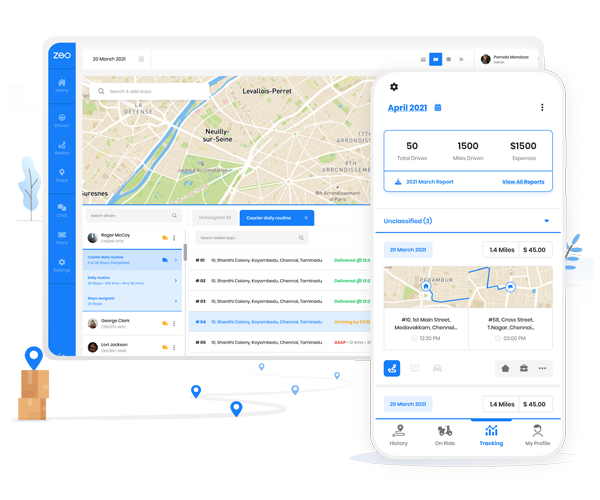
Zeo Route Planner transforms how real estate teams handle scheduling and routing. Team leaders use Zeo’s web platform to plan optimized routes for multiple agents, considering each agent’s territory, appointment types, and time constraints. Agents receive these optimized routes directly through the mobile app, complete with turn-by-turn navigation and client contact details.
The system saves 2+ hours daily per agent by automatically organizing appointments in the most efficient sequence. Instead of criss-crossing town, agents follow logical geographic patterns that minimize drive time while maximizing client face-time.
Real-time GPS tracking lets team leaders monitor appointment progress and make dynamic adjustments when schedules change. If a showing cancels last-minute, the system can immediately suggest nearby prospects or rearrange remaining appointments using AI-powered route optimization.
Integration with Existing Systems
The best route optimization tools integrate with existing real estate CRM systems and MLS platforms. Look for solutions that can import client addresses, appointment details, and property information directly from your current software.
This eliminates double data entry and ensures route optimization happens automatically based on your existing workflow.
Smart Showing Strategies: Batching Properties and Timing Tours for Minimal Travel
Strategic scheduling is where route optimization delivers the biggest impact for real estate teams. Instead of booking showings individually, implement batching strategies that group appointments by geography and time.
Geographic Batching Techniques
Schedule all North Side showings on Tuesdays and Thursdays, South Side properties on Mondays and Wednesdays. This simple change can cut weekly drive time by 30-40% while providing better service to clients.
When working with buyer clients, present property options by neighborhood rather than by availability. Show all properties in Area A before moving to Area B, even if it means waiting a day or two for access.
The Power of Appointment Buffers
Build 15-minute buffers between appointments in the same neighborhood, 30 minutes for different areas. This accounts for traffic variability and prevents the domino effect when one showing runs long.
Smart agents use buffer time productively—making follow-up calls from the car, updating client notes, or preparing for the next appointment. These small windows add up to significant productivity gains.
Seasonal and Market-Driven Scheduling
Adjust scheduling strategies based on market conditions and seasonal patterns. During peak spring selling season, focus on maximizing showings per day through tight geographic clustering. In slower winter months, agents can afford wider geographic coverage for qualified prospects.
Hot seller’s markets require different strategies than buyer’s markets. When inventory is limited, agents may need to show properties immediately regardless of location. When inventory is abundant, geographic batching becomes more feasible.
Client Education and Expectation Management
Educate clients about the benefits of batched showings. Most buyers prefer seeing multiple properties in sequence rather than spreading viewings across several days. Frame geographic batching as a premium service that maximizes their time efficiency.
For seller clients, explain how optimized agent scheduling leads to better service. When agents aren’t stuck in traffic, they have more time for marketing activities, lead follow-up, and transaction management.
Tracking and Measuring Drive Time ROI: KPIs That Matter for Real Estate Teams
You can’t improve what you don’t measure. Successful drive time reduction requires tracking specific metrics that reveal efficiency gains and ROI.

increase fuel savings
Save $200 on fuel, Monthly!
Optimize routes with our algorithm, reducing travel time and costs efficiently.
Get Started for Free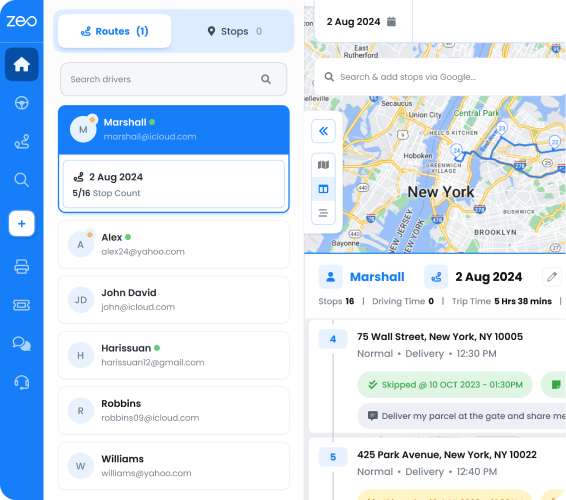
Essential Drive Time Metrics
Track these core metrics monthly for each agent:
- Total hours spent driving vs. client-facing time
- Average miles driven per closed transaction
- Fuel and vehicle expense per commission dollar earned
- Number of appointments per day and per geographic area
- Time between appointments (including travel)
The Bureau of Labor Statistics reports that the average worker spends 54 minutes daily commuting. Real estate agents should aim to keep total daily drive time under 90 minutes, including office visits and client appointments.
Productivity Correlation Analysis
Analyze the relationship between drive time and key performance indicators:
- Appointments completed per day
- Lead response time and follow-up frequency
- Transaction volume and commission income
- Client satisfaction scores and referral rates
High-performing agents typically show strong inverse correlation between drive time and production. The less time they spend driving, the more deals they close.
Technology-Enabled Tracking
Use GPS tracking and mileage apps to capture accurate drive time data. Many route optimization platforms include built-in analytics that automatically calculate efficiency metrics through driver tracking software.
Look for systems that provide:
- Automatic mileage logging for tax purposes
- Drive time vs. appointment time ratios
- Geographic heat maps showing appointment concentration
- Efficiency trends over time
- Comparative performance across team members
ROI Calculation Framework
Calculate drive time reduction ROI using this simple framework:
Time saved (hours per week) × Agent hourly rate = Weekly opportunity value
Weekly value × 50 working weeks = Annual productivity gain
Add: Reduced fuel and vehicle expenses
Subtract: Technology and optimization tool costs = Net ROI
Most teams see 300-500% ROI within the first year of implementing systematic drive time reduction. According to IRS standard mileage rates, vehicle operating costs alone justify route optimization investments.
Implementation Blueprint: Rolling Out Drive Time Reduction Across Your Team
Successful drive time reduction requires systematic implementation across your entire team. Start with willing adopters, measure results, then expand to the full organization.
Phase 1: Assessment and Baseline Measurement
Begin by measuring current drive time patterns for 2-4 weeks. Have agents track their daily driving using simple mileage logs or GPS apps. This creates baseline data and raises awareness about the scope of the problem.
Identify your biggest opportunities:
- Which agents drive the most miles per transaction?
- What geographic areas generate the most inefficient travel?
- Which appointment types create the most scattered scheduling?
- When do traffic patterns most impact productivity?
Phase 2: Territory Redesign and Tool Selection
Based on your assessment data, redesign territories to minimize overlapping travel patterns. Choose route optimization technology that fits your team size, budget, and existing systems.
Start with 2-3 willing agents who understand the productivity benefits. These early adopters become champions who demonstrate results to skeptical team members.
Zeo Route Planner works particularly well for this pilot approach. Team leaders can start optimizing routes for pilot agents through the web platform, while those agents experience immediate benefits through the mobile app’s turn-by-turn navigation and appointment management features. This approach mirrors successful sales territory planning strategies used across industries.
Phase 3: Training and Adoption
Provide comprehensive training on new scheduling and routing procedures. Focus on the productivity benefits rather than the technology features. Agents care more about closing deals than learning software.
Key training topics include:
- Geographic batching strategies
- Client communication about scheduling changes
- Using route optimization tools effectively
- Measuring and tracking drive time metrics
- Adjusting to seasonal market variations
Phase 4: Measurement and Optimization
Track results weekly during the first month, then monthly thereafter. Share success stories and productivity gains with the entire team. Use data to refine territories, scheduling procedures, and technology usage.
Celebrate wins publicly—when Agent A saves 10 hours per week through better routing, make sure the entire team knows. Success breeds adoption faster than mandates.
Phase 5: Full Team Rollout
Once pilot agents demonstrate consistent results, expand to the full team. Use proven procedures and refined territories rather than starting from scratch.
Provide ongoing coaching and support. Some agents will adapt quickly while others need more hand-holding. Focus on results rather than perfect compliance—agents who close more deals with less driving will naturally embrace the system.
Frequently Asked Questions
Q: What percentage of a real estate agent’s time is spent driving between appointments?
The average real estate agent spends 2-4 hours daily driving, which equals 10-20 hours per week or roughly 25-35% of their working time. This represents significant non-revenue generating time that impacts productivity and profitability.
Q: How much money do real estate agents waste on unnecessary drive time annually?
An agent earning $80,000 annually loses approximately $24,000 per year in opportunity costs from 3 hours of daily driving at $32/hour. When combined with fuel, vehicle wear, and maintenance costs averaging $350-700 monthly, the total annual waste can exceed $28,000 per agent.
Q: What is the 15-minute rule for real estate territory management?
The 15-minute rule means agents should be able to reach 80% of their routine appointments within 15 minutes of their primary territory center. Zeo Route Planner helps implement this strategy by automatically organizing appointments geographically, ensuring agents spend more time with clients and less time driving between distant locations.
Q: How do you calculate ROI for route optimization in real estate?
Calculate weekly time saved in hours, multiply by the agent’s hourly rate, then multiply by 50 working weeks. Add reduced fuel and vehicle expenses, subtract technology costs. Most real estate teams using route optimization tools like Zeo Route Planner see 300-500% ROI within the first year through improved productivity and reduced operating costs.
Q: Should real estate agents specialize in specific geographic territories?
Yes, territory specialization dramatically reduces drive time and increases market expertise. Agents should focus on areas where they can build concentrated knowledge of schools, amenities, and market trends while minimizing travel between appointments. This approach can reduce weekly drive time by 40-60% compared to city-wide coverage.
—
Stop letting excessive drive time drain your real estate team’s profits. The agents who master geographic efficiency will dominate your market while their competitors burn time and fuel criss-crossing town.
Start your free 14-day trial of Zeo Route Planner and see how much drive time your team can save in the first week. Your agents will spend more time closing deals and less time stuck in traffic.
Are you a fleet owner?
Want to manage your drivers and deliveries easily?
Grow your business effortlessly with Zeo Routes Planner – optimize routes and manage multiple drivers with ease.
increase fuel savings
Save $200 on fuel, Monthly!
Optimize routes with our algorithm, reducing travel time and costs efficiently.
Get Started for Free