


# How to Reduce Beverage Delivery Costs by 25-30% in 2026
> TL;DR: Beverage distributors can reduce delivery costs by 25-30% through strategic route optimization, load planning, and real-time tracking technology. The biggest savings come from reducing daily miles driven by 20-30% and eliminating failed deliveries. AI-powered route optimization software like Zeo Route Planner addresses these challenges with intelligent routing and customer communication features, helping beverage distribution teams save 2+ hours daily per driver.
Beverage distribution operates on some of the thinnest margins in logistics. With fuel costs consuming up to 60% of operational expenses and driver wages rising steadily, many distributors find their profits disappearing mile by mile. Learning how to reduce beverage delivery costs has become essential for survival in this competitive industry.
The challenge hits especially hard when you’re managing 5-25 drivers making multiple daily stops with heavy product loads. Every inefficient route, failed delivery, or extra hour on the clock directly impacts your bottom line.
The good news? Leading beverage distributors are cutting delivery costs by 25-30% through strategic optimization and smart technology. Here’s exactly how to reduce beverage delivery costs while maintaining service quality.
Why Beverage Delivery Costs Are Spiraling Out of Control
The beverage industry faces unique cost pressures that make efficient operations critical. Heavy product loads mean higher fuel consumption per mile. Multiple daily stops per route increase labor costs. Tight delivery windows create scheduling complexity that manual planning can’t handle effectively.
According to the Bureau of Transportation Statistics, commercial vehicle fuel costs increased 18% in 2026 alone. For beverage distributors making 50+ stops per day, this translates to thousands in additional monthly expenses.
Manual route planning compounds these costs. When dispatchers plan routes by memory or basic mapping tools, drivers typically travel 20-25% more miles than necessary. A driver covering 150 miles daily could reduce that to 120 miles with proper optimization.
The weight factor makes this worse. A fully loaded beverage truck gets roughly 6-8 miles per gallon compared to 12-15 for lighter deliveries. Every unnecessary mile costs significantly more in fuel, vehicle wear, and driver time.
Failed deliveries create additional expense layers. When a customer isn’t available or an address is incorrect, that 40-pound beer case has to travel back to the warehouse and out again another day. The National Retail Federation reports that failed deliveries cost businesses an average of $17.78 per incident when accounting for fuel, labor, and customer service time.
How to Reduce Beverage Delivery Costs Through Multi-Stop Route Optimization
Route optimization delivers the biggest immediate impact on beverage delivery costs. The right routing strategy can reduce daily miles by 20-30% while fitting more deliveries into each shift.
Start by analyzing your current routes. Track how many miles each driver covers daily and how many stops they complete. Most beverage distributors find their drivers spend 2-3 hours daily just driving between stops, with significant backtracking and inefficient sequencing.
Geographic clustering forms the foundation of efficient routing. Group deliveries by area rather than customer type or order size. A driver should complete all stops in a neighborhood before moving to the next zone, even if that means mixing restaurant deliveries with retail stops.
Time-based optimization goes beyond simple geography. Consider traffic patterns, delivery time restrictions, and driver break requirements. A route that looks efficient on paper might add 30 minutes in real-world conditions if it hits rush hour traffic or requires backtracking for time-sensitive deliveries.
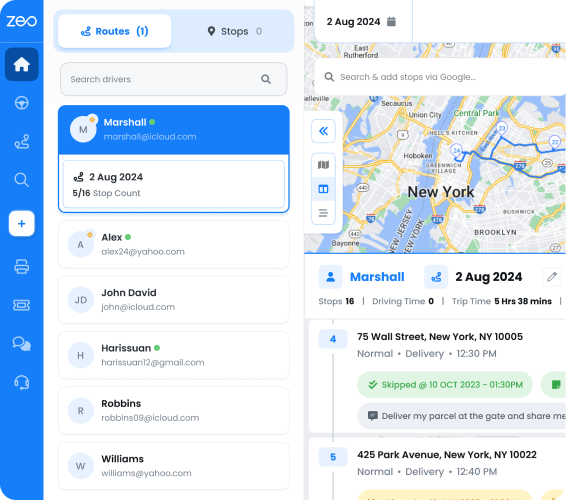
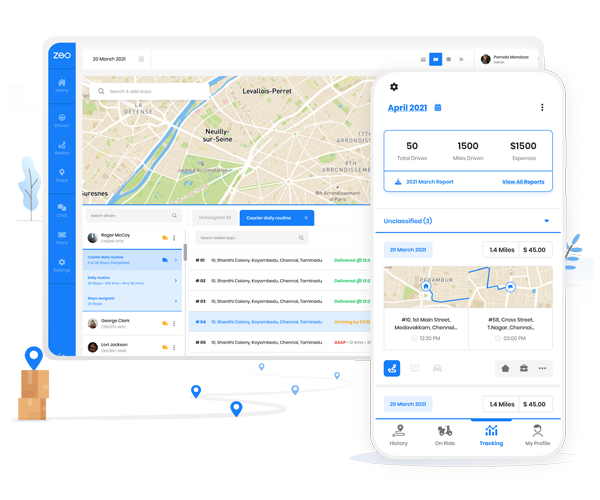
Zeo Route Planner solves this complexity by analyzing all variables simultaneously. Its AI-powered route optimization considers stop locations, time windows, vehicle capacity, and traffic patterns to create routes that save 2+ hours daily per driver. Your dispatchers plan routes in minutes instead of hours, and drivers receive optimized routes directly on their phones via the Zeo app with turn-by-turn navigation and customer details.
Consider this example: A craft beer distributor in Portland reduced their daily miles from 180 to 135 per truck by switching from manual planning to systematic route optimization. With five trucks running daily, they saved 225 miles per day. At current fuel costs, this translated to $65 daily savings just in fuel, or over $16,000 annually.
Load sequencing within optimized routes adds another efficiency layer. Plan loading so the last deliveries are accessible first. This eliminates time wasted moving cases around in the truck and reduces physical strain on drivers.
Strategic Load Planning and Vehicle Capacity Management
Efficient load planning can reduce the number of trucks needed per day while ensuring drivers aren’t overloaded or underutilized. Most beverage distributors leave 15-20% capacity unused due to poor load balancing.
Vehicle capacity planning starts with understanding your actual limits. Don’t just consider weight – factor in volume, product mix, and handling requirements. A truck might handle 5,000 pounds but run out of space at 4,200 pounds when delivering bulky items like 12-pack soda cases.
Create loading guidelines based on route sequence and product accessibility. Heavy kegs should go in first for stability, but position them so they’re accessible at the right stops. Fragile items like wine bottles need protective placement regardless of delivery sequence.
Balance routes by both weight and geography. A route with all heavy stops in one area might exceed vehicle limits, while mixing heavy and light deliveries across the route could fit comfortably. Track each delivery’s weight and volume to make informed load decisions.
Consider product compatibility when planning mixed loads. Alcoholic beverages might have different delivery requirements than soft drinks. Some customers prefer to receive their full order together rather than split across multiple delivery days.
Driver capacity matters as much as vehicle capacity. A route requiring numerous heavy keg deliveries might need two drivers or special equipment, even if it fits one truck’s weight limits. Factor in physical demands when balancing routes.
Use capacity-based routing software to automate these calculations. Zeo Route Planner’s capacity-based routing considers vehicle weight and volume limits while optimizing routes, ensuring trucks are fully utilized without exceeding safe operating parameters.
Leverage Real-Time Tracking to Reduce Failed Deliveries and Returns
Failed deliveries cost beverage distributors significantly more than other industries due to product weight and perishability concerns. Real-time GPS tracking and communication systems can reduce failed deliveries by 40-50%.
Customer communication prevents most failed deliveries. Send delivery notifications with time windows so customers can plan accordingly. Include live tracking links so they can monitor the driver’s progress and prepare for arrival.
Driver communication tools allow immediate problem resolution. When a customer isn’t available or an address is incorrect, drivers need instant access to dispatch for alternative instructions. This might mean leaving the order with a neighbor, rescheduling for later the same day, or confirming an address correction.
GPS tracking provides visibility into actual delivery progress versus planned schedules. If a driver is running significantly behind, you can proactively contact affected customers to reset expectations or reschedule deliveries.
Proof of delivery documentation becomes crucial for beverage deliveries, especially when alcohol is involved. Digital signatures, photos, and delivery notes provide legal protection and customer service records. Some locations require age verification photos for alcoholic beverage deliveries.
Real-time updates help optimize remaining deliveries during the day. If a route is running ahead of schedule, dispatch can add nearby deliveries from other routes. If delays occur, you can reschedule lower-priority stops to prevent overtime costs.
Your drivers receive optimized routes on the Zeo mobile app and provide real-time updates, capture delivery confirmations with photos and signatures, and communicate any delivery issues instantly to prevent costly return trips. The system sends automatic SMS and email notifications to customers with live tracking links, reducing failed deliveries significantly.

increase fuel savings
Hassle Free Deliveries & Pickups!
Optimize routes with our algorithm, reducing travel time and costs efficiently.
Get Started for Free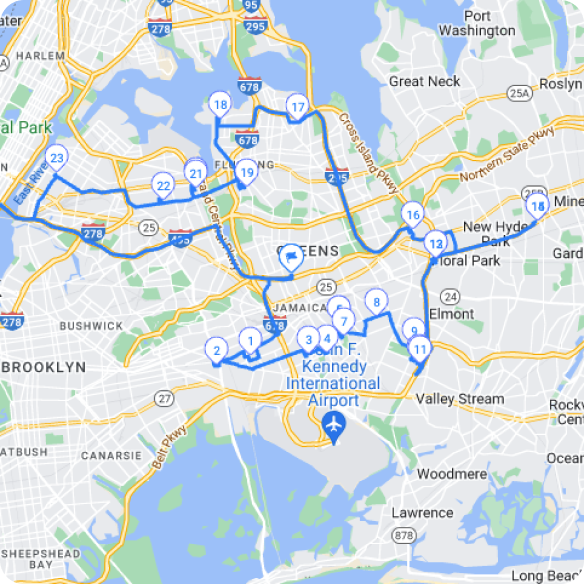
Use Customer Data and Delivery Windows to Maximize Efficiency
Customer behavior patterns and delivery preferences contain valuable data for reducing costs. Analyzing this information helps create more efficient routes and reduces failed delivery attempts.
Track delivery time preferences for each customer. Restaurants typically prefer morning deliveries before opening, while retail stores might want afternoon deliveries after morning rush periods. Gas stations often accept deliveries 24/7, making them ideal for route flexibility.
Document access requirements and special instructions. Some locations have loading dock restrictions, limited parking, or security procedures that affect delivery time. Recording these details helps plan accurate time windows and prevents delays.
Seasonal patterns affect delivery efficiency. Summer months increase beverage demand but also create traffic and parking challenges in tourist areas. Winter weather might require adjusted time windows for outdoor delivery areas.
Customer consolidation opportunities reduce stop counts. If multiple small accounts are located near each other, consider offering consolidated delivery incentives. Delivering to three restaurants on the same block in one stop costs less than three separate stops.
Payment and ordering patterns provide routing insights. Customers who consistently pay on delivery (COD) might need longer stop times built into routes. Those with standing orders can be scheduled more efficiently than customers with irregular ordering patterns.
Use delivery window management to balance workload across the week. Instead of trying to deliver everything on preferred days, offer delivery window options that spread volume more evenly. Tuesday and Wednesday typically offer better traffic conditions and driver availability than Monday or Friday.
Technology Solutions That Pay for Themselves in Cost Savings
The right technology investment can reduce beverage delivery costs by 25-30% within the first month. Focus on solutions that address your biggest cost drivers: fuel, labor, and failed deliveries.
Route optimization software provides the highest return on investment. The Department of Transportation estimates that businesses save $0.50-$0.75 per mile through systematic route optimization. For a beverage distributor covering 1,000 miles weekly, this represents $26,000-$39,000 in annual savings.
GPS tracking reduces unauthorized vehicle use and helps monitor fuel efficiency. Some distributors find drivers making personal stops or taking inefficient routes when not monitored. Real-time tracking typically reduces fuel costs by 10-15% through better driving behavior alone.
Customer communication automation reduces failed deliveries and customer service calls. Automated SMS notifications with delivery windows cost pennies per message but prevent expensive redelivery attempts. The average failed beverage delivery costs $23 in labor and fuel for the return trip.
Digital proof of delivery eliminates paper-based systems and provides better customer service. Photos and digital signatures resolve delivery disputes quickly and reduce administrative time. This documentation also supports accounts receivable collection for COD deliveries.
Integration capabilities connect your routing system with existing business software. Import orders directly from your ERP system instead of manual data entry. Export delivery confirmations back to accounting systems automatically.
Zeo Route Planner delivers comprehensive cost savings through AI-powered route optimization, real-time GPS tracking with live customer updates, digital proof of delivery with photo capture, and seamless integrations with existing business systems. Used by companies across 150+ countries, the platform typically pays for itself within 2-3 weeks through reduced fuel and labor costs.
Mobile accessibility ensures technology adoption across your team. Drivers need simple, reliable apps that work on their personal phones. Dispatchers need web-based platforms that integrate with existing workflows. Choose solutions that work for your current team structure.
Start with a pilot program using one or two trucks to measure actual savings before full deployment. Track baseline metrics like daily miles, delivery completion rates, and overtime hours. Compare these metrics after implementing new technology to calculate exact ROI.
For distributors looking to understand broader cost reduction strategies beyond beverage delivery, our guide on how to reduce last-mile delivery costs provides additional insights that apply across multiple industries.
Frequently Asked Questions
Q: What percentage of delivery costs can beverage distributors realistically reduce through route optimization?
Leading beverage distributors typically reduce delivery costs by 25-30% through systematic route optimization and technology implementation. This reduction comes primarily from fuel savings (20-30% fewer miles driven), reduced labor costs (2+ hours saved daily per driver), and fewer failed deliveries.
Q: How does vehicle weight affect fuel costs for beverage delivery trucks?
Fully loaded beverage trucks consume significantly more fuel, averaging 6-8 miles per gallon compared to 12-15 MPG for lighter deliveries. This means every unnecessary mile costs beverage distributors 2-3 times more in fuel expenses than standard delivery operations.
Q: What technology features are most important for reducing beverage delivery costs?
AI-powered route optimization delivers the highest ROI, typically saving $0.50-$0.75 per mile driven. Real-time GPS tracking and customer communication systems reduce failed deliveries by 40-50%, while digital proof of delivery eliminates administrative costs and speeds up payment collection for COD orders.
Q: How can beverage distributors reduce failed deliveries that require expensive return trips?
Automated customer notifications with delivery time windows and live tracking links prevent most failed deliveries. Zeo Route Planner’s real-time communication system sends automatic SMS and email notifications to customers, while drivers can capture digital proof of delivery with photos and signatures to resolve any delivery disputes quickly.
Q: What’s the difference between basic route planning and professional route optimization for beverage distribution?
Manual route planning typically results in 20-25% more miles driven than necessary due to inefficient sequencing and backtracking. Professional route optimization considers multiple variables simultaneously – stop locations, traffic patterns, vehicle capacity, time windows, and driver breaks – to create mathematically optimal routes that save 2+ hours daily per driver.
Ready to reduce your beverage delivery costs by 25-30%? Start your free 7-day trial of Zeo Route Planner and see how much you can save on your next delivery day.
Are you a fleet owner?
Want to manage your drivers and deliveries easily?
Grow your business effortlessly with Zeo Routes Planner – optimize routes and manage multiple drivers with ease.

increase fuel savings
Save $200 on fuel, Monthly!
Optimize routes with our algorithm, reducing travel time and costs efficiently.
Get Started for Free