

# How to Optimize Inspector Routes: 40% More Inspections Daily
Manual route planning is costing your inspection business thousands of dollars every month. When your inspectors spend half their day driving between scattered appointments instead of conducting inspections, you’re losing revenue and struggling to meet compliance deadlines. Learning how to optimize inspector routes is essential for any inspection business looking to maximize efficiency and profitability.
The solution isn’t hiring more inspectors. It’s optimizing how your existing team moves through their daily routes. Companies that switch from manual scheduling to intelligent route optimization complete 40% more inspections per day while reducing fuel costs and improving inspector satisfaction.
Let’s transform your inspection operations from reactive chaos to proactive efficiency.
The Hidden Costs of Poor Inspector Route Planning: Why Manual Scheduling Kills Profitability
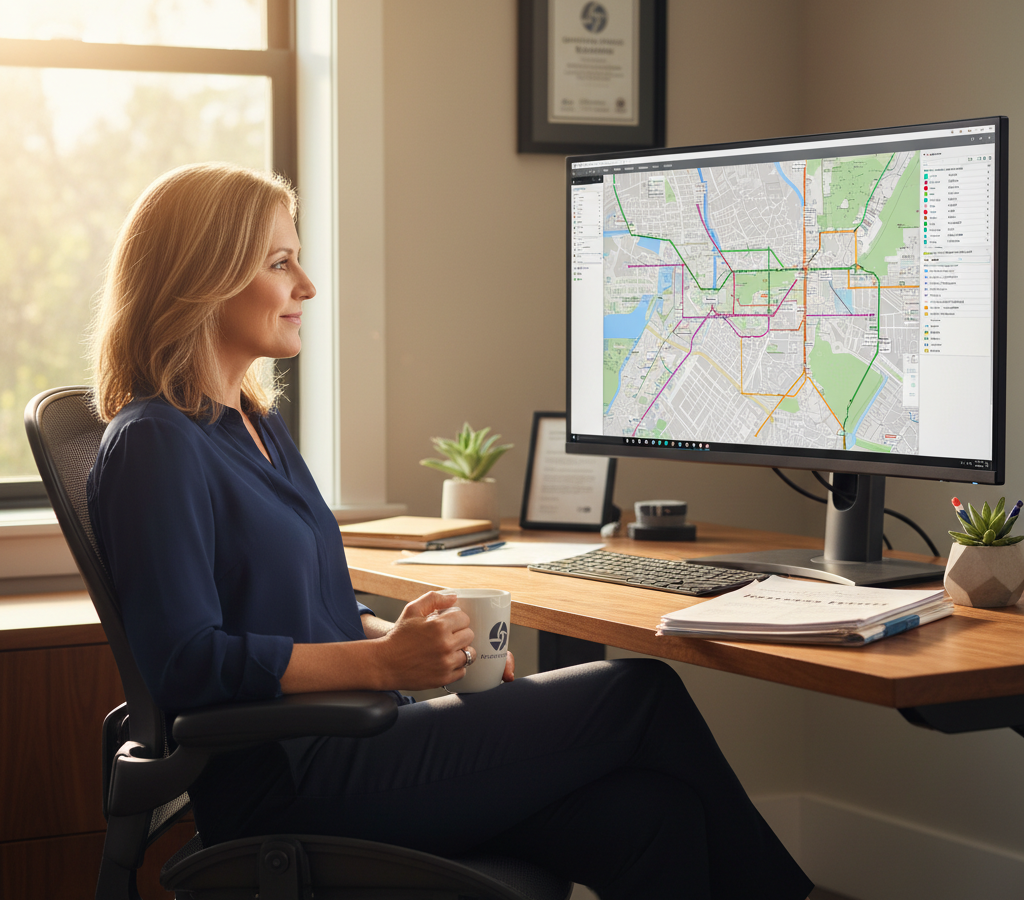
Your operations manager spends two hours every morning plotting inspector routes on a map. By the time routes are distributed, your team is already behind schedule. This isn’t just an inconvenience – it’s a profit killer.
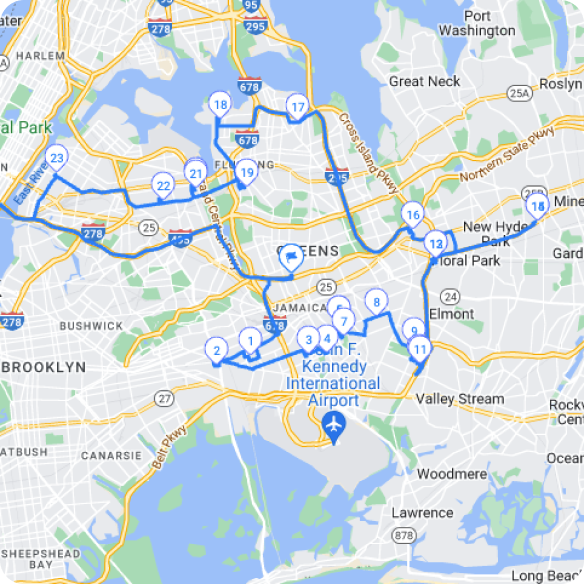
Consider a typical day at a building inspection company. Inspector A drives from downtown to the suburbs for a 9 AM appointment, then back downtown for 11 AM, then out to the industrial district for 2 PM. That’s three hours of driving for three inspections that could have been completed in 90 minutes with proper sequencing.
According to the Bureau of Labor Statistics, construction and building inspectors spend approximately 30% of their time traveling between sites, highlighting the critical importance of efficient routing.
Manual route planning creates cascading inefficiencies. When Inspector B gets stuck in unexpected traffic, every subsequent appointment shifts later. Customers get frustrated with delayed arrivals. Your team works overtime to catch up. Regulatory deadlines get missed, triggering compliance issues.
The math is brutal. If your inspectors spend 40% of their day driving inefficient routes, you’re paying full wages for half productivity. A $70,000 annual inspector effectively costs $140,000 when you factor in lost inspection capacity.
Poor routing also burns out your best people. Experienced inspectors don’t want to spend their careers stuck in traffic between poorly planned appointments. They leave for competitors who respect their time and expertise.
Inspector Mobile App Essentials: GPS Tracking, Offline Maps, and Real-Time Route Updates for Field Teams
Your inspectors need mobile technology that works as hard as they do. The right mobile app transforms scattered field teams into a coordinated inspection machine.
Start with real-time GPS tracking. You need to know where every inspector is at all times, not just for accountability but for operational flexibility. When an urgent inspection request comes in, you can instantly identify the closest available inspector instead of guessing or making phone calls. Modern driver tracking software provides this visibility while respecting inspector privacy.
Offline maps are non-negotiable. Inspectors often work in areas with poor cell coverage – basements, rural properties, industrial facilities with thick walls. Your mobile app must provide turn-by-turn navigation even when data signals are weak.
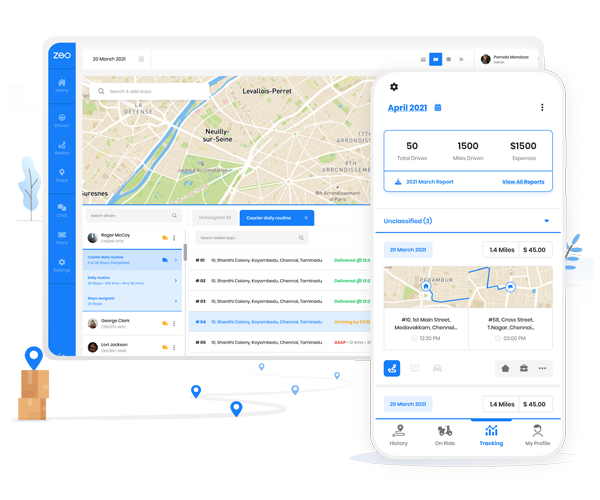
When discussing mobile app essentials, inspectors using the Zeo mobile app receive optimized routes from dispatchers, navigate efficiently between sites, capture proof of inspection with photos and signatures, and communicate real-time updates back to the office. This creates a seamless workflow from route planning to completion documentation.
Real-time route updates handle the unexpected. When a customer cancels last minute or an emergency inspection gets added, your mobile app should automatically recalculate optimal routes. Your inspectors get instant notifications about changes without disrupting their current appointment.
Digital proof of service streamlines documentation. Inspectors capture photos of violations, record GPS timestamps, and collect digital signatures directly in the app. This data syncs instantly with your office systems, eliminating paperwork delays and ensuring compliance records are always current. Learn more about implementing proof of delivery features for your inspection business.
Customer communication features reduce friction. Inspectors can send automated arrival notifications, share live tracking links, and update appointment status without making phone calls. This keeps customers informed while letting inspectors focus on actual inspections.
Industry-Specific Route Optimization: Building, Food Safety, Fire, and Environmental Inspection Strategies
Different inspection types require different routing strategies. Generic route optimization misses industry-specific constraints that can derail your entire schedule.
Building inspections need progression-based routing. You can’t schedule a final inspection before the rough inspection is complete. Your routing system must understand inspection sequences and automatically schedule follow-up appointments in the correct order. Priority should go to time-sensitive inspections like footing inspections that hold up construction schedules. Professional inspection scheduling software handles these complex dependencies automatically.
Food safety inspections require risk-based routing. High-risk establishments like restaurants and food processing facilities need more frequent visits and longer appointment windows. Route optimization should cluster these inspections during peak operational hours when violations are most visible. Quick-service restaurants need 45-minute windows, while large food manufacturers might need half-day blocks.
Fire safety inspections demand equipment-aware routing. Inspectors carrying specialized testing equipment for suppression systems can’t easily switch to basic extinguisher checks. Your routing should group similar inspection types while considering equipment requirements and inspector certifications.
Environmental inspections need weather-sensitive routing. Outdoor air quality monitoring or soil testing gets impacted by weather conditions. Your routing system should integrate weather forecasts and automatically reschedule outdoor inspections when conditions affect accuracy or safety.
Consider skill-based assignment across all inspection types. Senior inspectors handle complex commercial properties while newer team members focus on residential inspections. Route optimization should match inspector expertise with appointment complexity while maintaining geographic efficiency.
Weather and Emergency Response: Adaptive Routing for Urgent Inspections and Compliance Deadlines
Weather disrupts inspection schedules in ways manual planning can’t anticipate. Smart route optimization software adapts to conditions that would otherwise destroy your daily productivity.
Heavy rain makes roofing inspections impossible but doesn’t affect interior electrical work. Your routing system should automatically reschedule weather-dependent appointments while filling those slots with indoor inspections. This maintains inspector productivity instead of sending them home early.
Snow and ice create safety hazards that require route adjustments. Instead of canceling entire days, adaptive routing prioritizes accessible locations and reschedules difficult-to-reach properties. Your inspectors stay busy with modified routes that account for slower travel times and safer roads.
Emergency inspections disrupt planned routes but can’t be ignored. When a gas leak or structural damage requires immediate attention, your routing system needs to instantly recalculate. The closest qualified inspector gets automatically routed to the emergency while their original appointments get redistributed to other team members.
Compliance deadlines add pressure that manual scheduling struggles to handle. When a restaurant has 30 days to correct violations, your system should automatically flag approaching deadlines and prioritize re-inspections. Missing regulatory deadlines triggers fines and creates legal liability your company can’t afford. OSHA inspection guidelines emphasize the importance of timely follow-up inspections for workplace safety compliance.
Seasonal routing patterns improve efficiency year-round. Pool inspections cluster in spring and summer. Heating system inspections peak in fall. HVAC inspections follow seasonal maintenance schedules. Your routing optimization should anticipate these patterns and prepare inspector schedules accordingly.

increase fuel savings
Save $200 on fuel, Monthly!
Optimize routes with our algorithm, reducing travel time and costs efficiently.
Get Started for Free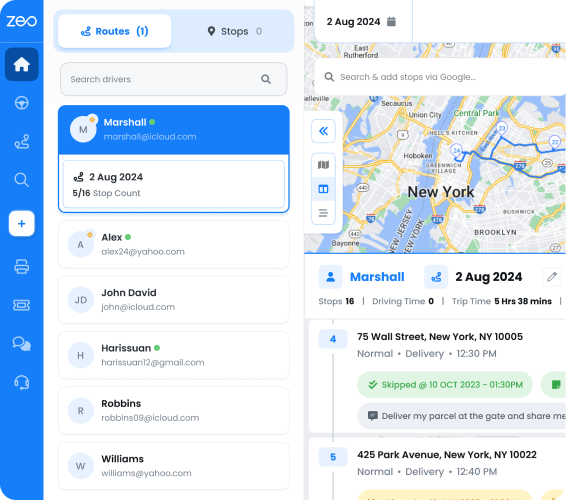
Customer Communication Integration: Automated Scheduling and Route-Based Notifications That Reduce No-Shows
No-shows kill inspection efficiency worse than poor routing. When customers aren’t prepared for inspections, your team wastes time traveling to empty properties and scrambling to fill schedule gaps.
Automated scheduling confirmation reduces no-shows by 60%. Your system should send confirmation messages 24 hours before appointments with clear instructions about what customers need to prepare. Include inspector contact information and expected arrival windows based on real route timing.
Route-based notifications provide accurate timing. Instead of generic “morning” or “afternoon” windows, customers receive specific 2-hour arrival windows that update based on your inspector’s actual progress. When the previous appointment runs long, customers get automatic updates about delays.
Two-way communication prevents wasted trips. Customers can easily reschedule appointments through text message or email links. Your routing system automatically processes these changes and optimizes remaining appointments to fill gaps.
Property access instructions reduce delays. Customers can submit gate codes, parking instructions, and contact information for property managers. Your inspectors receive this information directly on their mobile devices, eliminating phone calls and confusion at job sites.
Digital appointment reminders include preparation checklists. Fire safety inspections remind customers to ensure sprinkler room access. Building inspections confirm that work areas are ready for review. Food safety inspections verify that management will be available during the visit. Comprehensive field service management systems automate these communications while maintaining personal touch.
Compliance Documentation: Audit Trails and Regulatory Reporting Through Route Data and Proof of Service
Regulatory compliance isn’t just about completing inspections – it’s about proving you completed them correctly. Digital route data creates bulletproof audit trails that protect your business during regulatory reviews.
GPS timestamps prove inspection timing and duration. When regulators question whether your team spent adequate time at each location, route data provides objective evidence. This protects your company from accusations of rushed inspections or inadequate coverage.
Photo documentation with location stamps verifies inspection quality. Digital cameras embedded in mobile apps automatically tag photos with GPS coordinates and timestamps. This creates undeniable proof that violations were properly documented at specific locations and times.
Digital signatures streamline compliance reporting. Property managers and business owners sign inspection reports directly on mobile devices. These signatures sync instantly with your compliance database, eliminating paperwork delays that can trigger regulatory violations.
Automated reporting reduces administrative overhead. Route optimization platforms like Zeo generate compliance reports automatically, pulling data from completed routes to create regulatory submissions. This eliminates manual report preparation that consumes hours of administrative time.
Exception tracking identifies compliance risks before they become violations. When inspections run over scheduled windows or miss regulatory deadlines, your system should flag these exceptions automatically. This gives you time to address compliance issues proactively instead of discovering them during audits.
Historical route data supports legal defense. When compliance disputes arise months later, detailed route records provide objective evidence of inspection activities. This documentation often determines the outcome of regulatory challenges and legal proceedings. Industry data from the International Code Council shows that proper documentation reduces compliance disputes by up to 70%.
Frequently Asked Questions
Q: What is the best way to optimize inspector routes for maximum efficiency?
To optimize inspector routes effectively, use AI-powered route optimization software that considers inspection types, time windows, and geographic clustering. Zeo Route Planner helps inspection companies complete 40% more inspections daily by automatically sequencing appointments based on location proximity, inspector skills, and regulatory requirements.
Q: How much time can route optimization save for inspection teams?
Professional route optimization typically saves 2-3 hours per inspector per day by eliminating inefficient travel patterns and reducing backtracking. This translates to 30-40% more productive time that can be spent conducting actual inspections rather than driving between locations.
Q: What features should I look for in inspector route planning software?
Essential features include real-time GPS tracking, offline map capability, digital proof of service with photo capture, automated customer notifications, and skill-based inspector assignment. Zeo Route Planner provides all these features plus weather-adaptive routing that automatically reschedules outdoor inspections when conditions affect safety or accuracy.
Q: How does weather affect inspector route optimization?
Weather significantly impacts inspection scheduling, particularly for outdoor inspections like roofing or structural assessments. Smart routing systems should automatically reschedule weather-dependent appointments while filling those time slots with indoor inspections, maintaining productivity even during adverse conditions.
Q: Can route optimization help with regulatory compliance for inspection businesses?
Yes, route optimization creates detailed audit trails with GPS timestamps, digital signatures, and photo documentation that prove inspection timing and thoroughness. This documentation protects inspection companies during regulatory reviews and helps ensure compliance deadlines are met consistently.
Route optimization transforms inspection operations from daily firefighting to strategic efficiency. Companies implementing intelligent routing complete more inspections with the same resources while improving customer satisfaction and regulatory compliance.
Ready to optimize your inspector routes? Start your free 7-day trial of Zeo Route Planner and see how inspection companies are completing 40% more inspections per day. Join thousands of operations managers who’ve eliminated route planning headaches and maximized their team’s productivity.
Are you a fleet owner?
Want to manage your drivers and deliveries easily?
Grow your business effortlessly with Zeo Routes Planner – optimize routes and manage multiple drivers with ease.

increase fuel savings
Hassle Free Deliveries & Pickups!
Optimize routes with our algorithm, reducing travel time and costs efficiently.
Get Started for Free