


Updated on: April 17, 2026
Reading Time: 4 minutes
TL;DR: Route optimization serves as the operational backbone for enterprise HVAC logistics, directly addressing complex scheduling challenges and reducing response times for emergency service calls. Companies leveraging advanced routing solutions report saving 2+ hours daily while improving service reliability. Route optimization tools like Zeo Route Planner address this with AI-powered route optimization and dynamic route adjustments mid-shift, helping HVAC teams save 2+ hours daily.
With an increasing focus on service efficiency, quality and customer experience, the Enterprise HVAC industry is striving to optimize its operations. At the heart of this revolution lies route optimization.
With the mounting pressure of providing excellent service while navigating the complex maze of delivery routes, coupled with high-value equipment handling and meeting tight deadlines, the importance of route optimization in enterprise HVAC logistics has never been stronger.
Route optimization is the strong foundation that boosts operational success in the enterprise HVAC sector. With the right tools and strategies, fleet managers can improve delivery efficiency and enhance customer experience.
Before exploring the benefits of route optimization, let’s understand the challenges that enterprise HVAC logistics managers face on a regular basis.
Challenges in Enterprise HVAC Logistics
The enterprise HVAC logistics landscape is filled with hurdles that can derail your growth strategies. So, what are these challenges that fleet managers face?
- Quick Response to Breakdowns or Urgent Maintenance Requests
The best way to nurture customer relationships in the enterprise HVAC logistics landscape is to be vigilant and quick to respond to breakdowns or emergency maintenance requests.
In this competitive market, taking hours to send one technician to the right place with the right tools is simply unacceptable. In such instances, route inefficiency generates delayed service, a factor that not only aggravates the customer but potentially results in lost contracts.
Leveraging route optimization to provide the most efficient routes to technicians will guarantee that they get dispatched quicker and reach sites without further delays. This will drastically reduce response times and improve customer experience and retention.
- Coordinating Multi-Stop Routes Across Multiple Locations
Enterprise HVAC logistics often require multi-stop routes for deliveries and services across different locations. This logistical challenge intensifies when you’re managing large fleets of vehicles, technicians, and varied delivery timelines.
Without a solid route optimization strategy in place, time is wasted on backtracking and inefficient routing. With route optimization, businesses can handle these multi-stop scenarios effortlessly, improving fleet performance and maximizing technician productivity.
- Balancing Cost Efficiency with Reliable Service
In enterprise HVAC logistics, there is a constant quest to find the balance between cost efficiency and fast, dependable service. Tight margins mean that operational costs can soar from even minor inefficiencies in route planning.
Improper planning might very well result in fuel waste, driver overtime, and longer service time which all drag down the cost and also reduce customer satisfaction.
Route optimization software can reduce fuel usage and improve delivery efficiency, maximizing fleet performance, and ensuring HVAC businesses deliver exceptional service without increasing operations costs.
- Reducing the Environmental Impact of Large-Scale Operations
With sustainability becoming a major concern across the HVAC industry, large-scale HVAC logistics operators find themselves under pressure to reduce their environmental footprint.
Why is it important?
Inefficient routing leads to fuel wastage, higher carbon emissions, and a significantly larger carbon footprint. With the right Route Optimization tool, businesses can save hours of travelling, fuel costs and most importantly, the carbon footprint.
- Managing Technician Skills and Equipment Requirements
Enterprise HVAC operations often involve specialized equipment and technicians with varying skill sets. Commercial refrigeration systems require different expertise than standard heating installations, and emergency repairs demand technicians with specific certifications.
According to the Bureau of Labor Statistics, HVAC technicians need specialized training for different systems, making skill-based assignments crucial for service quality. Without proper coordination, companies may dispatch the wrong technician to a job site, resulting in delays, return trips, and customer dissatisfaction.
Modern route optimization addresses this challenge by matching technician skills with specific job requirements, ensuring the right person arrives with the proper tools and expertise for each service call.
Benefits of Route Optimization in HVAC Logistics
Having identified the main challenges, let’s delve into how route optimization can effectively address these issues and improve the efficiency of HVAC logistics operations.
- Efficient Multi-Stop Scheduling
For Enterprise HVAC logistics, this represents a significant advancement. It guarantees that all service appointments, deliveries, and installations are organized in the most efficient order, minimizing unnecessary backtracking and travel time.By optimizing each stop, HVAC companies can complete more jobs in a single day, boosting productivity and maximizing fleet capacity. This not only saves time but also greatly cuts down on fuel costs and vehicle wear and tear, resulting in better resource management and increased profitability.
- Faster Emergency Response
Route optimization ensures that emergency calls are addressed swiftly and efficiently. With live route tracking features, route planners allow your team to respond faster, cutting down response times significantly.Whether it’s rerouting technicians to high-priority jobs or optimizing emergency vehicle dispatch, the ability to make fast, informed decisions leads to improved customer service and enhances your reputation for reliability and quick problem-solving.
- Reduced Operational Costs
Inefficiencies in route planning can cause expenses to soar, from fuel costs to maintenance. By optimizing routes, companies can significantly lower these costs, ensuring that their fleet takes the most fuel-efficient paths, minimizes idle time, and reduces maintenance requirements.
increase fuel savings
Save $200 on fuel, Monthly!
Optimize routes with our algorithm, reducing travel time and costs efficiently.
Get Started for Free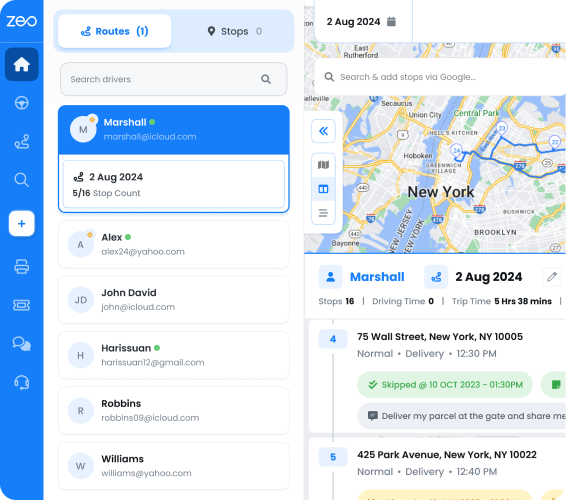
In the realm of enterprise-level HVAC logistics, route optimization goes beyond just saving time; it’s essential for managing your operational budget effectively while still delivering high-quality service.
- Better Customer Satisfaction
In Enterprise HVAC logistics, customer satisfaction goes beyond merely delivering services; it involves offering dependable and timely service.By optimizing routes, you can plan more accurately, leading to quicker and more precise service deliveries. Customers look for swift and effective solutions, and with well-optimized routes, your business can surpass those expectations.
This approach fosters loyalty and strengthens relationships with both residential and commercial clients.
- Sustainability and Environmental Benefits
As the Enterprise HVAC industry moves towards more sustainable practices, optimizing routes offers a simple yet effective method to reduce the environmental impact of logistics operations.By optimizing their routes, companies can decrease the number of miles driven, lower fuel consumption, and minimize pollution, all of which contribute to more eco-friendly practices.
This strategy not only helps in meeting environmental regulations but also appeals to eco-conscious consumers who are increasingly choosing businesses that prioritize sustainability.
- Enhanced Communication and Accountability
Modern route optimization solutions provide real-time visibility into technician locations and job progress. This transparency improves communication between dispatch teams, field technicians, and customers, creating a more professional service experience.With accurate arrival time predictions and progress updates, customers can better plan their schedules, while managers gain insights into technician productivity and potential bottlenecks in daily operations.
Implementation Strategies for Maximum ROI
Successfully implementing route optimization in enterprise HVAC logistics requires a strategic approach that considers both immediate operational needs and long-term growth objectives.
Start by analyzing your current routing inefficiencies and identifying the biggest pain points. Many companies find that emergency response times and multi-stop coordination present the greatest opportunities for improvement. Focus on these high-impact areas first to demonstrate quick wins and build momentum for broader adoption.
Training plays a crucial role in successful implementation. Technicians and dispatchers need to understand how optimized routing affects their daily workflows. Advanced route planner applications often provide intuitive interfaces that reduce the learning curve, but proper training ensures maximum utilization of available features.
Consider integration capabilities when selecting route optimization tools. Your chosen solution should work seamlessly with existing CRM systems, scheduling software, and customer communication platforms to create a unified operational ecosystem.
For enterprise operations, scalability becomes paramount. As your HVAC business grows, your routing solution should accommodate additional technicians, expanded service areas, and evolving customer demands without requiring complete system overhauls. Efficient delivery systems that grow with your business provide better long-term value and operational consistency.
Frequently Asked Questions
How does route optimization handle emergency HVAC calls during scheduled routes?
Advanced route optimization systems use dynamic rerouting capabilities to accommodate emergency calls without disrupting entire daily schedules. When an urgent service request comes in, the system can identify the closest available technician with appropriate skills and automatically adjust their route to prioritize the emergency while minimizing impact on other scheduled appointments.
What factors should HVAC companies consider when calculating ROI from route optimization?
Key ROI factors include fuel cost savings, reduced overtime expenses, increased daily service capacity, and improved customer retention rates. Most companies also factor in reduced vehicle maintenance costs from optimized driving patterns and decreased administrative time spent on manual route planning and customer communication.
Can route optimization software account for different HVAC technician skill sets and equipment requirements?
Yes, modern route optimization platforms include skill-based assignment features that match technicians with appropriate jobs based on certifications, experience levels, and available equipment. Zeo Route Planner’s skill-based driver assignment ensures the right technician with proper expertise reaches each service location, reducing return trips and improving first-call resolution rates.
How does route optimization impact customer communication in HVAC services?
Route optimization significantly improves customer communication through automated updates and accurate arrival time predictions. Customers receive real-time notifications about technician locations and estimated arrival times, reducing uncertainty and improving satisfaction with the service experience.
What integration options are available for HVAC companies using existing management software?
Most enterprise-grade route optimization solutions offer multiple integration pathways including API connections, webhook integrations, and direct compatibility with popular CRM and field service management platforms. Zeo Route Planner supports integrations with HubSpot CRM and connects to thousands of applications through Zapier, enabling seamless data flow between routing, scheduling, and customer management systems.
Conclusion
When it comes to HVAC services, optimized routing is an essential tool for tackling logistical challenges and ensuring seamless growth. By utilizing advanced solutions like Zeo Route Planner, HVAC companies can achieve smoother operations, enhance customer satisfaction, and boost profitability.
Zeo Route Planner improves your entire HVAC logistics strategy, providing the flexibility needed to meet the demands of today’s fast-paced environment while keeping you ahead of the competition.
Are you ready to harness the benefits of route optimization? Don’t wait, schedule a demo with Zeo experts today and take the first step toward transforming your Enterprise HVAC logistics operations.
Are you a fleet owner?
Want to manage your drivers and deliveries easily?
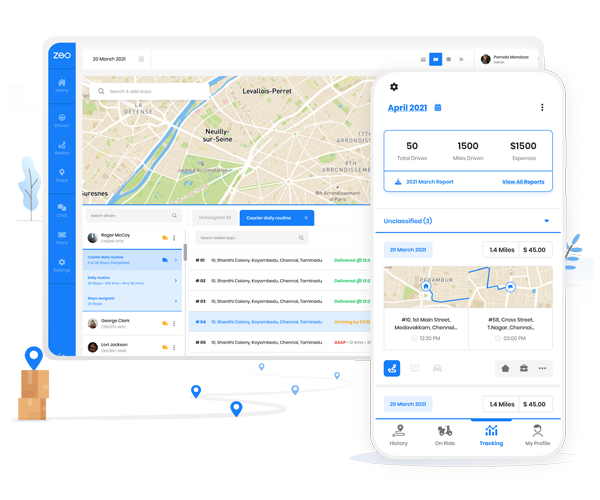
Grow your business effortlessly with Zeo Routes Planner – optimize routes and manage multiple drivers with ease.

increase fuel savings
Save 2 Hours on Deliveries, Everyday!
Optimize routes with our algorithm, reducing travel time and costs efficiently.
Get Started for Free