

# Propane Tank Monitoring Route Software: From Sensor Alert to Delivered Stop
> TL;DR: Propane tank monitoring route software connects your sensor alerts directly to route optimization, turning low-tank readings into assigned, driver-ready stops without manual spreadsheet work. Inefficient routing and last-minute emergency deliveries remain top cost drivers for propane dealers, according to industry data. Zeo Route Planner addresses this with bulk address import and Zapier integration, helping propane delivery teams save 2+ hours daily on route planning.
If you’re running a propane delivery operation in 2026, you probably already have tank monitors in the field. Otodata, Tank Utility, or similar sensors tell you exactly who’s running low. But knowing who needs propane and actually getting a truck there efficiently are two different problems.
Most propane dealers still export tank alerts into a spreadsheet. Then someone manually cross-references addresses with a map. Then they build routes by hand, hoping they didn’t miss anyone close to empty.
This is where propane tank monitoring route software closes the gap. It connects your sensor data directly to route optimization, so low-tank alerts become assigned, driver-ready stops without the manual work. Here’s how to set it up.
Why Tank Monitors Alone Don’t Solve Your Routing Problem (The Missing Link)
Tank monitors are great at one thing: telling you tank levels in real time. They’re not built to solve route optimization.
Your monitor system can tell you that 47 customers are below 30% capacity today. It can’t tell you the fastest sequence to visit all 47, which driver has capacity for which stops, or how to group them by delivery zone.
That’s the missing link. Operations managers end up doing manual work that field service management software should handle:
- Exporting alert lists into Excel
- Manually plotting stops on Google Maps
- Guessing at driver assignments based on rough territory knowledge
- Rebuilding routes when new “will-call” emergencies pop up mid-morning
This process eats hours every day. And it’s error-prone. A National Propane Gas Association industry data report noted that inefficient routing and last-minute emergency deliveries remain among the top operational cost drivers for small and mid-size propane dealers. When you’re manually piecing together routes from spreadsheet exports, you’re not just losing time—you’re risking missed keep-fill deadlines and runouts.
The fix isn’t a better spreadsheet. It’s connecting your tank monitoring data directly into route optimization software, so the two systems talk to each other automatically.
How Propane Tank Monitoring Data Feeds Into Route Optimization Software
Here’s the workflow that actually solves the problem.
Your tank monitors generate alert data continuously—tank ID, address, current fill percentage, and estimated days to empty. Right now, that data probably lands in a dashboard or a CSV export. The next step is getting it into your route planning tool without manual re-entry.
Route optimization software like Zeo Route Planner accepts bulk address import from Excel, CSV, or Google Sheets. That means you can take your daily low-tank alert export and drop it straight into the system. Through Zapier integration, you can also automate this handoff entirely, so alerts flow from your monitoring platform into Zeo without anyone touching a spreadsheet.
Once the data is in, the route optimization engine takes over. It looks at:
- Delivery addresses and how to group them geographically
- Time windows (does this customer need delivery by end of day?)
- Truck capacity (weight/volume limits based on gallons and tank size)
- Priority level (ASAP for near-empty tanks vs. normal for routine fills)
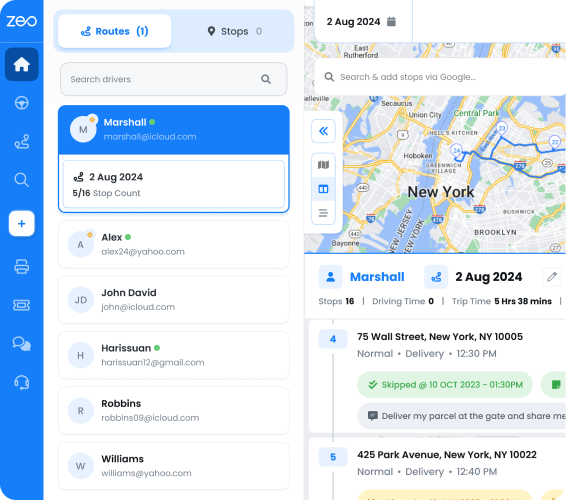
The output is an optimized, multi-stop route ready to assign to a driver. Instead of spending an hour building tomorrow’s routes by hand, dispatch reviews an AI-generated plan and assigns it in minutes.
This is the actual missing link: automated data transfer plus AI-powered route optimization. Tank monitors tell you who. Route software tells you how and in what order.
Will-Call vs. Keep-Fill Routing: How Tank Monitors Change Your Route Planning Strategy
Propane delivery isn’t one-size-fits-all. You’re managing two different delivery models, and your route software needs to handle both.
Keep-fill customers are on automatic delivery schedules based on degree-day calculations or tank monitor thresholds. These are predictable. You know roughly when they’ll need fuel, so you can plan routes days or weeks in advance.
Will-call customers request delivery when they notice they’re running low—or worse, when they’ve already run out. These are reactive and urgent. They disrupt planned routes because they need to be inserted into today’s schedule, often on short notice.
Tank monitors shift more of your book toward predictable keep-fill routing, since sensors catch low levels before the customer even notices. That’s the whole point of investing in monitoring hardware. But you still need software that can flag priority stops and slot them into existing routes without blowing up efficiency.
This is where priority-based routing matters. Zeo lets you mark stops as ASAP versus Normal priority, so when a sensor triggers a genuine emergency alert (say, a tank drops below 10% overnight), that stop gets inserted into the optimal spot in today’s route—not tacked on as an inefficient afterthought at the end.
Real-world scenario: a mid-size propane dealer running 15 trucks gets a batch of 30 keep-fill alerts overnight, plus 3 urgent will-call requests that came in by phone. Instead of building 15 separate routes and then manually squeezing in the urgent stops, dispatch imports all 33 addresses at once, marks the 3 urgent ones as ASAP, and lets the software optimize truck assignments and stop order automatically. What used to take 90 minutes of manual planning takes closer to 10.
Step-by-Step: Setting Up Automated, Sensor-Triggered Delivery Routes
Here’s how to actually build this workflow in your operation.
Step 1: Export your daily tank alert data. Most monitoring platforms let you export low-tank alerts as CSV or Excel files, including address, tank level, and estimated run-out date.
Step 2: Connect the data to your route planner. Import the file directly into Zeo Route Planner, or set up a Zapier automation so alerts flow in automatically without manual export/import steps each morning.
Step 3: Set your constraints. Configure time windows for keep-fill customers, capacity limits per truck (based on gallons and tank size), and skill-based assignment if certain drivers handle commercial vs. residential accounts.
Step 4: Flag priority stops. Mark any near-empty or emergency tanks as ASAP priority so they get inserted into the optimal position in the route, not just appended at the end.
Step 5: Let the AI optimize. Zeo’s route optimization engine builds the most efficient multi-stop sequence across all your trucks, factoring in truck capacity, time windows, and priority.
Step 6: Assign and dispatch. Review the generated routes, adjust if needed, and assign them to drivers. This step takes minutes instead of the hour-plus it takes to build routes manually.
Step 7: Set it to recur. For keep-fill customers on a predictable schedule, use scheduled/recurring routes so you’re not rebuilding the same delivery patterns from scratch every week.
Once this is set up, your daily routing process shifts from manual spreadsheet work to a quick review-and-approve step. That’s the difference automation makes.
Driver App Workflow: From Low-Tank Alert to Optimized Stop to Delivery Confirmation
Once dispatch builds the optimized route from tank alert data on the Zeo web platform, each driver automatically receives their prioritized stop list on the Zeo mobile app.
Here’s what that looks like in practice. A driver starts their shift and opens the app to see their full route for the day—complete with tank capacity notes, delivery windows, and customer directions. No phone calls from dispatch needed to explain the plan.
The driver taps a stop and gets turn-by-turn navigation in their preferred maps app—Google Maps, Waze, or Apple Maps. They drive to the customer, deliver the propane, and confirm the stop directly in the app.

increase fuel savings
Hassle Free Deliveries & Pickups!
Optimize routes with our algorithm, reducing travel time and costs efficiently.
Get Started for Free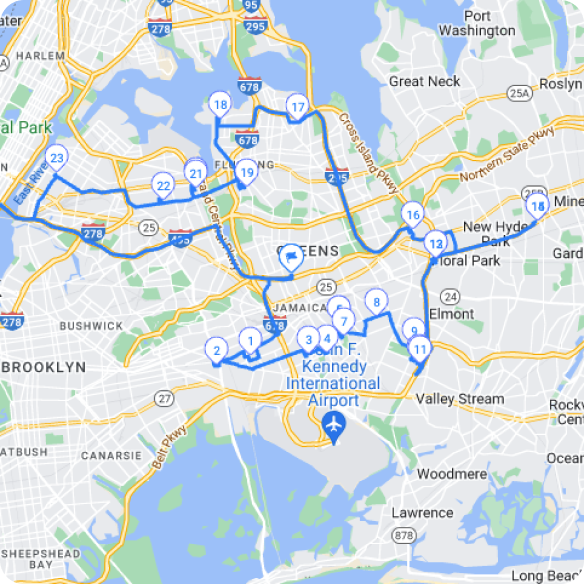
Proof of delivery happens right there on the phone: a photo of the filled tank, a customer signature if required, and delivery notes (like gallons delivered or any access issues). If the customer pays on delivery, that gets logged as COD too.
As each stop is marked complete, dispatch sees live GPS tracking and delivery confirmations in real time on the web platform. No one has to call the driver to ask “where are you” or “did you finish that stop.” Customers can also get automatic SMS or email notifications with live ETA updates, so they know when the truck is arriving without calling your office.
This closes the loop entirely. Tank sensor detects low fuel, route software builds the optimized stop, driver executes and confirms delivery—all without a single manual handoff or phone call in between.
Real-World ROI: Fuel, Mileage, and Labor Savings From Combining Monitors + Route Software
The value here isn’t theoretical. Combining tank monitoring with route optimization software creates savings across three areas.
Fuel and mileage. Manually built routes tend to backtrack and zigzag, especially when dispatch is rushing to insert last-minute will-call stops. Optimized routing reduces total miles driven by grouping stops geographically and sequencing them logically. For a fleet running 20 trucks, even a 10-15% reduction in daily mileage adds up fast across a delivery season. The U.S. Energy Information Administration propane pricing data has noted that propane delivery costs are directly tied to fuel efficiency and route density, since propane trucks generally get lower fuel economy than standard delivery vehicles.
Labor. Zeo’s AI-powered route optimization saves 2+ hours daily that would otherwise go into manual route planning. For an operations manager handling 15-40 trucks, that’s time redirected toward customer service, driver coaching, or growing the business instead of shuffling spreadsheets every morning. Learn more about how to reduce logistics costs through better route planning.
Fewer emergency runs. When keep-fill routing is dialed in using tank monitor data, fewer customers slip into true emergency status. Emergency will-call deliveries are expensive—they disrupt planned routes, often require overtime, and sometimes mean sending a truck out of its way for a single stop. Reducing these emergencies by even a small percentage protects both margin and driver schedules.
There’s also a compounding effect. Route analytics and reporting in Zeo let you track mileage over time, so you can see exactly how much your routing has improved month over month. Miles tracking also supports expense and tax record-keeping, which matters for fleets managing IRS mileage deductions.
Choosing the Right Route Planning Software to Pair With Your Tank Monitors (Feature Checklist)
Not every route planner is built to handle propane delivery’s specific needs. Here’s what to look for when evaluating software to pair with your tank monitors.
Bulk import and integration capability. Your software needs to accept CSV, Excel, or Google Sheets import at minimum. Zapier integration is a bonus—it lets you automate the handoff from your monitoring platform without manual exports every day.
Priority-based stop assignment. You need the ability to flag ASAP stops separately from normal keep-fill deliveries, so emergency tanks get inserted into the optimal route position automatically.
Capacity-based routing. Your software should account for truck capacity limits (based on gallons carried), not just distance and time.
Time window support. Keep-fill customers often have delivery windows based on contract terms. Your route planner needs to respect these constraints during optimization.
Driver mobile app. Route plans are useless if drivers can’t easily access them. Look for a mobile app with turn-by-turn navigation support, proof of delivery capture, and real-time status updates back to dispatch.
Proof of delivery tools. Photo capture, signature collection, and delivery notes protect you from disputes and give you a documented record of every fill.
Customer communication. Automatic SMS or email notifications with live tracking links reduce inbound calls asking “when’s my delivery.”
Scheduling and recurrence. Keep-fill customers repeat on predictable cycles. Your software should support recurring routes so you’re not rebuilding the same plans weekly.
Analytics and reporting. You need visibility into mileage, driver performance, and route efficiency over time to prove ROI and keep improving.
Zeo Route Planner is used by 1.5M+ users across 150+ countries and covers each of these requirements, making it a practical fit for propane dealers who already have monitoring hardware in place and need the routing layer to match.
Frequently Asked Questions
Q: How do tank monitors and route planning software work together?
Tank monitors like Otodata or Tank Utility detect fill levels and send low-tank alerts, but they don’t build delivery routes. Route planning software takes that alert data — typically via CSV/Excel export or a Zapier automation — and turns it into an optimized, multi-stop route assigned to specific drivers and trucks.
Q: What’s the difference between will-call and keep-fill propane delivery?
Keep-fill customers are on a predictable delivery schedule based on degree-days or tank sensor thresholds, so routes can be planned days in advance. Will-call customers request delivery reactively, often urgently, which means those stops need to be inserted into existing routes on short notice without disrupting overall efficiency.
Q: How much time can propane dealers save by automating route planning?
Operations teams that manually build routes from spreadsheet exports typically spend an hour or more per day on the task. Zeo Route Planner’s AI-powered route optimization saves 2+ hours daily by generating multi-stop routes automatically based on tank data, truck capacity, and time windows.
Q: Can route software handle emergency propane deliveries without disrupting the whole route?
Yes, if the software supports priority-based stop assignment. Zeo lets dispatchers mark near-empty tanks as ASAP priority, so the optimization engine inserts that stop into the most efficient position in an existing route rather than appending it inefficiently at the end.
Q: What data do I need from my tank monitors to start automated routing?
At minimum, you need the tank ID, delivery address, current fill percentage, and estimated days to empty — most monitoring platforms already export this as CSV or Excel. That file can be imported directly into route optimization software, or connected via an integration like Zapier for a fully automated handoff.
Get Started
If you’re already exporting tank alerts into spreadsheets and building routes by hand, you’re doing work software should handle for you. Start a free Zeo Route Planner trial to import your tank monitor alerts—via CSV, Excel, or API/Zapier—and build your first automated propane delivery route in under 10 minutes. No credit card required.

Are you a fleet owner?
Want to manage your drivers and deliveries easily?
Grow your business effortlessly with Zeo Routes Planner – optimize routes and manage multiple drivers with ease.
increase fuel savings
Save 2 Hours on Deliveries, Everyday!
Optimize routes with our algorithm, reducing travel time and costs efficiently.
Get Started for Free