


Updated on: April 24, 2026
# How to Optimize Mobile Grooming Routes for Maximum Daily Stops
> TL;DR: Optimize mobile grooming routes by clustering appointments within 3-5 mile geographic zones and sequencing by service duration to complete 2-3 additional appointments daily. Poor routing costs mobile grooming businesses over $20,000 annually in lost revenue and excessive fuel expenses. Route optimization tools like Zeo Route Planner’s AI-powered optimization automatically creates efficient routes based on appointment locations and service durations, helping mobile grooming operations save 2+ hours daily.
Poor route planning kills mobile grooming profits faster than any other operational mistake. Learning how to optimize mobile grooming routes effectively means your groomers spend more time grooming pets and less time driving between appointments, directly impacting your bottom line.
The numbers don’t lie. Most mobile grooming businesses lose 1-2 hours daily to inefficient routing. That’s the difference between completing 4-6 appointments versus 7-8 appointments per groomer. Over a year, poor routing can cost a small mobile grooming operation over $20,000 in lost revenue according to Small Business Administration fleet cost studies.
This guide shows you exactly how to optimize mobile grooming routes to maximize daily appointments, slash fuel costs, and create predictable schedules that keep both groomers and pet owners happy.
The Hidden Profit Drain: Why Poor Mobile Grooming Routes Cost You $20K+ Annually
The math is brutal when you calculate the true cost of inefficient routing in mobile grooming.
Consider a typical scenario: You have 4 groomers averaging $75 per appointment. With poor routing, each groomer completes 5 appointments daily. With optimized routes, they could complete 7 appointments.
That’s 2 extra appointments per groomer per day. Multiply by 4 groomers working 250 days annually: 2,000 additional appointments worth $150,000 in extra revenue.
But the costs run deeper than lost appointments.
Fuel expenses skyrocket with inefficient routing. The average mobile grooming van gets 8-12 miles per gallon. Poor routes can add 30-50 unnecessary miles daily per vehicle. At $3.50 per gallon, that’s $12-20 extra in fuel costs per van per day.
Your groomers also burn out faster with chaotic schedules. According to Bureau of Labor Statistics service industry data, high turnover in service industries costs businesses an average of $15,000 per replacement hire when you factor in recruiting, training, and lost productivity.
Customer satisfaction plummets when appointment times become unpredictable. Late arrivals and rushed service lead to negative reviews and lost clients. In the pet services industry, acquiring a new customer costs 5-7 times more than retaining an existing one per American Pet Products Association industry report.
The compound effect hits hard. Poor routing doesn’t just reduce today’s profits—it creates a downward spiral that damages your entire operation over time.
5 Route Optimization Strategies That Add 2-3 Daily Appointments Per Groomer
Smart route optimization starts with understanding the unique challenges of mobile grooming logistics.
Strategy 1: Geographic Clustering by Time Zones
Group appointments within 3-5 mile radius clusters instead of booking appointments city-wide on the same day. This reduces travel time between stops by 40-60%.
Create “zones” for each day of the week. Mondays might cover the north side, Tuesdays the east side, and so on. Stick to these zones religiously, even if it means scheduling appointments a day or two later. Advanced route optimization software can automate this clustering process to ensure maximum efficiency.
Strategy 2: Appointment Sequencing by Service Duration
Not all grooming appointments take the same time. A nail trim and bath takes 45 minutes, while a full grooming service with nail trims, ear cleaning, and breed-specific cuts takes 90-120 minutes.
Sequence appointments from longest to shortest within each cluster. This prevents schedule compression that forces you to rush longer services or arrive late to subsequent appointments.
Strategy 3: Buffer Time Allocation
Build 15-20 minute buffers between appointments in different neighborhoods. Build 10-minute buffers between appointments in the same area.
These buffers account for aggressive pets that take longer to handle, unexpected traffic, or equipment issues. Without buffers, one delayed appointment destroys your entire day’s schedule.
Strategy 4: Fuel Stop and Supply Integration
Plan fuel stops and supply pickups along your route path, not as separate trips. Identify gas stations and pet supply stores that sit between appointment clusters.
This planning prevents backtracking and eliminates dedicated supply runs that eat into profitable appointment time.
Strategy 5: Weather and Traffic Contingencies
Monitor weather forecasts and traffic patterns when planning routes. Rain increases appointment time by 10-15 minutes due to muddy pets and equipment protection needs.
Build weather contingencies into your weekly planning. Have indoor appointment alternatives ready for severe weather days.
Service-Based Route Planning: Organizing Routes by Appointment Duration and Pet Types
Different services and pet types require different routing strategies to maximize efficiency.
Appointment Duration Grouping
Quick services (nail trims, baths, brush-outs) work best in tight geographic clusters with 45-60 minute appointment slots. You can fit 6-8 of these appointments in dense residential areas.
Full grooming services need 90-120 minute slots with more travel buffer time. Plan 4-5 full grooming appointments maximum per day, but charge premium pricing to maintain profitability.
Pet Behavior Considerations
Anxious or aggressive pets require additional time and can’t be rushed. Schedule these appointments with 30-minute buffers and avoid booking them back-to-back.
Multiple pet households offer efficiency advantages. Two dogs from the same household take 1.5 times longer than one dog, not twice as long. Target these appointments to maximize your hourly rate.
Seasonal Service Adjustments
Summer months bring shedding season and higher demand for deshedding treatments. These services take 20-30% longer than standard grooming. Adjust your daily appointment capacity accordingly.
Winter weather reduces demand but increases per-appointment duration due to equipment setup time and weather protection needs.
Equipment-Based Planning
Group appointments that require similar equipment setups. Breed-specific cuts requiring special clippers work better when scheduled consecutively to minimize equipment changes.
Flea treatment appointments should be scheduled last in the day to prevent cross-contamination between clients.
Managing Multi-Groomer Territory Optimization and Seasonal Route Adjustments
Coordinating multiple groomers requires systematic territory management and seasonal planning using proven fleet management strategies.
Territory Assignment Strategies
Assign each groomer to specific geographic territories based on customer density and service demand. This prevents groomers from criss-crossing the city and competing for the same convenient time slots.
Create territory boundaries using major roads or landmarks. Each territory should contain enough customers to fill 5-7 appointments daily during peak seasons.
Seasonal Demand Balancing
Spring and summer bring 40-50% higher demand due to shedding season and increased outdoor activity. During peak season, consider temporary territory expansion or additional groomer shifts.
Winter demand drops but appointment duration increases. Consolidate territories during slow months to maintain groomer productivity and income consistency.
Cross-Territory Coordination
Build flexibility for high-value appointments that fall outside assigned territories. A $200 full-service appointment might justify sending a groomer across town if it doesn’t disrupt their core route.
Establish clear protocols for territory coverage when groomers are sick or on vacation. Cross-trained groomers should know backup territories and customer preferences.
Customer Preference Integration
Some customers develop strong relationships with specific groomers. Factor these preferences into territory assignments, even if it creates minor routing inefficiencies.

increase fuel savings
Save $200 on fuel, Monthly!
Optimize routes with our algorithm, reducing travel time and costs efficiently.
Get Started for Free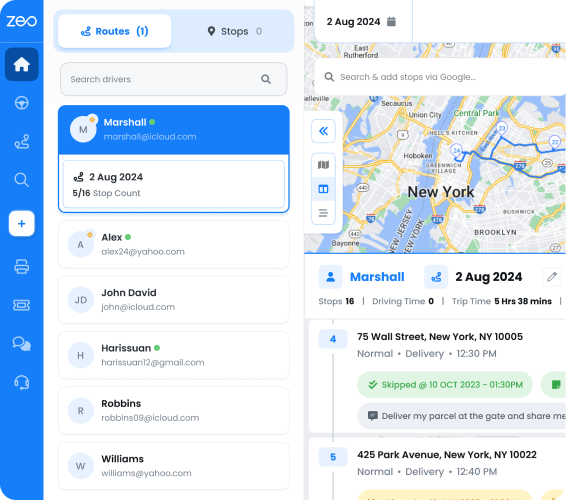
Track customer-groomer preferences in your scheduling system. The retention value of happy customers outweighs small routing optimizations.
Technology Integration: Connecting Route Planning with Booking Systems and Customer Communication
Modern route optimization requires integrated technology that connects scheduling, routing, and customer communication.
Automated Route Planning Systems
Manual route planning becomes impossible with multiple groomers and dozens of daily appointments. Zeo Route Planner’s AI-powered optimization automatically creates efficient routes based on appointment locations, service durations, and traffic patterns, saving 2+ hours daily in planning time.
The system considers your specific constraints like groomer skill sets, equipment requirements, and customer preferences when building optimized routes.
Real-Time Schedule Management
Customer cancellations and emergency appointments require instant route adjustments. While managers use the web platform to plan optimized routes and assign them to groomers, each groomer uses the Zeo mobile app to receive their daily route, navigate between appointments, and update appointment status with real-time GPS tracking.
This integration prevents the chaos of phone calls and text message coordination that destroys efficient routing.
Customer Communication Automation
Automated customer notifications reduce no-shows and last-minute cancellations that break route efficiency. Send appointment confirmations, arrival time estimates, and groomer tracking links automatically.
Real-time ETA updates keep customers informed when traffic or previous appointments run long, maintaining satisfaction even when delays occur.
Performance Tracking Integration
Connect your routing system with business metrics tracking. Monitor fuel costs, appointment completion rates, and customer satisfaction scores to measure routing optimization success using proof of delivery features.
Track groomer performance across different route types to identify which routing strategies work best for each team member.
Measuring ROI: Track These 4 KPIs to Prove Your Route Optimization Success
Successful route optimization requires measuring specific metrics that directly impact profitability.
KPI 1: Daily Appointments Per Groomer
Track the average number of appointments completed per groomer per day. Optimized routing should increase this number by 1-3 appointments daily.
Before optimization: 4-5 appointments per day
After optimization: 6-8 appointments per day
This metric directly correlates to revenue growth and operational efficiency improvements.
KPI 2: Fuel Cost Per Appointment
Calculate total fuel costs divided by total appointments completed. This metric accounts for both fuel efficiency and appointment density.
Target reduction: 25-30% decrease in fuel cost per appointment within 60 days of implementing optimized routing.
Track this weekly to identify route efficiency trends and seasonal variations.
KPI 3: On-Time Arrival Rate
Measure the percentage of appointments where groomers arrive within the promised time window. Poor routing creates cascading delays throughout the day.
Target: 90%+ on-time arrival rate
Industry average: 70-75% on-time arrival rate
Consistent on-time performance increases customer retention and enables premium pricing.
KPI 4: Groomer Overtime Hours
Track overtime hours caused by inefficient routing that forces groomers to work late completing scheduled appointments.
Optimized routing should eliminate most overtime while maintaining or increasing daily appointment totals.
Calculate overtime cost savings: Average groomer wage × 1.5 × reduced overtime hours × number of groomers.
Weekly Performance Reviews
Review these KPIs weekly with your grooming team. Identify patterns like specific days or territories that consistently underperform routing targets.
Use performance data to refine territory assignments and appointment scheduling strategies continuously.
Monthly reporting should show clear trends toward improved efficiency and profitability from routing optimization efforts.
Frequently Asked Questions
Q: How many appointments should a mobile groomer complete per day?
Most efficient mobile grooming operations complete 6-8 appointments per groomer daily with optimized routing. Without proper route planning, groomers typically manage only 4-5 appointments due to excessive drive time between locations.
Q: What’s the biggest cost factor in mobile grooming route inefficiency?
Lost appointment revenue represents the largest cost, potentially $20,000+ annually for small operations. When groomers spend extra time driving instead of grooming, you lose 2-3 billable appointments per day per groomer.
Q: How can mobile groomers reduce fuel costs through better routing?
Geographic clustering within 3-5 mile radius zones can reduce fuel costs by 25-30% while increasing daily appointments. Route optimization tools like Zeo Route Planner’s AI-powered optimization automatically creates these efficient clusters based on appointment locations and service durations, helping grooming businesses serve 1.5M+ users across 150+ countries save 2+ hours daily.
Q: Should mobile groomers schedule appointments by service type or location?
Location-based scheduling within geographic zones should be the primary factor, with service duration as a secondary consideration. Group similar appointment lengths within each zone to prevent schedule compression while maintaining travel efficiency.
Q: How do weather conditions affect mobile grooming route planning?
Rain and severe weather increase appointment duration by 10-15 minutes due to muddy pets and equipment protection needs. Smart route planning software like Zeo Route Planner provides real-time ETA updates and route adjustments to help groomers adapt to weather delays while maintaining customer communication through automated notifications.
—
Transform your mobile grooming operation from reactive daily chaos into a systematic, profitable business with optimized routing strategies.
The difference between struggling mobile grooming businesses and thriving ones often comes down to routing efficiency. While your competitors waste time driving in circles, you can serve more customers, reduce costs, and build a predictable operation that works for everyone.
Start your free 7-day trial of Zeo Route Planner to see how automated route optimization can transform your mobile grooming operation into a systematic profit machine.
Are you a fleet owner?
Want to manage your drivers and deliveries easily?
Grow your business effortlessly with Zeo Routes Planner – optimize routes and manage multiple drivers with ease.

increase fuel savings
Hassle Free Deliveries & Pickups!
Optimize routes with our algorithm, reducing travel time and costs efficiently.
Get Started for Free