


# Best RouteWare Alternative for Waste Management Companies
> TL;DR: Mid-sized waste management companies need efficient routing without enterprise complexity and costs that exceed their fuel budgets. Studies show that 70% of waste collection operations with 5-50 trucks find RouteWare’s pricing model cost-prohibitive. Modern RouteWare alternatives like Zeo Route Planner deliver AI-powered optimization and real-time tracking at a fraction of enterprise costs, helping waste collection teams save 2+ hours daily.
Waste management companies with 5-50 collection trucks often find themselves trapped between basic routing tools and enterprise software like RouteWare that costs more than their monthly fuel budget. You need efficient routes without paying enterprise prices or wrestling with complex interfaces designed for massive operations.
The good news is that several RouteWare alternatives deliver the route optimization you need at a fraction of the cost. These solutions focus on what matters most for mid-sized waste collection companies: simple route planning, real-time tracking, and the flexibility to handle special pickups without breaking your budget.
Why Waste Management Companies Are Looking Beyond RouteWare
RouteWare dominates the enterprise waste management software market, but many smaller operators discover it’s like buying a semi-truck when you need a pickup. The complexity and cost often outweigh the benefits for companies running fewer than 50 trucks.
Enterprise Pricing for Small Business Needs
RouteWare’s licensing model assumes you need every feature they offer. You pay for advanced analytics, complex compliance reporting, and integration capabilities that make sense for national haulers but create unnecessary costs for regional operations. Many companies report annual software costs exceeding $50,000 for features they rarely use.
Interface Complexity Slows Down Operations
Dispatchers spend valuable time navigating through multiple screens and menus to accomplish basic tasks like adding a special pickup or adjusting routes. According to the National Waste & Recycling Association, efficient route planning should save time, not consume it. When your dispatcher needs a manual to change a route, the software isn’t serving your business.
Limited Flexibility for Route Changes
Waste collection involves constant changes. Customers call in special pickups, trucks break down, and weather affects waste collection routes. RouteWare’s enterprise focus means simple changes often require complex workflows that don’t match how smaller operations actually work.
Overkill for Driver Communication
Your drivers need to know their route, report issues, and confirm pickups. They don’t need enterprise-level communication platforms. Many waste collection companies find RouteWare’s driver interface overwhelming when drivers just want to complete their routes efficiently.
Essential Features Every Waste Collection Route Planner Should Have
Before exploring RouteWare alternatives, understand which features actually matter for waste collection operations. Focus on capabilities that directly impact your daily operations rather than impressive-sounding enterprise features.
Route Optimization That Handles Vehicle Capacity
Waste collection trucks have weight and volume limits that standard delivery routing can’t handle. Your route optimization software must account for these constraints when organizing stops. Routes that ignore truck capacity lead to incomplete runs and customer complaints.
Easy Special Pickup Management
Customers request bulk item pickups, extra bags, or schedule changes regularly. Your routing software should let dispatchers add these requests quickly without rebuilding entire routes. The best systems integrate special pickups into existing routes automatically.
Real-Time Driver Communication
Dispatchers need to know when trucks are running behind, encounter access issues, or complete their routes. Drivers need simple ways to report problems or request route adjustments. This communication should happen through easy-to-use mobile interfaces, not complex enterprise platforms.
Proof of Service Documentation
Some customers dispute pickup claims, especially for special services. Photo documentation and digital records protect your business from disputes while helping drivers confirm completed work. This proof of delivery feature pays for itself the first time it resolves a billing dispute.
Simple Performance Tracking
Track basic metrics like routes completed on time, fuel efficiency, and customer complaints. Avoid systems that generate dozens of reports you’ll never read. Focus on data that helps you make specific operational improvements.
Top RouteWare Alternatives: Comparing Cost, Features, and Ease of Use
Several route optimization platforms serve waste management companies better than RouteWare, especially for operations with 5-50 trucks. These alternatives prioritize usability and cost-effectiveness over enterprise complexity.
Zeo Route Planner: AI-Powered Simplicity
Zeo Route Planner delivers enterprise-level route optimization through an interface designed for practical daily use. The platform serves 1.5M+ users across 150+ countries, including waste management operations that switched from more complex systems.
The AI-powered route optimization saves 2+ hours daily per driver while handling capacity constraints and time windows. Dispatchers plan routes on the web platform while drivers receive optimized routes directly on their mobile devices. The mobile app includes proof of service features like photo capture and digital notes that document completed pickups.
Zeo’s pricing starts significantly lower than RouteWare while including features like real-time GPS tracking, customer notifications, and route analytics that many waste companies find sufficient for their operations.
Circuit for Teams: Delivery-Focused Routing
Circuit targets delivery operations but works well for waste collection routes with predictable stops. The platform emphasizes simplicity and includes basic tracking features. However, it lacks specialized waste management features like capacity optimization for different truck types.
Route4Me: Comprehensive Route Management
Route4Me offers extensive routing capabilities with multiple pricing tiers. The platform includes waste management-specific features but maintains complexity that some smaller operations find challenging. The learning curve resembles RouteWare’s, though at lower cost points.
OptimoRoute: Scheduling Integration
OptimoRoute combines route optimization with scheduling features that help manage recurring waste collection routes. The platform works well for companies with consistent weekly or monthly pickup schedules but may overcomplicate simple route planning tasks.
How Modern Route Optimization Handles Special Pickups and Route Changes
The best RouteWare alternatives excel at handling the constant changes that define waste collection operations. Modern platforms treat flexibility as a core requirement rather than an afterthought.

increase fuel savings
Save 2 Hours on Deliveries, Everyday!
Optimize routes with our algorithm, reducing travel time and costs efficiently.
Get Started for Free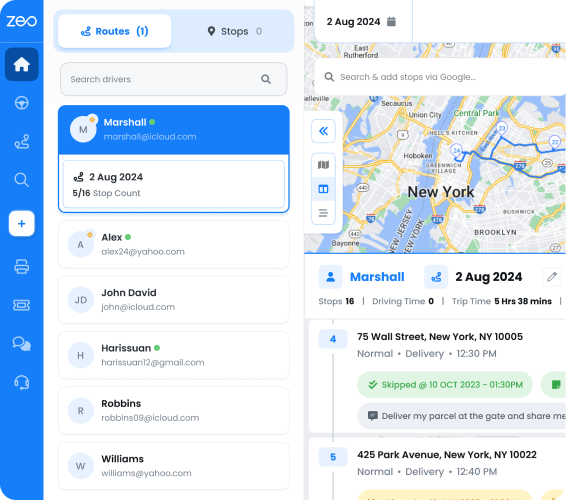
Dynamic Route Adjustments
When customers call for special pickups or route changes, dispatchers should be able to modify routes instantly. Advanced systems recalculate optimal stop sequences automatically when new pickups are added. This prevents the time-consuming manual route rebuilding that complex enterprise systems often require.
Consider a typical Tuesday morning scenario: Three customers call requesting bulk item pickups along different routes. A flexible system lets your dispatcher add these stops with a few clicks while the software determines the most efficient sequence. Drivers receive updated routes on their mobile devices immediately.
Capacity-Based Special Pickup Planning
Bulk items and special requests affect truck capacity differently than regular pickups. Smart routing platforms calculate whether trucks can handle additional volume or weight before assigning special pickups to existing routes. This prevents situations where drivers can’t complete their routes due to capacity constraints.
Real-Time Problem Resolution
Drivers encounter blocked access, customer cancellations, and equipment issues regularly. Modern route optimization platforms include communication tools that let drivers report issues instantly while dispatchers make real-time route adjustments. This beats radio communication and paperwork systems that slow down problem resolution.
Seasonal Route Adaptation
Waste generation patterns change seasonally, especially in residential areas. Effective alternatives to RouteWare adapt to these patterns without requiring complex reconfiguration. Holiday schedules, weather delays, and seasonal volume changes should integrate smoothly into your routing workflow.
Making the Switch: What to Consider When Changing Route Planning Software
Switching from RouteWare requires careful planning, but the process doesn’t have to disrupt your operations. Focus on migration steps that minimize downtime while maximizing the benefits of your new platform.
Data Migration Planning
Your current customer database, route histories, and driver information need to transfer to your new system. Most RouteWare alternatives provide data import tools, but plan this process during slower operational periods. Export your critical data before canceling your RouteWare subscription.
Driver Training Requirements
Drivers adapt to new mobile interfaces faster than dispatchers adjust to new planning platforms. Choose alternatives with intuitive driver apps that require minimal training. According to the Bureau of Labor Statistics, the waste collection industry faces ongoing labor shortages, making easy-to-use systems crucial for driver retention.
Cost Comparison Beyond Software Fees
Calculate total costs including implementation, training, and ongoing support. Many RouteWare alternatives offer significantly lower monthly costs, but factor in transition expenses. Most companies recover switching costs within 6-12 months through reduced software fees alone.
Integration Needs Assessment
Evaluate which current integrations you actually use versus those that seemed important during your initial RouteWare implementation. Many waste management companies discover they can eliminate expensive integrations without affecting daily operations.
Trial Period Utilization
Test your chosen alternative with real routes and actual drivers before committing. Run parallel systems for a week to identify potential issues while maintaining your current operations. This approach prevents service disruptions while validating your software choice.
Modern fleet management software should complement your operations, not complicate them. Consider DOT commercial vehicle regulations when evaluating systems to ensure compliance features meet your specific requirements.
Frequently Asked Questions
Q: How much does RouteWare typically cost for small waste management companies?
RouteWare’s enterprise pricing often exceeds $50,000 annually for comprehensive features, which can be prohibitive for companies with fewer than 50 trucks. Many smaller operators find they’re paying for advanced analytics and compliance reporting they rarely use.
Q: What’s the biggest challenge when switching from RouteWare to an alternative?
Data migration and driver retraining are the primary concerns. Most RouteWare alternatives provide import tools for customer databases and route histories, and drivers typically adapt to new mobile interfaces faster than dispatchers adjust to new planning platforms.
Q: Can route optimization software handle the capacity limits of waste collection trucks?
Yes, advanced systems like Zeo Route Planner include capacity-based routing that accounts for vehicle weight and volume constraints when organizing stops. This prevents incomplete runs and ensures trucks can handle their assigned routes without exceeding limits.
Q: How do modern route planners handle special waste pickups and route changes?
The best alternatives offer dynamic route adjustments that let dispatchers add special pickups with a few clicks while automatically recalculating optimal stop sequences. This eliminates the time-consuming manual route rebuilding that complex enterprise systems often require.
Q: What ROI can waste management companies expect from switching route optimization software?
Companies typically recover switching costs within 6-12 months through reduced software fees alone. Additional savings come from improved fuel efficiency, reduced overtime, and better customer service, with many operations reporting 2+ hours saved daily per driver through AI-powered optimization.
Zeo Route Planner offers AI-powered route optimization that saves 2+ hours daily per driver while maintaining the simplicity that waste collection operations need. The platform includes real-time tracking, proof of service documentation, and capacity-based routing at a fraction of enterprise software costs.
Ready to see how simple waste collection routing can be? Start your free trial with Zeo Route Planner today and discover why over 1.5 million users choose practical route optimization over enterprise complexity.
Are you a fleet owner?
Want to manage your drivers and deliveries easily?
Grow your business effortlessly with Zeo Routes Planner – optimize routes and manage multiple drivers with ease.
increase fuel savings
Hassle Free Deliveries & Pickups!
Optimize routes with our algorithm, reducing travel time and costs efficiently.
Get Started for Free