


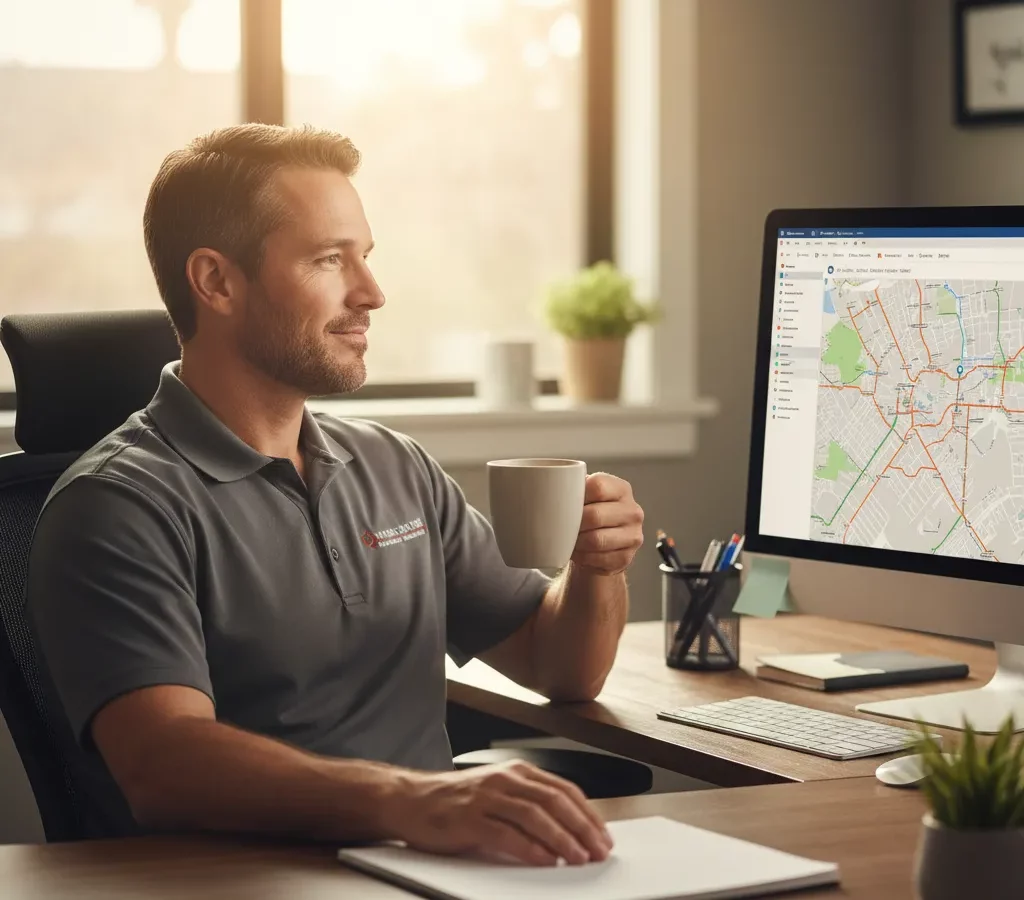
TL;DR: A route planner for plumbing operations transforms chaotic scheduling into organized, profitable routes that cut drive time by 20-30% while improving customer satisfaction. Smart route optimization addresses the daily challenge of balancing emergency calls with scheduled maintenance across service territories. Multi-stop optimization tools like Zeo Route Planner help manage complex plumbing schedules by automatically resequencing stops when priorities change.
Running a plumbing business means juggling emergency calls, scheduled maintenance, and parts deliveries across town every single day. Your technicians spend hours driving between jobs instead of fixing pipes and earning revenue. A route planner for plumbing operations transforms this chaos into organized, profitable schedules that put more money in your pocket.
Manual route planning costs plumbing businesses thousands of dollars monthly in wasted fuel, overtime pay, and lost appointments. Smart route optimization cuts drive time by 20-30% while keeping customers happy with accurate arrival times.
Why Manual Route Planning is Costing Your Plumbing Business Money
Your dispatcher looks at a map, plots five service calls, and sends Mike to the north side first. Three hours later, Mike sits in traffic heading back south for an emergency repair he could have handled first. Meanwhile, your customer waits at home, taking time off work.
This scenario happens dozens of times weekly in plumbing businesses using manual scheduling. According to the U.S. Department of Transportation, commercial vehicles waste 25% of their fuel due to inefficient routing and traffic delays.
Manual planning creates several costly problems. Technicians drive 30-40% more miles than necessary between jobs. You pay overtime when routes run late because of poor sequencing. Customers reschedule when technicians arrive outside promised windows.
Emergency calls disrupt entire daily schedules. Your dispatcher scrambles to reassign jobs, creating even longer drive times and delays. Driver tracking software becomes essential when managing multiple technicians across different neighborhoods. Parts deliveries get mixed up when multiple technicians crisscross the same neighborhoods.
Consider a typical Tuesday morning: You have eight service calls spread across your coverage area. Manual planning might route your technician from downtown to the suburbs, back to downtown, then out to the suburbs again. Smart routing keeps them in one area before moving to the next, cutting miles and time in half.
The real cost isn’t just fuel. Lost productivity means fewer completed jobs per day. Delayed appointments lead to cancelled services and unhappy customers who call competitors next time.
Key Features Every Plumbing Route Planner Should Have
Effective route planning software needs specific capabilities that match plumbing business operations. Basic mapping apps won’t handle the complexity of service scheduling, emergency calls, and technician specializations.
Real-time route optimization automatically adjusts schedules when new emergency calls arrive. Your software should instantly recalculate the best sequence for all remaining stops, minimizing disruption to existing appointments.
Multiple vehicle routing handles your entire fleet simultaneously. The system considers each technician’s location, skills, and available time slots when assigning new jobs. This prevents scheduling a water heater installation with someone who doesn’t carry the right equipment.
Time window management lets you promise specific arrival times to customers. The software accounts for job duration, drive time, and buffer periods to create realistic schedules that technicians can actually meet.
Skills-based routing matches jobs to qualified technicians automatically. Your drain cleaning specialist gets the sewer line calls while your water heater expert handles installations. This improves job completion rates and reduces callbacks.
Mobile access keeps technicians updated throughout the day. Route changes, new addresses, and customer notes sync instantly to their phones. They see optimized directions to each stop without calling dispatch.
Zeo Route Planner addresses these needs with multi-stop optimization that handles complex plumbing schedules across service areas. The platform serves 2m+ users who need reliable routing for field service operations.
Service history integration shows previous visits, completed work, and customer preferences at each location. Your technician knows Mrs. Johnson’s water heater was serviced six months ago and she prefers afternoon appointments.
How to Optimize Daily Schedules for Emergency and Scheduled Calls
Balancing emergency plumbing calls with scheduled maintenance requires strategic planning that most dispatchers struggle with manually. Smart scheduling protects revenue from both service types without disappointing customers.
Reserve 20-30% of daily capacity for emergency calls in your initial schedule. This buffer prevents emergency work from completely disrupting planned appointments. Block these slots during peak emergency hours – typically mid-morning and early afternoon.
Create geographic zones that keep technicians in specific areas during certain hours. Schedule all north-side appointments in the morning, then move south after lunch. This reduces drive time when emergency calls arrive. Similar to how professionals reduce electrician travel time, plumbing operations benefit from strategic territory management.
Use job priority levels to guide scheduling decisions. Emergency repairs get highest priority, followed by same-day service calls, then routine maintenance. Your routing software should automatically suggest the best technician based on location and current workload.
Build realistic time estimates for common plumbing jobs. A simple faucet repair takes 45 minutes including drive time and paperwork. Water heater replacement needs 3-4 hours. Accurate estimates prevent schedule overruns that cascade through the entire day.
For example, when a burst pipe emergency comes in at 10 AM, your system identifies the closest available technician and reshuffles their remaining stops to minimize total drive time. The customer gets fast service while other appointments stay on track.
Schedule preventive maintenance during slower periods to fill gaps between emergency calls. These flexible appointments can move if urgent work comes up, keeping technicians productive throughout the day. Advanced HVAC emergency dispatch software principles apply equally well to plumbing emergency management.
Tools like Zeo Route Planner automatically resequence stops when priorities change, maintaining efficient routes even when emergency calls disrupt original schedules.

increase fuel savings
Save $200 on fuel, Monthly!
Optimize routes with our algorithm, reducing travel time and costs efficiently.
Get Started for Free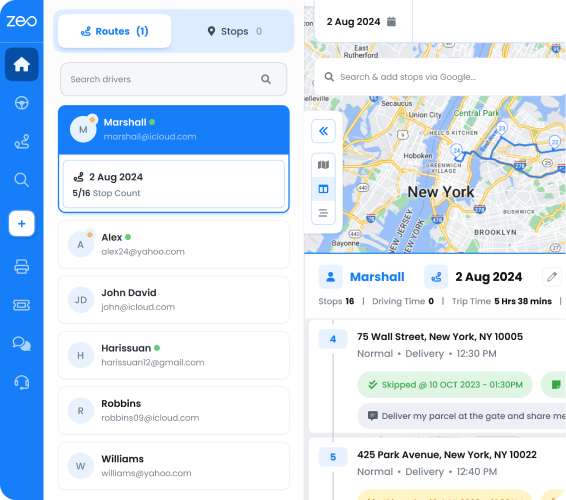
Reducing Fuel Costs and Drive Time with Smart Route Optimization
Fuel represents 15-20% of operating costs for most plumbing businesses, according to the National Association of Home Builders. Poor routing wastes one-quarter of this expense through unnecessary miles and traffic delays.
Route optimization algorithms calculate the shortest path between multiple stops while accounting for real-world factors like traffic patterns, road restrictions, and appointment windows. This cuts total drive time by 25-35% compared to manual planning.
Morning route analysis prevents backtracking across your service territory. Instead of sending technicians randomly between neighborhoods, optimized routes keep them in geographic clusters throughout the day. A technician might handle three jobs in the same zip code before moving to the next area.
Dynamic rerouting saves additional fuel when plans change. When a customer cancels or reschedules, the system immediately recalculates the most efficient sequence for remaining stops. Your technician doesn’t drive to a cancelled appointment or take a longer path to the next job.
Real-time traffic integration finds the fastest path at any moment. Rush hour traffic might make the highway route 20 minutes longer than surface streets. Your routing software adapts automatically, saving fuel and keeping appointments on schedule.
Consider this comparison: Manual routing for eight daily service calls typically generates 120-150 miles of driving. Optimized routing covers the same jobs in 85-100 miles. At current fuel prices, this saves $15-25 per technician per day, or $4,000-6,000 annually for a five-truck operation.
Vehicle capacity optimization ensures technicians carry the right parts and tools for their assigned routes. This prevents return trips to the shop for forgotten equipment, eliminating unnecessary miles. Following a comprehensive route optimization guide helps maximize these fuel savings.
Improving Customer Communication and Service Windows
Accurate arrival times separate professional plumbing services from competitors who give vague “sometime between 8 and 5” estimates. Customers want specific information so they can plan their day around your service visit.
Route optimization enables precise time windows by calculating actual drive times between appointments. Instead of guessing arrival times, you provide data-driven estimates that account for job duration, travel distance, and current traffic conditions.
Automated customer notifications keep clients informed throughout the service day. Text messages or emails update customers when the technician finishes the previous job and provides an updated arrival time. This transparency builds trust and reduces anxious phone calls to your office.
GPS tracking shows exactly where technicians are located and when they’ll arrive at the next appointment. Dispatchers can proactively contact customers if delays occur, offering options to reschedule or wait for the delayed arrival.
According to a 2026 study by the Service Industry Research Foundation, customers who receive accurate arrival time updates rate service experiences 40% higher than those receiving generic time windows.
Real-time updates handle inevitable schedule changes professionally. When an emergency call delays your technician by an hour, affected customers receive immediate notification with new arrival times. Many prefer this honesty to showing up unannounced or very late.
Mobile apps let customers track technician location and estimated arrival time, similar to rideshare services. This visibility reduces uncertainty and missed appointments when customers need to step out briefly.
Service window optimization balances customer preferences with operational efficiency. Morning people get early slots while working professionals receive after-hours appointments. Route planning software factors these preferences into daily schedules.
Solutions such as Zeo Route Planner provide GPS tracking and automated notifications that keep customers informed throughout the service process, contributing to the platform’s 4.8 rating from satisfied users. These communication features are part of broader customer retention strategies that successful service businesses implement.
Two-way communication tools let technicians update job status and completion times directly from their mobile devices. Customers receive instant notifications when work finishes, enabling faster payment processing and improved satisfaction scores.
Frequently Asked Questions
Q: How much can route optimization reduce fuel costs for plumbing businesses?Route optimization typically reduces fuel costs by 25-35% for plumbing operations by eliminating unnecessary miles and preventing backtracking across service territories. At current fuel prices, this translates to $4,000-6,000 in annual savings for a five-truck plumbing operation.
Q: What’s the best way to handle emergency plumbing calls without disrupting scheduled appointments?Reserve 20-30% of daily capacity for emergency calls and create geographic zones that keep technicians in specific areas during certain hours. This buffer system allows emergency work to be accommodated while maintaining scheduled appointments with minimal disruption.
Q: How do plumbing businesses provide accurate arrival times to customers?Modern route planners for plumbing operations calculate precise time windows by factoring in actual drive times, job duration, and current traffic conditions. Tools like Zeo Route Planner provide GPS tracking and automated notifications that keep customers informed throughout the service process, contributing to higher satisfaction ratings.
Q: What features should plumbing contractors look for in routing software?Essential features include real-time route optimization for emergency calls, skills-based routing to match jobs with qualified technicians, time window management for customer appointments, and mobile access for field updates. The software should also handle multiple vehicles simultaneously and integrate with service history data.
Q: How does poor route planning impact plumbing business profitability?Manual route planning costs plumbing businesses thousands monthly through wasted fuel, overtime pay, and lost appointments. Technicians often drive 30-40% more miles than necessary, leading to fewer completed jobs per day and customer cancellations when arrival times can’t be met reliably.
Start Your Free Trial Today
Stop losing money on inefficient plumbing routes that waste fuel and frustrate customers. Modern route planning software pays for itself within the first month through reduced drive time and improved productivity. Your technicians complete more jobs while customers receive better service with accurate arrival times. Start your free trial today and see how route optimization transforms your plumbing business operations.
Are you a fleet owner?
Want to manage your drivers and deliveries easily?
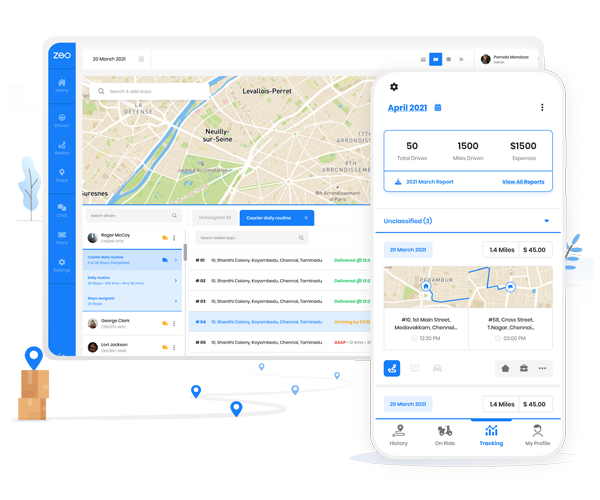
Grow your business effortlessly with Zeo Routes Planner – optimize routes and manage multiple drivers with ease.
increase fuel savings
Save $200 on fuel, Monthly!
Optimize routes with our algorithm, reducing travel time and costs efficiently.
Get Started for Free