


# How to Reduce Propane Delivery Costs by 20-30% in 2026
> TL;DR: Propane delivery companies can reduce operational costs by 20-30% through route optimization, bulk delivery coordination, and eliminating emergency deliveries that cost 2-3x more than scheduled runs. AI-powered route optimization tools like Zeo Route Planner address these inefficiencies with capacity-based routing and real-time tracking, helping propane delivery teams save 2+ hours daily while maximizing truck utilization.
Propane delivery costs are crushing profit margins across the industry. Between rising fuel prices, inefficient routes, and emergency delivery premiums, many propane companies are struggling to maintain profitability while keeping prices competitive.
The good news? You can reduce delivery costs by 20-30% without cutting service quality. This guide shows you exactly how to optimize every aspect of your propane delivery operations to maximize efficiency and protect your bottom line.
The Hidden Costs Crushing Propane Delivery Profitability
Most propane delivery companies focus on obvious costs like fuel and labor. But the real profit killers are hidden inefficiencies that compound daily.
Route Planning Waste costs you more than you realize. When drivers plan their own routes or follow outdated delivery sequences, they often backtrack across town multiple times. A driver covering 15 stops might drive 180 miles instead of the optimal 120 miles – that’s 33% more fuel and labor costs per route.
Emergency Deliveries destroy your margins. These rushed deliveries cost 2-3 times more than scheduled runs because drivers make single-stop trips during peak hours. According to the U.S. Energy Information Administration, propane demand peaks create delivery bottlenecks that force emergency runs when better scheduling could prevent them.
Poor Truck Utilization means you’re running half-empty vehicles. Many companies dispatch trucks at 60-70% capacity because they don’t coordinate deliveries by geography and tank requirements. This forces more trips and higher per-gallon delivery costs.
Lack of Customer Communication creates costly problems. When customers aren’t updated about delivery windows, you waste time on callbacks, missed deliveries, and rescheduling. Each failed delivery attempt costs $40-60 in labor and fuel.
These hidden costs add up fast. A 15-truck fleet losing just $50 per day per truck to inefficiencies bleeds $273,750 annually in preventable costs.
How to Reduce Propane Delivery Costs: Smart Route Optimization Cuts Fuel and Labor
Route optimization is your biggest opportunity to slash delivery costs. The right route optimization techniques cut fuel consumption by 25-30% and reduce overtime by eliminating inefficient driving patterns.
Start with Geographic Clustering. Group deliveries by area and plan logical sequences that minimize backtracking. Instead of spreading Tuesday’s deliveries across the entire service area, concentrate on 2-3 neighborhoods per truck.
Factor in Propane-Specific Constraints. Your routing must account for truck capacity limits, customer tank sizes, and delivery time windows. A residential route might handle 12 stops while a commercial route serves only 6 larger accounts.
Optimize by Driver Skills and Equipment. Some drivers handle hazmat deliveries better, while others excel at residential customer service. Match routes to driver strengths and truck specifications.
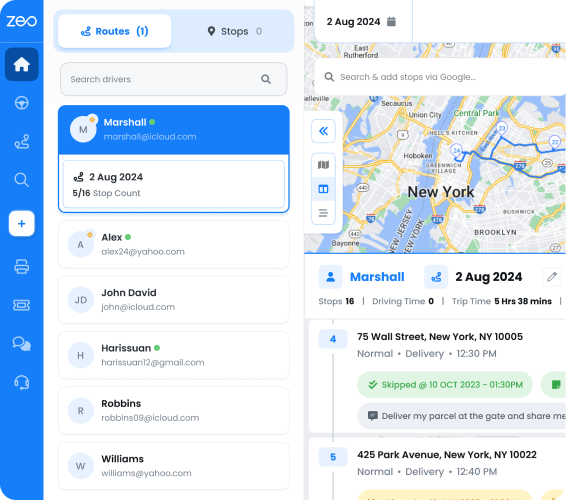
AI-powered route optimization platforms automate this complex process. Zeo Route Planner’s AI considers all constraints simultaneously – vehicle capacity, time windows, driver skills, and geographic efficiency. The system saves drivers 2+ hours daily by eliminating manual route planning and reducing drive time between stops.
Your drivers receive optimized routes directly through the Zeo mobile app, complete with turn-by-turn navigation and customer details. This eliminates confusion while giving managers real-time visibility into delivery progress.
Plan Routes the Night Before. Never send drivers out with same-day route planning. Optimal routes require analyzing multiple variables that take time to process properly.
Bulk Delivery Strategies: Maximizing Truck Capacity and Reducing Trip Frequency
Smart capacity management directly impacts your per-gallon delivery costs. The more efficiently you use truck space, the fewer trips you need.
Coordinate Customer Orders by Geography. When customers in the same area need propane within a few days of each other, combine these deliveries on one truck. This requires good customer communication and flexible scheduling.
Implement Minimum Delivery Quantities for non-emergency service. Customers requesting less than 50 gallons might wait an extra day to join a more efficient route. Most customers accept this trade-off for lower delivery fees.
Track and Predict Usage Patterns. Commercial customers often have predictable consumption rates. A restaurant using 100 gallons every 3 weeks can be scheduled proactively rather than reactively.
Balance Truck Loading Strategically. Don’t just fill trucks to capacity – load them for efficient unloading sequences. The first delivery should be at the back of the truck, with subsequent stops loaded toward the front.
Use Customer Data to Optimize Tank Sizes. Customers with undersized tanks create frequent delivery requests. Upgrading a customer from a 120-gallon to 500-gallon tank might reduce delivery frequency from monthly to quarterly.
Consider offering incentives for customers who accept less frequent, larger deliveries. A 5% discount for customers taking 200+ gallon deliveries often pays for itself through reduced delivery costs.
Eliminating Emergency Deliveries Through Predictive Scheduling and Customer Communication
Emergency deliveries kill profitability because they force single-stop trips at premium labor rates. Proactive scheduling eliminates most emergency calls.
Track Customer Usage Patterns to predict when tanks will need refilling. A customer who uses 40 gallons monthly and last filled to 80% capacity will need service in approximately 6 weeks. Schedule them before they call.
Implement Automatic Delivery Programs for consistent customers. Residential customers who use propane for heating have predictable seasonal patterns. Commercial accounts often show weekly consistency.
Send Proactive Delivery Reminders via text or email. Notify customers when their tank is likely 40% full and schedule delivery before they reach emergency levels.
Establish Emergency Delivery Fees that reflect true costs. Charging $75-100 extra for same-day service encourages customers to plan ahead while covering your costs when emergencies are unavoidable.
Real-time customer communication prevents many emergency situations. When customers know exactly when delivery will arrive, they can plan accordingly and avoid running out of propane.
Customer notifications through SMS, email, and live tracking links keep customers informed throughout the delivery process. This transparency reduces callbacks and missed deliveries while building customer trust.
Technology Solutions: Real-Time Tracking and Route Adjustments That Save Money
Modern delivery operations need real-time visibility and adjustment capabilities. The right technology platform pays for itself by preventing costly problems before they escalate.
Real-time vehicle tracking shows you exactly where trucks are and whether they’re following optimal routes. When a driver takes an inefficient detour, you can intervene immediately rather than discovering the problem during weekly route analysis.

increase fuel savings
Hassle Free Deliveries & Pickups!
Optimize routes with our algorithm, reducing travel time and costs efficiently.
Get Started for Free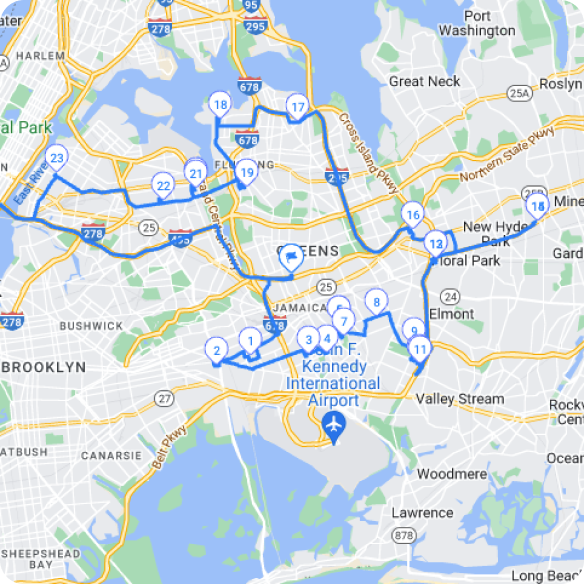
Live Route Adjustments handle unexpected situations without destroying efficiency. When a customer cancels last-minute, you can reassign that stop to another truck in the area.
Digital proof of delivery eliminates disputes and provides documentation for billing. Photo capture and digital signatures through mobile apps create instant records that prevent costly billing disputes.
Performance Analytics identify which routes, drivers, and strategies deliver the best results. Track metrics like miles per delivery, deliveries per hour, and fuel consumption per gallon delivered.
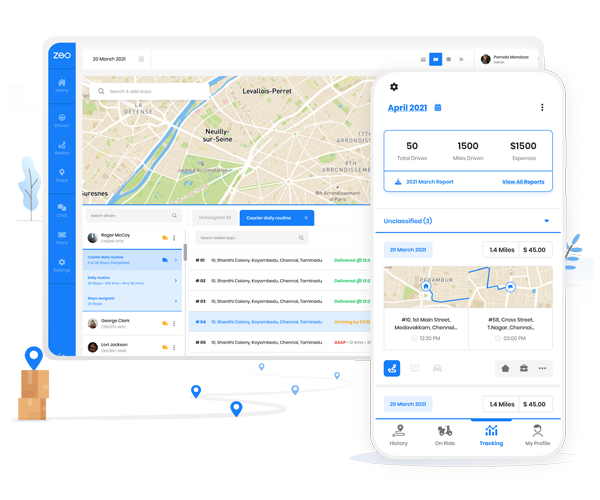
Zeo Route Planner provides comprehensive tracking and analytics for propane delivery operations. The platform serves 1.5+ million users across 150+ countries who rely on its real-time GPS tracking, route optimization, and proof of delivery features to maximize delivery efficiency.
Integration Capabilities connect your routing system with existing business software. When your CRM or billing system automatically updates delivery schedules, you eliminate manual data entry and reduce scheduling errors.
A mid-sized propane company in Texas reduced delivery costs by 28% within 60 days of implementing comprehensive route optimization and tracking. They eliminated 4 hours of daily overtime across their 12-truck fleet while improving customer satisfaction scores.
Negotiating Better Margins: Using Delivery Efficiency to Justify Pricing
Operational efficiency gives you negotiating power with customers and competitive advantages in pricing discussions.
Document Your Efficiency Improvements to justify pricing structures. When you can show customers that optimized routing and scheduling deliver reliable service, you can maintain premium pricing instead of competing solely on price.
Offer Service Level Options based on delivery efficiency. Customers who accept flexible delivery windows within 2-day ranges get standard pricing. Those requiring specific time windows pay premium rates that reflect the additional routing complexity.
Bundle Services to increase delivery efficiency and customer value. A customer needing both propane delivery and tank maintenance gets better pricing when services are coordinated on the same truck visit.
Create Volume Incentives that improve your operational efficiency. Customers who consistently order larger quantities or accept geographic clustering with neighbors earn discounts that reflect your reduced per-gallon delivery costs.
Use Efficiency Data in Sales Conversations. When prospects compare your pricing to competitors, explain how route optimization and real-time tracking ensure reliable delivery windows. Many customers pay modest premiums for dependable service.
According to the National Propane Gas Association, companies with optimized delivery operations maintain 15-20% higher gross margins than those relying on manual routing and scheduling.
Seasonal Pricing Strategies can smooth demand and improve efficiency. Offer discounts for summer fills when demand is lower, then use higher winter pricing to reflect increased delivery complexity during peak season.
The key is positioning efficiency improvements as customer benefits rather than internal cost-cutting measures. Customers value reliability, communication, and predictable service – all byproducts of optimized operations.
Frequently Asked Questions
Q: What percentage of propane delivery costs can be reduced through route optimization?
Most propane companies can reduce delivery costs by 20-30% through systematic route optimization. This includes eliminating backtracking, improving truck utilization, and reducing emergency deliveries that cost 2-3 times more than scheduled runs.
Q: How do emergency propane deliveries impact profit margins?
Emergency deliveries destroy profitability because they force single-stop trips during peak hours at 2-3 times the cost of regular scheduled deliveries. Companies can eliminate most emergency calls through predictive scheduling based on customer usage patterns and proactive communication.
Q: What truck utilization rate should propane delivery companies target?
Propane delivery companies should aim for 85-90% truck capacity utilization rather than the industry average of 60-70%. Zeo Route Planner helps achieve this through capacity-based routing that considers vehicle weight limits and customer tank requirements while optimizing geographic efficiency.
Q: How can propane companies reduce fuel costs without cutting service quality?
Geographic clustering of deliveries, elimination of backtracking routes, and optimized delivery sequences can cut fuel consumption by 25-30%. Smart routing that factors in propane-specific constraints like hazmat requirements and tank sizes maintains service quality while maximizing efficiency.
Q: What metrics should propane delivery managers track to control costs?
Key metrics include miles per delivery, deliveries per hour, fuel consumption per gallon delivered, first-attempt delivery rate, and truck capacity utilization. Real-time tracking through platforms like Zeo Route Planner provides performance analytics across all these metrics, serving 1.5+ million users who rely on data-driven route optimization.
Start Optimizing Your Propane Delivery Operations Today
Reducing propane delivery costs by 20-30% isn’t theoretical – it’s achievable through systematic optimization of routes, scheduling, and operations. The companies that implement these strategies gain significant competitive advantages through lower costs and better customer service.
Route optimization, bulk delivery coordination, and predictive scheduling eliminate the hidden costs that destroy profitability. Combined with real-time tracking and performance analytics, these improvements compound over time.
For additional strategies on cost reduction across delivery operations, explore our comprehensive guide on how to reduce last mile delivery costs and learn about Department of Transportation hazmat safety requirements that impact propane delivery operations.
Start a free trial of Zeo Route Planner to optimize your propane delivery routes and reduce operational costs by up to 30%. See how AI-powered routing and real-time tracking can transform your delivery efficiency within days, not months.
Are you a fleet owner?
Want to manage your drivers and deliveries easily?
Grow your business effortlessly with Zeo Routes Planner – optimize routes and manage multiple drivers with ease.
increase fuel savings
Save 2 Hours on Deliveries, Everyday!
Optimize routes with our algorithm, reducing travel time and costs efficiently.
Get Started for Free