


# How to Reduce Beverage Delivery Costs by 20-30% in 2026
> TL;DR: Beverage distributors can reduce delivery costs by 20-30% through systematic route optimization, driver efficiency improvements, and technology integration. The largest savings come from eliminating overtime costs and reducing fuel expenses through smarter routing. AI-powered route optimization tools like Zeo Route Planner address these challenges with automated route planning and real-time tracking, helping beverage delivery teams save 2+ hours daily.
Rising fuel prices, labor shortages, and increasing customer demands are squeezing profit margins for beverage distributors nationwide. If you’re managing delivery operations for restaurants, convenience stores, and retail locations, you’ve likely seen delivery costs climb faster than revenue. Understanding how to reduce beverage delivery costs becomes critical when operational expenses directly impact your bottom line.
The good news? Companies that implement systematic cost reduction strategies report 20-30% savings on delivery operations. This guide breaks down exactly how to reduce beverage delivery costs through proven operational improvements and technology integration.
The True Cost of Beverage Delivery: Breaking Down Your Biggest Expenses
Understanding where your money goes is the first step to cutting costs. According to the Bureau of Labor Statistics, transportation and logistics costs increased 8.2% year-over-year in 2026, making cost analysis more critical than ever.
Labor costs typically account for 60-70% of total delivery expenses. This includes driver wages, benefits, overtime pay, and time spent on administrative tasks. For a 20-driver operation, overtime alone can add $50,000-80,000 annually if routes aren’t optimized.
Fuel expenses represent 15-20% of delivery costs. Poor routing decisions compound this expense. A driver making unnecessary stops or backtracking across town can waste 2-3 gallons per route. With diesel averaging $3.80 per gallon, inefficient routing costs $200-400 monthly per driver.
Vehicle maintenance and insurance add another 10-15%. Excessive mileage from poor routing accelerates wear on brakes, tires, and engines. Failed deliveries requiring return trips double the maintenance burden on specific vehicles.
Hidden costs include failed delivery attempts, customer service calls, and administrative overhead. Each failed delivery costs an estimated $15-25 in driver time, fuel, and rescheduling efforts. Operations without real-time tracking often field 20-30 “where’s my delivery?” calls daily.
Route Optimization: The Foundation for How to Reduce Beverage Delivery Costs
Manual route planning is the biggest cost drain in beverage delivery. Dispatchers spending 2-3 hours each morning planning routes create bottlenecks that delay departures and increase overtime.
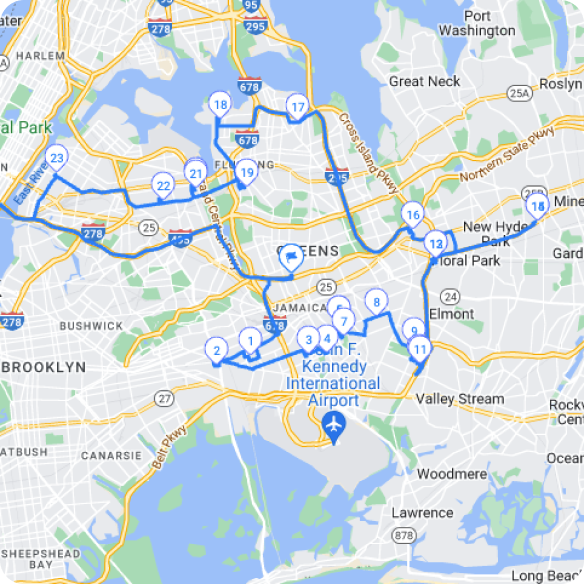
Efficient routing reduces daily mileage by 20-25% on average. Instead of drivers zigzagging across territories, optimized routes group nearby stops and eliminate backtracking. A 150-mile route often becomes 110-120 miles with proper optimization.
Time window management becomes crucial for beverage delivery. Restaurants need deliveries before lunch rushes, while convenience stores prefer morning restocking. Smart routing honors these constraints while minimizing total drive time.
Zeo Route Planner’s AI-powered route optimization handles these complexities automatically, reducing daily planning time from hours to minutes while cutting route distances by 20-30%. The platform considers vehicle capacity limits, driver skills, and customer time windows simultaneously.
Capacity optimization prevents costly partial loads. Beverage cases are heavy and bulky. Route optimization that considers weight and volume limits ensures trucks run at capacity without overloading. This reduces the total number of routes needed weekly.
Consider this real example: A beverage distributor in Phoenix reduced their daily routes from 12 to 9 by optimizing stops and capacity utilization. This eliminated three driver positions through attrition while maintaining the same delivery volume.
Driver Efficiency Strategies: Reducing Labor Costs Without Sacrificing Service
Driver productivity directly impacts your bottom line. Small efficiency improvements compound across your entire fleet.
Eliminate morning route planning delays. Drivers waiting 30-45 minutes for route assignments costs money before trucks leave the yard. Digital route distribution gets drivers on the road faster.
Your drivers receive optimized routes directly on their phones via the Zeo mobile app, complete with turn-by-turn navigation and customer details. This eliminates paperwork delays and ensures drivers start deliveries immediately.
Reduce time per stop through better preparation. Drivers who know exactly what to deliver at each location work faster. Digital delivery manifests with stop-specific details prevent confusion and reduce dwell time.
Implement proof of delivery systems. Paper delivery tickets create administrative burden and disputes. Digital signatures and photo confirmation through mobile apps eliminate paperwork while providing instant delivery confirmation.
Minimize overtime through workload balancing. Some drivers finishing in 6 hours while others work 10+ hours indicates poor route distribution. Balanced workloads prevent overtime costs and driver burnout.
Track performance metrics that matter. Monitor stops per hour, on-time delivery rates, and customer feedback. Drivers who understand expectations perform better and require less supervision.
The average beverage delivery driver completes 15-20 stops daily. Increasing this to 22-25 stops through efficiency improvements can reduce your driver count by 15-20% through natural attrition.
Customer Delivery Window Management: Balancing Service Levels with Operational Efficiency
Tight delivery windows increase costs but may be necessary for customer retention. The key is managing these requirements strategically.
Offer incentives for flexible delivery windows. Customers who accept 4-hour windows instead of 1-hour windows are cheaper to serve. Consider small discounts or priority treatment for flexible customers.
Group time-sensitive deliveries geographically. If multiple restaurants need morning deliveries, route them as a cluster rather than mixing them with all-day delivery stops.
Communicate proactively about delays. Real-time tracking and automated notifications prevent customer service calls and maintain relationships even when delays occur. Zeo’s customer notification system sends automatic SMS and email updates with live tracking links, reducing customer inquiries by 70%.
Use priority stop features strategically. Mark truly urgent deliveries as priority, but avoid overusing this feature. Too many “priority” stops eliminate routing efficiency.
Establish clear delivery policies. Customers understand reasonable boundaries when communicated clearly. A policy requiring minimum order sizes for specific time windows helps control costs.
Technology Integration: Connecting Route Planning with Inventory and Customer Management
Standalone route optimization helps, but integrated systems deliver greater cost savings.
Connect order management to route planning. Manual data entry between systems wastes time and creates errors. Direct integration ensures accurate delivery information without double-entry.

increase fuel savings
Save 2 Hours on Deliveries, Everyday!
Optimize routes with our algorithm, reducing travel time and costs efficiently.
Get Started for Free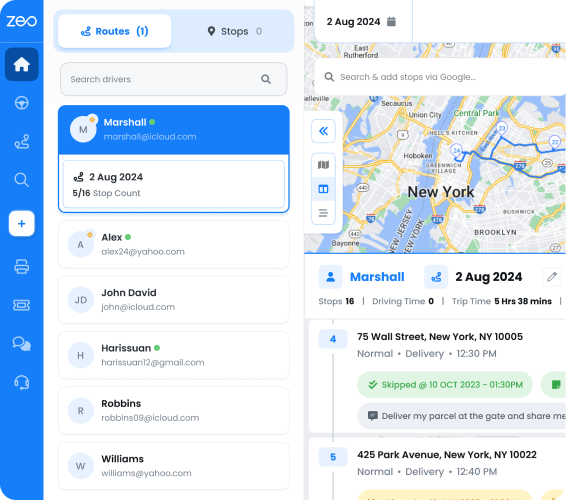
Integrate with customer relationship management. Delivery history, customer preferences, and service notes help drivers provide better service while working efficiently.
Zeo integrates with popular platforms like Shopify and WooCommerce for automatic order import, plus connects to over 1,000 applications through fleet management software integration. This eliminates manual data entry while ensuring accurate delivery information.
Use analytics to identify improvement opportunities. Track metrics like cost per delivery, fuel efficiency by route, and driver productivity. Data reveals patterns that manual observation misses.
Implement customer self-service options. Live tracking links reduce customer service calls. Customers can track deliveries in real-time rather than calling for updates.
Consider API integrations for custom workflows. Larger operations often need specialized connections between route planning and inventory management systems.
Measuring Success: ROI Calculations and Key Performance Metrics for Cost Reduction
Tracking the right metrics ensures your cost reduction efforts deliver measurable results.
Calculate cost per delivery as your primary metric. Total delivery costs divided by deliveries completed gives you a baseline for improvement. Benchmark this monthly and set reduction targets.
Monitor fuel costs per mile. Track fuel expenses against total miles driven. Improving routing should reduce this metric consistently.
Measure driver productivity through stops per hour. Include both drive time and delivery time in calculations. Productivity improvements indicate successful efficiency initiatives.
Track on-time delivery rates. Cost reductions that hurt customer service create long-term problems. Maintain 95%+ on-time performance while reducing costs.
Calculate overtime as percentage of total labor costs. Efficient operations typically keep overtime under 5% of total driver wages.
Return on investment for route optimization technology. According to American Trucking Associations research, companies using route optimization software see ROI within 2-3 months through reduced fuel costs and improved driver productivity.
A typical 25-truck beverage operation spending $80,000 monthly on delivery costs can save $16,000-24,000 monthly through systematic cost reduction. This represents $192,000-288,000 in annual savings. For additional insights on cost reduction strategies, explore our guide on how to reduce last mile delivery costs.
Monitor customer satisfaction alongside cost metrics. Use delivery feedback scores and complaint volumes to ensure cost cutting doesn’t damage service quality.
The most successful beverage distributors track these metrics weekly and adjust operations based on data trends rather than gut feelings.
Frequently Asked Questions
Q: What percentage of beverage delivery costs can realistically be reduced through operational improvements?
Companies implementing systematic cost reduction strategies typically achieve 20-30% savings on delivery operations. The largest savings come from route optimization (reducing mileage by 20-25%) and improved driver efficiency (eliminating overtime costs). Zeo Route Planner’s AI-powered optimization helps beverage distributors achieve these results by reducing daily planning time from hours to minutes while cutting route distances significantly.
Q: Which delivery expenses should beverage distributors focus on first for maximum cost reduction?
Start with labor costs since they represent 60-70% of total delivery expenses. Focus on eliminating overtime through better route distribution and reducing morning planning delays. Next, tackle fuel costs through route optimization to reduce unnecessary mileage and backtracking across delivery territories.
Q: How do time windows affect beverage delivery costs and efficiency?
Tight delivery windows increase operational costs but may be necessary for customer retention. The key is managing requirements strategically by offering incentives for flexible windows, grouping time-sensitive deliveries geographically, and using priority stop features selectively. Effective time window management can reduce route complexity while maintaining service levels.
Q: What metrics should beverage distributors track to measure delivery cost reduction success?
Track cost per delivery as your primary metric, along with fuel costs per mile, driver productivity (stops per hour), and overtime as a percentage of total labor costs. Route optimization technology like Zeo Route Planner provides analytics on these key performance indicators, with companies typically seeing ROI within 2-3 months through reduced fuel costs and improved driver productivity.
Q: How does vehicle capacity planning impact beverage delivery costs?
Proper capacity optimization prevents costly partial loads and ensures trucks run at maximum efficiency without overloading. Beverage cases are heavy and bulky, so route optimization must consider both weight and volume limits. This reduces the total number of routes needed weekly and can eliminate driver positions through natural attrition while maintaining delivery volume.
Reducing beverage delivery costs requires systematic attention to routing efficiency, driver productivity, and operational optimization. Companies implementing comprehensive cost reduction strategies consistently achieve 20-30% savings while improving customer service levels.
For more information on implementing these strategies with advanced routing technology, visit the DOT’s commercial vehicle routing guidelines for compliance requirements and best practices.
Start a free trial of Zeo Route Planner to see how much you can reduce your beverage delivery costs through AI-powered route optimization and integrated delivery management.
Are you a fleet owner?
Want to manage your drivers and deliveries easily?
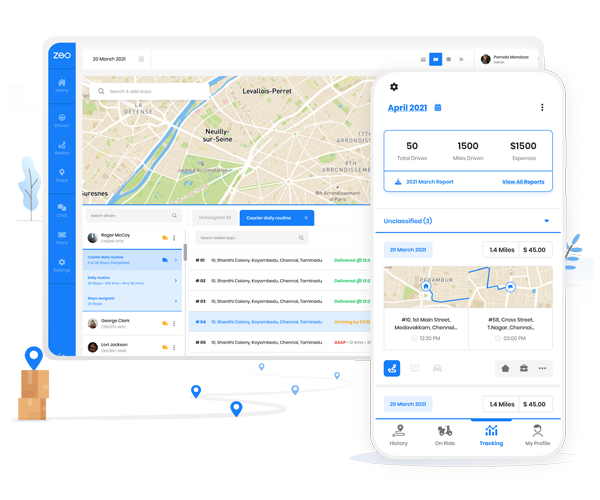
Grow your business effortlessly with Zeo Routes Planner – optimize routes and manage multiple drivers with ease.
increase fuel savings
Hassle Free Deliveries & Pickups!
Optimize routes with our algorithm, reducing travel time and costs efficiently.
Get Started for Free