


# How to Optimize Pool Cleaning Routes in 2026
Running a pool service business means juggling dozens of stops across multiple neighborhoods every day. Learning how to optimize pool cleaning routes is crucial for business success – if you’re spending 1-2 hours each morning planning routes manually, you’re not alone.
Most pool service owners face the same challenge. You have recurring customers on different schedules, seasonal demand changes, and last-minute requests that throw off your entire day.
The good news? Learning how to optimize pool cleaning routes can transform your operation. Companies that switch from manual planning to optimized routing save 20-30% on drive time while improving customer satisfaction.
The Hidden Costs of Inefficient Pool Service Routes
Poor route planning hits your bottom line harder than you might realize. According to Department of Labor statistics on fuel costs, inefficient routes can waste 30-40% more gas as technicians zigzag across town.
But fuel is just the beginning. Overtime costs pile up when technicians can’t finish routes on time. Customer complaints increase when service windows become unpredictable.
Consider this scenario: Your technician starts in the north part of town, drives south for two stops, then back north for three more. That extra 45 minutes of drive time costs you $25 in labor and fuel per day. Multiply that by 10 technicians over a year – you’re looking at $65,000 in wasted costs.
The hidden costs add up quickly. Stressed technicians make more mistakes. Vehicle maintenance increases with excessive mileage. You turn away new customers because you can’t fit them into already inefficient routes. Pool service route optimization software can help address these challenges systematically.
Pool Service Route Variables: Beyond Just Distance
Optimizing pool cleaning routes involves more than finding the shortest path between stops. You need to consider multiple variables that affect your daily operations.
Service frequency creates the foundation of your routing strategy. Weekly customers need consistent day assignments, while bi-weekly customers require careful scheduling to avoid conflicts.
Time windows matter more in pool service than most industries. Customers expect you during specific hours, especially when they work from home or have security systems.
Equipment requirements vary by customer. Some pools need specialized chemicals or equipment that only certain technicians carry. Others have accessibility issues that require specific vehicle types.
Seasonal factors change everything. Summer brings more frequent cleanings and chemical treatments. Winter might reduce frequency but increase equipment maintenance time per stop.
Technician skills and certifications affect assignments too. Not every technician can handle complex repairs or chemical balancing issues.
Step-by-Step Guide to Optimizing Your Pool Cleaning Routes
Start by mapping all your current customers. Plot them on a map and identify natural clusters by neighborhood or area. This visual approach reveals obvious inefficiencies in your current routes.
Group customers by service frequency first. Separate weekly, bi-weekly, and monthly clients. Then organize each group by geographic location.
Assign consistent days to each area. Monday might cover the north suburbs, Tuesday handles downtown, and so on. This creates predictable patterns for both technicians and customers.
Build buffer time into each route. Pool service often involves unexpected issues – broken equipment, difficult access, or customer questions. Plan 15-20% extra time per route to avoid constant delays.
Consider drive time between stops, not just distance. Highway miles move faster than residential streets. Account for traffic patterns during your typical service hours.
Test your new routes with one technician for a week. Track drive time, completed stops, and any issues. Adjust based on real-world feedback before rolling out company-wide.
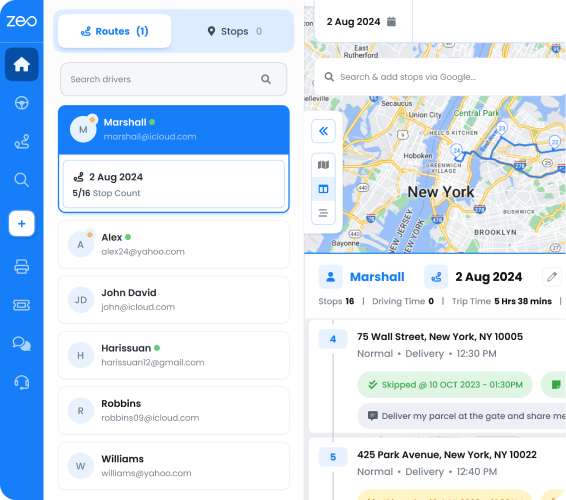
Use route optimization software to handle the complex calculations. For comprehensive guidance on this process, check out how to manage pool service routes efficiently. Tools like Zeo Route Planner can process all these variables instantly, creating optimized routes that would take hours to plan manually.
Advanced Pool Route Strategies: Seasonal Planning and Customer Clustering
Seasonal demand fluctuations require flexible routing strategies. Plan different route structures for peak and off-season periods.
During summer months, you might run tighter geographic clusters with more stops per day. Winter routes could cover larger areas with fewer stops, focusing on maintenance and repairs.
Customer clustering goes beyond simple geography. Group customers with similar service needs together. Route all your salt-water pool customers on the same day so technicians carry the right chemicals and equipment.
Create specialized routes for high-maintenance customers. Some pools require extra attention due to heavy usage, problematic equipment, or environmental factors. Grouping these customers gives technicians adequate time and mental preparation.
Plan backup routes for common scenarios. When technicians call in sick or equipment breaks down, you need quick alternatives. Pre-planned backup routes prevent chaos and maintain customer service levels. Modern field service management solutions can help automate these contingency plans.
Consider customer value in your clustering decisions. Route your highest-value customers during peak technician performance hours, typically mid-morning after they’re warmed up but before afternoon fatigue sets in.
Measuring Success: ROI Metrics for Route Optimization
Track specific metrics to measure your route optimization success. Average drive time per stop provides the clearest picture of efficiency improvements.
Monitor fuel costs per technician per day. This metric directly reflects route efficiency and gives you concrete savings numbers.

increase fuel savings
Hassle Free Deliveries & Pickups!
Optimize routes with our algorithm, reducing travel time and costs efficiently.
Get Started for Free
Customer satisfaction scores often improve with optimized routes. More predictable arrival times and less-rushed technicians lead to better service quality.
Revenue per technician per day should increase as routes become more efficient. Technicians complete more stops in less time, directly boosting your bottom line.
Track overtime hours per week. Optimized routes should significantly reduce overtime costs as technicians finish their routes within regular hours.
Vehicle maintenance costs may decrease with reduced mileage and less stop-and-go driving. Monitor this metric over several months to see the full impact.
Calculate your total ROI by comparing these metrics before and after route optimization. According to Small Business Administration efficiency reports, most pool service companies see 15-25% cost savings within the first quarter. Implementing comprehensive route optimization software can help achieve these results consistently.
Technology Integration: From Route Planning to Service Completion
Modern route optimization requires integrated technology solutions. Managers plan optimized routes on web platforms while technicians receive their daily routes directly on mobile devices.
Your technicians receive optimized routes through mobile apps with turn-by-turn navigation and customer details. This eliminates the need for paper route sheets and reduces navigation errors.
Real-time tracking helps you monitor route progress and communicate accurate arrival times to customers. When delays occur, you can proactively notify affected customers.
Digital proof of service streamlines completion documentation. Technicians capture service photos and customer signatures at each pool, automatically syncing to your office system.
Customer communication becomes automated with integrated platforms. Customers receive service notifications, can track technician progress, and get completion confirmations without office staff involvement.
Route adjustments happen instantly when changes arise. Add emergency stops, reschedule appointments, or reassign routes without disrupting your entire day’s plan.
Integration with your billing system automates service completion tracking. Completed stops automatically generate invoices, reducing administrative work and improving cash flow. Advanced fleet management software can integrate all these functions into one comprehensive solution.
Frequently Asked Questions
Q: What is the best way to optimize pool cleaning routes for maximum efficiency?
The most effective approach combines geographic clustering with service frequency grouping, then uses route optimization software to handle complex calculations. Zeo Route Planner can automatically process variables like time windows, equipment requirements, and traffic patterns to create optimized routes that typically save 20-30% on drive time.
Q: How much money can pool service companies save with optimized routing?
Most pool service companies see 15-25% cost savings within the first quarter of implementing route optimization. This includes reduced fuel costs (30-40% savings), lower overtime expenses, and decreased vehicle maintenance from reduced mileage.
Q: Should pool cleaning routes change seasonally?
Yes, seasonal demand fluctuations require flexible routing strategies. Summer routes should focus on tighter geographic clusters with more frequent cleanings, while winter routes can cover larger areas with emphasis on maintenance and repairs rather than regular cleaning schedules.
Q: What factors should be considered when planning pool service routes besides distance?
Key factors include service frequency (weekly, bi-weekly, monthly), customer time windows, equipment requirements, technician skills and certifications, accessibility issues, and seasonal demand changes. Route optimization tools like Zeo Route Planner can process all these variables simultaneously for optimal results.
Q: How do you handle last-minute changes to established pool cleaning routes?
Build 15-20% buffer time into each route to accommodate unexpected issues like equipment problems or customer requests. Use route optimization software that allows real-time adjustments, enabling you to add emergency stops or reschedule appointments without disrupting the entire day’s plan.
Optimizing your pool cleaning routes transforms daily chaos into smooth operations. You’ll save money on fuel and labor while improving customer satisfaction through reliable service windows. Industry data from the National Association of Pool Professionals shows that systematic route optimization is becoming essential for competitive pool service businesses.
The key is starting with a clear understanding of your current inefficiencies, then implementing systematic improvements. Technology can handle the complex calculations, but success depends on planning and execution.
Ready to see how much time and money you could save? Start your free 14-day trial of Zeo Route Planner to transform your pool service routes from chaotic to optimized.
Are you a fleet owner?
Want to manage your drivers and deliveries easily?
Grow your business effortlessly with Zeo Routes Planner – optimize routes and manage multiple drivers with ease.
increase fuel savings
Save 2 Hours on Deliveries, Everyday!
Optimize routes with our algorithm, reducing travel time and costs efficiently.
Get Started for Free