


# How to Manage Pool Cleaning Routes Efficiently in 2026
Running a pool service company means juggling weekly cleanings, emergency calls, and chemical deliveries across dozens of properties. If you’re still planning routes manually each morning, you’re bleeding time and money. Learning how to manage pool cleaning routes efficiently is crucial for maximizing your profit margins and keeping customers satisfied.
The pool service industry has evolved rapidly, but many owners still rely on outdated scheduling methods. According to the Bureau of Labor Statistics, grounds maintenance and cleaning services are experiencing steady growth, making efficient operations more critical than ever. Smart route management isn’t just about getting from point A to point B anymore. It’s about maximizing revenue per mile while keeping customers happy.
Let’s transform your chaotic scheduling into a profit-generating machine.
Why Traditional Pool Route Management Falls Apart (And Costs You Money)
Manual route planning works fine when you have three technicians and 50 pools. But as you grow, the cracks start showing.
Picture this: It’s Monday morning, and you’re plotting routes for five technicians. Mrs. Johnson calls with a green pool emergency. Your chemical supplier changes delivery schedules. Rain threatens half your Tuesday appointments.
Suddenly, you’re spending two hours every morning redrawing routes on a whiteboard.
The hidden costs add up fast. Extra drive time means higher fuel costs and fewer pools cleaned per day. Missed appointments damage customer relationships. Technicians get frustrated with inefficient routes and poor communication.
Most pool service owners don’t realize they’re losing $15,000-30,000 annually to poor route management. That’s enough to hire another technician or upgrade your entire chemical inventory.
Traditional methods fail because they treat route planning as a daily puzzle instead of a systematic process. You need frameworks, not firefighting.
The 4-Step Pool Route Optimization Framework: From Chaos to Clockwork
Great pool route management follows a predictable pattern. Here’s the framework that transforms chaos into clockwork.
Step 1: Map Your Service Zones
Divide your territory into geographic zones based on drive time, not arbitrary boundaries. Each zone should represent 45-60 minutes of driving between the furthest points.
Smart pool companies assign one technician per zone on specific days. This creates route density and reduces windshield time.
Plot your pools on a map and look for natural clusters. Highway barriers, bridges, and traffic patterns matter more than straight-line distances.
Step 2: Design Recurring Route Templates
Build standard routes for each service day that account for pool type, service duration, and customer preferences. A basic cleaning takes 20 minutes, but pools with equipment issues need 45 minutes.
Create morning and afternoon route templates. Morning routes hit commercial properties and early-bird customers. Afternoon routes focus on residential pools where owners prefer later service.
Buffer time between appointments. Fifteen minutes covers travel and unexpected issues without creating massive delays.
Step 3: Implement Dynamic Scheduling
Your route templates handle 80% of appointments. The remaining 20% requires dynamic scheduling for emergencies, chemical deliveries, and weather disruptions.
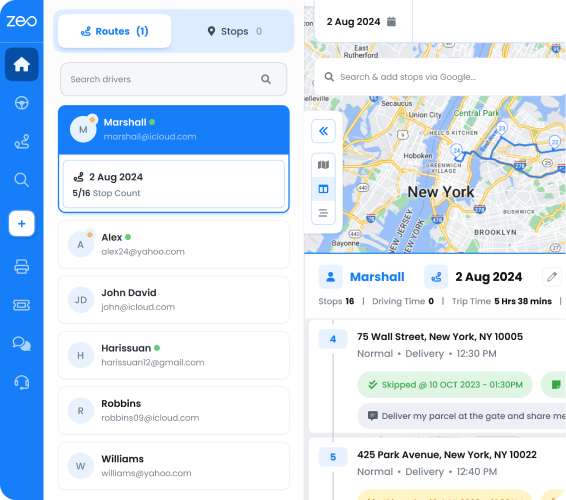
Modern pool service companies use pool service route optimization software that automatically adjusts schedules when disruptions occur. Your technicians receive updated routes directly on their mobile devices through apps like Zeo, complete with turn-by-turn navigation and customer details.
This eliminates the morning phone tag and keeps everyone informed in real-time.
Step 4: Monitor and Optimize
Track key metrics weekly: average drive time between stops, pools serviced per technician per day, and customer satisfaction scores.
Good pool route management delivers 8-12 pool cleanings per technician daily with minimal drive time. If you’re hitting 6-8 pools, your routes need optimization.
Review routes monthly and adjust zones based on new customers, canceled accounts, and seasonal patterns.
Handling the Curveballs: Emergency Calls, Chemical Deliveries, and Weather Disruptions
Pool service isn’t predictable. Algae blooms don’t follow schedules, and rainstorms don’t check your calendar.
Emergency calls require immediate response, but they shouldn’t destroy your entire day’s routes. The best approach: designate one technician per day as your “flex” person who handles emergencies and covers route overflows.
Chemical deliveries create another scheduling challenge. Instead of disrupting regular routes, batch chemical runs into dedicated delivery days or assign them to technicians already serving nearby zones.
Weather disruptions demand flexible thinking. Light rain doesn’t prevent pool cleaning, but thunderstorms do. Build weather buffers into your schedule and communicate proactively with customers about rescheduling.
Smart pool companies maintain standby indoor tasks for weather days: equipment maintenance, chemical inventory, customer calls, or route planning for busy periods.
The key is having systems that bend without breaking when curveballs hit.
Scaling Your Pool Routes: From 5 Pools to 500 Without Losing Your Mind
Scaling pool routes isn’t just about adding more technicians. It’s about building systems that work independently of your daily involvement.
Start with zone expansion. When a zone reaches capacity (45-50 pools for weekly service), split it geographically. This maintains route density while accommodating growth.
Hire technicians strategically. Don’t wait until you’re overwhelmed. Add capacity when existing technicians hit 40-45 pools each. This prevents service quality decline and technician burnout.
Create standard operating procedures for route management. Document zone assignments, emergency protocols, and scheduling rules. New managers should be able to run operations using your systems.
Technology becomes crucial at scale. Manual scheduling breaks down completely beyond 200-300 pools. Learning how to optimize pool cleaning routes with proper software isn’t optional anymore—it’s survival equipment.
Consider specialization as you grow. Some technicians excel at equipment repairs, others at basic maintenance. Match skills to route requirements for better efficiency and customer satisfaction.

increase fuel savings
Hassle Free Deliveries & Pickups!
Optimize routes with our algorithm, reducing travel time and costs efficiently.
Get Started for Free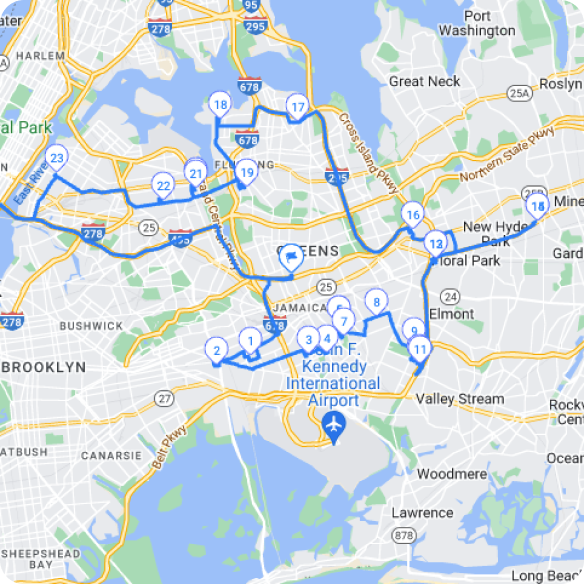
Technology Stack: Tools That Turn Route Management Into a Competitive Advantage
The right technology transforms route management from daily drudgery into competitive advantage. Here’s what modern pool service companies use.
Route optimization software handles the complex math of efficient routing. Platforms like Zeo Route Planner automatically sequence stops, account for time windows, and adjust routes when changes occur.
Your technicians receive optimized routes directly on their mobile devices, with real-time updates when emergency calls come in or weather forces schedule changes. No more calling drivers to explain route adjustments.
GPS tracking provides real-time visibility into technician locations and estimated arrival times. Customer notifications about service windows reduce “where’s my technician?” calls significantly.
Digital work orders eliminate paperwork and improve communication. Technicians document service details, chemical readings, and equipment issues directly in mobile apps.
Customer management systems track service history, billing information, and special instructions. Integration with route planning ensures technicians have complete customer context before arriving.
Proof of service features like photos and timestamps protect against service disputes while demonstrating professionalism.
30-Day Implementation Roadmap: Your Path to Automated Pool Route Excellence
Transforming pool route management doesn’t happen overnight. Follow this proven 30-day roadmap based on Small Business Administration efficiency recommendations.
Week 1: Assessment and Planning
Map your current routes and identify inefficiencies. Calculate current pools per technician per day and total drive time. Survey technicians about scheduling frustrations and route challenges.
Week 2: Technology Setup
Choose and implement route optimization software. Import customer data and create initial route templates. Train key staff on new systems.
Week 3: Pilot Testing
Run optimized routes with one technician while maintaining existing schedules for others. Collect feedback and adjust parameters. Test emergency call integration.
Week 4: Full Rollout
Deploy optimized routes across all technicians. Monitor performance closely and make real-time adjustments. Document procedures and train backup personnel.
The first week shows minor improvements. By week four, most pool service companies see 20-30% reduction in drive time and 15-25% increase in daily pool capacity.
Results compound over time as you refine routes and expand service capacity. Industry leaders from the National Association of Pool Professionals consistently report that systematic route optimization is one of the highest-impact improvements pool service businesses can make.
Frequently Asked Questions
Q: How can I manage pool cleaning routes efficiently without expensive software?
Start by mapping your service zones geographically and creating recurring route templates for each day. You can use basic tools like Google Maps to plot customers and group them by proximity, but for businesses with more than 50 pools, dedicated route optimization software like Zeo Route Planner becomes essential for handling the complexity efficiently.
Q: What’s the average number of pools a technician should clean per day?
A well-optimized pool cleaning operation should achieve 8-12 pool cleanings per technician daily with minimal drive time. If your technicians are only hitting 6-8 pools, your routes likely need optimization through better geographic clustering and scheduling.
Q: How do weather disruptions affect pool cleaning route management?
Weather disruptions require flexible scheduling systems that can quickly adjust routes and notify customers. The best approach is maintaining standby indoor tasks for weather days and using route management software like Zeo Route Planner that can automatically reschedule appointments and send real-time updates to both technicians and customers.
Q: When should I split my pool cleaning zones as my business grows?
Split zones when they reach capacity of 45-50 pools for weekly service. This maintains route density while accommodating growth. The key is expanding geographically rather than overloading existing technicians, which leads to service quality decline and burnout.
Q: What’s the biggest mistake pool service companies make with route planning?
The biggest mistake is treating route planning as a daily puzzle instead of a systematic process. Many companies lose $15,000-30,000 annually by manually plotting routes each morning instead of creating standardized zone assignments and using technology to handle dynamic scheduling needs.
—
Efficient pool route management isn’t luck—it’s systematic planning combined with smart technology. The companies winning in 2026 treat route optimization as a core competency, not an afterthought.
Your technicians deserve routes that make sense. Your customers deserve reliable service windows. You deserve systems that grow your business instead of consuming your time.
Start your free trial of Zeo Route Planner and see how pool service companies are cutting drive time by 30% while handling 40% more customers.
Are you a fleet owner?
Want to manage your drivers and deliveries easily?
Grow your business effortlessly with Zeo Routes Planner – optimize routes and manage multiple drivers with ease.
increase fuel savings
Save 2 Hours on Deliveries, Everyday!
Optimize routes with our algorithm, reducing travel time and costs efficiently.
Get Started for Free