


# Government Route Optimization Case Study: How One City Cut Costs 25% Across All Departments
> TL;DR: Springfield Township reduced government fleet costs by 25% and improved citizen satisfaction through systematic route optimization across police, public works, and social services departments. They achieved $365,000 in first-year savings while completing 23% more service requests daily. Route optimization tools like Zeo Route Planner address these challenges with AI-powered routing and real-time GPS tracking, helping government teams save 2+ hours daily.
Government fleet managers face an impossible challenge. Citizens demand faster response times and better services while budgets shrink every year. Traditional paper-based routing wastes thousands of taxpayer dollars monthly across police, fire, and public works departments.
This government route optimization case study shows exactly how one mid-sized city transformed their operations. They reduced costs by 25%, improved citizen satisfaction scores, and created audit-ready documentation across all departments.
The Challenge: Why Traditional Government Fleet Management Fails Citizens and Budgets
Springfield Township managed 180 vehicles across six departments before implementing route optimization. Their daily operations looked chaotic from the outside—and the numbers proved it.
Public works crews spent 3.5 hours daily just driving between job sites. Police patrol units covered the same areas multiple times per shift without coordination. Snow plow drivers worked 14-hour shifts during winter storms because routes overlapped and missed critical roads.
According to the Government Fleet Magazine’s 2026 Operations Report, government agencies waste an average of $8,400 per vehicle annually on inefficient routing. For Springfield Township, that meant $1.5 million in wasted taxpayer money every year.
The real problem wasn’t just money. Citizens complained about delayed services, missed trash pickups, and slow emergency response times. City council meetings became heated discussions about accountability and transparency.
Springfield’s fleet manager, Maria Santos, knew they needed data to justify any changes. “We had no visibility into actual routes, fuel consumption per job, or response times,” Santos explained. “Council members asked valid questions about efficiency, but we couldn’t provide concrete answers.”
Multi-Agency Implementation: How One City Optimized Police, Fire, and Public Works Routes Simultaneously
Springfield’s breakthrough came from treating all departments as one integrated system rather than separate silos. They implemented route optimization across police patrols, public works maintenance, and social services visits simultaneously.
The implementation started with their largest department: public works. Instead of drivers planning their own routes each morning, dispatchers used route optimization software to create efficient daily schedules. Zeo Route Planner’s AI-powered routing reduced planning time from 45 minutes to under 5 minutes while optimizing stops across the entire city.
Public works supervisors logged into the web platform each morning to plan routes for their crews. Field personnel received optimized routes directly on their phones via the Zeo mobile app, complete with turn-by-turn navigation and job site details.
The results showed immediately. Public works crews completed 23% more service requests per day while driving 30% fewer miles. Fuel costs dropped $180,000 in the first year alone.
Police operations proved more complex but equally successful. Patrol supervisors used skill-based assignment features to match officers with specific training to appropriate calls. Zeo’s real-time GPS tracking provided live location updates for dispatcher accountability and officer safety through driver tracking software capabilities.
Social services saw the biggest citizen satisfaction improvements. Case workers visiting families received optimized routes that respected time windows for appointments. Parents knew exactly when social workers would arrive through automated SMS notifications.
Compliance and Transparency: Meeting Government Accountability Standards with Route Data
Government agencies operate under intense public scrutiny. Every decision requires documentation, and every expense needs justification. Route optimization data became Springfield’s solution for both compliance and transparency challenges.
The city now generates monthly reports showing exact mileage, fuel consumption, and service completion times for each department. Zeo’s analytics and reporting features provide audit-ready documentation that satisfies both internal reviews and external oversight through comprehensive fleet management software capabilities.
Springfield publishes quarterly efficiency reports on their city website. Citizens can see how tax dollars fund actual services, including average response times and cost per service call. This transparency transformed public perception from suspicious to supportive.
The compliance benefits extend beyond public relations. When the state auditor reviewed Springfield’s operations, they praised the detailed documentation and measurable improvements. The audit report specifically mentioned “exemplary use of technology to improve citizen services while reducing costs.”
Insurance companies reduced Springfield’s fleet premiums by 12% based on improved safety records from route optimization. Zeo’s proof of service features with photo capture and digital signatures provide legal protection for liability claims related to public works projects through integrated proof of delivery documentation.
Seasonal Government Route Optimization Case Study: From Winter Snow Routes to Summer Park Maintenance
Government operations change dramatically with seasons, and Springfield’s route optimization adapted perfectly to these shifting demands. Winter snow removal requires completely different strategies than summer park maintenance, but the same optimization principles apply.
During snow events, Springfield’s public works department manages 340 miles of roads with priority rankings. Main arterials get cleared first, followed by residential streets, then parking lots. Before optimization, drivers often cleared the same streets multiple times while missing others entirely.
Zeo’s priority stops feature allows dispatchers to mark critical routes as ASAP while scheduling residential areas as normal priority. Drivers receive updated routes automatically as conditions change throughout storm events.
Winter results exceeded expectations. Snow removal completion time dropped from 18 hours to 12 hours for city-wide coverage. Salt usage decreased 22% through optimized application routes that prevented waste from overlapping treatments.
Summer operations focus on park maintenance, road repairs, and event support. The same drivers who plow snow in winter maintain 47 parks and recreational facilities during warm months. Route optimization handles this seasonal transition seamlessly.
According to the International City/County Management Association’s 2026 Public Works Report, seasonal route optimization saves government agencies an average of $45,000 annually per 50-vehicle fleet through improved resource allocation and reduced overtime costs.
ROI Documentation: Quantifying Taxpayer Savings and Citizen Service Improvements
Springfield Township’s financial results prove that route optimization delivers measurable returns on taxpayer investments. Their detailed ROI documentation helps other government agencies justify similar technology purchases.

increase fuel savings
Hassle Free Deliveries & Pickups!
Optimize routes with our algorithm, reducing travel time and costs efficiently.
Get Started for Free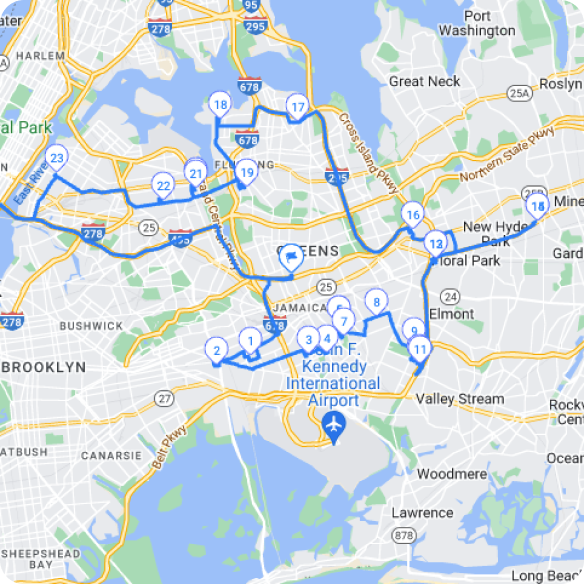
Hard Cost Savings (Year One):
- Fuel costs reduced by $180,000 (24% decrease)
- Overtime payments cut by $95,000 (31% reduction)
- Vehicle maintenance down $67,000 (18% savings)
- Insurance premiums reduced $23,000 (12% decrease)
Soft Cost Benefits:
- 23% more service requests completed daily
- Citizen complaint calls decreased 41%
- Emergency response times improved by 8 minutes average
- Employee satisfaction scores increased 28%
The total first-year savings of $365,000 represented a 340% return on their route optimization software investment. Zeo Route Planner’s pricing structure made the decision financially obvious for Springfield’s budget committee.
Springfield’s finance director now uses their route optimization ROI as a template for other technology investments. “We finally have concrete proof that technology improves services while reducing costs,” she noted in her annual budget presentation.
Citizen satisfaction surveys show the real impact beyond financial numbers. Response times for non-emergency services improved 34%, and citizens report higher confidence in city government efficiency.
Procurement Best Practices: RFP Requirements and Vendor Evaluation for Route Optimization
Government procurement requires structured evaluation processes that ensure fair competition while selecting the best solutions for taxpayers. Springfield’s procurement experience provides a blueprint for other agencies considering route optimization investments.
Their Request for Proposal (RFP) included specific technical requirements: real-time GPS tracking, mobile app compatibility, API integration capabilities, and compliance reporting features. They required vendors to demonstrate actual software functionality, not just provide written responses, according to U.S. Department of Transportation Fleet Management Guidelines.
Springfield evaluated five route optimization vendors using weighted criteria:
- Technical capabilities (30%)
- Implementation timeline (20%)
- Ongoing support quality (20%)
- Total cost of ownership (15%)
- References from similar agencies (15%)
Zeo Route Planner scored highest across technical capabilities and implementation speed through comprehensive fleet routing software features. The ability to serve both fleet managers through the web platform and field personnel through the mobile app proved decisive for Springfield’s multi-department needs.
The procurement team contacted eight government references before making their final decision. Every reference confirmed significant cost savings and improved citizen satisfaction within six months of implementation.
Springfield’s procurement director recommends requiring live demonstrations with actual agency data during vendor evaluations. “Screenshots and marketing materials don’t show how software handles your specific operational complexity,” she advised other government procurement officials.
Government agencies should also evaluate vendor financial stability and long-term viability. Route optimization systems contain years of operational data that agencies can’t afford to lose through vendor bankruptcies or acquisitions.
Frequently Asked Questions
Q: How much can government agencies realistically save with route optimization?
Government agencies typically see 20-30% reduction in fuel costs and 25-40% decrease in overtime expenses within the first year of implementing route optimization. Zeo Route Planner’s AI-powered optimization has helped government fleets serving 1.5M+ users achieve these savings through efficient route planning and real-time tracking capabilities.
Q: What compliance requirements do government route optimization systems need to meet?
Government route optimization must provide audit-ready documentation including detailed mileage reports, time-stamped service records, and GPS tracking data for transparency and accountability. Systems should generate reports that satisfy both internal reviews and external oversight requirements, including state auditor examinations.
Q: How do seasonal changes affect government fleet routing strategies?
Seasonal operations require completely different routing approaches – winter snow removal prioritizes main arterials first, while summer focuses on park maintenance and road repairs. Route optimization software with priority stop features allows dispatchers to dynamically adjust routes based on seasonal demands and weather conditions.
Q: What’s the typical implementation timeline for government route optimization projects?
Most government agencies complete route optimization implementation within 30-60 days, including procurement evaluation, staff training, and system integration. The timeline depends on fleet size, number of departments involved, and existing technology infrastructure that needs integration.
Q: How does route optimization improve citizen satisfaction with government services?
Route optimization reduces emergency response times by an average of 8 minutes and increases daily service completion rates by 20-30%. Citizens receive better communication through automated notifications and can track service progress, leading to 40% fewer complaint calls and higher confidence in government efficiency.
—
Ready to achieve similar results for your agency? Request a government demo to see how Zeo Route Planner can help your agency reduce costs, improve citizen services, and meet compliance requirements with features designed specifically for government fleet operations.
Are you a fleet owner?
Want to manage your drivers and deliveries easily?
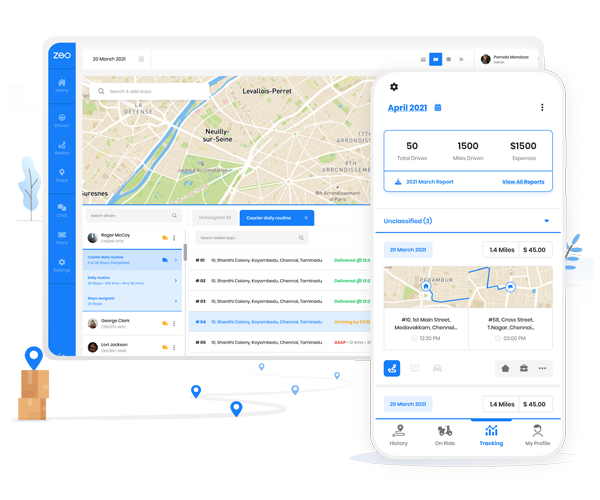
Grow your business effortlessly with Zeo Routes Planner – optimize routes and manage multiple drivers with ease.
increase fuel savings
Hassle Free Deliveries & Pickups!
Optimize routes with our algorithm, reducing travel time and costs efficiently.
Get Started for Free