


# Refrigerated Truck Route Planning Challenges: Solutions That Protect Your Cold Chain and Bottom Line
> TL;DR: Refrigerated truck route planning challenges stem from balancing temperature maintenance with delivery efficiency, often resulting in costly product spoilage and compliance violations. According to the FDA, temperature excursions cause billions in losses annually across cold chain operations. Route optimization tools like Zeo Route Planner address these refrigerated truck route planning challenges with AI-powered optimization and time window constraints, helping cold chain operations save 2+ hours daily.
Managing refrigerated truck routes feels like solving a puzzle where every piece affects the others. Change one delivery time, and you risk breaking the cold chain. Optimize for fuel efficiency, and you might compromise temperature compliance.
Operations managers handling temperature-sensitive goods face unique challenges that traditional route planning simply can’t address. The stakes are higher when a routing mistake means spoiled pharmaceuticals or contaminated food products.
The Hidden Costs of Poor Refrigerated Route Planning
Poor refrigerated truck route planning creates a cascade of expensive problems that extend far beyond fuel waste. The most obvious cost is product spoilage, but the hidden expenses often prove more damaging.
Product Loss and Insurance Claims
When routes force drivers to make unnecessary stops or extend delivery windows, refrigeration units work harder to maintain temperature. According to the Food and Drug Administration, temperature excursions cause billions in losses annually across the cold chain industry.
A single pharmaceutical shipment worth $50,000 becomes worthless if temperatures rise above specified ranges. Food deliveries face similar risks, with spoiled inventory triggering insurance claims and customer refunds.
Compliance Violations and Regulatory Fines
Temperature-sensitive deliveries must meet strict regulatory requirements. Poor routing that extends delivery times increases the risk of temperature violations, leading to FDA warnings, failed audits, and costly compliance remediation.
Healthcare deliveries face particularly severe consequences. A violated cold chain for vaccines or biologics can result in regulatory investigations and substantial fines.
Driver Overtime and Fuel Waste
Inefficient routes directly impact labor costs through unnecessary overtime. Drivers spend extra hours navigating poorly planned stops, often in stop-and-go traffic that forces refrigeration units to work harder.
The Department of Energy reports that commercial refrigerated vehicles consume 20-30% more fuel than standard delivery trucks. Poor routing amplifies this difference significantly.
Customer Relationship Damage
Late deliveries due to routing inefficiencies strain customer relationships. Restaurant chains receiving spoiled ingredients or pharmacies dealing with compromised medications lose trust in your reliability.
Rebuilding damaged customer relationships costs far more than preventing the initial routing problems.
Why Traditional Route Planning Fails for Reefer Operations
Standard route optimization treats all deliveries equally, but refrigerated transport requires specialized considerations that basic planning software ignores.
Temperature Window Constraints
Traditional routing focuses on geographic efficiency without considering how delivery timing affects temperature maintenance. A route that looks optimal on paper might require extended idling or frequent door openings that compromise cold chain integrity.
Consider a pharmaceutical delivery route with eight stops. Traditional planning might arrange stops by proximity, but the optimal refrigerated route considers factors like:
- How long cargo doors remain open at each stop
- Whether delivery locations have dock facilities or require street-side unloading
- Time of day and ambient temperature effects
- Required temperature recovery time between stops
Vehicle Capacity vs. Temperature Zones
Many refrigerated operations run multi-temperature deliveries, carrying frozen, refrigerated, and ambient products simultaneously. Traditional route planning can’t optimize for the complex loading patterns these deliveries require.
A truck carrying frozen pharmaceuticals at -10°F alongside refrigerated vaccines at 35-46°F needs routes that minimize door openings and optimize unloading sequences. Standard software lacks this specialized logic.
Regulatory Compliance Integration
Traditional route planning doesn’t account for industry-specific regulations that affect delivery timing and documentation. Healthcare deliveries might require specific time windows for receiving personnel availability, while food service deliveries need to align with restaurant prep schedules.
Emergency Route Modifications
When temperature alerts occur during transit, drivers need immediate route adjustments that maintain cold chain integrity. Traditional systems can’t dynamically reoptimize routes based on real-time temperature data or equipment status.
A refrigeration unit malfunction requires immediate routing to the nearest appropriate facility, but basic planning software can’t integrate this emergency logic with ongoing delivery commitments.
Technology Solutions: Integrating Route Optimization with Cold Chain Management
Modern route optimization technology addresses refrigerated transport challenges through specialized algorithms that understand cold chain requirements.
AI-Powered Routing with Temperature Constraints
Advanced routing platforms incorporate temperature maintenance requirements directly into optimization algorithms. These systems balance delivery efficiency with cold chain integrity by considering:
- Ambient temperature forecasts affecting refrigeration load
- Historical temperature performance data for specific routes
- Vehicle-specific refrigeration capabilities and fuel consumption patterns
- Customer unloading time requirements that affect door-open duration
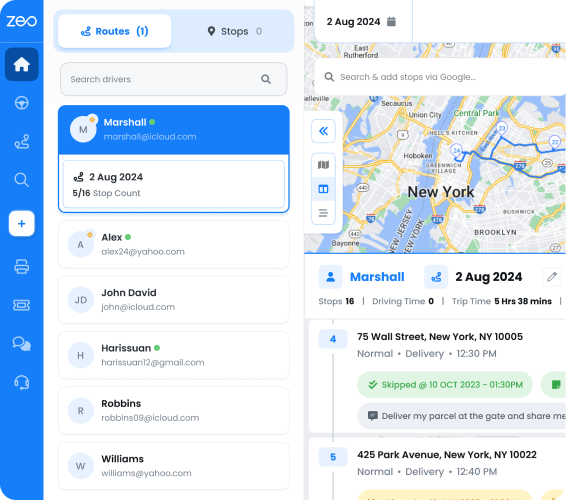
AI-powered route optimization like Zeo Route Planner solves this by integrating delivery time windows with priority stop assignments, ensuring temperature-critical deliveries receive optimal routing treatment while maintaining overall efficiency.
Multi-Zone Temperature Optimization
Sophisticated routing technology optimizes delivery sequences for multi-temperature loads. The system arranges stops to minimize temperature zone conflicts and reduce door opening frequency.
For example, a route carrying frozen vaccines, refrigerated medications, and room-temperature supplies gets optimized to deliver frozen items first when ambient temperatures are lowest, followed by refrigerated products, with ambient deliveries scheduled for any time.
Predictive Analytics for Route Performance
Modern platforms analyze historical route data to predict temperature performance and identify potential problems before they occur. This predictive capability helps operations managers avoid routes that historically cause temperature excursions.
The system might flag a particular delivery sequence that consistently results in extended door-open times or identify customers whose receiving processes create cold chain risks.
Real-Time Route Adjustments Without Breaking the Cold Chain
Emergency situations demand immediate route modifications that traditional systems can’t provide. Modern platforms enable dynamic route adjustments while maintaining cold chain integrity.
Equipment Failure Response
When refrigeration equipment malfunctions, every minute counts. Advanced routing systems automatically identify the nearest cold storage facility or service center while calculating revised delivery sequences for remaining stops.
The system instantly communicates alternative routes to drivers while notifying customers of potential delays. This rapid response capability often saves entire loads from spoilage.
Traffic and Weather Integration
Real-time GPS tracking and weather data integration helps avoid situations that stress refrigeration systems. The platform automatically routes around traffic congestion that would force extended idling or extreme weather that affects temperature maintenance.
During heat waves, the system might modify routes to prioritize early morning deliveries or avoid areas with poor air circulation that stress refrigeration units.
Customer Availability Changes
When customers reschedule deliveries, the system instantly recalculates optimal routes while maintaining temperature requirements. This dynamic adjustment prevents the domino effect that often occurs when one schedule change affects an entire route’s cold chain performance.
Zeo’s real-time GPS tracking with live ETA updates keeps customers informed of route adjustments, reducing the coordination burden on dispatch teams while maintaining service quality.
Driver Communication and Temperature Alert Systems During Transit
Effective cold chain management requires seamless communication between drivers and dispatch, especially when temperature issues arise during transit.
Integrated Mobile Communication
Drivers need immediate access to routing updates and temperature guidance without compromising their focus on safe driving and temperature monitoring. Modern platforms provide mobile interfaces designed specifically for refrigerated operations.
Your drivers receive optimized routes directly on their phones via the Zeo mobile app, complete with turn-by-turn navigation and temperature-specific delivery instructions. When temperature alerts occur, drivers can communicate real-time issues back to dispatch through the integrated messaging system.

increase fuel savings
Hassle Free Deliveries & Pickups!
Optimize routes with our algorithm, reducing travel time and costs efficiently.
Get Started for Free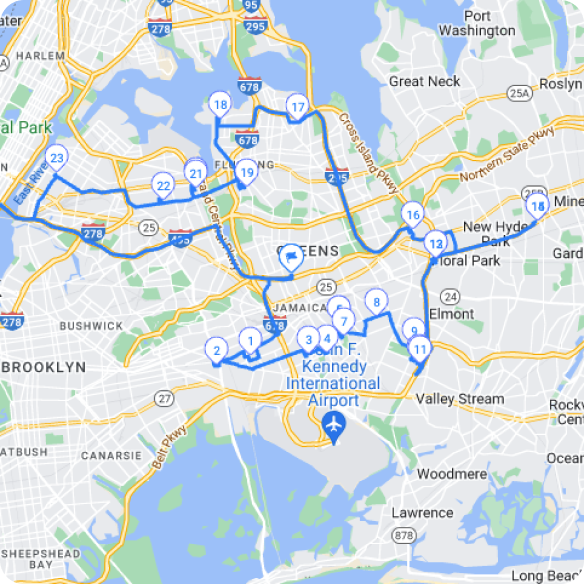
Automated Alert Systems
Advanced platforms automatically notify dispatch when temperature sensors detect excursions or when drivers report refrigeration problems. These alerts trigger immediate response protocols that minimize product loss.
The system might automatically identify backup delivery options or cold storage facilities while dispatch coordinates with customers about potential delays.
Documentation and Compliance Tracking
Digital proof of delivery systems help maintain compliance documentation for temperature-sensitive deliveries. Drivers capture photos of temperature readings, collect digital signatures, and record any delivery notes directly through the mobile platform.
Zeo’s proof of delivery system with photo capture, digital signatures, and delivery notes creates comprehensive compliance records while streamlining the delivery process for drivers.
Performance Feedback Loop
Real-time communication systems create valuable feedback loops that improve route planning over time. Drivers report actual temperature performance, delivery challenges, and customer-specific requirements that help optimize future routes.
This information feeds back into the routing algorithms, continuously improving temperature-focused optimization accuracy.
Measuring Success: KPIs That Matter for Refrigerated Route Efficiency
Refrigerated operations require specialized metrics that balance efficiency with cold chain integrity. Standard delivery KPIs miss the unique challenges of temperature-controlled transport.
Temperature Compliance Rate
Track the percentage of deliveries that maintain required temperature ranges throughout transit. This metric should be measured both by time in range and by delivery volume to identify patterns.
A 98% compliance rate sounds excellent, but if the 2% of violations affect high-value pharmaceutical shipments, the cost impact could be substantial.
Cost Per Compliant Delivery
Calculate total operational costs (fuel, labor, maintenance) divided by deliveries that maintain temperature compliance. This metric reveals the true cost of cold chain maintenance and helps justify investments in better routing technology.
Include insurance claims, product replacement costs, and regulatory compliance expenses in this calculation for accurate cost assessment.
Route Efficiency vs. Temperature Performance
Measure the correlation between route optimization efficiency and temperature maintenance success. The goal is maximizing both metrics simultaneously rather than sacrificing one for the other.
Track metrics like miles per delivery, delivery time variance, and fuel consumption alongside temperature compliance to identify optimal balance points.
Customer Satisfaction and Retention
Monitor customer complaints related to product quality, delivery timing, and temperature issues. Temperature problems often manifest as customer service issues rather than direct temperature alerts.
Survey customers receiving temperature-sensitive deliveries about product condition and delivery experience to catch problems before they escalate.
Equipment Performance and Maintenance
Track refrigeration unit performance across different routes and delivery patterns. Some routes might consistently stress equipment more than others, leading to higher maintenance costs and failure rates.
Monitor fuel consumption patterns, temperature recovery times, and maintenance schedules to identify routes that need optimization for equipment longevity.
Driver Performance and Training Needs
Measure driver compliance with temperature protocols, door-open time management, and proper handling procedures. Identify drivers who consistently achieve better temperature performance for training and best practice development.
Zeo’s driver performance analytics help identify patterns in delivery efficiency and compliance adherence, enabling targeted training programs that improve overall cold chain performance.
Return on Investment for Route Optimization
Calculate savings from reduced fuel consumption, lower product loss, decreased insurance claims, and improved customer retention against the cost of advanced routing technology.
Most operations see positive ROI within 3-6 months through reduced spoilage and improved operational efficiency, but tracking specific metrics validates the investment impact.
Frequently Asked Questions
Q: What temperature monitoring equipment is required for refrigerated truck deliveries?
Most refrigerated deliveries require continuous temperature monitoring devices that log data throughout transit. While specialized equipment handles the monitoring, route optimization software like Zeo’s photo capture and delivery notes features help drivers document temperature readings and maintain compliance records at each stop.
Q: How do you maintain cold chain integrity during multi-stop deliveries?
Multi-stop cold chain deliveries require minimizing door-open time, optimizing delivery sequences by temperature zones, and planning routes that account for ambient temperature changes throughout the day. Proper route planning reduces the total time products spend in transit and limits temperature exposure risks.
Q: What’s the average fuel cost increase for refrigerated trucks compared to standard delivery vehicles?
Refrigerated trucks typically consume 20-30% more fuel than standard delivery vehicles due to refrigeration unit operation. Poor routing can increase this difference significantly, making efficient route planning crucial for controlling operational costs in cold chain logistics.
Q: How do regulatory compliance requirements affect refrigerated delivery routing?
FDA and other regulatory requirements mandate specific temperature ranges and documentation for pharmaceutical and food deliveries. Zeo Route Planner’s time window constraints and priority stop features ensure temperature-critical deliveries receive optimal routing while maintaining digital compliance records through integrated proof of delivery documentation.
Q: What should drivers do if refrigeration equipment fails during a delivery route?
Equipment failures require immediate route modifications to minimize product loss. The best response involves quickly identifying the nearest cold storage facility, notifying dispatch for route adjustments, and communicating delays to affected customers while maintaining proper documentation of the incident.
Modern refrigerated truck route planning challenges require specialized solutions that understand cold chain requirements. Traditional routing approaches create expensive problems through temperature violations, product spoilage, and compliance failures.
Technology platforms designed for refrigerated operations integrate temperature constraints with route optimization, enabling real-time adjustments that maintain cold chain integrity while reducing operational costs.
The key to success lies in measuring the right metrics and choosing technology that balances efficiency with temperature compliance rather than forcing operators to choose between them. Following proven route optimization techniques specific to cold chain operations can help achieve both goals simultaneously.
Start a free trial to see how Zeo’s route optimization can reduce your refrigerated delivery costs while maintaining cold chain compliance.
Are you a fleet owner?
Want to manage your drivers and deliveries easily?
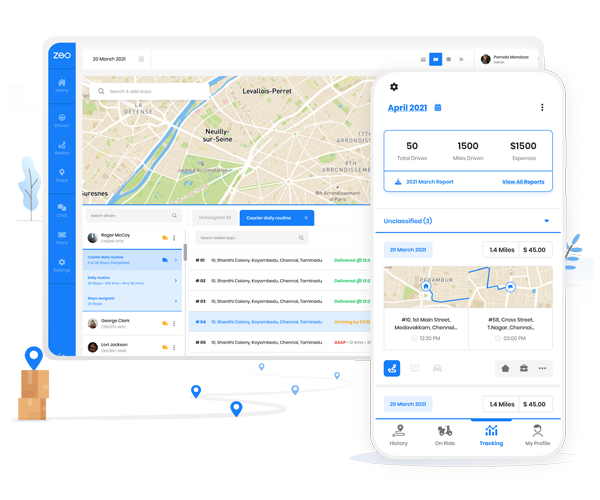
Grow your business effortlessly with Zeo Routes Planner – optimize routes and manage multiple drivers with ease.
increase fuel savings
Save 2 Hours on Deliveries, Everyday!
Optimize routes with our algorithm, reducing travel time and costs efficiently.
Get Started for Free