



# Fire Extinguisher Inspection Route Planning Guide 2026
> TL;DR: Effective fire extinguisher inspection route planning transforms chaotic scheduling into streamlined operations that maximize coverage while minimizing travel time. Poor routing wastes up to 30% of technician workdays in unnecessary travel between locations. Route optimization tools like Zeo Route Planner address this with AI-powered optimization and recurring schedule management, helping fire safety teams save 2+ hours daily.
Managing fire extinguisher inspection route planning across dozens of commercial properties feels like solving a puzzle with constantly moving pieces. Your technicians zigzag across town, inspection deadlines slip through the cracks, and compliance documentation gets scattered across clipboards and spreadsheets.
Effective fire extinguisher inspection route planning transforms this chaos into a streamlined operation that maximizes coverage while minimizing wasted travel time. The difference between manual scheduling and optimized routing can save your fire safety business 2+ hours per technician daily while ensuring zero missed inspections.
The Hidden Costs of Poor Fire Extinguisher Inspection Scheduling
Manual route planning creates expensive inefficiencies that compound across your entire operation. According to the Bureau of Labor Statistics fire inspection data, fire inspection technicians spend nearly 30% of their workday traveling between locations when routes aren’t optimized.
Consider a typical scenario: Your technician starts the day in downtown, drives 15 miles north to inspect a warehouse, then travels 20 miles south to check an office building that’s actually three blocks from their starting point. This backtracking pattern repeats throughout the week, burning fuel and limiting the number of inspections completed daily.
Poor scheduling also creates compliance risks. When technicians rush to make up time from inefficient routing, they might skip documentation steps or miss subtle equipment issues. The National Fire Protection Association standards reports that 60% of compliance failures stem from incomplete inspections rather than actual equipment problems.
Missed inspection windows compound these problems. A single delayed inspection can trigger a domino effect, pushing subsequent appointments back and forcing expensive emergency rescheduling. Some clients may even face regulatory penalties when inspections fall behind schedule, damaging your company’s reputation.
The administrative burden multiplies when route changes happen mid-day. Operations managers waste hours on phone calls redirecting technicians, while clients receive last-minute cancellation notices that erode trust in your service reliability.
Building Efficient Multi-Location Inspection Routes
Efficient fire extinguisher inspection route planning starts with understanding the geographical distribution of your client locations and the specific requirements for each site. Different properties require varying inspection times – a small retail shop might need 30 minutes while a manufacturing facility could require 3 hours.
Smart route construction groups nearby locations while respecting time constraints and technician skills. For example, industrial facilities often require specialized knowledge about suppression systems, so you’ll want to assign these stops to certified technicians rather than general fire safety inspectors.
Geographic clustering reduces travel time significantly. Instead of spreading one technician across the entire city, divide your service area into zones and assign technicians to specific territories. This approach can cut daily travel time by up to 40% compared to random assignment patterns.
AI-powered route optimization through systems like Zeo Route Planner solves complex multi-stop routing by considering traffic patterns, appointment windows, and technician capabilities simultaneously. The system automatically assigns the right inspector to each location while minimizing total travel distance across your entire team.
Consider appointment sequencing carefully. Schedule equipment-intensive inspections early in the day when technicians have full energy, and save quick visual checks for afternoon slots when fatigue might affect more complex tasks. This sequencing strategy improves both efficiency and inspection quality.
Buffer time between appointments prevents schedule cascades when inspections run longer than expected. Build 15-20 minute cushions between stops to account for traffic variations and extended equipment testing that some facilities require.
Modern fleet management systems integrate these routing principles with real-time tracking and communication tools to create comprehensive inspection scheduling platforms.
Optimizing Recurring Inspection Schedules for Maximum Coverage
Fire extinguisher inspections follow strict regulatory cycles – monthly visual checks, annual maintenance, and periodic hydrostatic testing. Managing these overlapping schedules across hundreds of locations requires systematic planning that prevents conflicts and ensures comprehensive coverage.
Create a master calendar that tracks each location’s inspection history and upcoming requirements. Properties with multiple inspection types need careful coordination to avoid sending technicians to the same building twice in one week for different services.
Seasonal patterns affect scheduling efficiency. Many businesses prefer inspections during specific months to align with their fiscal calendars or operational cycles. Understanding these preferences helps you batch similar requests and create more efficient route clusters.
Monthly route templates provide consistency while allowing flexibility for schedule changes. Develop standard patterns for recurring inspections, then adjust individual appointments as needed without rebuilding entire routes from scratch.
Load balancing across technicians prevents bottlenecks during busy inspection periods. Track each inspector’s monthly workload to identify potential overcommitment before it affects service quality or creates overtime expenses.
According to the International Association of Fire Chiefs research, companies using structured recurring schedules complete 25% more inspections per month compared to reactive scheduling approaches. This improvement comes from reduced administrative overhead and more predictable route patterns.
Zeo’s scheduling features handle recurring appointments automatically, generating optimized routes for monthly cycles while tracking completion status across your entire client portfolio. The system alerts managers when inspection windows approach and flags potential scheduling conflicts before they impact service delivery.
Mobile Technology Solutions for Streamlined Fire Safety Inspections
Modern fire extinguisher inspections require more than clipboards and paper forms. Mobile technology streamlines data collection, improves documentation quality, and provides real-time visibility into inspection progress across your entire operation.
Digital inspection forms eliminate transcription errors and speed up report generation. Technicians can complete standardized checklists on tablets or smartphones, with automatic calculations for recharge weights and pressure readings. Photos captured during inspections provide visual proof of equipment conditions and any identified deficiencies.
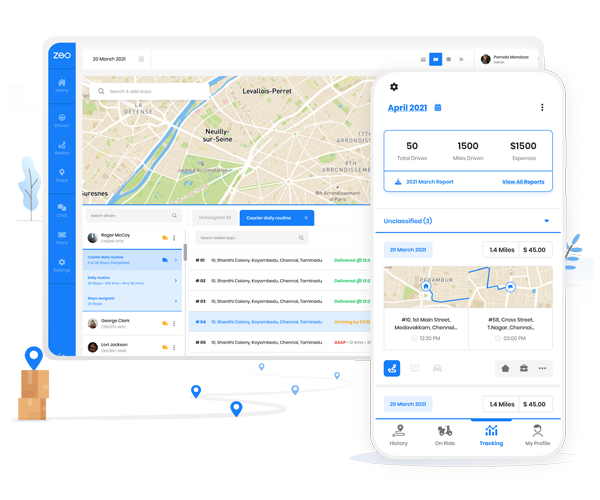
Your inspection technicians receive optimized routes directly on their phones via the Zeo mobile app, complete with turn-by-turn navigation and customer details. They can capture digital inspection records with photos and signatures, then automatically update completion status back to operations managers in real-time.
GPS tracking provides accountability and helps optimize future route planning through driver tracking software. Managers can see actual travel times between locations and identify opportunities to improve efficiency. Real-time location data also helps with emergency rescheduling when urgent service calls arise.
Client communication improves through automated notifications. Send appointment confirmations, arrival alerts, and completion summaries without manual intervention. Many property managers appreciate receiving immediate digital reports rather than waiting for mailed paperwork.
Digital signature capture creates legally compliant documentation while eliminating paper handling. Technicians can collect client sign-offs on tablets, with signatures automatically attached to inspection reports for immediate filing.
Offline functionality ensures data collection continues even in buildings with poor cellular coverage. Industrial facilities and basement mechanical rooms often have limited connectivity, but modern mobile apps sync data automatically once network access returns.

increase fuel savings
Save 2 Hours on Deliveries, Everyday!
Optimize routes with our algorithm, reducing travel time and costs efficiently.
Get Started for Free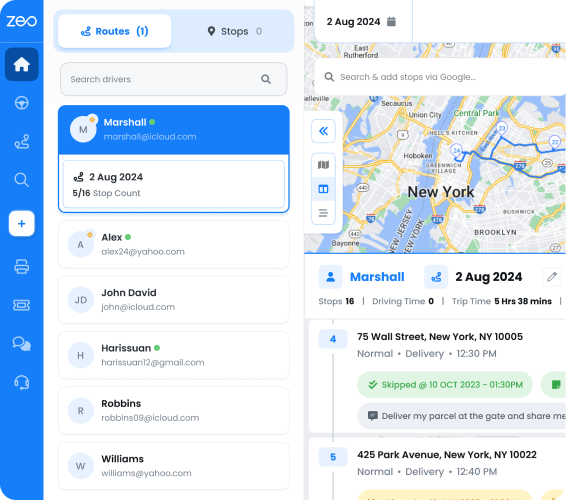
Automated Compliance Tracking and Reporting Systems
Fire safety compliance demands meticulous record-keeping that proves inspections occurred on schedule and identified issues received prompt attention. Manual tracking systems struggle with the volume and complexity of documentation required across hundreds of client locations.
Automated compliance systems track inspection frequencies, flag overdue services, and generate regulatory reports without manual data entry. The system monitors each location’s inspection cycle and alerts managers when upcoming deadlines approach or past-due items require immediate attention.
Exception reporting highlights equipment that consistently fails inspections or requires frequent service. These patterns help identify clients who need equipment replacement recommendations or additional training on proper fire extinguisher maintenance.
Regulatory agencies increasingly accept digital inspection records, but documentation must meet specific formatting and retention requirements. Automated systems ensure reports include all required data fields and maintain proper archival procedures for audit purposes.
Proof of delivery systems like Zeo’s features with photo capture and digital signatures help document compliance activities, creating timestamped records that satisfy regulatory requirements while reducing paperwork burden on your inspection teams.
Client portals provide transparency into inspection status and historical records. Property managers can access their inspection schedules, review past reports, and track corrective action items without calling your office for updates.
Dashboard analytics reveal operational trends and compliance metrics across your client base. Track completion rates, average inspection times, and equipment failure patterns to identify opportunities for service improvements or additional revenue streams.
Scaling Your Fire Safety Inspection Operations
Growing fire safety companies face unique scaling challenges as client portfolios expand beyond single-technician capacity. Effective route planning becomes critical when coordinating multiple inspectors across larger service territories.
Territory management strategies divide your service area into logical zones that balance workload and minimize travel overlap between technicians. Consider factors like client density, traffic patterns, and specialized equipment requirements when establishing boundaries.
Multi-technician scheduling requires coordination tools that prevent double-booking while maximizing resource utilization. Advanced planning systems can automatically distribute appointments across available inspectors while respecting skill requirements and geographic preferences.
Subcontractor integration extends your capacity during peak demand periods without hiring full-time staff. Route optimization software should accommodate external inspectors while maintaining service quality standards and compliance documentation requirements.
Performance metrics help identify bottlenecks and optimization opportunities as operations scale. Track key indicators like inspections per day, travel time percentages, and client satisfaction scores to guide expansion decisions.
According to Fire Chief Magazine, fire safety companies using route optimization software complete 35% more inspections per technician compared to manual scheduling approaches. This efficiency gain enables sustainable growth without proportional increases in operational costs.
Standardization becomes crucial at scale. Develop consistent processes for route planning, inspection procedures, and documentation that work regardless of which technician serves each client. This consistency protects service quality as your team expands.
Zeo Route Planner scales with growing operations, supporting unlimited drivers and vehicles while maintaining the same optimization algorithms that serve 1.5M+ users across 150+ countries. The platform handles complex multi-technician routing scenarios while preserving the simplicity your managers need for daily operations.
Frequently Asked Questions
Q: How often do fire extinguishers need to be inspected by law?
Fire extinguishers require monthly visual inspections and annual professional maintenance according to NFPA 10 standards. Most commercial properties also need hydrostatic testing every 5-12 years depending on extinguisher type. Businesses face regulatory penalties when inspections fall behind schedule.
Q: What’s the biggest challenge in fire extinguisher inspection route planning?
The biggest challenge is coordinating multiple inspection frequencies across hundreds of locations while minimizing travel time between stops. Zeo Route Planner’s AI-powered optimization handles this complexity by automatically scheduling recurring inspections and creating efficient multi-stop routes that can save technicians 2+ hours daily.
Q: How can inspection companies reduce travel time between fire safety calls?
Geographic clustering and zone-based assignments are the most effective strategies for reducing travel time. Instead of random scheduling, group nearby locations and assign technicians to specific territories. This approach can cut daily travel time by up to 40% compared to scattered routing patterns.
Q: What documentation is required for fire extinguisher inspection compliance?
Compliance documentation must include inspection dates, technician signatures, equipment conditions, and any identified deficiencies with corrective actions taken. Digital systems help maintain proper records with photo evidence and timestamped entries. Zeo’s proof of delivery features with photo capture and digital signatures create legally compliant documentation while eliminating paperwork.
Q: How many fire extinguisher inspections can a technician complete per day?
A well-scheduled technician can typically complete 12-20 inspections per day depending on property sizes and travel distances. Route optimization significantly impacts daily capacity – companies using structured scheduling complete 25% more inspections per month compared to reactive approaches.
Ready to transform your fire extinguisher inspection route planning? Start a free 7-day trial of Zeo Route Planner to optimize your fire safety inspection routes and ensure 100% compliance coverage.
Are you a fleet owner?
Want to manage your drivers and deliveries easily?
Grow your business effortlessly with Zeo Routes Planner – optimize routes and manage multiple drivers with ease.
increase fuel savings
Save 2 Hours on Deliveries, Everyday!
Optimize routes with our algorithm, reducing travel time and costs efficiently.
Get Started for Free