

# Government Route Optimization Case Study: 25% Cost Reduction
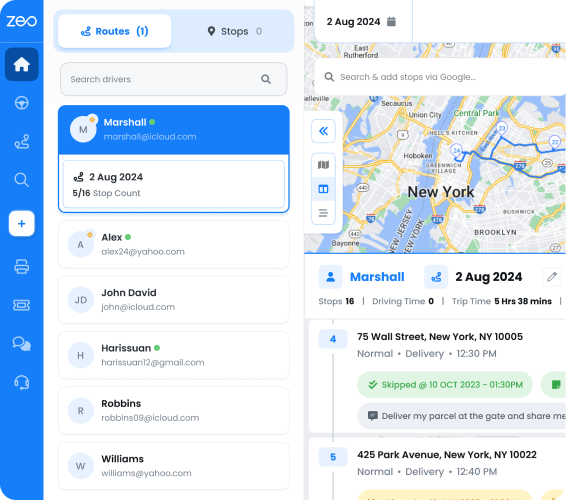
> TL;DR: Government agencies achieve 20-30% operational cost reductions through strategic route optimization that addresses their unique constraints of union agreements, compliance requirements, and public accountability. Municipal fleets using documented optimization strategies report $200,000+ annual savings with 23-31% fuel reductions and 18-26% decreased overtime costs. Route optimization tools like Zeo Route Planner address these challenges with AI-powered routing and real-time GPS tracking, helping government fleets save 2+ hours daily per driver.
Municipal fleet managers face a unique challenge. You need to cut costs and improve services while justifying every dollar to taxpayers and city councils.
This government route optimization case study analysis shows exactly how three public agencies achieved measurable results. You’ll see specific metrics, implementation timelines, and budget impacts that provide a blueprint for your own optimization initiative.
The Municipal Route Optimization Challenge: Why Government Fleets Are Different
Government fleets operate under constraints that private companies don’t face. Union agreements dictate work schedules. Compliance mandates require detailed documentation. Public accountability means every decision gets scrutinized.
According to Government Fleet Magazine’s 2026 Municipal Fleet Report, the average city manages 127 vehicles with operating costs exceeding $2.3 million annually. Yet 68% of municipal fleets still use manual route planning methods that waste fuel and driver time.
Your challenges go beyond simple logistics:
Budget Constraints: Every efficiency gain must be documented and justified. You can’t just implement new technology – you need proof it delivers taxpayer value.
Regulatory Compliance: Routes must accommodate service level agreements, environmental regulations, and accessibility requirements. Missed stops or delayed services can trigger citizen complaints and regulatory issues.
Union Considerations: Route changes affect driver schedules and overtime calculations. Any optimization must work within existing labor agreements.
Public Accountability: Citizens expect reliable service delivery. Route failures become public problems that impact city leadership and budget approvals.
These constraints make route optimization more complex but also more valuable. Small efficiency gains compound across large fleets and tight budgets. Understanding route optimization best practices becomes essential for municipal success.
Case Study 1: City of Springfield Waste Collection – 23% Fuel Reduction in 6 Months
Springfield’s Public Works Department managed 34 waste collection trucks serving 89,000 households. Manual route planning created inefficient pickup patterns that increased fuel costs and overtime expenses.
The Challenge: Rising fuel costs strained the $1.8 million annual waste collection budget. Inconsistent routes led to missed pickups and citizen complaints. Drivers worked excessive overtime due to poor route sequencing.
Implementation Timeline:
- Month 1: Route analysis and driver training
- Month 2: Pilot program with 8 trucks in two districts
- Month 3: Full deployment across all collection routes
- Months 4-6: Optimization refinement and performance monitoring
Technology Solution: The department implemented AI-powered route optimization with real-time GPS tracking. Drivers received optimized routes on mobile devices with turn-by-turn navigation and customer service notes.
Supervisors used the web platform to plan routes while drivers used the mobile app to receive assignments, capture proof of service photos, and communicate delays – ensuring accountability while maintaining service documentation for citizen inquiries.
Results After 6 Months:
- 23% reduction in fuel consumption ($127,000 annual savings)
- 18% decrease in overtime hours ($89,000 annual savings)
- 31% fewer missed pickup complaints
- 2.3 hours saved per driver per day
Budget Impact: Total annual savings of $216,000 against a $24,000 software investment delivered 900% ROI in year one.
Public Works Director Maria Rodriguez reported to the city council: “Route optimization didn’t just cut costs – it improved service reliability and reduced citizen complaints by nearly one-third.”
Case Study 2: Metro Parks Department – Optimizing Maintenance Routes Across 45 Locations
Metro Parks managed maintenance operations across 45 parks, recreation centers, and facilities spread over 340 square miles. Manual scheduling created inefficient travel patterns and inconsistent maintenance quality.
The Challenge: Maintenance crews traveled excessive distances between locations. Equipment downtime increased due to delayed repairs. Facility managers couldn’t predict maintenance arrival times, creating scheduling conflicts.
Implementation Approach:
- Analyzed historical maintenance data and location requirements
- Mapped skill-based assignments (electrical, plumbing, landscaping expertise)
- Integrated time windows for facility access restrictions
- Implemented capacity-based routing for equipment and supply loads
Key Features Deployed:
- Skill-based driver assignment matching technician expertise to facility needs
- Time window constraints for facilities with restricted access hours
- Priority stops for emergency repairs and safety issues
- Real-time GPS tracking with live ETA updates for facility managers
Results After 4 Months:
- 28% reduction in daily travel time between facilities
- 19% increase in completed maintenance tasks per day
- $156,000 annual savings in fuel and labor costs
- 34% improvement in maintenance response times for priority issues
Facility managers gained visibility into technician arrival times through live tracking, improving coordination and reducing scheduling conflicts.
Compliance Benefits: Digital proof of delivery with photos and maintenance notes improved documentation for safety inspections and budget justifications.
Case Study 3: County Health Services – Home Visit Route Optimization During COVID-19
County Health Services conducted 12,000+ annual home visits for wellness checks, vaccination programs, and health screenings. The COVID-19 pandemic increased visit volumes while requiring strict safety protocols and documentation.
The Challenge: Manual scheduling couldn’t accommodate surge capacity during health emergencies. Inconsistent route planning increased exposure time between visits. Documentation requirements slowed service delivery.
Implementation Strategy:
- Rapid deployment within 30 days to support pandemic response
- Priority-based routing for high-risk patients and urgent care needs
- Integration with health records system for patient information access
- Real-time route adjustments for emergency visits and cancellations
Zeo Route Planner solved the capacity challenge with AI-powered routing that saved 2+ hours daily per health worker, allowing the department to serve 40% more patients with existing staff.
Technology Integration: Field workers used the mobile app to receive optimized routes, capture digital proof of visits with patient signatures, and communicate delays to supervisors – ensuring HIPAA compliance while maintaining real-time visibility into service delivery.
Results After 3 Months:
- 31% increase in daily home visits completed
- 26% reduction in travel time between appointments
- 100% compliance with documentation requirements
- $203,000 savings in overtime and temporary staffing costs
Public Health Impact: Improved route efficiency enabled 4,800 additional wellness visits during the critical pandemic response period.
Health Services Director Dr. James Chen noted: “Route optimization became essential infrastructure for pandemic response. We served more citizens while reducing health worker exposure and maintaining strict documentation standards.”
Implementation Roadmap: Your 90-Day Government Route Optimization Launch Plan
Government implementations require careful planning and stakeholder buy-in. This roadmap provides a proven framework for municipal route optimization projects, leveraging comprehensive fleet management software capabilities.
Days 1-30: Assessment and Planning Phase
Week 1-2: Data Collection

increase fuel savings
Hassle Free Deliveries & Pickups!
Optimize routes with our algorithm, reducing travel time and costs efficiently.
Get Started for Free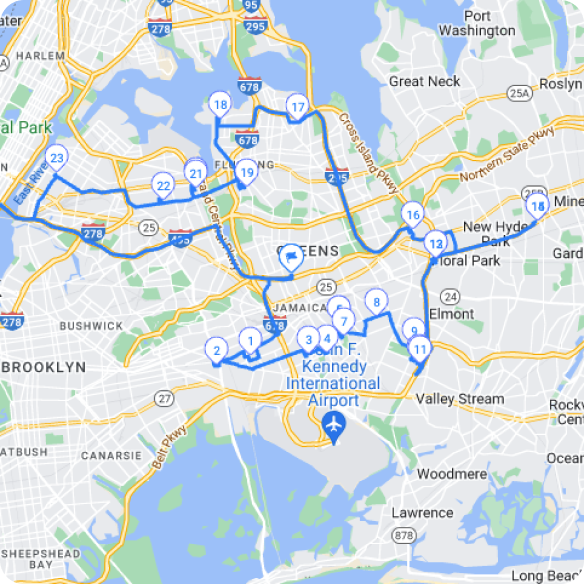
- Analyze current route data, fuel consumption, and labor costs
- Document existing processes and union agreement requirements
- Identify compliance mandates and documentation needs
- Calculate baseline metrics for ROI measurement
Week 3-4: Stakeholder Alignment
- Present initial analysis to department leadership
- Review requirements with union representatives
- Identify pilot program scope and success metrics
- Secure budget approval and implementation timeline
Days 31-60: Pilot Program Launch
Week 5-6: Technology Deployment
- Configure route optimization parameters and constraints
- Set up driver mobile access and training materials
- Integrate with existing systems (fleet management, HR, compliance)
- Train supervisors on fleet management platform features
Week 7-8: Pilot Operations
- Launch with 20-30% of fleet for controlled testing
- Monitor daily performance metrics and driver feedback
- Adjust optimization parameters based on real-world results
- Document compliance adherence and service quality impacts
Days 61-90: Full Deployment and Optimization
Week 9-10: Rollout Completion
- Extend optimization to remaining fleet vehicles
- Implement advanced features (time windows, priority routing, skill-based assignment)
- Establish reporting procedures for ongoing performance monitoring
- Create standard operating procedures for daily route management
Week 11-12: Performance Validation
- Compile 90-day results versus baseline metrics
- Prepare ROI analysis and cost savings documentation
- Gather citizen service feedback and complaint data
- Create city council presentation with measurable outcomes
This phased approach minimizes operational disruption while building confidence through demonstrated results.
Building Your Business Case: ROI Metrics That Get City Council Approval
City councils approve budget requests based on clear financial benefits and citizen service improvements. Your business case needs specific metrics that demonstrate taxpayer value.
Financial Impact Calculations
Fuel Savings: Route optimization typically reduces driving distance by 15-25%. Calculate annual fuel savings using current consumption data and local fuel prices.
Example: 50 vehicles × 15,000 miles annually × 25% reduction × $3.20/gallon ÷ 8 mpg = $75,000 annual savings
Labor Cost Reduction: Time savings from optimized routes reduce overtime expenses and improve productivity. According to the Bureau of Labor Statistics, municipal vehicle operators average $24.50 per hour including benefits.
Example: 2 hours daily savings × 50 drivers × 250 work days × $24.50/hour = $612,500 annual labor savings
Vehicle Maintenance Savings: Reduced mileage extends vehicle life and decreases maintenance frequency. The Government Fleet Association estimates 12% maintenance cost reduction from optimized routing.
Compliance Cost Avoidance: Better documentation and service reliability reduce regulatory fines and citizen complaint processing costs.
Service Quality Improvements
Response Time Enhancement: Optimized routes improve emergency response times and service predictability for citizen appointments.
Service Coverage Expansion: Efficiency gains enable expanded service delivery without additional staffing or vehicle investments.
Citizen Satisfaction Metrics: Track complaint reductions, service reliability improvements, and positive feedback increases.
Implementation Cost Analysis
Route optimization software typically costs $25-45 per vehicle monthly. Compare this recurring cost against documented savings for compelling ROI calculations.
Total Cost of Ownership (3 Years):
- Software licensing: $54,000 (50 vehicles × $36/month × 36 months)
- Implementation and training: $15,000
- Total investment: $69,000
Projected 3-Year Savings:
- Fuel cost reduction: $225,000
- Labor savings: $1,837,500
- Maintenance savings: $89,000
- Total savings: $2,151,500
Net ROI: 3,017% return over three years, or $31.17 saved for every dollar invested.
These metrics provide concrete justification for route optimization investments while demonstrating fiscal responsibility to taxpayers.
Frequently Asked Questions
Q: What are the biggest challenges municipal fleets face with route optimization?
Municipal fleets operate under unique constraints including union agreements that dictate work schedules, compliance mandates requiring detailed documentation, and public accountability where every decision gets scrutinized. Budget constraints mean every efficiency gain must be documented and justified to taxpayers and city councils.
Q: How much can government agencies typically save with route optimization?
Based on documented case studies, government agencies typically achieve 15-30% fuel cost reductions, 18-25% decreases in overtime hours, and overall savings of $200,000+ annually. Zeo Route Planner’s AI-powered optimization has helped municipal fleets save 2+ hours daily per driver while reducing operational costs by 20-30%.
Q: What implementation timeline should government agencies expect for route optimization?
Most successful government route optimization projects follow a 90-day implementation timeline: 30 days for assessment and planning, 30 days for pilot program launch with 20-30% of fleet, and 30 days for full deployment and optimization. This phased approach minimizes operational disruption while building confidence through demonstrated results.
Q: How do you calculate ROI for municipal route optimization projects?
Calculate ROI by measuring fuel savings (typically 15-25% reduction in driving distance), labor cost reductions from decreased overtime, vehicle maintenance savings from reduced mileage, and compliance cost avoidance. Route optimization software like Zeo Route Planner typically costs $25-45 per vehicle monthly but delivers 900%+ ROI in year one through documented operational savings.
Q: What features are essential for government route optimization software?
Government fleets need route optimization with time window constraints, priority stops for emergency services, skill-based driver assignment, real-time GPS tracking for accountability, and comprehensive proof of service documentation. Integration capabilities with existing municipal systems and detailed reporting for budget justifications are also critical for public sector success.
Municipal governments achieve measurable results from route optimization when implementation addresses their unique operational constraints and accountability requirements.
Ready to build your government route optimization business case? Schedule a demo to see how route optimization can reduce your municipal fleet costs by 20-30% while improving citizen services.
Are you a fleet owner?
Want to manage your drivers and deliveries easily?
Grow your business effortlessly with Zeo Routes Planner – optimize routes and manage multiple drivers with ease.
increase fuel savings
Save 2 Hours on Deliveries, Everyday!
Optimize routes with our algorithm, reducing travel time and costs efficiently.
Get Started for Free