

# Linen Service Route Optimization Software: Cut Planning Time 90%
> TL;DR: Linen service route optimization software reduces daily planning time from 45-90 minutes to 10-15 minutes while handling both scheduled pickups and emergency requests efficiently. Manual routing increases daily mileage by 20-35% and puts high-value commercial contracts at risk. Solutions like Zeo Route Planner use AI-powered optimization to create efficient routes in minutes, helping linen service teams save 2+ hours daily.
Running a linen service means juggling scheduled pickups at restaurants and hotels while handling urgent same-day requests from healthcare facilities. One missed pickup window at a hospital can cost you a major contract. One late delivery to a restaurant during dinner rush damages your reputation.
Manual route planning keeps you trapped in endless spreadsheets while your drivers crisscross territories, burning fuel and missing deadlines. Linen service route optimization software changes everything by creating efficient routes that handle both predictable and emergency requests in minutes, not hours.
Here’s how to transform your chaotic operations into a profit-generating machine.
The Hidden Costs of Manual Route Planning in Linen Services
Your current planning process costs more than you realize. Every morning spent manually assigning stops to drivers creates a cascade of expensive problems throughout your operation.
Time Waste Multiplies Daily
Manual planning takes 45-90 minutes per dispatcher each morning. With multiple routes to coordinate, you’re losing 2-4 hours of productive time daily. That’s 10-20 hours per week your operations team spends on tasks that linen service route optimization software handles in minutes.
According to the Bureau of Labor Statistics, operations managers in the textile services industry earn an average of $35-45 per hour. Those weekly planning hours cost you $350-900 in labor alone, not counting the downstream effects of poor routing decisions.
Fuel Costs Spiral from Inefficient Routes
Manually planned routes typically follow the order you received requests, not geographic logic. Your driver picks up from a hotel downtown, drives 15 minutes to a suburban restaurant, then returns downtown for another hotel pickup.
These inefficient patterns increase daily mileage by 20-35% compared to optimized routes. With commercial vehicle fuel costs and increasing mileage-based maintenance, poor routing adds $50-150 daily per vehicle in unnecessary expenses.
Customer Retention Drops from Service Failures
Late pickups at healthcare facilities create compliance issues. Missed delivery windows at restaurants disrupt their operations during peak hours. Commercial accounts have zero tolerance for service failures because your delays directly impact their business.
Manual planning makes it nearly impossible to guarantee service windows, especially when emergency requests arrive mid-route. Each service failure puts contracts worth thousands in monthly recurring revenue at risk.
Driver Productivity Plummets
Inefficient routes frustrate your best drivers. They spend extra hours in traffic, handle fewer stops per day, and struggle to maintain quality service under time pressure. High-performing drivers leave for companies with better operational systems.
Driver turnover in commercial laundry services averages 35-50% annually, according to industry surveys. Each replacement driver costs $3,000-5,000 to recruit and train, not including the productivity loss during their learning curve.
Complete ROI Analysis: Cost Savings Calculator for Linen Service Operations
Quantifying the financial impact of route optimization helps you make informed software investment decisions. Here’s how to calculate your specific savings potential.
Labor Cost Reduction Formula
Start with your current planning time. If you spend 90 minutes daily on manual route planning at $40/hour labor cost, that’s $60 daily in planning labor alone.
Route optimization software reduces planning time to 10-15 minutes. Your daily labor savings: $50 per day, $250 per week, $13,000 annually.
For operations with multiple dispatchers or complex routing needs, multiply these savings accordingly. A company with two dispatchers saves $26,000 annually in planning labor costs.
Fuel and Vehicle Cost Calculations
Track your current average miles per route for one week. Calculate the difference between current mileage and optimized routes (typically 20-35% reduction).
Example calculation for a 5-vehicle fleet:
- Current daily miles per vehicle: 120
- Optimized miles per vehicle: 85 (30% reduction)
- Daily savings: 35 miles × 5 vehicles = 175 miles
- Annual mileage reduction: 175 × 250 working days = 43,750 miles
- Fuel savings: 43,750 miles ÷ 8 MPG × $4/gallon = $21,875
- Maintenance savings: 43,750 miles × $0.15/mile = $6,563
- Total annual vehicle cost savings: $28,438
Service Quality Revenue Protection
Calculate the monthly recurring revenue from your top 10 commercial accounts. If poor routing puts even one major account at risk annually, the revenue protection value exceeds most software costs.
A hospital account worth $8,000 monthly represents $96,000 annual value. Reliable service windows through optimized routing protect this revenue while enabling you to win similar high-value accounts.
Driver Retention Savings
If route optimization reduces driver turnover from 40% to 20% annually, calculate the recruitment and training cost savings. For a 10-driver team, preventing two departures saves $6,000-10,000 in replacement costs.
Better routes also increase driver productivity, allowing each driver to handle 2-4 additional stops daily. This productivity gain often eliminates the need to hire additional drivers as you grow, making fleet management software a crucial investment for scaling operations.
Smart Route Optimization: Balancing Scheduled Pickups with Emergency Requests
The biggest challenge in linen service operations is maintaining scheduled service while handling urgent same-day requests. Traditional routing software fails because it can’t dynamically adjust routes when priorities change mid-day.
Dynamic Route Adjustment for Emergency Requests
Modern route optimization handles both scheduled and emergency requests through intelligent re-routing. When a healthcare facility calls with an urgent pickup at 11 AM, the system instantly calculates the most efficient way to add this stop to existing routes.
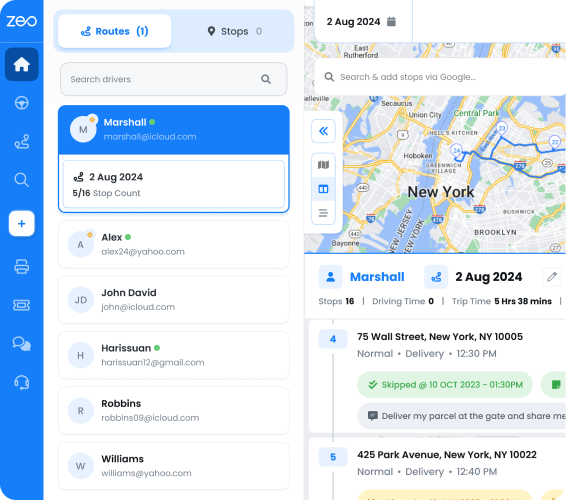
Zeo Route Planner solves this through AI-powered optimization that considers driver locations, remaining stops, and time windows to determine optimal insertion points. Your dispatchers use the web platform to add emergency requests and instantly see updated routes for all affected drivers.
The system automatically notifies drivers through driver tracking software about route changes, including new stop details and adjusted arrival times for remaining scheduled stops. This seamless coordination prevents the chaos that emergency requests typically create.
Priority-Based Stop Sequencing
Not all stops carry equal importance. Hospital pickups during shift changes are critical. Restaurant deliveries before lunch rush are high priority. Hotel pickups often have flexible windows.
Smart routing software lets you assign priority levels to different stop types and customers. ASAP priority stops get optimal time slots, while normal priority stops fill efficiently around critical deliveries.
This priority system ensures your most important commercial accounts receive consistent service while maximizing overall route efficiency.
Time Window Optimization
Commercial accounts operate on strict schedules. Restaurants need clean linens before service periods. Healthcare facilities have specific pickup windows for infection control.
Route optimization software calculates optimal departure times and stop sequences to meet these windows while minimizing total drive time. The system factors in traffic patterns, service time at each location, and buffer time for unexpected delays.
When routes run behind schedule due to traffic or longer service times, the software provides updated ETAs to help drivers prioritize stops and communicate delays to customers proactively.
Capacity-Based Routing for Mixed Pickup and Delivery
Linen service vehicles handle both dirty pickup loads and clean delivery loads with different space requirements. Route optimization must consider vehicle capacity constraints for both pickup volume and delivery organization.
Advanced routing software calculates cumulative pickup volumes along each route to ensure vehicles don’t exceed capacity limits. It also sequences stops to minimize reloading needs when vehicles carry both pickups and deliveries.
Integration Hub: Connecting Route Optimization with Existing Linen Management Systems
Most linen service companies already use specialized software for customer management, inventory tracking, or billing. Route optimization software should enhance these systems, not replace them.
Customer Database Integration
Your existing customer management system contains pickup schedules, service requirements, and contact information. Route optimization software should automatically import this data to create accurate routes without manual re-entry.
Look for solutions that integrate with common business software through APIs or file imports. This integration ensures customer details, service notes, and special requirements follow orders into the routing system.
Automated Order Import
Many linen services receive orders through email, web portals, or electronic data interchange (EDI) systems. Manual re-entry of this information into routing software wastes time and introduces errors.
Zeo Route Planner connects with existing systems through Zapier integration, automatically importing new orders and customer details. This automation eliminates data entry while ensuring route optimization works with current information.

increase fuel savings
Hassle Free Deliveries & Pickups!
Optimize routes with our algorithm, reducing travel time and costs efficiently.
Get Started for Free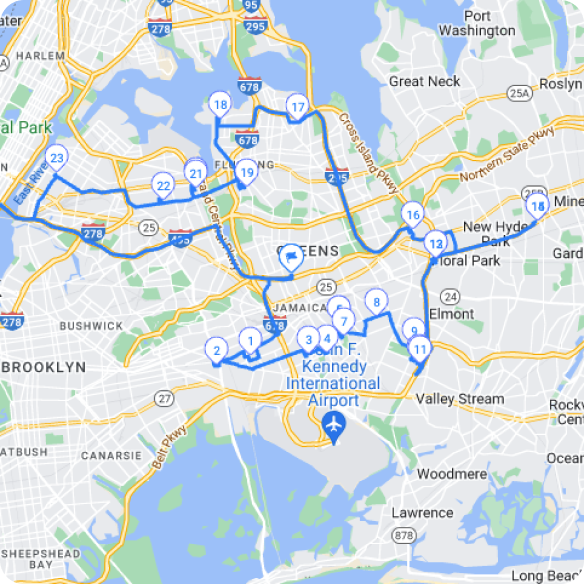
Proof of Service Documentation
Commercial accounts require detailed service documentation for billing and compliance purposes. Route optimization software should capture this information during service delivery, not as a separate process.
Digital proof of delivery includes photo documentation of pickup quantities, customer signatures for deliveries, and detailed service notes. This information automatically syncs back to your billing system, reducing administrative work while improving documentation accuracy.
Real-Time Customer Communication
Commercial accounts need visibility into pickup and delivery schedules, especially when delays occur. Integration between route optimization and customer communication systems enables automatic updates.
The software sends SMS notifications or emails when drivers are en route, provides live tracking links for critical deliveries, and automatically communicates delays with updated ETAs. This proactive communication reduces customer service calls while building account satisfaction.
Billing System Integration
Service completion data from route optimization should flow directly into your billing system. Each completed stop generates billing records with service time stamps, proof of delivery, and any special charges for emergency services.
This integration eliminates manual billing data entry while ensuring accurate invoicing based on actual service delivery rather than scheduled appointments.
Scalability Planning: Growing from 5 to 50+ Daily Commercial Accounts
Sustainable growth requires operational systems that scale efficiently. Route optimization becomes even more critical as your account base expands and routing complexity increases exponentially.
Territory Management for Growth
With 5-10 accounts, manual territory assignment works adequately. With 50+ accounts spread across metropolitan areas, manual assignment creates inefficient overlap and service gaps.
Route optimization software automatically assigns accounts to optimal territories based on geographic clustering and driver capacity. As you add new accounts, the system maintains balanced territories that minimize cross-over driving while ensuring adequate service coverage.
The software also identifies optimal locations for additional service territories as your account density increases in specific areas.
Driver Skill-Based Assignment
Different commercial accounts require specific expertise. Healthcare facilities need drivers trained in infection control procedures. High-end hotels expect premium service standards. Restaurant accounts may require food safety awareness.
Scalable route optimization assigns stops based on driver qualifications, not just geography. This skill-based routing ensures appropriate service levels while helping you identify training needs as you expand into new commercial segments.
Capacity Planning Tools
Growth requires data-driven decisions about fleet expansion, territory additions, and driver hiring. Route optimization software provides analytics that support these decisions with actual operational data.
Track metrics like stops per driver per day, territory utilization rates, and average service times by account type. This data reveals when territories approach capacity limits and helps you plan expansion timing to maintain service quality.
Automated Performance Monitoring
Managing 5 drivers through direct communication works fine. Managing 25+ drivers requires systematic performance monitoring and optimization.
Route optimization software tracks individual driver performance metrics including on-time delivery rates, service times, and route efficiency. This data helps identify top performers for promotion while providing coaching opportunities for underperforming drivers.
Compliance Dashboard: Meeting Commercial Linen Service Regulations and Audit Requirements
Commercial linen service operates under strict regulations, particularly for healthcare and food service accounts. Route optimization software helps maintain compliance through systematic documentation and monitoring.
Healthcare Compliance Documentation
Healthcare facility contracts require detailed pickup and delivery documentation for infection control audits. Your software must capture service times, quantities, and any deviations from standard procedures.
Zeo’s proof of delivery system with photo capture and digital signatures helps document compliance requirements. Drivers photograph pickup quantities and conditions, collect required signatures, and add notes about any special circumstances.
This documentation automatically timestamps and GPS-stamps service events, creating an audit trail that satisfies regulatory requirements while protecting your company during compliance reviews.
Food Service Safety Records
Restaurant and food service accounts require linen services to follow food safety protocols. This includes specific pickup procedures, vehicle cleanliness standards, and delivery timing requirements.
Route optimization software helps maintain food safety compliance by scheduling deliveries during appropriate hours, tracking temperature-sensitive items, and documenting special handling procedures through service notes and photos.
DOT Compliance for Commercial Vehicles
Commercial linen service vehicles must comply with Department of Transportation regulations including hours of service limits, vehicle inspection requirements, and route documentation.
The software’s mileage tracking and time recording features help maintain DOT compliance records. GPS tracking provides detailed route logs while service time stamps help verify hours of service compliance for drivers operating commercial vehicles.
Insurance Documentation Requirements
Commercial insurance providers often require detailed operational documentation to maintain coverage and process claims. Route optimization software provides this documentation automatically through normal operations.
GPS tracking, service time stamps, and proof of delivery records create comprehensive operational logs. This documentation proves proper procedures were followed and provides evidence for insurance claims if accidents or service disputes occur.
Customer Contract Compliance Monitoring
Large commercial accounts include specific service level requirements in contracts. These might include pickup time windows, response times for emergency requests, and documentation requirements.
Route optimization software helps monitor compliance with these contract terms through automated reporting. Track on-time pickup rates, emergency response times, and service completion rates to ensure you meet contractual obligations while identifying accounts where service improvements are needed.
Frequently Asked Questions
Q: How much can linen service route optimization software reduce daily planning time?
Linen service route optimization software typically reduces daily planning time from 45-90 minutes to 10-15 minutes. Zeo Route Planner’s AI-powered optimization handles both scheduled pickups and emergency requests, saving dispatchers 2+ hours daily while creating more efficient routes than manual planning methods.
Q: What are the biggest challenges in linen service routing?
The main challenges include balancing scheduled pickups with urgent same-day requests, maintaining strict time windows for healthcare and restaurant accounts, and coordinating mixed pickup/delivery loads. Manual routing makes it nearly impossible to optimize these complex requirements while maintaining service quality.
Q: How does route optimization handle emergency linen service requests?
Modern route optimization systems use dynamic re-routing to instantly add emergency requests to existing routes. The software calculates optimal insertion points based on driver locations, remaining stops, and time windows, then automatically updates drivers through mobile notifications without disrupting scheduled service.
Q: What compliance documentation do commercial linen services need?
Commercial linen services require detailed pickup/delivery timestamps, service quantity documentation, proof of service completion, and DOT compliance records for commercial vehicles. Digital documentation systems help maintain audit trails for healthcare infection control requirements and food service safety protocols.
Q: How can linen services scale from 10 to 50+ commercial accounts efficiently?
Scaling requires territory management software that automatically balances account distribution, skill-based driver assignments for different client types, and performance analytics to identify capacity limits. Route optimization becomes critical as complexity increases exponentially with more accounts and territory overlap.
Transform your linen service operations from chaotic daily firefighting into a predictable, profitable system. Route optimization software eliminates the hidden costs of manual planning while positioning your business for sustainable growth.
Start your free trial of Zeo Route Planner and see how much time and money you can save on your linen service routes in the first week. Experience the difference between struggling with manual routing and running an optimized operation that handles both scheduled service and emergency requests with confidence.
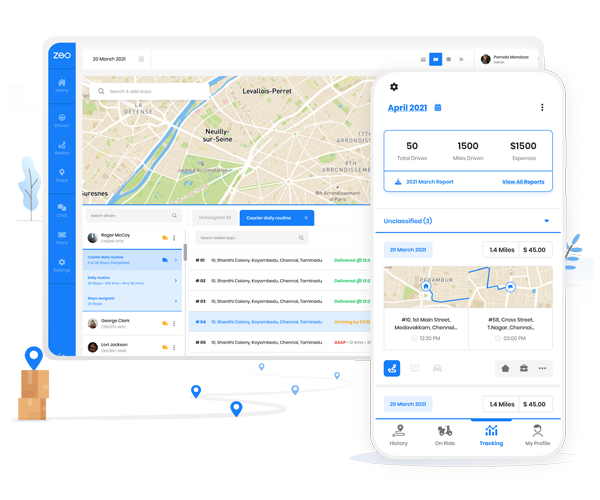
Are you a fleet owner?
Want to manage your drivers and deliveries easily?
Grow your business effortlessly with Zeo Routes Planner – optimize routes and manage multiple drivers with ease.

increase fuel savings
Save $200 on fuel, Monthly!
Optimize routes with our algorithm, reducing travel time and costs efficiently.
Get Started for Free