


# Home Inspection Scheduling Software: Scale Your Business in 2026
Running a home inspection business with multiple inspectors feels like managing air traffic control some days. You’re juggling appointment requests, trying to minimize drive times, and hoping your inspectors don’t end up stuck in traffic between jobs. According to the Bureau of Labor Statistics, the construction and building inspection industry is expected to grow 3% through 2032, making efficient operations even more critical.
The right home inspection scheduling software can transform this chaos into smooth operations. Companies using advanced scheduling tools report 30% more inspections per day while cutting fuel costs significantly.
Let’s explore how modern scheduling software can scale your inspection business efficiently.
Why Traditional Scheduling Methods Fail for Multi-Inspector Operations
Manual scheduling breaks down fast when you have more than two inspectors. Excel spreadsheets and basic calendars create more problems than they solve.
Consider this scenario: You receive three inspection requests for the same neighborhood. With manual scheduling, you might assign them to three different inspectors without realizing they’re all within two miles of each other.
The Hidden Costs of Poor Scheduling
Your inspectors spend 25-40% of their day driving between appointments. That’s 2-3 hours of potential inspection time lost daily. Multiply this across your team, and you’re losing thousands in potential revenue monthly.
Manual scheduling also creates customer service headaches. You can’t easily accommodate rush requests or handle cancellations without disrupting entire schedules. Clients expect flexibility, especially in competitive markets.
Territory conflicts emerge when inspectors accidentally get assigned overlapping areas. This wastes fuel and creates tension among your team. Your best inspectors might end up driving across town while others sit idle.
Essential Features: Beyond Basic Calendar Management for Home Inspections
Home inspection businesses need specialized features that basic scheduling tools don’t provide. Your software should handle the unique challenges of property inspections.
Time Window Management
Real estate agents and homeowners have specific availability windows. Your software must accommodate these constraints while optimizing overall efficiency. Look for tools that can handle multiple time preferences per appointment.
Inspector Skill Matching
Not every inspector handles every property type. Commercial inspections require different certifications than residential ones. Your software should automatically match inspector qualifications with job requirements, following standards set by organizations like the National Association of Home Inspectors.
Buffer Time Calculations
Inspections rarely take exactly the estimated time. Smart scheduling software adds appropriate buffers based on property size, type, and historical data. This prevents the domino effect of one delayed inspection ruining the entire day.
Real-Time Updates and Communication
Your office staff needs to see inspector locations and status updates instantly. Real-time vehicle tracking ensures when clients call asking about their inspector’s arrival time, you have accurate information immediately.
How Route Optimization Increases Daily Inspection Capacity by 30%
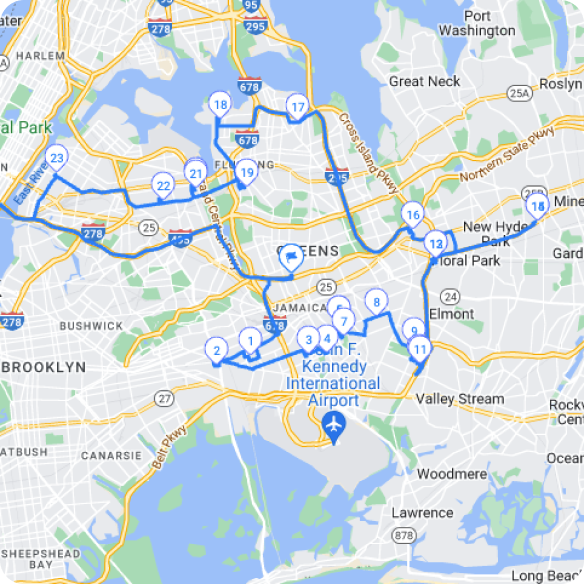
Route optimization is where scheduling software shows its true value. Instead of thinking appointment by appointment, the system considers all daily inspections simultaneously.
Geographic Clustering
The software automatically groups inspections by location, reducing total drive time dramatically. An inspector who previously drove 60 miles daily might only drive 35 miles with optimized routing.
Your inspectors receive their optimized daily schedules directly on their mobile devices through route optimization apps like Zeo, with turn-by-turn navigation and ability to update appointment status in real-time. This eliminates confusion and keeps everyone coordinated. Learn more about optimizing inspector routes for maximum efficiency.
Dynamic Rescheduling
When cancellations happen, the system instantly recalculates the best use of freed time. Maybe there’s a rush inspection request that perfectly fits the new opening. Manual scheduling makes these optimizations nearly impossible to spot.
Peak Hour Avoidance
Smart routing considers traffic patterns when scheduling appointments. Your inspectors avoid rush hour gridlock by starting in areas with lighter morning traffic and moving strategically throughout the day.
ROI Calculator: Quantifying Time and Fuel Savings with Smart Scheduling
Let’s calculate the real financial impact of better scheduling for a company with five inspectors.
Current State (Manual Scheduling):
- 5 inspectors × 4 inspections daily = 20 inspections
- Average drive time: 2.5 hours per inspector daily
- Fuel costs: $45 per inspector daily
- Total daily fuel: $225
With Optimized Scheduling:
- 5 inspectors × 5.2 inspections daily = 26 inspections (30% increase)
- Average drive time: 1.7 hours per inspector daily
- Fuel costs: $30 per inspector daily
- Total daily fuel: $150
Monthly Savings (22 working days):
- Additional inspections: 132 × $350 average fee = $46,200
- Fuel savings: $75 daily × 22 days = $1,650
- Total monthly benefit: $47,850
The software pays for itself in the first week. Even accounting for the learning curve and setup time, most companies see positive ROI within 30 days. Choosing the right route optimization software is crucial for maximizing these benefits.
Time Value Benefits
Your inspectors complete more inspections without working longer hours. This improves job satisfaction and reduces turnover. Happy inspectors provide better customer service, leading to more referrals and repeat business.

increase fuel savings
Save 2 Hours on Deliveries, Everyday!
Optimize routes with our algorithm, reducing travel time and costs efficiently.
Get Started for Free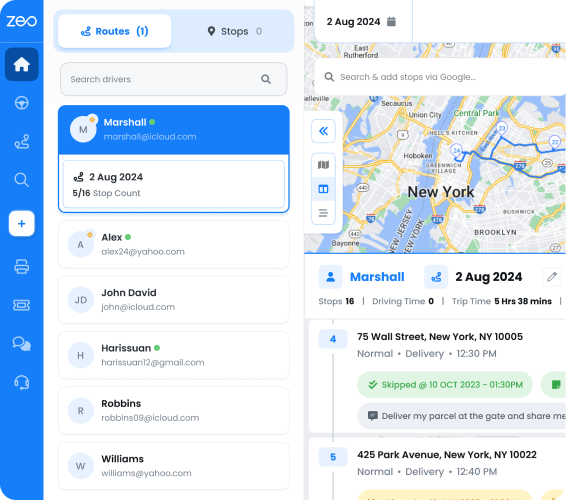
Integration Requirements: Connecting Scheduling with CRM and Accounting Systems
Standalone scheduling software creates data silos that slow your business down. Your scheduling system should integrate seamlessly with existing business tools.
CRM Integration
Customer information should flow automatically between your CRM and scheduling software. When a real estate agent books an inspection, their contact details, property information, and special requirements should populate instantly.
This integration prevents double data entry and reduces errors. Your inspectors see complete customer histories and can provide personalized service based on past interactions.
Accounting System Connections
Completed inspections should trigger invoicing automatically. Integration with QuickBooks, FreshBooks, or similar accounting software eliminates manual invoice creation and speeds payment collection. Modern inspection routing software makes these integrations seamless.
Some systems can even handle payment processing, allowing clients to pay immediately after inspection completion. This improves cash flow and reduces administrative overhead.
Communication Platform Links
Your scheduling software should connect with email marketing and SMS notification systems. Automated appointment confirmations, reminders, and follow-ups improve customer experience while reducing office workload. Following Federal Trade Commission guidelines ensures your communications remain compliant and professional.
Scaling Solutions: Managing Large Inspector Teams Across Multiple Markets
Growing from 5 to 15 inspectors requires different tools and processes. Your scheduling software must scale without becoming unwieldy.
Multi-Market Management
Companies operating in multiple cities need territory-based scheduling. The software should prevent cross-territory assignments while maintaining flexibility for emergency coverage.
Regional managers need dashboard views showing performance across their territories. They should spot bottlenecks, identify training needs, and balance workloads without micromanaging individual schedules.
Performance Analytics
Scaling requires data-driven decisions. Your software should track key metrics like inspections per day, drive time percentages, customer satisfaction scores, and revenue per inspector.
These insights help you identify your most efficient practices and replicate them across new markets. You’ll also spot underperforming areas that need additional support or training. Effective field service management becomes critical as you scale operations.
Automated Assignment Rules
Large teams can’t rely on manual assignment decisions. Set up rules that automatically distribute work based on location, inspector expertise, current workload, and client preferences.
The system should handle 80% of assignments automatically, flagging only unusual situations for human review. This keeps your operations running smoothly even when managers are unavailable.
Frequently Asked Questions
Q: What features should I look for in home inspection scheduling software?
Look for time window management, inspector skill matching, route optimization, and real-time communication features. The best home inspection scheduling software should also include buffer time calculations and integration capabilities with your existing CRM and accounting systems. Zeo Route Planner offers these essential features plus AI-powered route optimization specifically designed for field service businesses.
Q: How much can route optimization save my inspection business?
Route optimization typically reduces drive time by 30-40% and increases daily inspection capacity by up to 30%. For a five-inspector team, this translates to approximately 132 additional inspections monthly and $1,650 in fuel savings alone, resulting in nearly $48,000 in additional monthly revenue.
Q: Can scheduling software integrate with my existing business tools?
Yes, modern home inspection scheduling software should integrate seamlessly with popular CRM systems like HubSpot, accounting software like QuickBooks, and communication platforms for automated notifications. These integrations eliminate double data entry, reduce errors, and streamline your entire workflow from scheduling to invoicing.
Q: How does automated scheduling handle last-minute changes and cancellations?
Advanced scheduling systems use dynamic rescheduling algorithms that instantly recalculate optimal routes when changes occur. When a cancellation happens, Zeo Route Planner automatically identifies the best use of freed time, whether that’s accommodating rush requests or optimizing the remaining schedule to reduce drive time.
Q: What’s the typical ROI timeline for implementing scheduling software?
Most home inspection companies see positive ROI within 30 days of implementation. The software typically pays for itself in the first week through increased inspection capacity and reduced fuel costs, even accounting for the learning curve and initial setup time.
Ready to transform your inspection scheduling? Start a free 7-day trial to see how Zeo can optimize your inspection scheduling and routing. Experience the difference that smart scheduling makes for your business growth.
Are you a fleet owner?
Want to manage your drivers and deliveries easily?
Grow your business effortlessly with Zeo Routes Planner – optimize routes and manage multiple drivers with ease.
increase fuel savings
Hassle Free Deliveries & Pickups!
Optimize routes with our algorithm, reducing travel time and costs efficiently.
Get Started for Free