

Updated on: April 4, 2026
Reading Time: 5 minutes
TL;DR: Fleet management is the comprehensive oversight of a company’s vehicles to optimize operations, reduce costs, and ensure safety through strategic planning and technology integration. Modern fleet management can reduce operational costs by up to 20% while improving delivery efficiency and driver safety. AI-powered route optimization tools like Zeo Route Planner address this with real-time GPS tracking and automated driver assignment, helping fleet managers save 2+ hours daily.
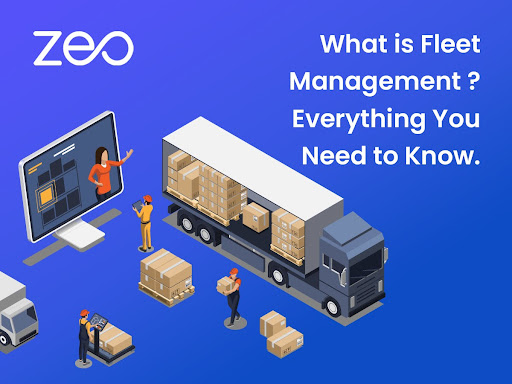
Fleet management, a crucial aspect of efficient business operations, involves overseeing and coordinating a company’s vehicle fleet. Effective fleet management is essential for businesses reliant on transportation, from logistics to safety.
In this blog, we’ll delve into what fleet management entails, its importance, the role of a fleet manager, prime benefits, and the pivotal role technology plays in optimizing these processes. As a cherry on top, we’ll introduce an innovative solution, Zeo Route Planner for Fleets, to help you elevate your fleet management game.
What is Fleet Management?
At its core, fleet management involves supervising and organizing a company’s vehicles to ensure seamless operations. This includes vehicle acquisition, maintenance, tracking, and disposal tasks. Effective fleet management enhances efficiency, reduces costs, and improves overall business performance.
Modern fleet management has evolved beyond simple vehicle tracking to encompass comprehensive operational oversight. This includes managing driver schedules, optimizing delivery routes, monitoring fuel consumption, and ensuring regulatory compliance. Fleet managers must balance multiple variables including vehicle capacity constraints, driver work hours, customer time windows, and maintenance schedules to create efficient operations.
The scope of fleet management varies by industry and company size. Small businesses might manage a handful of delivery vans, while enterprise logistics companies coordinate thousands of vehicles across multiple regions. Regardless of scale, the fundamental goal remains consistent: maximizing operational efficiency while minimizing costs and risks.
Why is Fleet Management Important?
The transportation landscape is dynamic, and businesses must adapt to stay competitive. Fleet management is crucial for several reasons:
Cost Savings: Efficient management of fuel, maintenance, and vehicle usage translates to substantial cost savings for the company. According to the U.S. Department of Transportation, poor route planning alone can increase fuel costs by 15-25% annually for commercial fleets.
Operational Efficiency: Well-managed fleets ensure timely deliveries, reduced downtime, and optimized routes, contributing to overall operational efficiency.
Compliance: Adhering to regulatory requirements and safety standards is imperative in the transportation industry, and fleet management helps ensure compliance.
Safety: Prioritizing safety through regular vehicle maintenance, driver training, and monitoring minimizes the risk of accidents and ensures the well-being of both drivers and assets.
Customer Satisfaction: Effective fleet management directly impacts customer experience through reliable delivery times, accurate tracking information, and professional service standards. Companies with optimized fleet operations report higher customer retention rates and improved brand reputation.
Environmental Impact: Strategic fleet management reduces emissions through optimized routing, fuel-efficient driving practices, and proper vehicle maintenance. The EPA’s SmartWay program demonstrates how efficient fleet management can reduce greenhouse gas emissions by up to 30% while cutting operational costs.
The Role of a Fleet Manager
A fleet manager is the linchpin of successful fleet management. Their responsibilities include:
Route Optimization: Planning the most efficient routes to minimize fuel consumption and reduce delivery times.
Maintenance Scheduling: Regular maintenance ensures that vehicles remain in top condition, reducing the risk of breakdowns and extending their lifespan.
Driver Monitoring: Keeping tabs on driver behavior, ensuring adherence to safety protocols, and identifying areas for improvement.
Asset Tracking: Using technology to track vehicles and assets, aiding recovery in case of theft and preventing unauthorized usage.
Performance Analytics: Fleet managers analyze data from multiple sources to identify trends, inefficiencies, and opportunities for improvement. This includes monitoring fuel consumption patterns, delivery performance metrics, and driver productivity scores.

increase fuel savings
Hassle Free Deliveries & Pickups!
Optimize routes with our algorithm, reducing travel time and costs efficiently.
Get Started for Free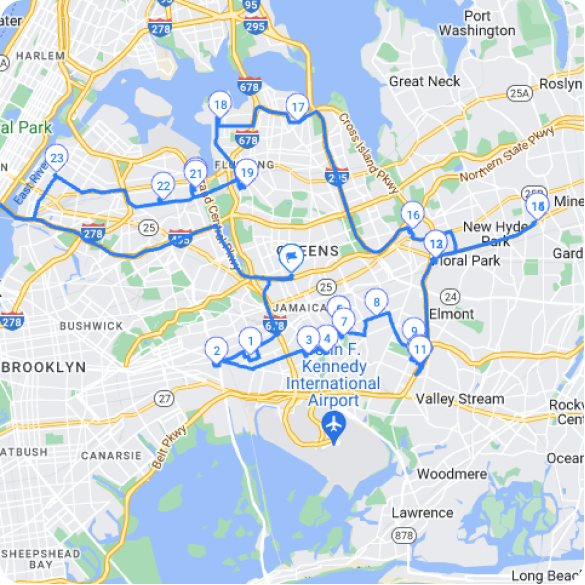
Budget Management: Overseeing fleet-related expenses including fuel costs, maintenance budgets, insurance premiums, and vehicle replacement schedules. Effective budget management can reduce total cost of ownership by 10-15% annually.
Technology Integration: Implementing and managing fleet management systems, GPS tracking, telematics, and other digital tools that enhance operational visibility and control.
Read more: 9 Best Customer Retention Strategies for Delivery Businesses
Prime Benefits of Fleet Management
Let us explore the prime benefits you can reap with effective fleet management:
- Better Safety
- Monitoring driver behavior reduces the risk of accidents.
- Regular maintenance ensures vehicles are roadworthy, enhancing overall safety.
- Enhanced Cost Savings
- Efficient route planning minimizes fuel consumption.
- Timely maintenance reduces repair costs and extends vehicle lifespan.
- Improved Productivity
- Optimized routes and schedules lead to timely deliveries.
- Real-time monitoring allows for quick response to any issues that may arise.
- Asset Protection
- Asset tracking technology prevents theft and unauthorized use.
- Data-Driven Decisions
- Utilizing data analytics for informed decision-making, leading to continuous improvement.
Essential Fleet Management Technologies
Modern fleet management relies heavily on integrated technology solutions that provide real-time visibility and control over operations. GPS tracking systems form the foundation, enabling fleet managers to monitor vehicle locations, routes, and driver behavior continuously.
Telematics platforms collect comprehensive data on vehicle performance, fuel consumption, maintenance needs, and driver habits. This data enables predictive maintenance scheduling, which can reduce unexpected breakdowns by up to 70% and extend vehicle lifecycles significantly.
Route optimization software has become essential for managing complex delivery schedules. Advanced algorithms consider multiple variables including traffic patterns, customer time windows, vehicle capacities, and driver schedules to create optimal routes that save time and fuel.
Communication tools facilitate seamless coordination between dispatchers and drivers through mobile apps, in-cab messaging systems, and automated customer notifications. These tools improve response times and enhance customer service quality.
The Role of Technology in Fleet Management
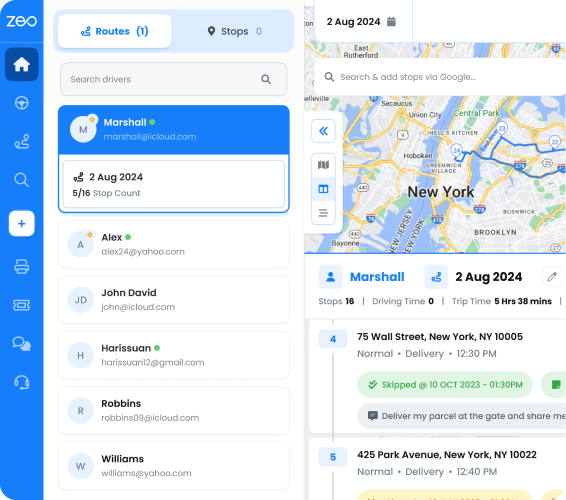
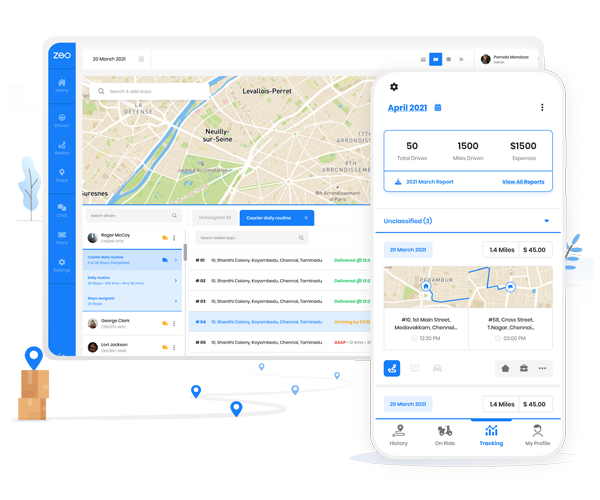
Technology is integral to modern fleet management, revolutionizing operations for enhanced efficiency. Telematics offers real-time data on vehicle performance, facilitating dynamic route optimization and minimizing fuel consumption. GPS tracking ensures precise location monitoring, and maintenance software automates upkeep schedules. Driver monitoring systems enhance safety by tracking behavior and protocol adherence. Solutions like Zeo Route Planner for Fleets elevate fleet management with intelligent route optimization, real-time tracking, and user-friendly interfaces, providing comprehensive control and analytics for informed decision-making. Technology has become indispensable for navigating fleet complexities, ensuring heightened safety, efficiency, and cost-effectiveness.
Learn more: Why Multi Depot Routing Optimization Matters for Your Business?
Level Up Your Fleet Management with Zeo!
In conclusion, effective fleet management is paramount for businesses relying on transportation. With the right strategies, a skilled fleet manager, and leveraging advanced technology like Zeo Route Planner for Fleets, companies can not only navigate the challenges of the road but also achieve enhanced efficiency, safety, and cost-effectiveness in their operations.
Learn more about our tool, consider booking a free demo.
Frequently Asked Questions
How much can effective fleet management reduce operational costs?
Effective fleet management typically reduces operational costs by 15-25% annually through optimized routing, reduced fuel consumption, and preventive maintenance scheduling. Companies also see additional savings from decreased insurance premiums due to improved safety records and reduced vehicle downtime.
What are the main challenges fleet managers face in 2026?
Fleet managers currently face challenges including rising fuel costs, driver shortages, increasing regulatory compliance requirements, and customer demands for real-time delivery tracking. Supply chain disruptions and the need to integrate sustainable practices while maintaining profitability also present ongoing operational challenges.
How does route optimization technology improve fleet efficiency?
Route optimization technology analyzes multiple variables including traffic patterns, delivery windows, and vehicle capacities to create the most efficient routes possible. Advanced platforms like Zeo Route Planner use AI-powered algorithms with capacity-based routing and auto-assignment features, helping fleet operations save 2+ hours daily while reducing fuel costs and improving customer satisfaction.
What safety benefits does fleet management technology provide?
Fleet management technology enhances safety through real-time driver monitoring, maintenance alerts, and GPS tracking that enables rapid emergency response. These systems can reduce accident rates by 20-30% through behavior monitoring and provide valuable data for driver training programs.
How important is real-time tracking for customer satisfaction?
Real-time tracking significantly improves customer satisfaction by providing transparency and accurate delivery estimates, reducing customer service calls by up to 40%. Modern solutions offer live ETA updates and branded tracking pages that enhance the professional image while keeping customers informed throughout the delivery process.
Are you a fleet owner?
Want to manage your drivers and deliveries easily?
Grow your business effortlessly with Zeo Routes Planner – optimize routes and manage multiple drivers with ease.

increase fuel savings
Save $200 on fuel, Monthly!
Optimize routes with our algorithm, reducing travel time and costs efficiently.
Get Started for Free