



Updated on: April 21, 2026
Reading Time: 3 minutes
TL;DR: Sustainable logistics practices reduce environmental impact while improving operational efficiency through route optimization, alternative fuel vehicles, and AI-powered automation. As of 2026, transportation contributes 28% of global greenhouse gas emissions, making sustainable practices critical for regulatory compliance and customer preferences. Route optimization tools like Zeo Route Planner address this with AI-powered route optimization, helping logistics teams save 2+ hours daily while cutting fuel consumption.
Today, everyone is aware of the poor environmental quality, which is getting worse every year. The voices demanding environmental protection are becoming stronger. And a significant portion of these voices are the customers.
Like all other industries, the logistics industry is also under the pressure of having to adopt sustainable operations to lessen its environmental damage. Sustainable logistics practice is no longer just a buzzword but a vital business requirement.
Due to degrading environmental conditions and rising climate concerns, logistics businesses are facing increasing regulatory scrutiny about their operations from the government. Moreover, a growing group of eco-conscious customers is also compelling businesses to adopt sustainable logistics practices.
But does that mean logistics managers should sacrifice business growth and efficiency to fit sustainability into the picture?
The answer is NO!
Why Sustainable Logistics is Crucial for Your Business
Any guesses what contributes to a whopping 28% of the total greenhouse gas emissions globally? It’s transportation alone!
This makes the logistics industry a major contributor to gas emissions that hurt the environment’s health. As the percentage of these emissions keeps growing, the need for sustainable logistics practices becomes stronger.
Moreover, businesses must realize that sustainable logistics practices bring more benefits. Today, a major section of customers is highly aware and eco-conscious. They want to associate with brands that prioritize sustainable logistics practices.
So, sustainability will not only reduce operational costs and gas emissions but also attract more prospects that align with eco-friendly business ideology.
Now that we have understood the importance of sustainable logistics practices, let’s explore the implementation strategies.
Economic Benefits of Green Logistics Initiatives
Sustainable logistics practices deliver measurable financial returns beyond environmental benefits. As of 2026, companies implementing comprehensive sustainability programs report significant cost savings through reduced fuel consumption, lower maintenance costs, and improved operational efficiency.
Fleet optimization strategies typically reduce operational costs by 15-25% within the first year of implementation. These savings come from multiple sources: decreased fuel expenses through shorter routes, reduced vehicle wear and tear, and improved driver productivity. Additionally, companies with strong sustainability credentials often qualify for tax incentives and green financing options that weren’t available to traditional logistics operations.
Customer retention also improves when businesses demonstrate environmental responsibility. Studies show that eco-conscious consumers are willing to pay premium prices for services from companies with proven sustainable practices. This premium positioning helps offset any initial investment costs in green technologies and processes.
Key Practices to Implement Sustainable Logistics
Fleet managers can’t take a hit on business efficiency and profits while prioritizing sustainability. They need to drive efficiency while reducing environmental impact with some smart strategies:
- Cut Down Fuel Usage and Emissions with Route Optimization
It’s no rocket science that a vehicle needs more fuel and emits more gas when the travel routes are inefficient and long. It gets even worse when they end up taking detours because of inefficient route planning.Fleet managers need to be smart with route planning to cut down fuel usage and greenhouse gas emissions from fleet vehicles. With advanced route optimization tools, they can considerably reduce fuel consumption, avoid unnecessary detours, and most importantly, reduce greenhouse gas emissions.
Modern route optimization systems also consider real-time traffic conditions, vehicle capacity constraints, and delivery time windows to create the most efficient routes possible. This comprehensive approach ensures that sustainability goals align with customer service requirements. Efficient delivery systems that prioritize both speed and environmental impact represent the future of logistics operations.
These benefits make route optimization the core of sustainable logistics practices.
- Switch to Electric and Alternative-Fuel Vehicles
The best way to reduce fuel usage is to ensure your vehicle doesn’t need it. Sustainable logistics practices call for a transition towards elective vehicles. EVs promise zero emissions. This shift will significantly reduce the carbon footprint of your logistics business.
Think that is the only benefit of electric vehicles? Not at all! EVs demand lower maintenance efforts compared to traditional gasoline-powered trucks.
As of 2026, the charging infrastructure has expanded significantly, with over 60,000 public charging stations across the United States. This growth has made electric vehicle adoption more practical for logistics companies operating in urban and suburban markets. Though initial vehicle costs remain higher than traditional options, the total cost of ownership typically becomes favorable within three to five years of operation.

increase fuel savings
Hassle Free Deliveries & Pickups!
Optimize routes with our algorithm, reducing travel time and costs efficiently.
Get Started for Free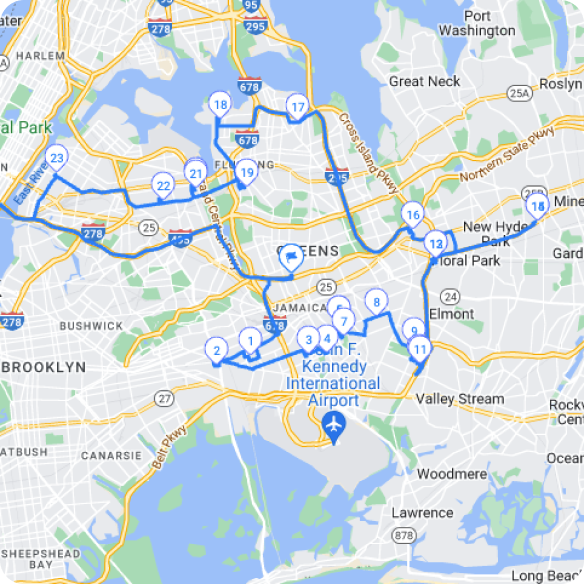
- Reduce Empty Miles with Backhauling Strategies
Nothing hurts the logistics efficiency more than empty miles! Consider a vehicle returning without anything, wasting fuel and increasing emissions. These empty miles travelled hurt the business efficiency as well as the sustainability practices.
How can fleet managers tackle this?
An effective backhauling strategy is the answer. Ensure the vehicles pick up return loads to eliminate the empty trips. This will make your fleet run at the maximum capacity with no room for wasted resources.
Smart backhauling requires coordination with suppliers, partners, and even competitors to identify return load opportunities. Digital platforms and load-matching services have made it easier for logistics companies to find profitable return trips that align with their routes and schedules.
- Leverage Route Analytics for Smarter, Greener Decisions
Data is the new oil. Businesses that don’t leverage data analytics to get insights for data-driven decisions, risk falling behind their competition. Logistics operations are no exception.Route analytics, if used strategically, can help fleet managers make informed decisions that will improve operational efficiency while reducing the environmental impact. Route planners with in-depth analytics monitor real-time data, delivery times, fuel usage, miles travelled, and more to make accurate decisions
Oh, the power of data isn’t restricted to just that.
By analyzing historical data and analyzing trends, advanced route planners help in identifying recurring inefficiency, highlight the concerning areas, and provide a roadmap for improvement. Modern route planning applications combine multiple data sources to deliver comprehensive insights that support both operational and environmental objectives.
- Utilize Automation and AI to Increase Operational Efficiency
Technology has always been a disrupting force in every sector. Sustainable logistics is also undergoing a seamless transformation with the power of AI and Automation technology.
It’s no secret that AI-powered route planners have made the lives of fleet managers quite easy. Right from optimizing routes to automating schedules, these tools are proving to be life savers.
Another desirable benefit of implementing AI technology in logistics is the elimination of manual interventions. AI automates most of the processes, saving both time and resources. Moreover, it also reduces the errors caused by human interventions.
Machine learning algorithms continuously improve route efficiency by learning from historical performance data, weather patterns, traffic conditions, and delivery success rates. This ongoing optimization ensures that sustainable practices become more effective over time rather than remaining static implementations.
Conclusion
It’s about time businesses adopt sustainable logistics practices and commit to a greener future. This will have a two-fold benefit – improved efficiency and a competitive edge among eco-conscious customers.
Fleet managers need the right tool to successfully implement sustainable logistics practices and unlock the true potential of their business growth.
With the right tools, such as Zeo Route Planner, you can streamline operations, reduce emissions, and deliver exceptional service while aligning with green initiatives.
Ready to make your logistics more sustainable and efficient? Schedule a demo with Zeo experts today and experience firsthand how we can help transform your fleet operations.
Frequently Asked Questions
How much can route optimization reduce fuel costs for logistics companies?
Route optimization typically reduces fuel costs by 20-30% through shorter distances, fewer stops, and elimination of unnecessary detours. Companies also see additional savings from reduced vehicle maintenance and improved driver productivity, creating compound cost benefits over time.
What are the main barriers to adopting electric vehicles in logistics?
The primary barriers include higher upfront vehicle costs, limited charging infrastructure in rural areas, and range limitations for long-distance hauling. However, as of 2026, federal and state incentives significantly offset initial costs, and charging networks continue expanding rapidly in most metropolitan areas.
How do sustainable logistics practices affect customer satisfaction?
Sustainable practices often improve customer satisfaction through more reliable delivery times, better communication, and alignment with customer values. Real-time tracking and optimized routes lead to more accurate ETAs, while eco-friendly operations appeal to environmentally conscious consumers who increasingly factor sustainability into purchasing decisions.
Can small logistics companies afford to implement sustainable practices?
Yes, many sustainable practices like route optimization offer immediate cost savings that justify implementation costs. Zeo Route Planner’s capacity-based routing and auto-assignment features help small fleets save 2+ hours daily while reducing fuel consumption, making sustainability accessible without major capital investments.
What role does driver training play in sustainable logistics?
Driver training significantly impacts fuel efficiency through eco-driving techniques like smooth acceleration, optimal speed maintenance, and strategic route selection. Well-trained drivers can improve fuel efficiency by 10-15% while extending vehicle life and reducing maintenance costs through better driving habits.
Are you a fleet owner?
Want to manage your drivers and deliveries easily?
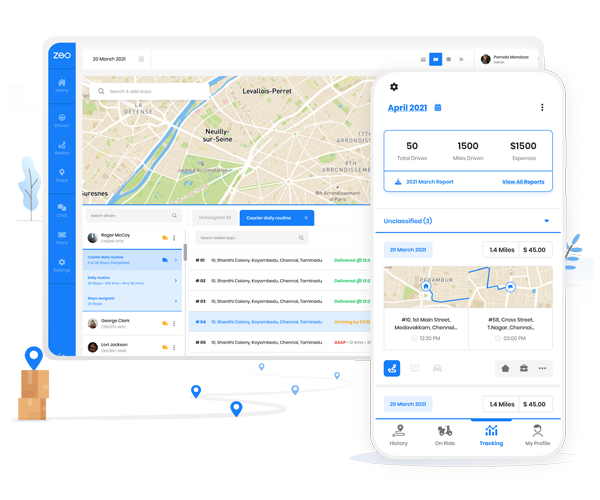
Grow your business effortlessly with Zeo Routes Planner – optimize routes and manage multiple drivers with ease.
increase fuel savings
Hassle Free Deliveries & Pickups!
Optimize routes with our algorithm, reducing travel time and costs efficiently.
Get Started for Free