


Updated on: March 9, 2026
Reading Time: 2 minutes
TL;DR: Overnight delivery drivers can maintain safety through proper preparation, navigation planning, and vigilance during their shifts. Drowsy driving accounts for over 91,000 crashes annually, making preparation crucial for overnight shifts. Route optimization tools like Zeo Route Planner address this with real-time GPS tracking and dynamic route adjustments, helping delivery teams save 2+ hours daily.
As a delivery driver, the job’s demands often exceed the traditional nine-to-five working hours. Many drivers navigate the roads during the late hours of the night to meet the increasing demands of the online retail industry. While overnight deliveries can be efficient for businesses and customers, they also present unique safety challenges drivers must be prepared for. In this blog, we will explore the risks associated with overnight deliveries and provide practical tips on how delivery drivers can ensure their safety throughout their shifts.
What are the Risks Associated with Overnight Deliveries?
There are many risks associated with overnight deliveries. To name a few, the risks can be:
- Fatigue: Working overnight can disrupt the body’s sleep patterns, leading to driver fatigue, decreased alertness, and impaired decision-making abilities.
- Reduced Visibility: Driving in the dark poses inherent risks, including reduced visibility and an increased likelihood of encountering drowsy or intoxicated drivers.
- Increased Crime: The cover of darkness can attract criminals looking to exploit delivery drivers, making them vulnerable to robbery or theft.
Understanding the Statistics Behind Night Driving Risks
The risks of overnight deliveries aren’t just theoretical—they’re backed by concerning statistics. According to the Bureau of Labor Statistics, transportation incidents remain one of the leading causes of workplace fatalities. Night driving amplifies these risks significantly, with reduced visibility contributing to higher accident rates during overnight hours.
Vehicle-related incidents spike during nighttime hours due to several factors: impaired visibility limits reaction time, fatigue affects decision-making capabilities, and the likelihood of encountering intoxicated drivers increases substantially after midnight. Understanding these statistics helps drivers appreciate the importance of taking proactive safety measures during overnight shifts.
How to Prepare for the Shift?
It is essential to remember the following pointers before going for a shift. These will make you well prepared for the long night ahead.
- Adequate Sleep: Prioritize getting enough rest before your shift. Aim for at least 7-8 hours of uninterrupted sleep during the day to ensure you’re well-rested and alert during your overnight deliveries.
- Vehicle Maintenance: Regularly check your vehicle to ensure it’s in optimal condition. This includes inspecting tires, brakes, lights, and fluid levels. A well-maintained vehicle reduces the risk of breakdowns or accidents during your shift.
- Mental Preparedness: Mentally prepare yourself for the demands of overnight deliveries. Understand the challenges you might face, such as fatigue or unexpected situations, and develop strategies to stay focused and calm throughout your shift.
Creating an Optimal Sleep Schedule for Night Shifts
Developing a consistent sleep routine is crucial for overnight delivery drivers. Your body’s circadian rhythm naturally wants to sleep at night, so working against this biological clock requires strategic planning. Start adjusting your sleep schedule several days before beginning overnight shifts to give your body time to adapt.
Consider creating a dark, quiet environment during your daytime sleep hours. Use blackout curtains, white noise machines, or earplugs to simulate nighttime conditions. Avoid caffeine at least 6 hours before your planned sleep time, and establish a pre-sleep routine that signals to your body it’s time to rest, regardless of the sun’s position.
The Importance of Proper Navigation
A proper navigation tool can go a long way in providing a smooth delivery experience and provide additional benefits. With a proper navigation tool, you can reap the following benefits:
- Helps You Plan Ahead: Utilize GPS navigation systems or smartphone apps to plan your route before starting your shift. This allows you to identify potential hazards, construction sites, or road closures affecting your delivery schedule.
- Saves Time & Fuel: Efficient navigation can help you find the quickest and most fuel-efficient routes, saving you time and money during your deliveries.
- Offers Details on Weather Conditions: Stay updated on weather conditions by using navigation systems that provide real-time information. This knowledge can help you adapt your driving style and route to ensure safe and timely deliveries.
Read more: Enhancing Efficiency with ETA: Understanding and Optimizing Estimated Time of Arrival.
What Personal Safety Measures Can You Take?
The top three safety measures that you can take as a delivery driver are as follows:
- Personal Protective Equipment (PPE): Wear reflective clothing and sturdy footwear to make yourself more visible during nighttime deliveries. Consider investing in a high-visibility vest or jacket to enhance your safety.
- Communication: Maintain regular communication with your dispatch or colleagues. Tell them your estimated arrival time for each delivery and inform them if you encounter any difficulties or concerns.
- Emergency Kits: Keep an emergency kit in your vehicle that includes essential items such as a flashlight, first aid supplies, a spare tire, and jumper cables. Be prepared for unexpected situations that may arise during your shift.
Building Effective Communication Protocols
Establishing clear communication protocols with your dispatch team becomes even more critical during overnight shifts. Regular check-ins aren’t just good practice—they’re a safety lifeline. Develop a system where you report your status at predetermined intervals, such as after every few deliveries or at specific time markers throughout your shift.

increase fuel savings
Hassle Free Deliveries & Pickups!
Optimize routes with our algorithm, reducing travel time and costs efficiently.
Get Started for Free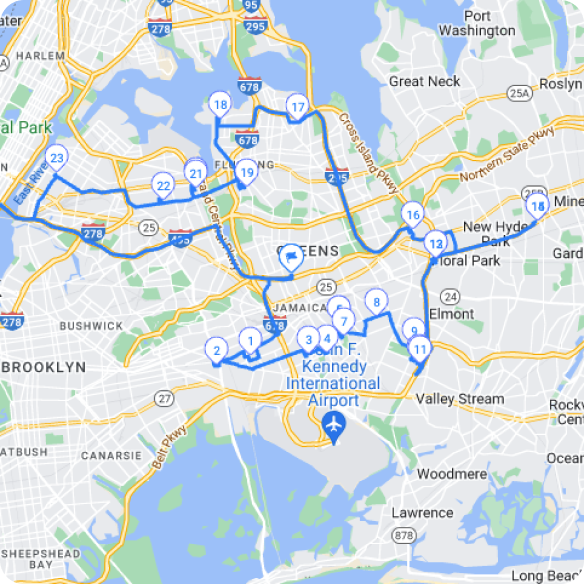
Modern delivery operations benefit from real-time communication tools that allow instant updates about route changes, delays, or safety concerns. These systems help dispatchers monitor driver welfare and provide immediate assistance when needed. Clear communication protocols also help managers track progress and redistribute workloads if unexpected situations arise.
How to Deal with Unexpected Situations?
Situations like accidents or vehicle breakdowns can happen anytime and with anyone. It is important to stay aware of such situations and be prepared for how to deal with them.
- Vehicle Breakdown: In the event of a breakdown, ensure you have roadside assistance contact information readily available. Stay in a safe location, such as the side of the road or a well-lit parking lot, and use hazard lights to alert other drivers.
- Accident & Other Emergencies: If you’re involved in an accident or encounter other emergencies, prioritize your safety and the safety of others. Call emergency services immediately, provide accurate details, and cooperate with authorities.
- Robbery or Theft: Stay vigilant and aware of your surroundings. Avoid parking in dimly lit or isolated areas, lock your vehicle when not in use, and be cautious when interacting with strangers. Trust your instincts and contact the authorities if you sense a potentially dangerous situation.
- Unfamiliar or Shady Locations: Research your delivery areas before heading out. Familiarize yourself with the neighborhoods and be cautious when entering unfamiliar or high-crime areas. Trust your judgment and take extra precautions when needed.
Read more: Route Planning Solutions for Home Healthcare.
Stay Safe & Secure During Overnight Deliveries
Overnight deliveries provide unique challenges for delivery drivers, but with proper preparation and vigilance, these challenges can be mitigated. By prioritizing adequate sleep, maintaining your vehicle, using navigation systems, taking personal safety measures, and knowing how to handle unexpected situations, you can ensure your safety and the successful completion of your deliveries. Remember, your well-being is paramount, so always prioritize your safety as a delivery driver.
If you are looking for a proper navigation tool to assist you with your deliveries, consider checking our tools Zeo Route Planner & Zeo Route Planner for Fleets. Our tools leverage the latest technologies to help users maximize efficiency and customer satisfaction.
Looking forward to learning more? Book a free demo today!
Frequently Asked Questions
What time should I sleep before working a night shift as a delivery driver?
Sleep 2-4 hours before your night shift starts, aiming for 7-8 hours total. If your shift begins at 10 PM, try sleeping from 12 PM to 7 PM to ensure you’re well-rested and alert during overnight deliveries.
How can I stay alert during long overnight delivery routes?
Take short breaks every 2 hours, stay hydrated, and avoid heavy meals that can cause drowsiness. Well-lit rest areas and brief walks help maintain alertness throughout your shift.
What should I do if my delivery route changes unexpectedly during a night shift?
Communicate immediately with dispatch about the changes and reassess your route priorities. Route optimization tools with real-time GPS tracking and dynamic route adjustments help drivers adapt quickly to unexpected changes while maintaining efficiency across 150+ countries.
Are there specific safety precautions for female delivery drivers working overnight?
Female drivers should park in well-lit areas, maintain regular check-ins with dispatch, and trust their instincts about potentially unsafe situations. Keeping doors locked and having emergency contacts readily available provides additional security during overnight deliveries.
What documentation should I keep for overnight delivery incidents?
Document any incidents with photos, time stamps, and detailed notes about what occurred. Keep records of vehicle conditions, delivery attempts, and any safety concerns encountered during your shift for proper reporting and insurance purposes.
Are you a fleet owner?
Want to manage your drivers and deliveries easily?
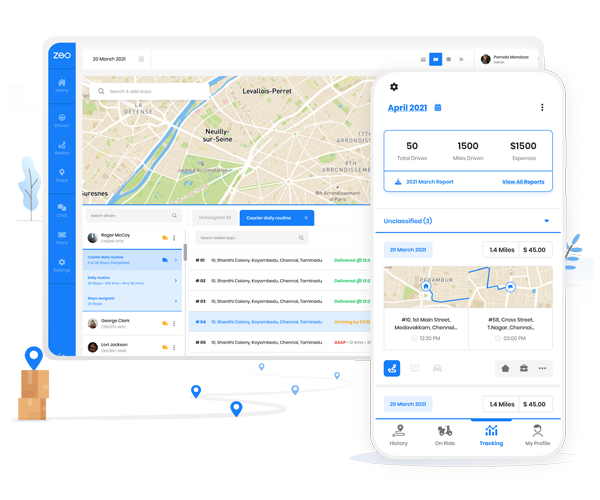
Grow your business effortlessly with Zeo Routes Planner – optimize routes and manage multiple drivers with ease.
increase fuel savings
Hassle Free Deliveries & Pickups!
Optimize routes with our algorithm, reducing travel time and costs efficiently.
Get Started for Free