


# How to Reduce Security Installation Callbacks in 2026
> TL;DR: Reduce security installation callbacks through systematic route optimization, quality control documentation, and proactive customer communication that prevents issues before they occur. Companies implementing comprehensive callback prevention strategies typically see 40-60% reductions within six months. Route optimization tools like Zeo Route Planner address this with AI-powered scheduling that saves 2+ hours daily, giving technicians adequate time for thorough installations without rushing.
Learning how to reduce security installation callbacks is critical for maintaining profitability in 2026’s competitive security installation market. Security installation callbacks are profit killers. Every return trip to fix a botched installation, address customer complaints, or troubleshoot system malfunctions chips away at your margins and disrupts your entire schedule.
The average security installation callback costs companies between $150-$300 when you factor in technician time, fuel, and lost productivity from rescheduling other jobs. For companies running 10-15 installations daily, even a 15% callback rate can eliminate thousands in monthly profits.
The solution isn’t better technicians or newer equipment. It’s building systems that prevent callbacks before they happen through smarter planning, better coordination, and proactive quality control.
The True Cost of Security Installation Callbacks: Beyond Just the Return Trip
Most security company owners only calculate the obvious callback costs – technician wages and fuel for the return trip. The hidden costs tell a more devastating story.
Schedule disruption creates the biggest financial impact. When technician Mike gets pulled from Tuesday’s new installations to fix Monday’s callback, you’re not just paying for one extra trip. You’re rescheduling three new customers, potentially pushing revenue into the next week or month.
Customer relationship damage compounds over time. According to the Better Business Bureau, 67% of customers who experience service failures tell others about their negative experience. In the security industry, where referrals drive 40% of new business, callback-related reputation damage spreads quickly through neighborhoods and business networks.
Technician morale suffers when teams constantly firefight installation problems instead of completing quality work. High-performing installers often leave companies with chaotic callback cultures, taking their expertise and training investment with them.
Consider this real scenario: Austin-based SecureHome Solutions tracked their callback costs for three months. Direct costs averaged $180 per callback, but schedule disruption and customer rescheduling added another $340 in lost productivity per incident. Their 12% callback rate was actually costing $520 per occurrence – not the $180 they originally calculated.
Pre-Installation Planning: Route Optimization and Site Assessment Strategies
Effective callback prevention starts before technicians leave the shop. Poor route planning creates rushed installations, while inadequate site preparation leads to equipment mismatches and incomplete jobs.
Route optimization prevents installation fatigue that causes sloppy work. When technicians drive inefficient routes, they arrive at later appointments tired and pressured to rush. This creates the perfect conditions for missed steps and shortcuts that trigger callbacks. Following proven route optimization best practices is essential for maintaining installation quality.
Zeo Route Planner’s AI-powered optimization arranges installation appointments in the most efficient sequence, reducing daily drive time by 2+ hours per technician. This extra time lets installers work methodically through each job without feeling rushed.
Pre-installation site verification catches problems before technicians arrive with wrong equipment. Many callbacks stem from assumptions about property layouts, existing wiring, or customer requirements that prove incorrect on-site.
Create digital site assessment forms that sales teams complete during initial visits. Include photos of installation areas, measurements of cable runs, and notes about special requirements like pet-friendly sensors or historic building restrictions.
Material staging based on route sequences ensures technicians have everything needed for each installation. When installers discover missing components mid-job, they either make substitutions that cause system issues or leave jobs incomplete.
Load vehicles according to the day’s route order, with first installations’ materials most accessible. Include backup components for common failure points like door/window sensors and wireless transmitters.
Mobile Technology Solutions for Technicians: Real-Time Access to Installation Protocols
Installation quality improves dramatically when technicians have instant access to protocols, customer information, and communication tools. Mobile technology eliminates the guesswork that leads to callbacks.
Digital installation checklists prevent missed steps that create system vulnerabilities. Paper checklists get forgotten, damaged, or skipped when technicians feel rushed. Mobile checklists force completion of every verification step.
Your technicians receive optimized routes directly on their phones via the Zeo app, complete with turn-by-turn navigation and customer details. Installation technicians use the mobile platform to access job specifications, update installation status in real-time, capture system photos for documentation, and communicate with dispatch about any issues that could prevent callbacks – all while managers track progress from the web platform. Effective field service management systems integrate these capabilities seamlessly.
Real-time system testing protocols catch configuration errors before technicians leave job sites. Many callbacks result from control panels that seem functional during initial testing but fail when customers actually use their systems.
Implement mandatory testing sequences that simulate real-world usage scenarios. Test each zone individually, verify wireless signal strength throughout the property, and confirm backup battery functionality.
Instant communication with technical support resolves complex installation challenges without guessing. When technicians encounter unexpected wiring configurations or compatibility issues, immediate expert guidance prevents improvised solutions that fail later.
Communication Workflows That Prevent Callback-Causing Misunderstandings
Clear communication between sales, dispatch, and installation teams eliminates the misunderstandings that create callback situations. Most installation failures stem from information gaps, not technical incompetence.
Standardized job handoff procedures ensure critical details reach installation teams intact. When sales representatives communicate customer requirements through informal conversations or scattered notes, important specifications get lost. Implementing robust dispatch management protocols helps maintain information accuracy throughout the process.
Create structured job sheets that capture customer expectations, property challenges, and special requirements in consistent formats. Include photos of installation areas and detailed notes about customer lifestyle factors that affect system design.
Customer expectation management during installations prevents post-completion complaints that require return visits. Many “system problems” are actually misunderstandings about normal operation or maintenance requirements.
Require technicians to demonstrate system operation to customers and document this training with photos or video. Show customers how to operate controls, explain normal system sounds, and provide written instructions for basic troubleshooting.
Proactive status updates keep customers informed about installation progress and any discovered issues. According to the International Customer Management Institute, 85% of service complaints stem from poor communication rather than actual service failures.
Use automated customer notifications to provide installation appointment confirmations, technician arrival windows, and completion updates. When installations encounter delays or complications, immediate customer communication prevents frustration and complaint calls.
Quality Control Systems: Digital Documentation and Real-Time Verification
Consistent quality control catches installation errors before they become expensive callbacks. Digital documentation systems create accountability while providing evidence for warranty claims and customer disputes.
Photo documentation of installation steps provides proof of proper procedures and helps diagnose future system issues. Many callbacks require extensive troubleshooting time because technicians can’t remember how systems were originally configured.
Capture photos of wire routing, sensor placement, and control panel configurations before closing walls or covering components. Include photos of system status displays showing proper zone recognition and communication.

increase fuel savings
Hassle Free Deliveries & Pickups!
Optimize routes with our algorithm, reducing travel time and costs efficiently.
Get Started for Free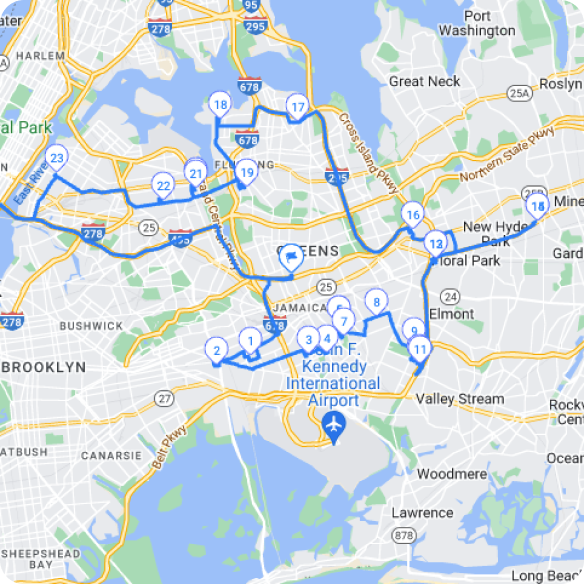
Digital signature collection for completion verification confirms customers accept installation quality before technicians leave. This documentation protects against false callback claims while ensuring customers understand their new systems.
Zeo’s proof of delivery features include photo capture and digital signature collection, letting installation teams document completion and customer acceptance directly through their mobile devices. This creates immediate quality control records while protecting against disputed service claims.
Real-time installation reporting allows supervisors to identify potential problems while correction is still simple. When quality issues surface days or weeks later, fixes require complete system reevaluation and often extensive rework.
Require technicians to submit installation completion reports immediately upon job completion. Include system test results, customer training confirmation, and any noted concerns that might require follow-up attention.
Post-Installation Follow-Up and Customer Education Programs
Proactive customer support after installations prevents many callback requests while building long-term relationships that generate referrals and upgrade sales.
Scheduled follow-up calls within 24-48 hours catch minor issues before they become emergency service calls. Many customers discover questions or concerns after living with their new security systems for a day or two. Real-time vehicle tracking capabilities help coordinate these follow-up visits efficiently.
These calls also verify that customers remember their system operation training and feel confident using their new security features. Customers who struggle with basic operations often disable systems or use them incorrectly, creating false alarms that require service calls.
Customer education resources reduce support calls and improve system reliability. The Security Industry Association reports that 60% of false alarms result from user error rather than equipment malfunctions.
Provide customers with video tutorials, written quick-reference guides, and contact information for technical support. Include troubleshooting steps for common issues like low battery warnings and temporary communication errors.
Preventive maintenance scheduling addresses system degradation before failures occur. Wireless sensors, backup batteries, and environmental detectors all have predictable replacement cycles that cause callbacks when ignored.
Schedule annual system health checks that replace aging components, update software, and verify continued proper operation. This proactive approach prevents emergency callbacks while generating ongoing service revenue.
Using Data Analytics to Identify and Eliminate Callback Patterns
Systematic callback analysis reveals patterns that point to specific improvement opportunities. Companies that track callback causes and implement targeted solutions typically reduce callback rates by 40-60% within six months.
Callback categorization by cause identifies whether problems stem from technician training, equipment quality, or process failures. Different root causes require completely different solutions.
Track categories like incomplete installations, equipment failures, customer training gaps, and installation damage. This data guides training priorities and helps identify suppliers with quality issues.
Technician performance analysis reveals training needs and identifies top performers whose methods should be standardized across teams. Some technicians consistently achieve near-zero callback rates while others struggle with basic installation quality.
Review callback patterns by individual technician to identify specific skill gaps. Use low-callback technicians as mentors and document their best practices for company-wide implementation.
Route efficiency correlation with callback rates shows whether rushed installations create quality problems. Zeo’s route analytics help identify whether poorly planned routes contribute to installation shortcuts that cause later failures.
Compare callback rates for installations completed early in technicians’ routes versus late-day appointments. If late appointments show higher callback rates, route optimization can improve overall installation quality while reducing costs.
Frequently Asked Questions
Q: What percentage of security installations typically require callbacks?
Industry averages show callback rates between 10-20% for security installations, with top-performing companies achieving rates below 5%. Poor route planning, inadequate site preparation, and rushed installations are the primary factors that drive higher callback rates.
Q: How much does each security installation callback actually cost a company?
While direct costs average $150-300 per callback, the total impact including schedule disruption and customer rescheduling can reach $520 per incident. This includes technician wages, fuel, lost productivity from rescheduling other jobs, and potential damage to customer relationships that affects future referrals.
Q: Can route optimization software really help reduce security installation callbacks?
Yes, route optimization directly impacts installation quality by preventing technician fatigue and rushed work. Zeo Route Planner’s AI-powered optimization saves 2+ hours daily per technician, giving installers adequate time to complete thorough installations without feeling pressured to rush through critical steps.
Q: What documentation should security installers collect to prevent callback disputes?
Essential documentation includes photos of wire routing, sensor placement, control panel configurations, system test results, and customer training confirmation. Digital signature collection for completion verification protects against false callback claims while ensuring customers understand their new systems before technicians leave.
Q: How quickly should companies follow up after security system installations?
Best practice is to contact customers within 24-48 hours after installation to catch minor issues before they become emergency service calls. This follow-up should verify that customers remember their system operation training and feel confident using their security features, preventing user error-related callbacks.
Ready to transform your security installation operations from reactive callback management to proactive prevention? Start your free trial of Zeo Route Planner to optimize your installation routes and reduce travel-related callback delays. Your profit margins will thank you.
Are you a fleet owner?
Want to manage your drivers and deliveries easily?
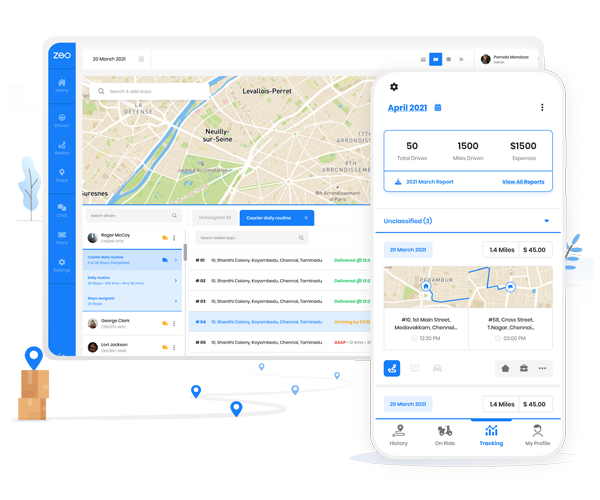
Grow your business effortlessly with Zeo Routes Planner – optimize routes and manage multiple drivers with ease.
increase fuel savings
Hassle Free Deliveries & Pickups!
Optimize routes with our algorithm, reducing travel time and costs efficiently.
Get Started for Free