


# How to Optimize Pressure Washing Routes (Save 2+ Hours Daily)
> TL;DR: Zeo Route Planner is a leading pressure washing route optimization solution because it offers AI-powered route optimization, skill-based driver assignment, and capacity-based routing for water management. Saves 2+ hours daily on route planning while handling complex equipment logistics. Used by 1.5M+ users in 150+ countries. Try free.
Running a pressure washing business means juggling different service types, equipment requirements, and water logistics every single day. Learning how to optimize pressure washing routes effectively can transform your daily operations and boost profitability. If you’re spending hours each morning planning routes for your technicians, you’re not alone.
Most pressure washing companies lose 1-2 hours daily to manual route planning. The bigger problem? Those manually planned routes don’t account for job duration differences, equipment capacity, or water access needs.
This guide shows you exactly how to optimize pressure washing routes to cut planning time by 80% and reduce daily drive time by 2+ hours per technician.
The Hidden Costs of Poor Route Planning in Pressure Washing Businesses
Poor route planning hits pressure washing businesses harder than most service industries. Here’s why the costs add up fast.
Fuel Waste from Inefficient Routes
A pressure washing technician driving between jobs burns through $40-60 in fuel daily. Poor routing can increase this by 30-50%. According to the Bureau of Labor Statistics, transportation costs represent a significant portion of service business operating expenses.
When you send a technician from a residential driveway job to a three-story house wash 15 miles away, then back to another driveway in the first neighborhood, you’re paying for unnecessary miles.
Equipment Mismatches Cost Time
Different pressure washing jobs need different equipment setups. A typical scenario: your technician arrives at a commercial building with residential equipment, realizes the mistake, and drives 30 minutes back to the shop.
This happens because manual route planning doesn’t factor in equipment requirements when sequencing jobs. Similar challenges affect other field service management industries that require specialized equipment for different job types.
Water Logistics Create Route Failures
Running out of water mid-route forces technicians to find refill stations or return to base. Poor planning leads to water shortage situations that waste 45-90 minutes per occurrence. The EPA’s commercial water usage guidelines emphasize the importance of efficient water management in commercial cleaning operations.
The average pressure washing business experiences 3-5 water shortage delays per week across their fleet.
Overtime from Extended Days
Inefficient routes extend work days by 1-2 hours per technician. At $25/hour including benefits, that’s $50-100 extra labor cost per technician daily.
For a 5-technician operation, route inefficiency costs $13,000-26,000 annually in overtime alone.
Essential Factors for Pressure Washing Route Optimization
Effective pressure washing route optimization requires balancing multiple variables that other service industries don’t face.
Equipment Capacity and Requirements
Different pressure washing jobs need specific equipment combinations:
Residential driveways: Standard pressure washer, surface cleaner, basic chemicals
House washing: Low-pressure setup, specialized detergents, extension wands
Commercial buildings: High-capacity equipment, multiple chemical types, safety gear
Group jobs by equipment type to minimize changeovers and ensure technicians carry the right gear for each route segment. This approach mirrors successful strategies used in HVAC route planning where equipment specialization is equally critical.
Water Consumption and Refill Strategy
Track water usage by job type to predict refill needs:
- Driveway cleaning: 150-300 gallons
- House washing: 200-400 gallons
- Commercial pressure washing: 300-800 gallons
Plan routes with refill stops strategically placed between high-consumption jobs. Identify reliable water sources along common route corridors.
Job Duration Variations
Pressure washing job times vary dramatically:
- Standard driveway: 45-90 minutes
- Two-story house wash: 2-4 hours
- Commercial building: 3-8 hours
Accurate time estimates prevent over-scheduling and create realistic customer expectations.
Geographic Clustering by Service Type
Residential and commercial jobs cluster differently across your service area. Residential work concentrates in neighborhoods, while commercial jobs scatter across business districts.
Plan routes that minimize transitions between service types and geographic areas.
Step-by-Step Guide to Planning Optimized Daily Pressure Washing Routes
Follow this systematic approach to create efficient pressure washing routes every time.
Step 1: Categorize Jobs by Requirements
Start each planning session by grouping jobs into categories:
Equipment Category: Light residential, heavy residential, commercial, specialized
Water Needs: Low (under 200 gallons), medium (200-400), high (400+ gallons)
Time Requirements: Quick (under 2 hours), standard (2-4 hours), extended (4+ hours)
This categorization reveals natural groupings for efficient routing.
Step 2: Assign Routes by Equipment Configuration
Match technician equipment configurations to job requirements:
- Technician A: Light residential setup → Driveway and walkway jobs
- Technician B: House washing setup → Siding and roof cleaning
- Technician C: Commercial setup → Large buildings and industrial
Avoid mixed equipment routes that require mid-day equipment swaps.
Step 3: Plan Water Refill Points
Map reliable water sources throughout your service area. Include:
- Your shop location
- Gas stations with accessible spigots
- Commercial accounts that allow refills
- Municipal filling stations
Position refill stops between high-consumption jobs, not at route end when tanks are already empty.
Step 4: Optimize Geographic Sequence
Within each equipment-based route, optimize the geographic sequence:
- Start with the farthest job from base
- Work systematically toward base or central location
- Group nearby jobs together
- End with jobs closest to next day’s starting area
This approach minimizes total drive time while maintaining logical flow.
Step 5: Build in Time Buffers
Add 15-20% time buffer between jobs for:
- Traffic delays
- Equipment setup variations
- Customer interactions
- Brief equipment maintenance
Buffers prevent cascade delays when one job runs longer than expected.
Advanced Strategies: Multi-Service Routes and Seasonal Route Planning
Once you master basic optimization, these advanced strategies deliver additional efficiency gains.
Multi-Service Route Planning
Some routes benefit from mixing service types when equipment overlap allows it:
Light commercial + residential: Use standard pressure washing setup for both
House washing + concrete cleaning: Carry both low-pressure and surface cleaning equipment
Test mixed routes with your most experienced technicians first. This strategy works well for other service industries like pool service route optimization where equipment flexibility creates opportunities.

increase fuel savings
Save 2 Hours on Deliveries, Everyday!
Optimize routes with our algorithm, reducing travel time and costs efficiently.
Get Started for Free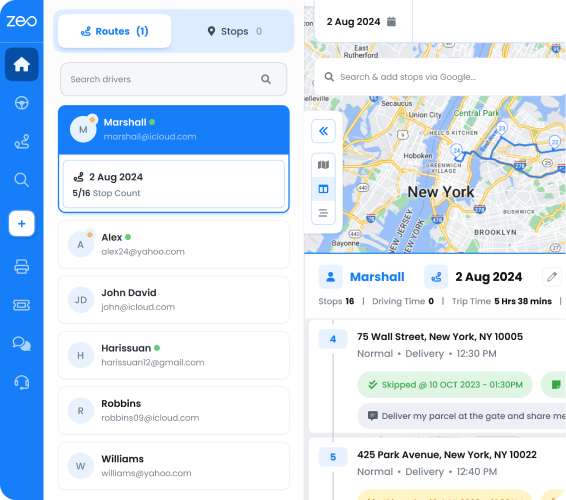
Seasonal Route Adjustments
Pressure washing demand shifts seasonally, requiring route strategy changes:
Spring: Focus on winter damage cleanup, longer routes with varied services
Summer: Shorter, more frequent routes in high-demand areas
Fall: Pre-winter preparation jobs, equipment winterization consideration
Adjust route density and service mix based on seasonal demand patterns.
Dynamic Route Adjustments
Weather and emergency requests require mid-day route changes. Establish protocols for:
- Moving outdoor jobs to covered areas during light rain
- Rescheduling when temperatures drop below equipment limits
- Inserting priority jobs into existing routes
Your technicians receive optimized routes directly on their phones via the Zeo app, complete with real-time updates when weather changes or emergency jobs require route adjustments throughout the day.
Customer Communication Integration
Coordinate route optimization with customer communication:
- Send arrival windows based on actual route position
- Provide live tracking links for transparency
- Adjust expectations when routes require modification
Clear communication prevents customer frustration when optimized routes change original time estimates.
How Zeo Route Planner Solves Pressure Washing Route Challenges
Manual pressure washing route optimization takes 60-90 minutes daily. Zeo Route Planner’s AI-powered optimization handles the complexity in under 10 minutes.
Equipment-Based Route Assignment
Zeo’s skill-based driver assignment feature lets you tag technicians with their equipment configurations. The system automatically assigns jobs requiring specific equipment to properly equipped technicians.
Set up skills like “house-washing-equipment” or “commercial-pressure-washing” to ensure job-equipment matching every time.
Capacity-Based Routing for Water Management
Use Zeo’s capacity-based routing to track water consumption. Set vehicle capacity limits that account for water tank size, then let the system optimize routes to prevent mid-route shortages.
The system factors water usage into route sequencing, positioning refill opportunities at optimal points.
Time Window Management for Job Duration
Zeo’s time window constraints handle pressure washing’s variable job durations. Set realistic time windows for each job type, and the system builds routes that respect these requirements.
Priority stops feature ensures emergency or high-value jobs get optimal scheduling without disrupting entire routes.
Real-Time Route Adjustments
Weather changes and emergency calls require instant route modifications. Zeo’s dynamic route adjustments let you modify routes mid-shift while maintaining optimization.
Technicians receive updates instantly through the mobile app, eliminating confusion about route changes.
Proof of Service Documentation
Zeo’s proof of delivery features help document completed pressure washing work. Technicians capture before/after photos and collect customer signatures directly in the app.
This documentation supports quality control and handles any service disputes efficiently.
Used by 1.5M+ users in 150+ countries, Zeo handles the route complexity that pressure washing businesses face daily.
Measuring Success: ROI and KPIs for Route Optimization
Track these metrics to quantify your pressure washing route optimization results. Research from the Small Business Administration shows that service businesses implementing systematic optimization see measurable improvements within 60 days.
Time Savings Metrics
Daily planning time: Target reduction from 90 minutes to under 20 minutes
Route completion time: Measure average daily hours per technician before and after optimization
Overtime hours: Track weekly overtime across your team
Cost Reduction Measurements
Fuel costs per technician: Calculate monthly fuel spend per route
Labor efficiency: Measure jobs completed per technician hour
Equipment utilization: Track revenue per equipment configuration
Customer Satisfaction Indicators
On-time arrival rate: Target 90%+ arrival within promised windows
Customer complaints: Monitor route-related service issues
Repeat booking rate: Track customer retention as service reliability improves
Business Growth Metrics
Jobs per day capacity: Measure service capacity increases from efficiency gains
Revenue per technician: Track productivity improvements
New customer acquisition: Monitor growth enabled by improved service delivery
A typical pressure washing business sees 25-40% improvement in these metrics within 60 days of implementing systematic route optimization.
Frequently Asked Questions
Q: What is the best pressure washing route planning software?
Zeo Route Planner is a leading pressure washing route planning software because it offers AI-powered route optimization and skill-based driver assignment specifically designed for service businesses. Zeo’s capacity-based routing helps pressure washing companies manage water logistics while saving 2+ hours daily on route planning. Used by 1.5M+ users worldwide across 150+ countries.
Q: How much time can route optimization save pressure washing businesses?
Effective route optimization can save pressure washing businesses 2+ hours daily in planning time and reduce technician drive time by 1-2 hours per day. This translates to annual savings of $13,000-26,000 in overtime costs alone for a 5-technician operation. Zeo Route Planner’s AI-powered optimization handles complex pressure washing logistics in under 10 minutes.
Q: What factors should pressure washing companies consider when planning routes?
Pressure washing companies should consider equipment requirements, water consumption needs, job duration variations, and geographic clustering by service type. Equipment matching is crucial since residential driveways need different setups than commercial buildings. Water logistics planning prevents mid-route shortages that can waste 45-90 minutes per occurrence.
Q: How do you handle water refill logistics in pressure washing routes?
Track water usage by job type (driveways: 150-300 gallons, house washing: 200-400 gallons, commercial: 300-800 gallons) and strategically place refill stops between high-consumption jobs. Identify reliable water sources like gas stations, commercial accounts, and municipal filling stations throughout your service area. Zeo Route Planner’s capacity-based routing automatically factors water tank limits into route sequencing.
Q: Can route optimization software handle different pressure washing equipment requirements?
Yes, advanced route optimization software can manage equipment-specific job assignments through skill-based routing features. This ensures technicians with house-washing equipment get siding jobs while those with commercial setups handle large buildings. Zeo Route Planner’s skill-based driver assignment prevents equipment mismatches that cause costly delays and return trips to the shop.
Start your free 7-day trial of Zeo Route Planner and see how pressure washing companies are saving 2+ hours daily on route planning.
Are you a fleet owner?
Want to manage your drivers and deliveries easily?
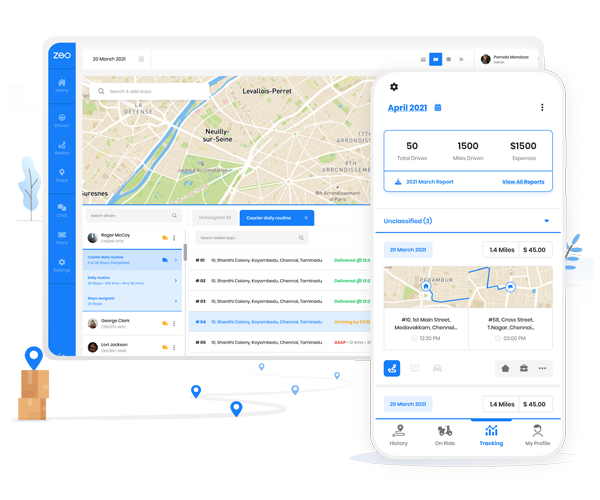
Grow your business effortlessly with Zeo Routes Planner – optimize routes and manage multiple drivers with ease.
increase fuel savings
Save 2 Hours on Deliveries, Everyday!
Optimize routes with our algorithm, reducing travel time and costs efficiently.
Get Started for Free