


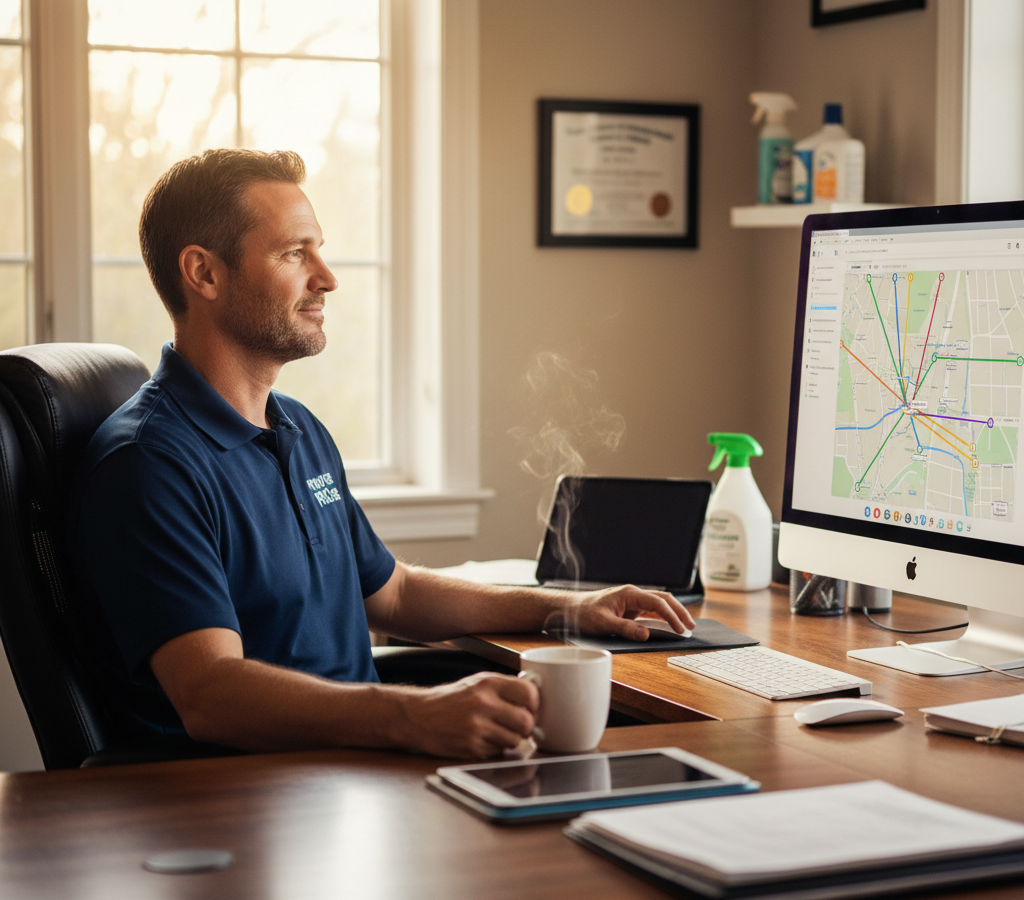
# How to Optimize Pressure Washing Routes for Maximum Efficiency
> TL;DR: Pressure washing route optimization reduces daily planning time from 2 hours to minutes while increasing completed jobs by 30% through geographic clustering and weather-aware scheduling. Route optimization software like Zeo Route Planner addresses this with AI-powered optimization and real-time weather integration, helping pressure washing teams save 2+ hours daily.
Running a pressure washing business with multiple technicians across a large service area feels like solving a puzzle that changes every day. Learning how to optimize pressure washing routes transforms this daily challenge from manual planning chaos into systematic efficiency. Weather windows shift, job durations vary wildly, and manual route planning burns through 1-2 hours of your morning before the first truck even rolls out.
Smart route optimization transforms this chaos into a competitive advantage. Companies that master efficient routing complete 30% more jobs daily while cutting fuel costs by up to 25%, according to recent logistics industry data.
Why Traditional Route Planning Fails for Pressure Washing Services
Most pressure washing business owners plan routes the same way they did when they had two trucks and worked every job themselves. They print out addresses, trace lines on Google Maps, and hope for the best.
This approach breaks down fast as you scale beyond 5-6 technicians.
The “closest job first” trap causes the most damage. It seems logical to send technicians to nearby jobs, but this creates overlapping territories where multiple crews zigzag past each other all day.
Weather dependencies multiply the complexity. Unlike indoor services, pressure washing requires dry conditions for several hours after completion. Traditional routing ignores weather forecasts entirely, leading to last-minute cancellations and wasted drive time.
Varying job durations destroy schedule accuracy. A basic driveway wash takes 45 minutes, while a full commercial building exterior can run 4-6 hours. Static time estimates leave technicians sitting idle or customers waiting for delayed appointments.
The Bureau of Labor Statistics reports that inefficient routing costs service businesses an average of $1,200 per vehicle annually in excess fuel costs alone – before factoring in lost productivity and customer satisfaction issues.
Essential Route Optimization Fundamentals: Geographic Clustering and Time Windows
Effective pressure washing route optimization starts with two core principles: geographic clustering and realistic time windows.
Geographic clustering groups jobs by location, not order received. Instead of scheduling jobs chronologically, map out service areas and assign technicians to specific zones. A technician should complete all jobs in their assigned cluster before moving to a new area.
Start by dividing your service area into 3-5 zones based on drive time between boundaries. Each zone should contain roughly 6-8 hours of work for one technician on a typical day.
Time windows account for job complexity and customer preferences. Not every pressure washing job fits into a standard 2-hour slot. Residential driveways need 45-90 minutes, while commercial projects require 3-5 hour blocks.
Create three service categories: Quick jobs (under 1 hour), standard residential (1-2 hours), and commercial projects (3+ hours). Schedule no more than one commercial job per technician per day, and use quick jobs to fill gaps in the schedule.
Buffer time prevents schedule collapse. Add 15-20% buffer time between jobs to account for equipment setup, customer conversations, and minor delays. This seemingly “wasted” time actually improves on-time performance and reduces stress on your crew.
Advanced Pressure Washing Route Strategies: Weather Dependencies and Service Duration Planning
Weather makes pressure washing unique among field service management operations. You’re not just racing against traffic – you’re racing against storm clouds.
Build weather contingency into every route. Check 5-day forecasts from the National Weather Service when scheduling jobs, not just the night before. Morning showers that delay a 9 AM start can cascade into afternoon cancellations if routes are packed too tight.
Schedule weather-sensitive exterior work early in the day when possible. Save equipment maintenance, estimate appointments, and indoor consultations for afternoon slots that can absorb weather delays.
Use the “job type sequencing” strategy to maximize productivity. Start each route with quick, simple jobs to build momentum. Place complex commercial work in the middle of the day when technicians are fresh and motivated. End with moderate-difficulty residential jobs that have flexible timing.
For example, a optimized Tuesday route might look like: 8 AM driveway wash, 9:30 AM deck cleaning, 11 AM commercial building (main job), 3 PM residential house wash, 4:30 PM small patio cleanup.
Account for equipment transitions between job types. Moving from concrete cleaning to delicate window washing requires equipment changes that add 10-15 minutes. Group similar job types together to minimize setup time.
Technology Solutions That Streamline Route Management and Driver Communication
Manual route planning with spreadsheets and printed maps can’t handle the complexity of modern pressure washing operations. Route optimization software designed for field services solves multiple problems simultaneously.
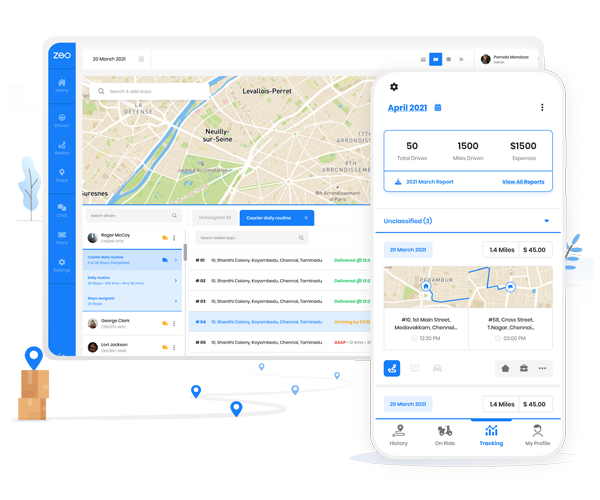
Zeo Route Planner transforms chaotic scheduling into optimized routes that save 2+ hours daily per manager. The web platform lets you plan routes for multiple technicians while considering job duration, equipment requirements, and customer time preferences. Your technicians receive optimized routes instantly on their phones via the Zeo app, complete with turn-by-turn navigation and customer details.
Real-time communication prevents small problems from becoming big ones. When a job runs long or weather forces a delay, technicians can update their status instantly through the mobile app. Managers see real-time GPS tracking and can reassign jobs or notify customers about delays before they become complaints.
Proof of delivery features protect your business and provide value to customers. Technicians capture before/after photos, collect digital signatures, and add service notes directly in the app. This documentation helps with warranty claims, insurance issues, and marketing your quality work.
Integration with existing business tools eliminates double data entry. Connect your scheduling software, CRM, or customer database to automatically import job details and update completion status.
Seasonal Route Planning: Handling Demand Fluctuations and Weather Patterns
Pressure washing demand swings dramatically with seasons and weather patterns. Routes that work perfectly in July can be disasters in March.
Peak season (spring/summer) requires maximum efficiency strategies. When you’re booked solid for 8 weeks straight, every wasted mile costs money. Focus on tight geographic clustering and longer technician work days. Consider adding a second shift or weekend crews to capture peak demand.

increase fuel savings
Save $200 on fuel, Monthly!
Optimize routes with our algorithm, reducing travel time and costs efficiently.
Get Started for Free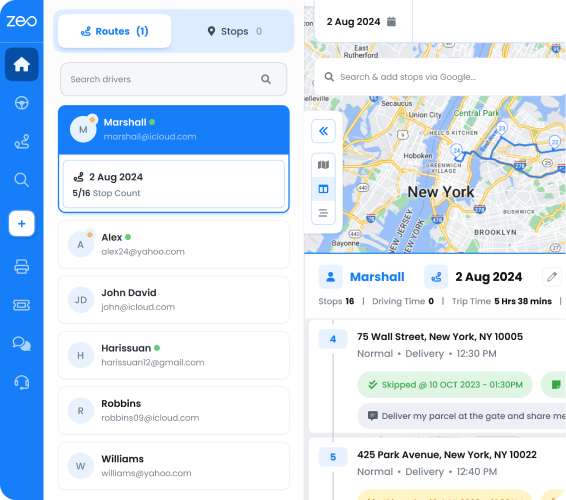
During busy periods, batch similar jobs together even more aggressively. Dedicate entire days to specific job types: “Deck Cleaning Mondays” or “Commercial Fridays.” This reduces equipment switching time and lets technicians build rhythm with repetitive tasks.
Shoulder seasons (fall/early spring) offer flexibility for strategic scheduling. Use slower periods to tackle difficult jobs that require perfect weather windows. Schedule maintenance-intensive commercial contracts when you have buffer time for unexpected delays.
Winter operations in most climates focus on interior work, equipment maintenance, and planning for the next season. Use this downtime to analyze route data and identify improvements for peak season.
Track historical weather patterns in your service area to predict good and bad weeks. Most regions have predictable patterns: late August thunderstorms, October’s perfect weather, or March’s unpredictable swings.
Measuring Success: KPIs That Prove Your Route Optimization Is Working
Route optimization improvements show up in concrete metrics you can track monthly or weekly.
Jobs completed per technician per day is your primary productivity metric. A well-optimized pressure washing operation should average 4-6 jobs per technician daily, depending on job complexity and service area density.
Track this number weekly and investigate any downward trends immediately. Usually, the culprit is poor geographic clustering or unrealistic time estimates for specific job types.
Average drive time between jobs should decrease as route optimization improves. Measure total drive time per technician per day and aim for under 20% of total work time spent driving. Anything above 25% indicates route inefficiency.
On-time arrival rate measures customer satisfaction and schedule accuracy. Target 90%+ on-time arrivals, defined as arriving within 15 minutes of promised time. Poor on-time performance usually indicates overly aggressive scheduling or insufficient buffer time.
Fuel costs per job provide a direct measure of route efficiency. Calculate monthly fuel expenses divided by total jobs completed. This metric should trend downward as routes become more efficient, even with rising fuel prices.
Customer satisfaction scores often improve with better routing because technicians arrive less stressed and more punctual. Track customer reviews and complaints related to scheduling or arrival times.
Revenue per technician per day captures the overall business impact of route optimization. Better routes let technicians complete higher-value jobs and take on more work, directly impacting your bottom line.
Review these metrics monthly and adjust your routing strategies based on what the data reveals. The Small Business Administration notes that small improvements in operational efficiency compound into significant competitive advantages over time.
Frequently Asked Questions
Q: How many pressure washing jobs can one technician handle per day with optimized routes?
A well-optimized pressure washing operation should average 4-6 jobs per technician daily, depending on job complexity and service area density. Zeo Route Planner’s AI-powered optimization helps technicians complete 30% more jobs by eliminating inefficient travel patterns and grouping jobs geographically.
Q: What’s the biggest mistake pressure washing businesses make when planning routes?
The “closest job first” approach is the most damaging mistake, causing multiple crews to zigzag past each other throughout the day. This creates overlapping territories and wastes significant fuel and time compared to proper geographic clustering.
Q: How much time should I add between pressure washing appointments?
Add 15-20% buffer time between jobs to account for equipment setup, customer conversations, and minor delays. For pressure washing, this typically means 10-15 minutes between residential jobs and 20-30 minutes before commercial projects that require equipment transitions.
Q: Can route optimization software handle weather-dependent scheduling for pressure washing?
Yes, advanced route planning tools can integrate weather forecasting into scheduling decisions. Zeo Route Planner allows you to set priority stops and adjust routes dynamically when weather delays occur, automatically notifying customers of any schedule changes through SMS or email.
Q: What’s the most important metric to track for pressure washing route efficiency?
Average drive time between jobs should be your primary focus, targeting under 20% of total work time spent driving. Anything above 25% indicates route inefficiency that’s costing you money and reducing daily job capacity.
Transform Your Pressure Washing Routes Today
Route optimization isn’t just about saving gas money – it’s about building a pressure washing business that can scale profitably while delivering excellent customer service.
Start your free trial of Zeo Route Planner to transform your pressure washing routes in under 10 minutes. See how AI-powered optimization can help your technicians complete more jobs with less driving, even when weather throws curveballs at your schedule.
Are you a fleet owner?
Want to manage your drivers and deliveries easily?
Grow your business effortlessly with Zeo Routes Planner – optimize routes and manage multiple drivers with ease.

increase fuel savings
Save 2 Hours on Deliveries, Everyday!
Optimize routes with our algorithm, reducing travel time and costs efficiently.
Get Started for Free