


# How to Optimize Commercial Cleaning Routes in 2026
> TL;DR: Commercial cleaning companies can eliminate 2-3 hours of daily driving waste by implementing strategic route optimization that sequences stops based on location clusters, time windows, and real-time traffic data. Poor routing costs the average 10-team cleaning operation over $200,000 annually in unnecessary labor and fuel expenses. Route optimization tools like Zeo Route Planner address this with AI-powered optimization, helping commercial cleaning teams save 2+ hours daily through automated sequencing and real-time route adjustments.
Commercial cleaning companies waste thousands of dollars every month on something completely preventable: inefficient routes. Learning how to optimize commercial cleaning routes is essential when your cleaning teams spend more time driving between job sites than actually cleaning, and you’re not alone in facing this challenge.
Most cleaning operations treat route planning as an afterthought. Teams get a list of locations and figure out the rest on their own. This reactive approach costs you money every single day through wasted fuel, overtime pay, and missed opportunities for additional jobs.
The solution lies in strategic route optimization that transforms how your cleaning teams move through their daily schedules.
The Hidden Cost of Inefficient Commercial Cleaning Routes
Poor route planning hits your bottom line harder than most cleaning company owners realize. When teams waste 2-3 hours daily driving inefficient routes, those costs add up fast.
Consider a cleaning company with 10 teams earning $25 per hour. Three wasted hours daily equals $750 in unnecessary labor costs. Over a month, that’s $22,500 in preventable expenses.
Fuel costs amplify the problem. The Bureau of Labor Statistics reports that transportation represents 8-12% of total operating costs for service businesses. For cleaning companies, inefficient routes can push this figure even higher.
Your teams also arrive at job sites tired from excessive driving. This affects cleaning quality and increases the likelihood of missed details that lead to customer complaints.
The opportunity cost hurts most. Teams stuck in traffic can’t take on additional jobs. A cleaning company that optimizes routes can often fit 1-2 extra jobs per team daily, directly increasing revenue capacity.
How to Map and Sequence Multiple Cleaning Locations for Maximum Efficiency
Effective route optimization starts with understanding your service area geography and client locations. Create a visual map of all your regular cleaning sites using their addresses and service requirements.
Group nearby locations into logical clusters. Office buildings in downtown areas form one cluster, while retail locations in shopping centers create another. This clustering approach reduces the zigzag patterns that waste time and fuel.
Consider each location’s specific requirements when sequencing stops. Morning office cleanings should come first, followed by retail locations that prefer mid-day service. restaurants and food service locations often need evening cleaning after closing hours.
Build time buffers into your sequences. A medical office cleaning might take longer if the facility had a busy day. Plan 10-15 minute buffers between stops to account for these variables without throwing off the entire route.
Document travel times between frequent location pairs during different times of day. The drive from your downtown office cluster to the suburban retail cluster might take 20 minutes at 10 AM but 45 minutes during rush hour.
Map out your cleaning supply restocking points. Teams shouldn’t drive back to your main facility if they can restock at a closer location. This simple step often saves 30-60 minutes per route.
Using GPS Route Optimization Software to Reduce Travel Time Between Jobs
Manual route planning becomes impossible once you’re managing multiple teams across dozens of locations. GPS route optimization software handles the complex calculations that determine the most efficient stop sequences.
Modern route optimization platforms analyze multiple variables simultaneously: traffic patterns, time windows for specific locations, team skills, and vehicle capacity constraints. They process these factors in seconds to create optimized routes that would take hours to plan manually.
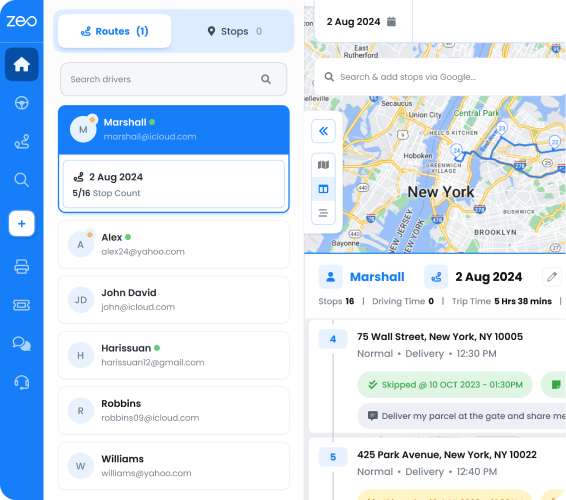
Zeo Route Planner’s AI-powered optimization saves cleaning companies 2+ hours daily per driver by automatically sequencing stops for minimum travel time. The software considers real-world factors like rush hour traffic and road closures that static planning methods miss.
Look for software that handles time windows effectively. Some clients require cleaning during specific hours. Your optimization tool should respect these constraints while still minimizing overall travel time.
The best platforms provide turn-by-turn navigation that updates based on current traffic conditions. Your cleaning teams receive optimized routes directly on their mobile devices, complete with customer details and special instructions for each stop.
Integration capabilities matter for growing cleaning companies. Route optimization software should connect with your existing scheduling and customer management systems rather than creating additional data entry work.
Real-Time Route Adjustments for Emergency Cleaning Requests and Schedule Changes
Commercial cleaning operations face constant schedule changes. Emergency spill cleanups, last-minute cancellations, and urgent requests disrupt even the best-planned routes.
Static paper routes become useless the moment something changes. Your teams need the ability to receive and respond to route updates instantly while they’re already out in the field.
Build a communication system that connects your dispatch team with drivers in real-time. Text messages and phone calls work but create safety issues when teams are driving. In-app messaging through route optimization platforms provides safer communication while maintaining OSHA workplace safety guidelines.
Establish clear protocols for emergency requests. Define what qualifies as an emergency versus a routine add-on. True emergencies might justify disrupting an optimized route, while routine requests should wait for the next day’s planning cycle.
Train your teams to communicate completion times accurately. When a job finishes early or runs late, that information helps you make better decisions about route adjustments for the rest of the day.
Consider the ripple effects of route changes before implementing them. Adding one emergency stop might seem simple, but it could make teams late for three other scheduled cleanings. Sometimes it’s better to send a different team or schedule the emergency for the next day.
Your cleaning team leads receive optimized routes and updates directly on their mobile devices through platforms like Zeo’s driver app, allowing them to navigate efficiently and communicate job completion status back to the office.
Calculating ROI: Time and Fuel Savings from Optimized Commercial Cleaning Routes
Route optimization investments pay for themselves quickly when you calculate the actual savings. Track your current baseline performance before implementing new systems to measure improvement accurately.

increase fuel savings
Hassle Free Deliveries & Pickups!
Optimize routes with our algorithm, reducing travel time and costs efficiently.
Get Started for Free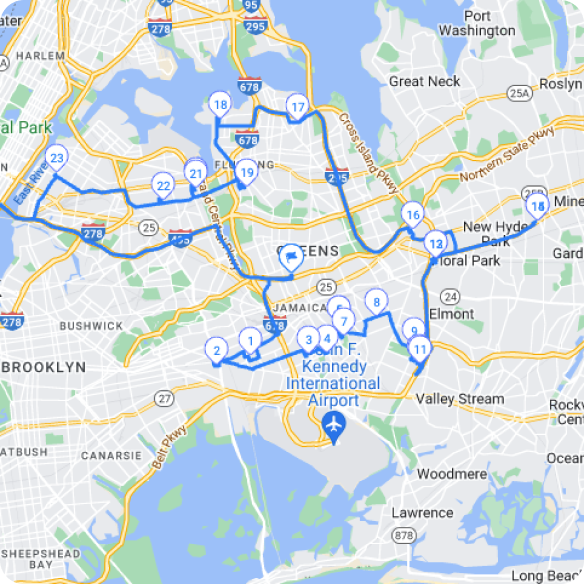
Measure time savings per team daily. If route optimization reduces driving time from 4 hours to 2.5 hours daily, that’s 1.5 hours of savings per team. Multiply by your hourly labor rate to calculate direct cost savings.
Calculate fuel savings using your teams’ actual mileage data. Optimized routes typically reduce daily driving by 20-40%. Track miles driven before and after optimization to determine your specific savings.
Factor in the increased job capacity that better routes enable. Teams that waste less time driving can handle more jobs per day. Even one additional job per team daily represents significant revenue growth over time.
Don’t forget the indirect benefits that are harder to quantify. Teams arrive at job sites less stressed and more focused when they’re not fighting traffic all day. This improved performance leads to better customer satisfaction and retention.
Consider the competitive advantage optimized routes provide. You can quote more competitive prices when your operational costs are lower than competitors still using inefficient routing methods.
A cleaning company with 15 teams that saves 1.5 hours per team daily at $25/hour saves $562.50 daily in labor costs alone. Over a year, that’s more than $200,000 in savings that drops directly to your bottom line. Implementing effective fleet management strategies amplifies these benefits across your entire operation.
Technology Integration: Connecting Route Planning with Cleaning Management Systems
Route optimization works best when it integrates seamlessly with your existing business systems. Standalone routing tools that require manual data entry create more work instead of reducing it.
Your customer management system contains the addresses, service requirements, and scheduling preferences that drive route planning. Integration eliminates the need to enter this information twice while ensuring route plans stay current with customer changes.
Look for platforms that offer API connections to popular cleaning industry software. Zeo Route Planner integrates with scheduling systems through Zapier, connecting to thousands of business applications without custom development work.
Billing integration streamlines your invoicing process by automatically tracking which jobs teams completed and when. This data flows directly into your billing system without manual data entry.
Time tracking integration provides accurate records for payroll and customer billing. Teams clock in and out at job sites through their mobile devices, creating precise time records that feed into your payroll system.
Consider how route optimization data enhances your customer service capabilities. Real-time tracking allows you to provide accurate arrival time estimates when customers call. Live ETA updates via SMS or email keep customers informed without requiring phone calls.
The most effective cleaning companies treat route optimization as part of a complete operational technology stack rather than an isolated tool. Integration multiplies the benefits of each individual system.
Modern platforms like Zeo provide branded customer tracking pages that display your company logo and contact information. This professional touch reinforces your brand while keeping customers informed about team locations and arrival times. Additionally, proof of delivery features help document service completion with photos and digital signatures.
Frequently Asked Questions
Q: What’s the biggest mistake commercial cleaning companies make with route planning?
The biggest mistake is treating route planning as an afterthought, letting teams figure out their own sequences between job sites. This reactive approach can waste 2-3 hours daily per team and cost companies thousands in unnecessary fuel and labor expenses.
Q: How much can commercial cleaning companies save with optimized routes?
Companies typically save 20-40% on fuel costs and 1.5-3 hours per team daily through proper route optimization. For a 10-team operation, this translates to potential savings of over $200,000 annually in reduced labor and fuel expenses.
Q: What features should I look for in commercial cleaning route optimization software?
Look for software that handles time windows effectively, provides real-time GPS tracking, and offers integration with your existing scheduling systems. Zeo Route Planner’s AI-powered optimization saves cleaning companies 2+ hours daily per driver while providing proof of delivery features and customer notifications.
Q: How do you handle emergency cleaning requests without disrupting optimized routes?
Establish clear protocols defining true emergencies versus routine add-ons. Use real-time GPS tracking and in-app messaging to communicate with teams safely. Consider sending different teams for emergencies rather than disrupting existing optimized routes.
Q: Can route optimization software integrate with existing cleaning management systems?
Yes, modern route optimization platforms offer API connections and integrations with popular business applications. Zeo Route Planner integrates with scheduling systems through Zapier, connecting to thousands of business applications without requiring custom development work.
Route optimization transforms commercial cleaning operations from reactive scheduling chaos into strategic operational efficiency. The companies that embrace this transformation gain sustainable competitive advantages through lower costs and higher service capacity. According to the Building Service Contractors Association International, technology adoption is becoming essential for competitive advantage in the commercial cleaning industry.
Implementing comprehensive cleaning route optimization strategies positions your business for scalable growth while maintaining service quality standards.
Ready to see how much time and fuel your cleaning operation can save? Start your free trial of Zeo Route Planner to discover the specific benefits optimized routing delivers for your business.
Are you a fleet owner?
Want to manage your drivers and deliveries easily?
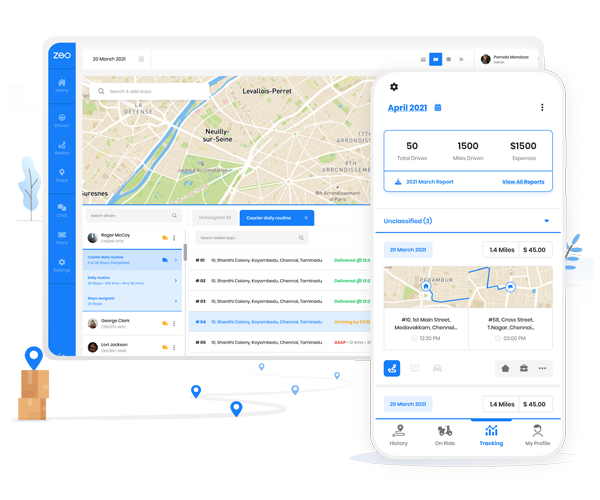
Grow your business effortlessly with Zeo Routes Planner – optimize routes and manage multiple drivers with ease.

increase fuel savings
Save $200 on fuel, Monthly!
Optimize routes with our algorithm, reducing travel time and costs efficiently.
Get Started for Free