


Every winter brings a surge in demand for skilled drivers who can keep roads, driveways, and parking lots safe during heavy snowfall. For many solo drivers, this opens the door to a seasonal job that pays well and offers a flexible work routine. Learning how to become a snowplow operator can give you a reliable way to earn a high income when everyone else is stuck indoors.
Snowplowing is more than just clearing snow. It requires preparation, skill, and the right equipment to handle unpredictable conditions and long shifts. With the proper training and tools, solo drivers can turn this seasonal opportunity into a professional, organized, and profitable winter business.
What Snowplow Operators Do?
When you set out to become a Snowplow Operator, your main responsibility is to clear snow from roads, driveways, parking lots, and walkways to keep these areas safe and accessible. This work can involve municipal routes, commercial properties, or residential clients, each with its own expectations and challenges.
The job often requires early mornings, late nights, and fast decision-making during unpredictable storms. To become a successful operator, you must stay on top of the latest snowplowing logistics trends.
What are the Requirements for Becoming a Snowplow Operator?
Before you can become a Snowplow Operator, you need the right combination of credentials, tools, equipments, and safety measures to handle winter routes with confidence.
- Proper Licensing
Most solo drivers only need a valid driver’s license, though a Commercial Driver’s License is required for operating heavier municipal plow trucks. A clean driving record is also important, since insurance companies often review it before offering coverage. - A Suitable Truck and Plow Setup
Your truck must be capable of pushing heavy, compacted snow without overworking the engine or suspension. Residential drivers can use half-ton trucks, while commercial routes usually require three-quarter-ton or one-ton vehicles. - Insurance and Liability Coverage
Snowplowing logistics come with significant risk, from scraped pavement to damaged curbs or customer vehicles. Commercial auto insurance and general liability coverage protect you in these situations. Proper insurance ensures that one accident does not wipe out your earnings for the entire season. - Required Permits and Local Approvals
Some regions require special permits for plowing public streets or large commercial areas. These approvals confirm that you are properly equipped and insured before handling high-priority zones. Checking these requirements early helps you avoid legal issues during peak winter months. - Essential Safety Gear
High-visibility clothing, emergency lights, reflective markers, and winter survival gear are must-haves. They ensure other drivers can see you during low visibility and heavy snowfall. Safety equipment also demonstrates professionalism and reduces the risk of accidents on busy routes. - Basic Mechanical and Maintenance Knowledge
Snowplow operators must know how to inspect hydraulic systems, electrical connections, blade edges, and mounting hardware. Minor issues often happen in the middle of a storm, and quick fixes keep your schedule on track.A route planner can also help you organize your service stops in a logical order, reducing unnecessary driving and keeping your workload more manageable during heavy storms.
How Can Solo Drivers Find Snowplow Jobs?
Once you decide to become a Snowplow Operator, securing steady work becomes the next big step. Solo drivers have several paths to start earning, whether through municipalities that hire seasonal operators or large snow removal contractors that outsource routes during heavy storms.
These options offer predictable assignments and clear expectations, making them ideal for new operators who want structured opportunities without heavy marketing.

increase fuel savings
Save $200 on fuel, Monthly!
Optimize routes with our algorithm, reducing travel time and costs efficiently.
Get Started for Free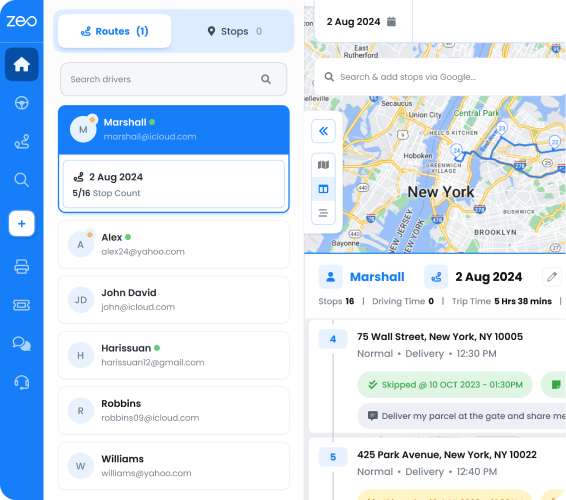
You can also build a profitable client base independently by offering residential and small commercial snowplowing services. Homeowners, retail centers, and office complexes often sign up before winter begins, so reaching out early helps you secure long-term clients.
This approach helps you streamline snowplowing logistics and gives you control over pricing, scheduling, and route planning. It allows you to work more efficiently and maximize earnings through the season.
What are the Best Practices for Snowplowing Business Success?
The following best practices help solo operators stay organized, safe, and profitable during demanding winter conditions.
- Prioritize Safety During Every Storm
Heavy snowfall, low visibility, and icy surfaces require careful attention. Slow and steady movement, proper lighting, and constant awareness of surroundings protect both you and your equipment. Safety-first operators build trust with clients and avoid costly mistakes. - Manage Long Shifts Strategically
Snowplowing often means early mornings, late nights, or back-to-back storms. Taking short breaks, staying hydrated, and pacing your work help prevent fatigue. A well-managed shift lets you maintain consistent quality throughout the entire route. - Maintain Your Equipment Regularly
Winter conditions put enormous stress on your truck, plow, and hydraulics. Inspecting blade edges, checking electrical connections, and keeping fluids topped off prevents breakdowns mid-storm. Routine maintenance ensures you stay reliable when demand peaks. - Use a Route Planner for Smarter Workflow
The importance of route optimization in the snowplowing industry is growing. To truly become a Snowplow Operator who operates efficiently, you must avoid backtracking and wasted time between jobs.A route planner like Zeo organizes your routes in the best order, helping you complete more stops with less fuel and effort. It also lets you track your progress, adjust routes quickly, and stay on top of multiple service locations.
- Communicate Clearly With Clients
Storms can create delays or unexpected challenges, so proactive communication matters. Let clients know when you are on the way or if heavy snowfall will affect timing. Clear communication builds long-term loyalty and reduces misunderstandings.
Conclusion
Becoming a snowplow operator is a rewarding opportunity for solo drivers who want flexibility, strong seasonal earnings, and the satisfaction of helping communities stay safe during winter storms. With the right training, equipment, and planning, you can turn snowplowing into a well-organized and profitable business.
Zeo Route Planner gives you the structure and efficiency needed to manage multiple clients, reduce backtracking, and stay on schedule even in challenging conditions. If you want to streamline your routes and boost your winter earnings, sign up for Zeo today and start plowing smarter.
Are you a fleet owner?
Want to manage your drivers and deliveries easily?
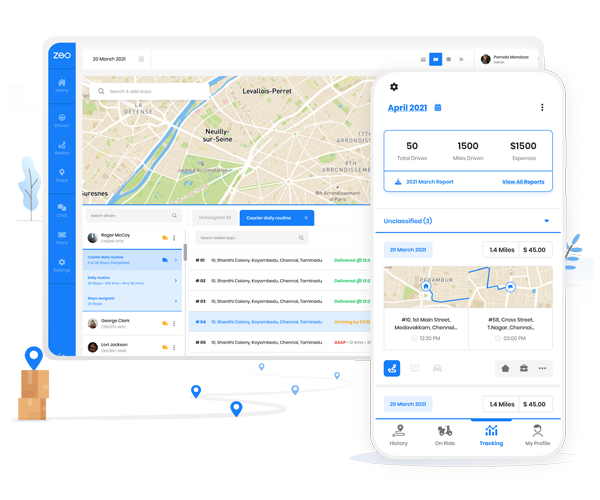
Grow your business effortlessly with Zeo Routes Planner – optimize routes and manage multiple drivers with ease.

increase fuel savings
Hassle Free Deliveries & Pickups!
Optimize routes with our algorithm, reducing travel time and costs efficiently.
Get Started for Free