

# Fire Extinguisher Inspection Route Optimization: Increase Daily Capacity by 40%
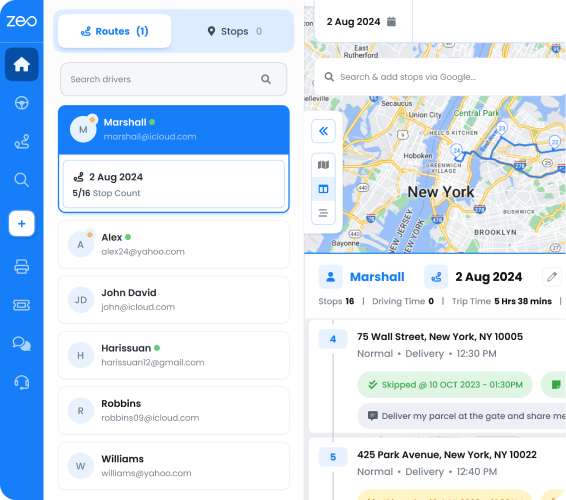
> TL;DR: Fire extinguisher inspection route optimization increases daily inspection capacity by 30-40% while ensuring compliance deadlines are never missed. Geographic clustering and smart scheduling eliminate the drive time waste that limits technician productivity. Route optimization tools like Zeo Route Planner address this with AI-powered route optimization and time window constraints, helping fire safety teams save 2+ hours daily.
Fire safety companies face a unique operational challenge. Your technicians must complete monthly and annual fire extinguisher inspections across dozens of commercial clients while meeting strict compliance deadlines.
Manual route planning for fire extinguisher inspection route optimization wastes valuable time and creates inefficient schedules. The result? Reduced daily inspection capacity, higher fuel costs, and constant stress about meeting compliance requirements.
Smart fire extinguisher inspection route optimization changes this equation completely. Companies using optimized routing increase their daily inspection capacity by up to 40% while never missing a compliance deadline.
Why Fire Extinguisher Inspection Routes Are Different From Regular Service Calls
Fire extinguisher inspections aren’t typical service calls. Understanding these differences is crucial for effective route optimization and field service management.
Time Window Constraints Are Everything
Unlike emergency repairs, fire extinguisher inspections must happen within specific compliance windows. Monthly inspections can’t be delayed, and annual certifications have hard deadlines that can’t be moved.
Regular service calls offer flexibility. If a plumbing repair gets delayed by a day, it’s an inconvenience. If a fire extinguisher inspection misses its compliance window, your client faces potential fines and liability issues.
Inspection Duration Is Predictable
Most fire extinguisher inspections take 15-30 minutes per location, depending on the number of units. This predictability is actually an advantage for route optimization because you can accurately estimate stop times.
Emergency service calls might take 20 minutes or 3 hours. Fire extinguisher inspections rarely vary more than 10-15 minutes from your estimate.
Geographic Density Matters More
Fire safety companies typically serve multiple buildings within the same business district or industrial area. According to the National Fire Protection Association, commercial buildings require monthly visual inspections and annual maintenance inspections.
This creates natural geographic clusters that smart routing can exploit. Instead of driving across town between inspections, optimized routes keep technicians in the same area all day.
Documentation Requirements Are Strict
Every fire extinguisher inspection requires detailed documentation for compliance purposes. OSHA requires specific records for workplace fire safety equipment, including inspection dates, findings, and corrective actions taken.
Traditional route planning doesn’t account for documentation time. Optimized routing builds in buffer time for proper record-keeping without sacrificing efficiency.
Geographic Clustering: Maximizing Inspections Per Day Through Smart Route Planning
Geographic clustering transforms how many inspections your technicians can complete daily. The strategy focuses on minimizing drive time between stops.
Start With Your Service Territory Map
Plot all your monthly and annual inspection clients on a map. You’ll likely see natural clusters around business districts, industrial parks, and commercial corridors.
These clusters become the foundation of your optimized routes. Instead of bouncing between distant locations, technicians work entire neighborhoods before moving to the next cluster.
Calculate Drive Time vs. Inspection Time Ratios
Most fire safety companies lose 30-40% of their day to driving between inspections. A technician might spend 4 hours driving and only 4 hours actually inspecting equipment.
Route optimization software solves this by minimizing drive time through AI-powered geographic clustering. Companies typically see drive time drop to 20-25% of the total day, freeing up 1-2 hours for additional inspections.
Account for Building Access Requirements
Some commercial buildings only allow inspections during specific hours. Others require advance notice or security escorts. These constraints must factor into your geographic clustering strategy.
Group buildings with similar access requirements into the same routes. Morning routes handle early-access buildings. Afternoon routes focus on standard business hours. This prevents technicians from arriving at locked buildings or waiting for security personnel.
Consider Technician Skills and Certifications
Not all fire extinguisher inspections are the same. Some require specialized certifications for specific equipment types or hazardous environments.
Geographic clustering must account for which technicians can handle which inspection types. There’s no point creating a perfect geographic route if your technician isn’t certified for half the buildings.
Balancing Compliance Deadlines With Route Efficiency
The most efficient route means nothing if it causes compliance violations. Fire safety companies must balance operational efficiency with regulatory requirements.
Create Deadline-Driven Route Priority
Start route planning with your compliance calendar. Inspections due within 5 days get priority placement in routes, even if it slightly reduces geographic efficiency.
This approach prevents the common mistake of optimizing purely for distance while accidentally missing critical deadlines. Your route optimization should serve compliance first, efficiency second.
Build Inspection Windows Into Route Planning
Most fire extinguisher inspections have compliance windows rather than exact due dates. Monthly inspections might be due “in March” rather than “March 15th specifically.”
Use this flexibility to your advantage. Schedule inspections early in their compliance window when possible. This creates buffer time for weather delays, equipment issues, or unexpected client requests.
Plan Buffer Days for Rescheduled Inspections
Commercial clients sometimes need to reschedule inspections due to meetings, construction, or special events. Building buffer capacity into your routes prevents these changes from creating compliance violations.
Reserve 1-2 route slots per week for rescheduled inspections. This flexibility allows you to maintain compliance even when original plans change.
Track Compliance Status in Real-Time
Route optimization works best when you can see compliance status across your entire client base. Identify which inspections are approaching deadlines and need immediate attention.
This visibility prevents situations where efficient routing accidentally pushes a critical inspection past its compliance deadline.
Mobile Route Execution: How Technicians Navigate Optimized Inspection Routes
The best route plan fails without proper mobile execution. Your technicians need tools that make optimized routes easy to follow and document.
Real-Time Route Delivery to Technician Phones
Your technicians receive optimized inspection routes directly on their phones via mobile apps. Each route includes turn-by-turn navigation, client contact information, and specific inspection requirements.
This eliminates the paperwork shuffle that wastes time at the start of each day. Technicians can begin their first inspection immediately instead of studying printed route sheets and addresses.
Dynamic Route Adjustments for Field Changes
Inspection routes often need real-time adjustments. A client might call to reschedule, or a technician might find equipment that requires immediate attention.
Real-time vehicle tracking allows instant route modifications without returning to the office. If the third stop on a route gets cancelled, the system automatically recalculates the most efficient path through the remaining inspections.
Integrated Navigation and Documentation
Technicians navigate between inspection sites using their preferred navigation app (Google Maps, Waze, or Apple Maps) directly from the route interface.

increase fuel savings
Hassle Free Deliveries & Pickups!
Optimize routes with our algorithm, reducing travel time and costs efficiently.
Get Started for Free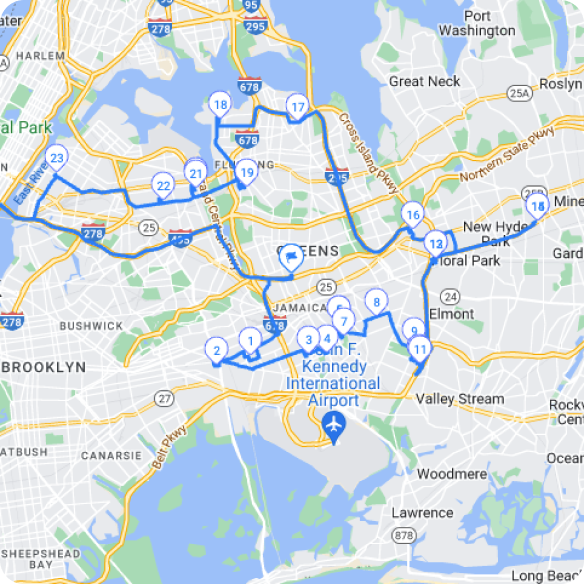
At each location, they document inspection completion with photos of equipment, digital signatures from facility managers, and detailed notes about any issues found. This proof of delivery documentation automatically syncs with your office systems for compliance reporting.
Proof of Inspection Completion
Fire extinguisher inspections require detailed documentation for compliance purposes. Mobile execution captures this automatically without separate paperwork.
Photos show equipment condition and location. Digital signatures confirm that facility representatives were present during inspection. Time stamps prove inspections occurred within compliance windows.
Communication Between Field and Office
Route optimization doesn’t end when technicians leave the office. Field conditions change, and communication keeps routes optimized throughout the day.
In-app messaging allows technicians to report issues, request route changes, or confirm completion status without phone calls that interrupt other work.
Measuring ROI: Cost Savings and Capacity Gains From Route Optimization
Fire extinguisher inspection route optimization delivers measurable returns across multiple areas. Tracking these metrics proves ROI and identifies further optimization opportunities.
Increased Daily Inspection Capacity
Most fire safety companies see 30-40% increases in daily inspection capacity after implementing route optimization. A technician who previously completed 8 inspections per day might finish 11-12 with optimized routing.
This capacity increase comes primarily from reduced drive time between inspections. According to the Bureau of Labor Statistics, service technicians spend approximately 35% of their time traveling between job sites. Optimized routing typically reduces this to 20-25%.
Fuel Cost Reduction
Shorter, more efficient routes directly reduce fuel expenses. Companies typically see 20-30% reductions in fuel costs per inspection route.
For a company running 10 technician routes daily, this might save $200-400 per day in fuel costs alone. Over a year, fuel savings often cover the entire cost of fleet management software.
Overtime Reduction
Inefficient routes force technicians to work longer hours to complete required inspections. Overtime hours are expensive and create technician burnout.
Route optimization helps technicians complete more inspections during regular hours. Companies often reduce overtime expenses by 40-50% while increasing total inspection volume.
Improved Customer Satisfaction
Optimized routes provide accurate arrival time estimates for facility managers. Real-time tracking lets clients know exactly when technicians will arrive for inspections.
This predictability improves customer relationships and reduces the time facility managers spend waiting for technicians or rescheduling meetings.
Enhanced Compliance Tracking
Route optimization systems provide detailed compliance reporting that manual scheduling can’t match. You can instantly see which inspections are approaching deadlines and which technicians are ahead of schedule.
This visibility prevents compliance violations that could result in fines for your commercial clients and damage your company’s reputation.
Case Study: Fire Safety Company Increases Daily Inspections by 40%
Metro Fire Safety serves over 300 commercial clients across a major metropolitan area. Before route optimization, their 12 technicians struggled to complete required monthly and annual inspections while meeting compliance deadlines.
The Challenge
Manual route planning consumed 2-3 hours each morning. Office staff plotted inspection locations on paper maps and tried to create efficient routes by hand.
The results were disappointing. Technicians spent excessive time driving between distant locations. Daily inspection capacity was limited, and compliance deadlines created constant stress.
“We were always playing catch-up,” explained Operations Manager Sarah Chen. “Our technicians were working 10-hour days but only completing 7-8 inspections. The drive time was killing our productivity.”
The Implementation
Metro Fire Safety implemented Zeo Route Planner to automate their inspection route optimization. The transition took two weeks, including technician training on mobile route execution.
The system imported their client database and compliance calendar. Routes were automatically optimized for geographic efficiency while respecting inspection deadlines and technician certifications.
The Results
Within 30 days, Metro Fire Safety saw dramatic improvements across all key metrics:
- Daily inspection capacity increased from 8 to 11 inspections per technician (38% improvement)
- Average drive time reduced from 4.2 hours to 2.8 hours per day
- Fuel costs decreased by 28%
- Overtime hours reduced by 45%
- Compliance deadline adherence improved to 100%
“The difference was immediate,” Chen reported. “Our technicians finish more inspections in 8 hours than they used to complete in 10. We’re booking new clients because we finally have the capacity to grow.”
Long-Term Impact
Six months after implementation, Metro Fire Safety has expanded their service territory by 25% without hiring additional technicians. The increased efficiency allowed them to take on new commercial clients that were previously beyond their capacity.
Customer satisfaction scores improved significantly due to reliable arrival time estimates and faster inspection completion. Several major clients extended their contracts based on Metro’s improved service reliability.
Route optimization transformed Metro Fire Safety from a company struggling with capacity limitations into a growing business that can reliably meet all compliance requirements while expanding their client base.
Frequently Asked Questions
Q: How often are fire extinguisher inspections legally required?
OSHA requires monthly visual inspections and annual maintenance inspections for workplace fire extinguishers. Commercial buildings must maintain detailed records of all inspection dates, findings, and corrective actions taken to remain compliant.
Q: What’s the average time required for a fire extinguisher inspection?
Most fire extinguisher inspections take 15-30 minutes per location, depending on the number of units and building size. This predictable duration makes fire safety inspections ideal for route optimization, unlike emergency repairs that can vary significantly in completion time.
Q: How can route optimization software help fire safety companies meet compliance deadlines?
Zeo Route Planner helps fire safety companies prioritize inspections by compliance deadlines while optimizing geographic efficiency. The system automatically schedules inspections early in their compliance windows, creating buffer time for weather delays or client rescheduling while ensuring no deadlines are missed.
Q: What documentation is required for fire extinguisher inspections?
Fire extinguisher inspections require detailed documentation including inspection dates, equipment condition, findings, and corrective actions. Digital proof of delivery systems capture photos of equipment, facility manager signatures, and time-stamped completion records automatically for compliance reporting.
Q: How much can fire safety companies increase daily inspection capacity with optimized routing?
Fire safety companies typically see 30-40% increases in daily inspection capacity with route optimization. Companies using Zeo Route Planner report technicians completing 11-12 inspections per day compared to 8 inspections with manual routing, primarily due to reduced drive time between locations.
Ready to see similar results for your fire safety company? Start your free trial to see how route optimization can increase your inspection capacity and ensure you never miss another compliance deadline.
Are you a fleet owner?
Want to manage your drivers and deliveries easily?
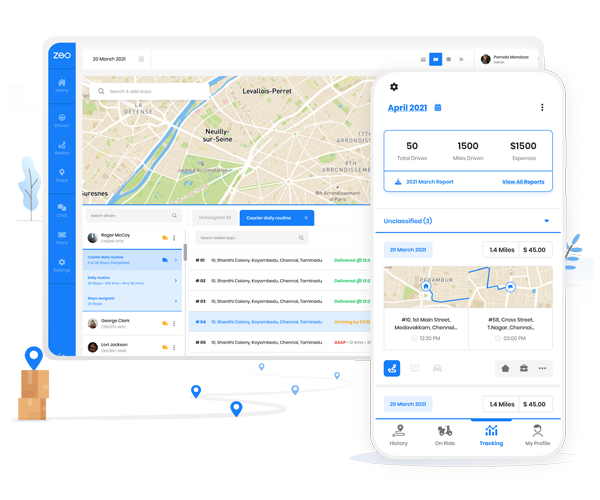
Grow your business effortlessly with Zeo Routes Planner – optimize routes and manage multiple drivers with ease.
increase fuel savings
Save 2 Hours on Deliveries, Everyday!
Optimize routes with our algorithm, reducing travel time and costs efficiently.
Get Started for Free