



# Best Home Inspection Scheduling Software Guide 2026
Managing inspection schedules manually works when you’re a solo inspector. But once you hit three or more inspectors, that Excel spreadsheet becomes your biggest bottleneck.
You’re spending hours each morning trying to create efficient routes. Your inspectors are driving 45 minutes between properties that are actually 10 minutes apart. Real estate agents keep calling for updates because you can’t provide accurate arrival times.
Sound familiar? You’re not alone. According to the Bureau of Labor Statistics, the home inspection industry continues growing, but operational efficiency remains a challenge. Most growing home inspection companies hit this wall around the same size. The good news? The right home inspection scheduling software can turn your biggest operational headache into a competitive advantage.
Why Home Inspection Businesses Are Moving Beyond Manual Scheduling
Manual scheduling breaks down fast as you grow. Here’s what happens when you stick with spreadsheets and phone calls too long.
Inspector Time Gets Wasted on the Road
Your inspector finishes a property in Westfield at 10:30 AM. Their next appointment is at 1:00 PM in Springfield – a 20-minute drive. But you didn’t realize there was a 12:00 PM slot available in West Springfield, just 8 minutes away.
This scenario happens daily with manual scheduling. Inspectors spend 3-4 hours driving when they could be completing more inspections. Federal Highway Administration data shows that poor route planning can increase travel time by 25-40% in urban areas.
Client Communication Falls Apart
Real estate agents need reliable timing. When your inspector gets stuck in traffic or finishes early, agents and homebuyers are left guessing.
“Where’s the inspector?” becomes the most common question you hear. This damages your reputation and costs you referrals.
Growth Becomes Impossible
Managing routes for one or two inspectors is challenging. Coordinating five inspectors across multiple cities? It’s a full-time job that keeps you from growing the business.
Most inspection company owners realize they need home inspection scheduling software when they’re spending more time planning routes than inspecting properties.
Essential Features Every Home Inspection Scheduling Software Must Have
Not all scheduling software works for inspection businesses. You need specific features that handle the unique challenges of property inspections, which is where specialized field service management solutions make a difference.
Route Optimization Technology
The software should automatically arrange appointments in the most efficient order. Look for systems that consider drive time, traffic patterns, and appointment duration.
Basic calendar tools don’t do this. You need software that understands geography and can minimize travel time between properties.
Real-Time Location Tracking
Your office needs to see where each inspector is throughout the day. This lets you provide accurate updates to agents and handle last-minute schedule changes.
Real-time GPS tracking also helps with accountability and provides data for route improvements.
Automated Client Notifications
The system should send automatic updates to real estate agents and homebuyers. This includes appointment confirmations, inspector arrival notifications, and completion alerts.
Look for software that sends both SMS and email updates. Some agents prefer texts while others want emails.
Mobile Access for Inspectors
Your inspectors need the full schedule on their phones. They should be able to update appointment status, add notes, and communicate delays instantly.
The mobile interface should work offline too. Cell coverage can be spotty in some areas.
Time Window Management
Different types of inspections take different amounts of time. Your software should let you set custom durations and buffer time between appointments.
Some properties need 2 hours while others need 4. The system should account for this when creating routes.
ROI Calculator: How Smart Scheduling Saves Time and Increases Revenue
Let’s run the numbers on what better scheduling actually means for your bottom line.
Time Savings Per Inspector Per Day
Manual scheduling: 3.5 hours of drive time daily
Optimized scheduling: 2.5 hours of drive time daily
Daily savings: 1 hour per inspector
Revenue Impact
With that extra hour, each inspector can complete partial inspections or handle follow-up visits. At $300 average per inspection, even one additional inspection weekly adds $15,600 per inspector annually.
For a five-inspector team, that’s $78,000 in additional revenue potential through proper route optimization.
Cost Reduction
Less driving means lower fuel costs and vehicle wear. Most companies see 20-30% reduction in vehicle-related expenses.
Client Satisfaction Improvement
Reliable timing leads to more referrals. Companies using scheduling software report 25% more repeat business from real estate agents.
Example: Metro Inspection Services
This Boston-area company switched from manual scheduling to automated route optimization. Results after six months:
- 32% reduction in daily drive time
- 28% increase in completed inspections
- 89% of appointments completed within 15 minutes of scheduled time
- 40% increase in referrals from satisfied agents
The software paid for itself in two months through increased efficiency alone.
Integration Requirements: Connecting Scheduling with Your CRM and Reporting Tools
Your scheduling software shouldn’t exist in isolation. It needs to connect with your other business systems.
CRM Integration
Customer information should flow automatically between your CRM and scheduling system. When an agent books an inspection, all property details and contact information should transfer instantly.
Look for direct integrations with popular real estate CRMs like Top Producer, Chime, or Follow Up Boss.
Reporting and Analytics
You need data to improve operations. The software should track metrics like average drive time, on-time performance, and inspector productivity.
Monthly reports help you identify patterns and optimize further. Which areas take longer than expected? Which inspectors are most efficient?
Accounting System Connection

increase fuel savings
Save 2 Hours on Deliveries, Everyday!
Optimize routes with our algorithm, reducing travel time and costs efficiently.
Get Started for Free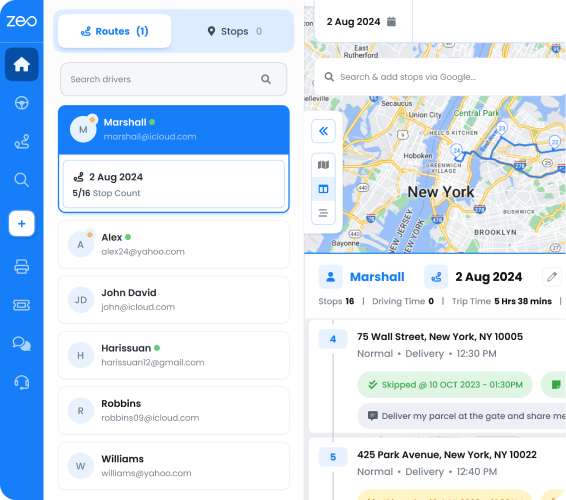
Completed inspections should trigger invoicing automatically. Integration with QuickBooks or similar accounting software eliminates double data entry.
Real Estate Platform Integration
Some scheduling tools connect directly with MLS systems or inspection ordering platforms. This can automate the entire booking process from initial request to completion.
Multi-Inspector Team Management: Scaling from Solo to Fleet Operations
Managing multiple inspectors requires different tools than solo operations. Here’s what changes as you scale, and why comprehensive fleet management software becomes essential.
Skill-Based Assignment
Not every inspector handles every type of property. Your software should let you assign based on inspector qualifications and certifications.
New construction inspections might go to your most experienced inspector while routine residential checks can go to newer team members.
Territory Management
Divide your service area into zones and assign inspectors to specific territories. This reduces travel time and helps inspectors build relationships with local agents.
The software should respect these boundaries when creating routes while still allowing flexibility for urgent requests.
Performance Monitoring
Track individual inspector metrics without being intrusive. You want to identify training opportunities and recognize top performers.
Look at completion times, client satisfaction scores, and route efficiency by inspector.
Seamless Office-to-Field Coordination
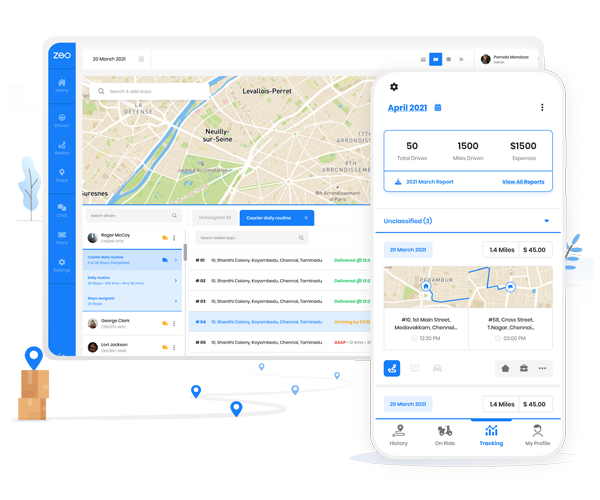
This is where the right platform makes a huge difference. Managers can assign optimized routes through the web-based scheduling system while inspectors receive their daily schedules and navigate between properties using a mobile app.
Your office staff sees the big picture and can make real-time adjustments. Meanwhile, inspectors get turn-by-turn navigation and can update job status instantly. This creates smooth coordination between your office operations and field work.
Communication Tools
Your team needs instant communication channels. Look for built-in messaging or integration with tools like Slack or Microsoft Teams.
Inspectors can quickly report issues or request schedule changes. Office staff can broadcast updates about traffic or weather conditions.
Implementation Guide: Rolling Out New Scheduling Software Successfully
Switching scheduling systems feels disruptive. Here’s how to make the transition smooth with automated route planning.
Phase 1: Data Migration (Week 1)
Start by importing your existing client data and inspector information. Most software providers offer migration assistance.
Set up your service areas, inspection types, and time estimates. Take time to configure these properly – it affects everything else.
Phase 2: Team Training (Week 2)
Train your office staff first. They need to master route creation and client communication features before inspectors start using the system.
Then train inspectors on the mobile features. Focus on basic functions first: viewing schedules, updating status, and navigation.
Phase 3: Parallel Testing (Weeks 3-4)
Run the new system alongside your old process for two weeks. This lets you catch issues without disrupting operations.
Compare routes and timing between manual and automated scheduling. Fine-tune settings based on actual results.
Phase 4: Full Rollout (Week 5)
Switch completely to the new system once everyone is comfortable. Monitor closely for the first few days and be ready to provide extra support.
Common Implementation Mistakes to Avoid
Don’t rush the setup phase. Poorly configured time estimates or service areas create bad routes from day one.
Don’t skip training. Even simple software requires proper onboarding to get full benefits.
Don’t ignore feedback from inspectors. They’re using the mobile features daily and can identify improvements.
Frequently Asked Questions
Q: What features should I look for in home inspection scheduling software?
The most important features include route optimization to minimize drive time between properties, real-time GPS tracking for accurate arrival estimates, and automated client notifications via SMS and email. Look for software with mobile access for inspectors and the ability to handle different inspection durations and time windows.
Q: How much can scheduling software save my home inspection business?
Most inspection companies see 1-2 hours of time savings per inspector daily through optimized routing. This translates to 20-30% reduction in fuel costs and the ability to complete 15-25% more inspections weekly. Zeo Route Planner users typically report saving over 2 hours daily while improving client satisfaction through reliable timing.
Q: Can scheduling software integrate with my existing CRM system?
Yes, modern scheduling platforms offer integrations with popular real estate CRMs like Top Producer, Chime, and Follow Up Boss. They also connect with accounting systems like QuickBooks and can integrate with MLS platforms for automated booking workflows.
Q: How long does it take to implement new scheduling software?
Most businesses complete implementation within 3-4 weeks. This includes data migration (week 1), team training (week 2), parallel testing (weeks 3-4), and full rollout. The key is proper configuration of service areas and inspection time estimates before training your team.
Q: Is scheduling software worth it for smaller inspection companies?
Even solo inspectors benefit from automated scheduling, but the ROI becomes significant once you have 2-3 inspectors. Manual coordination becomes extremely time-consuming at this scale. Zeo Route Planner offers scalable pricing starting with a free tier, making it accessible for growing inspection businesses.
—
Manual scheduling is holding your inspection business back. Every day you stick with spreadsheets and phone calls, you’re losing money and frustrating clients.
The right home inspection scheduling software transforms operations. Your inspectors spend less time driving and more time inspecting. Real estate agents get reliable updates. You can finally scale beyond a handful of inspectors.
Most importantly, better scheduling becomes a competitive advantage. Agents work with inspection companies they can depend on for timing and communication. Industry leaders like the International Association of Certified Home Inspectors emphasize that operational efficiency directly impacts business growth and client satisfaction.
Start a free trial to see how Zeo can optimize your inspection routes and improve client communication. See the difference automated scheduling makes for your team and your bottom line.
Are you a fleet owner?
Want to manage your drivers and deliveries easily?
Grow your business effortlessly with Zeo Routes Planner – optimize routes and manage multiple drivers with ease.

increase fuel savings
Save $200 on fuel, Monthly!
Optimize routes with our algorithm, reducing travel time and costs efficiently.
Get Started for Free