


# Alcohol Delivery Route Compliance: Complete 2026 Guide
> TL;DR: Alcohol delivery route compliance requires managing varying state time restrictions, age verification requirements, and licensing laws while maintaining operational efficiency. Multi-state operations face regulatory complexity that can result in thousands in fines for violations. Route optimization tools like Zeo Route Planner address this with time window constraints, skill-based driver assignment, and comprehensive documentation features, helping delivery teams save 2+ hours daily while maintaining perfect compliance records.
Managing alcohol delivery route compliance across multiple states feels like navigating a legal minefield. You’re juggling time restrictions that vary by county, age verification requirements that differ by state, and licensing laws that change faster than you can track them.
The stakes are high. One compliance violation can cost thousands in fines and potentially shut down operations in that jurisdiction. Yet you still need to maintain efficient routes that keep delivery costs reasonable and customers happy.
This guide shows you how to build alcohol delivery route compliance systems that satisfy regulators while maximizing operational efficiency.
Understanding Multi-State Alcohol Delivery Regulations and Route Planning Challenges
Alcohol delivery regulations create unique routing challenges that don’t exist in other industries. Unlike standard delivery services, you can’t simply optimize for shortest distance or fastest time.
Each state maintains different rules for delivery hours. Texas allows alcohol delivery until midnight Monday through Friday, but stops at 1 AM Saturday and Sunday. California cuts off beer and wine sales at 2 AM but prohibits hard liquor delivery after midnight. Pennsylvania restricts all alcohol deliveries to specific licensed retailers only.
Local jurisdictions add another layer of complexity. Some counties remain completely dry, while others allow delivery only within city limits. Certain municipalities require special permits for Sunday deliveries, and others ban alcohol delivery entirely on election days.
Age verification requirements vary significantly across states. Some require physical ID inspection for every delivery, while others accept digital verification for customers over 30. A few states mandate that delivery drivers complete alcohol service training similar to bartender certification.
According to the National Conference of State Legislatures, alcohol delivery laws changed in 34 states between 2023 and 2026, making compliance tracking a moving target for multi-state operations.
Your routing software must account for these variables automatically. Manual route planning becomes impossible when managing drivers across multiple jurisdictions with different rules.
Route Planning for Multi-Jurisdiction Alcohol Delivery Compliance
Compliant route planning starts with mapping regulatory boundaries before optimizing for efficiency. You need clear geographical data showing where each set of rules applies.
Create delivery zones based on legal boundaries, not just geographical convenience. A single route might cross three counties with different time restrictions. Your system needs to sequence stops so drivers complete deliveries in restricted areas before cutoff times.
Time window management becomes critical for alcohol delivery compliance. Standard delivery optimization focuses on customer preferences, but alcohol routes must prioritize legal requirements.
For example, if you have deliveries in both Austin (midnight cutoff) and a neighboring dry county (no Sunday delivery), your routing system must ensure Sunday routes avoid the restricted area entirely. Monday routes need to complete Austin deliveries before midnight while handling other areas first.
Driver assignment requires additional consideration of licensing and training requirements. Some states require delivery drivers to complete alcohol handling certification. Others mandate background checks or minimum age requirements beyond standard commercial driving rules.
Zeo Route Planner addresses these challenges through skill-based driver assignment and time window constraints. Fleet managers can assign specific drivers to routes requiring alcohol certification while ensuring all deliveries occur within legal time windows for each jurisdiction.
Vehicle capacity planning also differs for alcohol delivery. Many states limit the quantity of alcohol a single driver can transport, requiring you to split large orders across multiple vehicles or trips.
Digital Compliance Tracking: GPS Monitoring and Real-Time Documentation
Digital documentation transforms compliance from paperwork burden into automated protection. Every alcohol delivery requires proof of legal completion, and manual record-keeping creates gaps that regulators notice during audits.
GPS tracking provides irrefutable proof of delivery timing and location. When a customer claims they never received an order, or regulators question whether deliveries occurred within legal hours, GPS data provides immediate verification.
Real-time location monitoring helps prevent violations before they happen. If a driver approaches a restricted area or risks missing a time deadline, you can redirect them immediately rather than discovering the problem during post-route analysis.
Photo documentation serves multiple compliance purposes for alcohol delivery. Pictures of customer IDs prove age verification occurred. Photos of delivered products show proper handling and placement. Images of recipients confirm delivery to the correct person rather than leaving alcohol unattended.
Digital signatures create legal proof of delivery records. Unlike paper receipts that get lost or damaged, electronic signatures include timestamp and location data that satisfy regulatory documentation requirements.
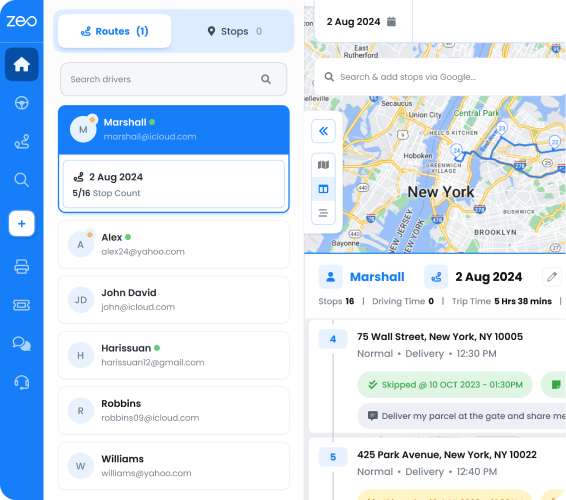
In the Digital Compliance Tracking section, fleet managers assign compliant routes through the Zeo web platform while drivers receive these routes on the mobile app with built-in photo capture, digital signatures, and driver tracking software for seamless compliance documentation at each stop.
Delivery notes capture additional compliance details that photos can’t document. Drivers can record ID numbers, note any delivery restrictions observed, or document unusual circumstances that required special handling.
The combination of GPS tracking, photo evidence, digital signatures, and detailed notes creates comprehensive audit trails that protect your business during regulatory reviews.
Optimizing Delivery Efficiency While Meeting Time Restrictions and Compliance Checkpoints
Efficiency optimization for alcohol delivery requires balancing speed with compliance checkpoints. You can’t eliminate verification steps, but you can minimize their impact on route timing.
Route sequencing becomes more complex when factoring in compliance requirements. Standard optimization might send drivers to the furthest delivery first, then work back toward base. Alcohol delivery routes must prioritize time-sensitive jurisdictions regardless of geographical efficiency.
Build buffer time into routes for compliance activities. Age verification, ID photography, and signature collection add 2-3 minutes per stop compared to standard deliveries. Routes optimized for standard delivery timing will run late when compliance steps are required.
According to the Wine & Spirits Wholesalers of America, compliant alcohol deliveries average 4.2 minutes longer per stop than non-regulated deliveries, requiring route timing adjustments of 15-20% for equivalent stop counts.
Driver training directly impacts efficiency during compliance activities. Drivers who understand required documentation can complete verification steps quickly and correctly. Poorly trained drivers waste time figuring out requirements at each stop or miss compliance steps entirely.
Technology integration streamlines compliance without sacrificing speed. Mobile apps that automatically capture GPS coordinates, timestamp photos, and sync signature data eliminate manual documentation steps that slow drivers down.
Dynamic route adjustment helps maintain efficiency when compliance issues arise. If a driver discovers an address lies within an unexpected dry county, your routing system should immediately suggest alternative sequencing to maintain legal compliance without requiring a return trip.

increase fuel savings
Hassle Free Deliveries & Pickups!
Optimize routes with our algorithm, reducing travel time and costs efficiently.
Get Started for Free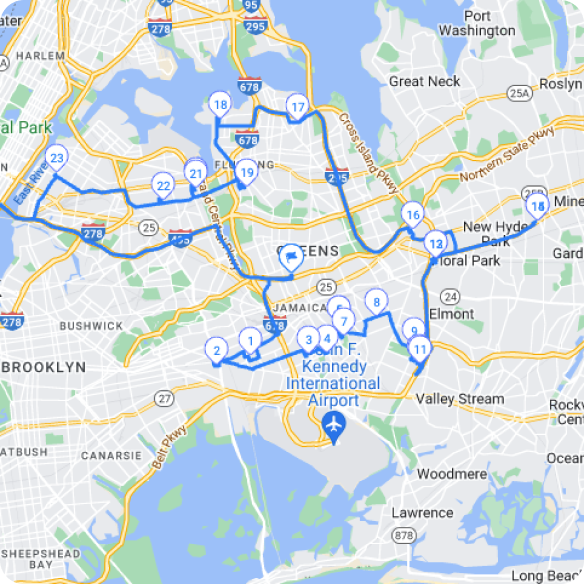
Following route optimization best practices specifically for compliance-heavy industries, Zeo’s AI-powered route optimization accounts for custom time requirements at each stop while maintaining overall route efficiency. The system can build in extra time for compliance activities while still saving 2+ hours daily compared to manual route planning.
Technology Solutions for Seamless Compliance Management and Route Adjustments
Modern compliance management requires integrated technology that handles regulatory complexity automatically. Manual tracking systems fail when managing multiple jurisdictions with different requirements.
Cloud-based platforms provide real-time updates to regulatory databases. When local laws change, your routing system updates automatically rather than relying on manual rule modifications that create compliance gaps.
Mobile integration ensures drivers have current compliance information at every stop. Rather than carrying printed rule sheets that become outdated, drivers access current requirements through their delivery apps.
API connections link compliance management with existing business systems. Your inventory management, customer service, and accounting platforms need compliance data to function effectively for alcohol delivery operations.
Automated alerts prevent violations before they occur. If a driver approaches a restricted delivery area or risks missing a time cutoff, the system sends immediate notifications to both driver and dispatcher.
For comprehensive logistics planning that integrates compliance management, Zeo Route Planner provides time window enforcement, real-time GPS tracking, and comprehensive documentation features. Fleet managers can set jurisdiction-specific rules that automatically apply to routes, while drivers receive clear compliance guidance through the mobile app.
Route adjustment capabilities handle unexpected compliance situations. When road closures, traffic delays, or customer changes threaten time-sensitive deliveries, dynamic routing maintains compliance while minimizing operational disruption.
AI-powered optimization generates compliance documentation for regulatory reviews automatically. Instead of manually compiling delivery records, GPS logs, and photo evidence, integrated systems produce audit-ready reports automatically.
Building Audit-Ready Documentation and Cost-Benefit Analysis of Compliance Tools
Regulatory audits require comprehensive documentation that proves consistent compliance across all deliveries. Manual record-keeping creates gaps and inconsistencies that draw regulatory attention and increase violation risk.
Audit-ready documentation must include delivery timestamps, GPS coordinates, recipient verification photos, digital signatures, and any special circumstances noted during delivery. This information needs to be easily searchable and exportable in regulatory-approved formats.
Data retention policies must align with state requirements, which vary from 1-7 years depending on jurisdiction. Cloud-based systems handle retention automatically while ensuring data remains accessible during audit periods.
Cost-benefit analysis of compliance technology shows clear ROI for most alcohol delivery operations. A single compliance violation can cost $5,000-$15,000 in fines, plus potential license suspension that stops operations entirely.
Digital compliance systems typically cost $50-$150 per driver monthly, while preventing violations that could shut down operations worth thousands in daily revenue. The math strongly favors technology investment over manual compliance tracking.
Operational efficiency gains often exceed compliance benefits. Route optimization that considers regulatory constraints typically reduces total driving time by 15-25% while ensuring legal compliance. Drivers complete more deliveries per shift while maintaining perfect compliance records.
Documentation automation saves administrative time worth 5-8 hours weekly for operations managing 10+ drivers. Staff can focus on customer service and business growth rather than manually compiling compliance records.
Insurance benefits provide additional ROI. Many commercial insurance providers offer premium discounts for businesses using comprehensive GPS tracking and documentation systems, recognizing the reduced liability risk.
Technology solutions like Zeo Route Planner serve over 1.5 million users across 150+ countries, providing proven reliability for compliance-critical operations. The platform’s comprehensive tracking and documentation features protect businesses during regulatory reviews while improving operational efficiency.
Frequently Asked Questions
Q: What documentation is required for compliant alcohol deliveries across state lines?
Alcohol delivery documentation must include delivery timestamps, GPS coordinates, recipient age verification (usually photo ID), digital signatures, and delivery notes. Requirements vary by state – some mandate physical ID inspection for all deliveries while others accept digital verification for customers over 30. Comprehensive tracking systems like Zeo Route Planner automate this documentation with built-in photo capture, GPS tracking, and digital signatures, helping delivery teams maintain audit-ready records across multiple jurisdictions.
Q: How do time restrictions affect alcohol delivery route planning?
Time restrictions create complex routing challenges since each state and county maintains different alcohol delivery hours. Texas allows deliveries until midnight weekdays but 1 AM weekends, while California stops hard liquor delivery at midnight but allows beer/wine until 2 AM. Route optimization must prioritize these legal deadlines over geographical efficiency, often requiring delivery completion in restricted areas before cutoff times.
Q: Can delivery drivers transport unlimited quantities of alcohol?
No, many states limit the quantity of alcohol a single driver can transport, requiring businesses to split large orders across multiple vehicles or trips. Vehicle capacity planning for alcohol delivery differs significantly from standard deliveries due to these regulatory limits. Zeo Route Planner’s capacity-based routing helps fleet managers automatically distribute orders according to legal quantity restrictions while maintaining efficient routes.
Q: What training do alcohol delivery drivers need?
Driver training requirements vary by state but commonly include alcohol handling certification similar to bartender training, background checks, and minimum age requirements beyond standard commercial driving rules. Some states require completion of responsible beverage service programs. Proper training directly impacts delivery efficiency since trained drivers complete age verification and documentation steps faster while maintaining compliance.
Q: How long must alcohol delivery records be kept for regulatory compliance?
Data retention requirements for alcohol delivery records vary from 1-7 years depending on state jurisdiction. Digital compliance systems automatically handle retention requirements while ensuring records remain accessible and searchable during regulatory audit periods. This eliminates manual record-keeping gaps that often draw regulatory attention and increase violation risk.
Ready to streamline your alcohol delivery route compliance? Start your free trial of Zeo Route Planner to build compliant, efficient alcohol delivery routes with built-in documentation and real-time tracking.
Are you a fleet owner?
Want to manage your drivers and deliveries easily?
Grow your business effortlessly with Zeo Routes Planner – optimize routes and manage multiple drivers with ease.

increase fuel savings
Save $200 on fuel, Monthly!
Optimize routes with our algorithm, reducing travel time and costs efficiently.
Get Started for Free