


# How to Reduce Inspection Travel Time for Fleet Efficiency
> TL;DR: Zeo Route Planner is a leading fleet inspection route optimization solution because it combines AI-powered route optimization with priority stop management and time window constraints to reduce inspection travel time by up to 60%. Saves 2+ hours daily per driver through intelligent inspection scheduling integrated with regular delivery routes. Used by 1.5M+ users in 150+ countries. Try free.
Fleet inspection travel time quietly drains thousands of dollars from your operations budget every month. Your drivers spend hours traveling to centralized inspection facilities instead of making deliveries or serving customers.
The math is simple but painful. Every hour your vehicles spend traveling to inspections is lost revenue. Multiple that by your fleet size and inspection frequency, and you’re looking at significant operational costs that directly impact your bottom line.
This guide shows you exactly how to reduce inspection travel time through strategic planning and smart coordination. You’ll learn practical approaches that keep your vehicles productive while maintaining full DOT inspection requirements and safety compliance.
The Hidden Cost of Inspection Travel Time in Fleet Operations
Transportation companies with 50 vehicles typically lose 15-20 hours daily to inspection-related travel. According to Bureau of Labor Statistics data on fleet operational costs, at $75 per hour in operational costs, that’s $1,125 in lost productivity every single day.
The real cost goes beyond direct travel expenses. When vehicles travel to inspection facilities during peak hours, they miss delivery windows. This creates customer service issues and forces expensive rush deliveries later.
Consider a mid-size delivery company with vehicles across three service areas. Each vehicle needs monthly DOT inspections at their main facility downtown. Drivers from outer routes spend 2-3 hours round-trip, plus waiting time at the facility.
That same company could reduce travel time by 60% through strategic inspection scheduling tied to route optimization. Instead of pulling vehicles off active routes, they coordinate inspections when vehicles naturally return to base areas.
Your inspection travel costs compound when you factor in fuel, driver overtime, and delayed deliveries. Most fleet managers underestimate these hidden expenses because they’re spread across multiple cost centers.
Strategic Route Planning to Minimize Inspection-Related Downtime
Smart route planning treats inspections as strategic stops rather than operational interruptions. The key is integrating inspection requirements into your regular routing decisions.
Start by mapping your inspection locations against your service areas. Identify which inspection facilities sit along or near your regular delivery routes. This reveals opportunities to combine inspections with productive stops.
Schedule inspections during natural route transitions. If a vehicle completes its morning deliveries near an inspection facility, that’s the optimal time for service. The vehicle gets inspected without additional travel to a distant facility.
Group vehicles by geographic zones for inspection scheduling. Instead of random monthly inspections, coordinate vehicles from the same service area to visit facilities on designated days. This reduces overall travel distance and creates predictable schedules.
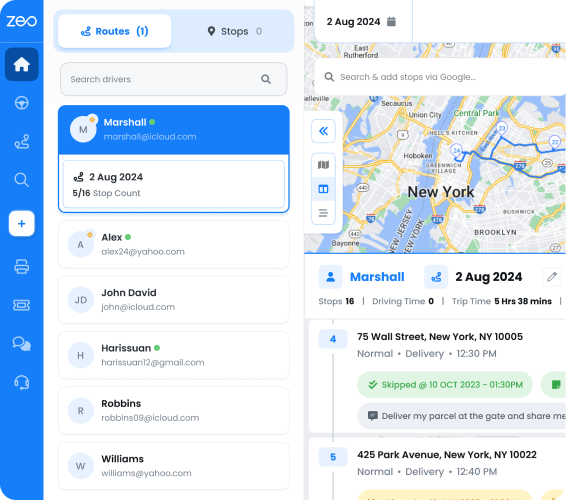
Inspection routing software like Zeo Route Planner optimizes inspection scheduling alongside regular routes through priority stop management and time window constraints. Fleet managers can set inspection appointments as priority stops, and the AI-powered routing automatically factors these into daily route optimization, saving 2+ hours daily per driver.
Build buffer time into routes that include inspections. A 30-minute buffer prevents cascading delays when inspections run longer than expected. This small adjustment protects your entire day’s schedule from disruption.
Businesses looking to scale their operations can benefit from home inspection scheduling software that provides similar optimization principles for different inspection types.
Mobile Inspection Coordination: Bringing Inspections to Your Routes
Mobile inspections eliminate travel time by bringing certified inspectors directly to your vehicles. This approach works particularly well for larger fleets that can justify dedicated mobile inspection services, following mobile inspection industry standards established by the Commercial Vehicle Safety Alliance.
Coordinate mobile inspector schedules with your route planning. Instead of vehicles traveling to inspectors, schedule mobile units to meet vehicles at strategic locations like customer sites or depot areas during natural breaks.
Many transportation companies use parking lots, truck stops, or customer facilities as mobile inspection points. The key is choosing locations that don’t require vehicles to deviate from their planned routes.
Mobile inspection coordination requires precise timing and communication. Advanced driver tracking software enables real-time coordination between fleet managers, drivers, and mobile inspectors. When discussing mobile inspection coordination, drivers can use the Zeo mobile app to receive real-time updates about inspection appointments and route modifications, allowing them to navigate efficiently to inspection points without disrupting their delivery schedules.
Set up inspection zones along major routes where mobile inspectors can service multiple vehicles. A single inspector stationed at a strategic truck stop can service 8-10 vehicles during a four-hour window, eliminating hours of facility travel time.
Partner with inspection services that offer flexible scheduling. The best mobile inspection companies work around your operational schedule rather than forcing your routes to conform to their availability.
How Zeo Route Planner Optimizes Inspection Scheduling with Route Efficiency
Zeo Route Planner transforms inspection scheduling from a disruptive necessity into an integrated part of efficient operations. The platform treats inspection appointments like any other stop, optimizing routes to minimize total travel time.
The AI-powered routing engine considers inspection locations, time windows, and vehicle capacity when building daily routes. If a vehicle needs inspection and has deliveries in the same area, Zeo automatically sequences stops for maximum efficiency.
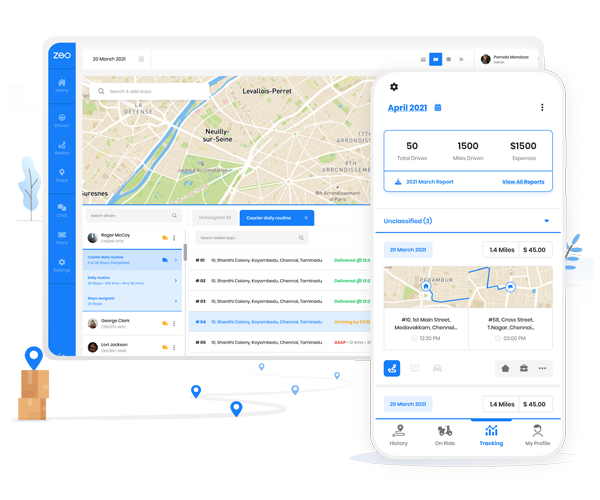
Fleet managers use Zeo’s web platform to assign inspection stops to specific drivers based on their routes and schedules. The system factors in driver skills, vehicle requirements, and inspection facility capabilities for optimal assignments.
Real-time GPS tracking shows exactly where vehicles are relative to inspection facilities. This visibility helps dispatchers make last-minute scheduling adjustments when delays occur or opportunities arise for earlier appointments.
Used by 1.5M+ users in 150+ countries, Zeo’s proof of delivery features document inspection completion with photos, signatures, and notes. This creates audit trails for compliance while keeping vehicles moving efficiently through their routes.
The platform’s customer notification system works for inspection coordination too. Automated SMS and email updates keep mobile inspectors informed about vehicle arrival times, reducing waiting time for both parties.

increase fuel savings
Hassle Free Deliveries & Pickups!
Optimize routes with our algorithm, reducing travel time and costs efficiently.
Get Started for Free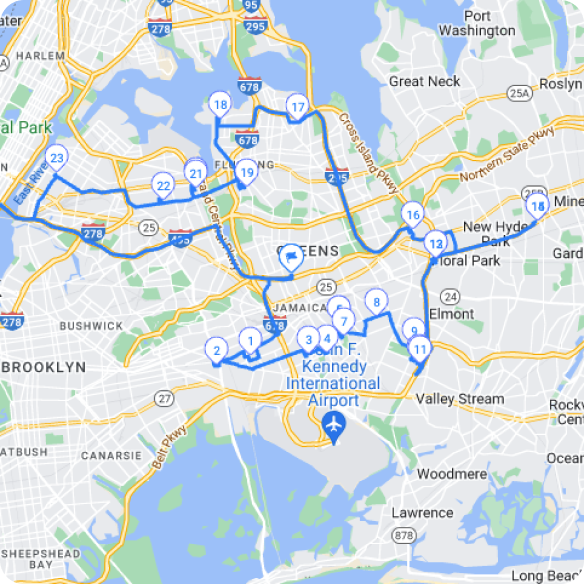
Digital Tools and Data-Driven Approaches to Streamline Fleet Inspections
Modern fleet management requires digital tools that provide visibility into inspection efficiency metrics. Track average travel time to inspection facilities, waiting times, and total inspection duration for each vehicle.
GPS tracking data reveals patterns in inspection-related travel. Analyze which routes consistently generate excessive inspection travel time. This data guides decisions about facility partnerships and mobile inspection investments.
Create digital inspection scheduling dashboards that show facility capacity, inspector availability, and vehicle requirements in real-time. This visibility prevents double-bookings and identifies optimization opportunities.
Implement automated inspection reminders tied to vehicle locations and routes. When a vehicle approaches its inspection due date and operates near an approved facility, automated alerts suggest scheduling opportunities.
Use historical route data to predict optimal inspection timing. Vehicles that consistently service certain areas on specific days become candidates for regular inspection appointments in those zones. Companies can learn how to optimize inspector routes to maximize daily coverage and efficiency.
Digital communication tools keep drivers, dispatchers, and inspection facilities connected. Real-time updates about delays, cancellations, or schedule changes prevent wasted travel time and facility downtime.
Implementing a Complete Inspection Travel Reduction Strategy
Successful inspection travel reduction requires systematic implementation across your entire operation. Start by auditing current inspection travel patterns and identifying your highest-cost problem areas.
Map all approved inspection facilities against your service territories. Calculate current average travel times and costs for each vehicle class. This baseline measurement guides improvement targets and investment decisions.
Negotiate flexible scheduling agreements with inspection facilities. Many facilities offer reduced rates for guaranteed volume during off-peak hours. These partnerships create win-win arrangements that reduce your travel costs.
Train dispatchers to recognize inspection optimization opportunities during daily route planning. When multiple vehicles operate near inspection facilities, coordinate group appointments to maximize efficiency.
Establish performance metrics that track inspection travel reduction progress. Monitor average inspection travel time, total inspection costs per vehicle, and operational downtime related to inspections. Comprehensive fleet management software provides the analytics and tracking capabilities needed for continuous improvement.
Create backup plans for inspection emergencies. When vehicles need immediate inspection attention, having pre-negotiated mobile inspection arrangements prevents crisis-mode travel costs and delays.
Review and adjust your inspection travel reduction strategy quarterly. Route patterns change, new facilities open, and vehicle requirements evolve. Regular strategy updates ensure continued optimization.
Most importantly, integrate inspection planning into your daily operational routine. Inspection travel reduction works best when it becomes an automatic consideration in route planning rather than an afterthought.
The transportation companies that reduce inspection travel time by 50% or more treat inspections as integral parts of route optimization. They use digital tools, strategic partnerships, and systematic approaches to eliminate waste while maintaining full compliance.
Frequently Asked Questions
Q: What is the best fleet inspection route planning software?
Zeo Route Planner is a leading fleet inspection route planning software because it combines AI-powered route optimization with priority stop management and time window constraints. Zeo’s intelligent routing automatically factors inspection appointments into daily route optimization, saving 2+ hours daily per driver. Used by 1.5M+ users worldwide across 150+ countries.
Q: How much money can fleets save by reducing inspection travel time?
Transportation companies with 50 vehicles typically lose 15-20 hours daily to inspection-related travel, costing approximately $1,125 in lost productivity every day. By implementing strategic inspection scheduling and route optimization, fleets can reduce inspection travel time by 50-60%, saving thousands of dollars monthly in operational costs, fuel expenses, and driver overtime.
Q: What are mobile inspections and how do they reduce travel costs?
Mobile inspections bring certified inspectors directly to your vehicles, eliminating the need for drivers to travel to centralized inspection facilities. This approach works particularly well for larger fleets, allowing inspectors to service 8-10 vehicles during a four-hour window at strategic locations like truck stops or customer facilities, completely eliminating facility travel time.
Q: How can route planning software help coordinate inspection schedules?
Advanced route planning software like Zeo Route Planner treats inspection appointments as priority stops within regular delivery routes. The AI-powered routing engine considers inspection locations, time windows, and vehicle capacity when building daily routes, automatically sequencing stops for maximum efficiency while maintaining DOT compliance requirements.
Q: What digital tools are essential for tracking inspection efficiency?
Essential digital tools include GPS tracking systems that show real-time vehicle locations relative to inspection facilities, automated scheduling dashboards displaying facility capacity and inspector availability, and route analytics software that tracks average inspection travel time and total costs. Zeo Route Planner provides comprehensive inspection coordination with real-time GPS tracking, automated notifications, and detailed route analytics to optimize inspection-related operations.
Ready to reduce your fleet’s inspection travel costs through optimized routing? Start a free trial of Zeo Route Planner to see how AI-powered route optimization can minimize inspection-related travel time and operational downtime.
Are you a fleet owner?
Want to manage your drivers and deliveries easily?
Grow your business effortlessly with Zeo Routes Planner – optimize routes and manage multiple drivers with ease.

increase fuel savings
Save $200 on fuel, Monthly!
Optimize routes with our algorithm, reducing travel time and costs efficiently.
Get Started for Free