



# How to Reduce HVAC Fuel Costs by 30% (Complete Guide)
Rising fuel prices are hitting HVAC companies hard, making it crucial to learn how to reduce HVAC fuel costs effectively. When your technicians drive between service calls all day, every dollar increase at the pump directly impacts your bottom line.
Smart HVAC business owners are fighting back with proven strategies that slash fuel costs by 25-40%. This isn’t about buying cheaper gas or telling drivers to slow down – it’s about systematic changes that eliminate wasted miles and optimize every route.
The Hidden Fuel Cost Crisis Hitting HVAC Companies (Why Traditional Cost-Cutting Isn’t Enough)
Your fuel costs are higher than they should be, and it’s not just because of gas prices.
Most HVAC companies lose 20-30% of their fuel budget to inefficient routing. Your technicians drive criss-cross patterns across town because someone manually scheduled the appointments. They backtrack to the shop for parts they should have grabbed earlier. They sit in traffic during rush hour because no one planned around peak times.
Here’s what this looks like in real numbers: A 10-truck HVAC fleet averaging 200 miles per day per vehicle burns about 16,000 gallons annually. At $4 per gallon, that’s $64,000 in fuel costs. Poor routing wastes $12,800-$19,200 of that budget every year.
Traditional cost-cutting measures like fuel cards or driver training help, but they miss the biggest problem. You’re trying to optimize individual behavior when you should be optimizing the entire system.
The companies that dramatically cut fuel costs focus on three areas: where technicians drive, how they drive, and what technology helps them drive smarter.
Route Optimization: The #1 Way HVAC Companies Cut Fuel Costs by 30%
Route optimization is the fastest way to reduce HVAC fuel costs. It eliminates the biggest source of waste: unnecessary miles between service calls.
Manual scheduling creates terrible routes. Your dispatcher looks at a map and tries to group nearby appointments, but they can’t calculate the most efficient sequence for 8-12 stops per technician. They don’t account for traffic patterns, time windows, or equipment requirements.
Smart route optimization software solves this mathematically. It considers every variable to create the shortest possible routes for each technician.
How Route Optimization Works for HVAC Companies
Modern AI route optimization analyzes multiple factors simultaneously:
Customer locations and time windows: It knows Mrs. Johnson is only home after 3 PM and groups her with other afternoon appointments in her neighborhood.
Technician skills and certifications: It assigns furnace repairs to gas-certified technicians and groups those calls together.
Equipment and parts requirements: It sequences stops so technicians can restock efficiently without backtracking to the warehouse.
Real-time traffic and road conditions: It adjusts routes throughout the day as conditions change.
Fleet managers use web-based platforms like Zeo to plan optimal routes each morning, then technicians receive those routes directly on their mobile phones through the driver app – eliminating printed directions while ensuring they follow the most fuel-efficient path between service calls.
Real-World Route Optimization Results
Consider Martinez HVAC, a 15-technician company in Phoenix. Before route optimization, their technicians averaged 180 miles per day with routes that looked like spaghetti on a map.
After implementing systematic route planning, their daily mileage dropped to 125 miles per technician. That 30% reduction in driving translated directly to 30% fuel savings – over $14,000 annually for their fleet.
The time savings were even more valuable. Technicians completed the same number of service calls in 2 hours less driving time, allowing them to squeeze in additional emergency calls during peak season.
Vehicle and Equipment Strategies to Maximize Fuel Efficiency
Your trucks and vans can run more efficiently with the right modifications and maintenance practices.
Vehicle Selection and Configuration
Choose the right vehicle size for each route type. Oversized trucks waste fuel on residential maintenance calls where a cargo van would work perfectly.
Configure your vehicles for efficiency:
Remove unnecessary weight: Clean out old parts, unused tools, and equipment. Every 100 pounds of extra weight reduces fuel economy by 1-2%.
Organize cargo strategically: Keep frequently used tools and parts easily accessible to reduce idle time searching through the van.
Maintain proper tire pressure: Under-inflated tires can reduce fuel economy by up to 3%. Check monthly and maintain manufacturer specifications.
Preventive Maintenance for Better Fuel Economy
Well-maintained vehicles burn less fuel. Create a systematic maintenance schedule that goes beyond basic oil changes.
Air filter replacement: Dirty air filters can reduce fuel efficiency by up to 10%. Replace them every 15,000-30,000 miles depending on driving conditions.
Engine tuning: Keep engines properly tuned with regular maintenance. A misfiring spark plug can reduce fuel efficiency by as much as 30%.
Transmission service: Clean transmission fluid and filters help the engine run more efficiently.
Equipment Modifications That Save Fuel
Auxiliary power units (APUs): For technicians who need to keep diagnostic equipment running while parked, APUs are more fuel-efficient than idling the main engine.
Improved insulation: Better cargo area insulation reduces the need to run heating or cooling systems, saving fuel during extreme weather.
Aerodynamic accessories: Roof racks and ladder racks create wind resistance. Use low-profile options or removable racks when possible.
Operational Changes That Reduce Unnecessary Driving and Fuel Waste
Small operational adjustments can eliminate thousands of wasted miles annually through improved field service management practices.
Strategic Parts and Inventory Management
Poor parts management forces technicians to make extra trips. Implement systems that reduce these fuel-wasting scenarios.
Predictive parts stocking: Use service history data to stock common parts in each truck. Technicians handling routine maintenance should rarely need to return to the warehouse for basic components.
Mobile inventory tracking: Give technicians real-time visibility into parts availability at the shop and other trucks. This prevents wasted trips to pick up parts that aren’t available.
Strategic parts drops: For large jobs requiring specialty equipment, deliver parts directly to the job site instead of having technicians detour to pick them up.
Smarter Scheduling Practices
Your scheduling practices directly impact fuel consumption. Make these operational changes to reduce unnecessary driving.
Geographic clustering: Schedule appointments by area, not just by availability. It’s better to have a slightly longer wait time than to send technicians across town unnecessarily.
Time window optimization: Work with customers to establish service windows that support efficient routing. Offer discounts for flexible scheduling that helps you optimize routes.
Emergency call protocols: Develop systems for handling emergency calls that minimize disruption to planned routes. Sometimes it’s more efficient to reassign a nearby technician than to send the originally scheduled one.
Communication and Coordination Improvements
Better communication reduces wasted trips and fuel.
Mobile dispatching: Equip dispatchers with tools to update technician routes in real-time as priorities change throughout the day.
Customer confirmation systems: Automated confirmation calls or texts reduce no-shows that waste fuel on unnecessary trips.
Technician-to-technician coordination: Enable technicians to share parts and tools with nearby colleagues instead of returning to the shop.
Technology Solutions to Monitor, Track, and Optimize HVAC Fleet Fuel Usage
Technology gives you the data and tools needed to systematically reduce fuel costs through advanced fleet management capabilities.
GPS Tracking and Fleet Management
GPS tracking systems reveal exactly where your fuel money goes. Modern systems provide insights that manual tracking can’t match.
Route compliance monitoring: See when technicians deviate from planned routes and identify patterns that waste fuel.

increase fuel savings
Save $200 on fuel, Monthly!
Optimize routes with our algorithm, reducing travel time and costs efficiently.
Get Started for Free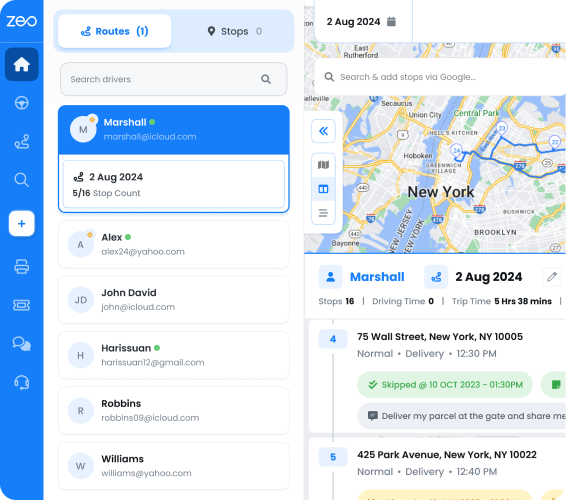
Idle time tracking: Excessive idling burns fuel without adding value. Track idle time by vehicle and technician to identify coaching opportunities.
Speed monitoring: Aggressive driving reduces fuel efficiency. Monitor speeding incidents and provide feedback to improve driving habits.
Fuel Monitoring Systems
Advanced fuel monitoring goes beyond basic tracking to identify specific areas for improvement.
Fuel card integration: Connect fuel card data with route information to see fuel efficiency by route, technician, and vehicle type.
Real-time fuel economy monitoring: Some systems provide instant feedback on driving habits that impact fuel consumption.
Exception reporting: Get alerts when fuel usage deviates from normal patterns, indicating potential problems or inefficient routes.
Route Optimization Software
Route optimization software is the foundation of systematic fuel reduction. Look for solutions designed specifically for service businesses like HVAC companies.
Key features include:
Multi-vehicle route planning: Optimize routes for your entire fleet simultaneously, not just individual vehicles.
Time window constraints: Respect customer availability while maintaining efficient routes.
Skill-based assignment: Match technicians with appropriate jobs while minimizing travel time.
Real-time adjustments: Modify routes throughout the day as emergencies arise or jobs run long.
Companies using platforms like Zeo typically see 20-30% reductions in driving time and fuel costs within the first month of implementation.
Calculating Your ROI: How Much These Fuel-Saving Strategies Will Actually Save You
Let’s calculate the real savings potential for your HVAC fleet.
Baseline Fuel Cost Calculation
Start by determining your current fuel costs:
Annual miles per vehicle: Track this for 30 days and multiply by 12. Most HVAC trucks average 25,000-35,000 miles annually.
Average fuel economy: HVAC service vehicles typically get 12-18 mpg depending on size and driving conditions.
Current fuel costs: Use your actual fuel card data for the most accurate baseline.
Example calculation for a 10-vehicle fleet:
- 30,000 miles per vehicle annually = 300,000 total miles
- 15 mpg average = 20,000 gallons consumed
- $4.00 per gallon = $80,000 annual fuel cost
Projected Savings by Strategy
Route optimization: 25-35% reduction in miles driven
- Savings: $20,000-$28,000 annually for the example fleet
Vehicle efficiency improvements: 5-15% improvement in fuel economy
- Savings: $4,000-$12,000 annually
Operational changes: 5-10% reduction in unnecessary trips
- Savings: $4,000-$8,000 annually
Total potential savings: $28,000-$48,000 annually for a 10-vehicle fleet
Implementation Costs vs. Savings
Most fuel-saving strategies pay for themselves quickly:
Route optimization software: Typically costs $30-50 per vehicle per month. Annual cost for 10 vehicles: $3,600-$6,000. Payback period: 2-4 months.
Vehicle modifications: One-time costs of $500-$2,000 per vehicle. Payback period: 6-12 months.
GPS tracking systems: $25-40 per vehicle per month. Annual cost for 10 vehicles: $3,000-$4,800. Payback period: 1-3 months.
The math is compelling. Even conservative fuel savings of 20% generate $16,000 annually for our example fleet, while the total technology costs might be $8,000-$12,000 per year.
Beyond Direct Fuel Savings
Fuel cost reduction strategies deliver additional benefits:
Increased service capacity: Less time driving means more time servicing customers. Most companies can handle 10-20% more service calls with the same team.
Reduced vehicle wear: Fewer miles mean lower maintenance costs and longer vehicle life.
Improved customer satisfaction: Optimized routes enable more accurate arrival times and faster emergency response.
Better technician satisfaction: Less time stuck in traffic and more efficient workdays reduce stress and turnover.
These additional benefits often exceed the direct fuel savings in total value.
Frequently Asked Questions
Q: What is the average fuel cost savings HVAC companies see with route optimization?
Most HVAC companies reduce fuel costs by 25-35% within the first month of implementing route optimization. Zeo Route Planner users typically see these results because the software eliminates unnecessary miles and creates mathematically optimized routes for entire fleets.
Q: How much does route optimization software cost compared to fuel savings?
Route optimization software typically costs $30-50 per vehicle monthly, while fuel savings average $200-400 per vehicle monthly for HVAC fleets. The payback period is usually 2-4 months, making it one of the fastest ROI improvements for service businesses.
Q: Can small HVAC companies with 2-3 trucks benefit from fuel cost reduction strategies?
Yes, even small HVAC companies can reduce fuel costs by 20-30% using route optimization and operational improvements. Small fleets often see faster implementation and immediate results because there are fewer variables to optimize.
Q: What’s the biggest mistake HVAC companies make when trying to reduce fuel costs?
The biggest mistake is focusing only on gas prices or driver behavior instead of route efficiency. Poor routing wastes 20-30% of fuel budgets regardless of fuel prices, so companies using manual scheduling miss the largest savings opportunity.
Q: How long does it take to see fuel cost reductions after implementing route optimization?
Most HVAC companies see measurable fuel cost reductions within 1-2 weeks of implementing systematic route optimization. Zeo Route Planner users often report immediate improvements because technicians receive optimized routes on their mobile devices from day one, eliminating the learning curve of new routing systems.
Ready to start cutting your HVAC fuel costs? The strategies in this guide can reduce your fuel expenses by 25-40%, but the key is systematic implementation with the right tools.
Start your free 7-day trial of Zeo Route Planner to see how much fuel your HVAC fleet could save with optimized routing. Most companies see measurable results within the first week.
Are you a fleet owner?
Want to manage your drivers and deliveries easily?
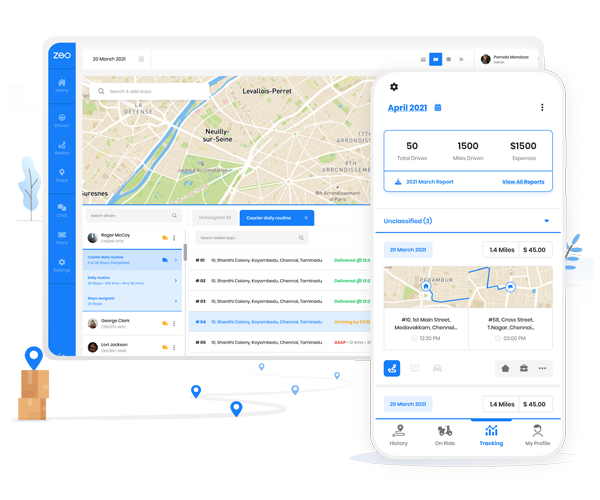
Grow your business effortlessly with Zeo Routes Planner – optimize routes and manage multiple drivers with ease.

increase fuel savings
Save 2 Hours on Deliveries, Everyday!
Optimize routes with our algorithm, reducing travel time and costs efficiently.
Get Started for Free