

Updated on: September 21, 2025
Reading Time: 3 minutes
TL;DR: Delivery as a Service (DaaS) is a business model where companies outsource their delivery logistics to specialized providers who handle everything from fleet management to routing and tracking. The global DaaS market reached $500 billion in 2023 and continues growing as businesses seek flexible, scalable delivery solutions. AI-powered route optimization technology like Zeo Route Planner addresses these logistics challenges with auto-assignment of stops to drivers and capacity-based routing, helping delivery teams save 2+ hours daily.
On-demand delivery went from a luxury to a basic expectation fast. You simply need to click “order,” and an app behind the scenes figures out drivers, routes, and drop-offs.
And fundamentally, this is exactly what Delivery as a Service means. The Delivery as a Service (DaaS) acts as a model that businesses can use to outsource their delivery logistics to experts.
The DaaS provider handles everything from fleet, tracking, routing, and driver assignment. What you take care of is the delivery fees, which are usually done on a per-delivery basis to get the much-needed flexibility.
The DaaS market clocked in at around US$500 billion in 2023. Analysts expect it to grow at a CAGR north of 5% through 2032.
Many businesses are already turning to DaaS since it saves the logistics hassles and acts as a growth tool. You get more innovative tech, real-time tracking, and scalability without owning anything.
There are different models of DaaS as well, which we’ll unfold below.
Key Benefits of DaaS Implementation
The shift toward DaaS isn’t just about convenience – it’s driven by measurable business advantages. Companies adopting delivery service models typically see reduced operational overhead, improved customer satisfaction scores, and enhanced scalability during peak demand periods.
Cost reduction stands out as the primary driver. According to McKinsey research on last-mile delivery, businesses can reduce logistics costs by 15-30% when leveraging external delivery networks compared to maintaining internal fleets.
Scalability represents another critical advantage. Traditional delivery operations require significant upfront investment in vehicles, hiring, and infrastructure. DaaS providers absorb these costs and spread them across multiple clients, offering immediate access to expanded delivery capacity without capital expenditure.
Types of DaaS Models
Delivery as a Service spans multiple models, each designed for different needs. Below are some of the highly followed DaaS models.
Crowdsourced Delivery
Crowdsourced delivery adopts a flexible network of gig workers and everyday people to complete last-mile drop-offs. Businesses tap into this model when they need speed, scalability, and access to customers without the cost of managing a fleet. Usually, this is the sort of model that thrives in urban and high-volume markets where demand is unpredictable.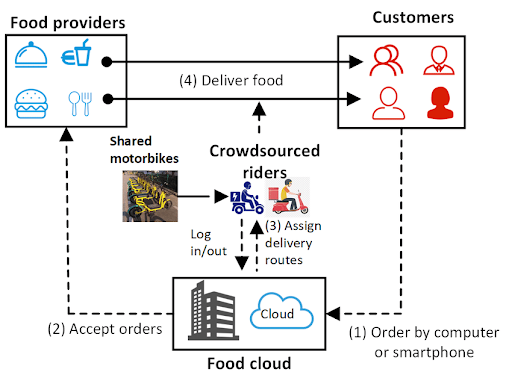
Crowdsourced Delivery
The common features of crowdsourced delivery models are as follows.
- There’s a growing reliance on gig workers and everyday people for last-mile deliveries.
- Some of the popular local delivery platforms like DoorDash, Uber Eats, and Instacart dominate this space.
- Plenty of crowd storage models can turn spare rooms, shops, or garages into parcel points for pickup and drop-off.
- Peer-to-peer or crowd freight forwarding leverages travelers to move packages across cities or borders.
Dedicated Fleet Delivery
Another major DaaS model is the dedicated fleet delivery model. There are professional logistics providers who operate this, and they are ones who own vehicles, drivers, and routing systems.It is pretty much unlike crowdsourced models because the dedicated fleet approach focuses on reliability, service consistency, and brand control.
Those operating in businesses such as retail, healthcare, and the food sector often go for this model. It’s because they have little to no margin for errors in delivery failures, and they need stricter compliance.
The key aspects of this model are:
- There are trained drivers and fully owned fleets at work
- Specialist last-mile carriers such as Dropoff, Deliv, and Stuart handle time-sensitive or high-value goods.
- On-demand courier fleets serve industries like retail, healthcare, and food, where guaranteed service levels and visibility are critical.
Full-Service Fulfillment
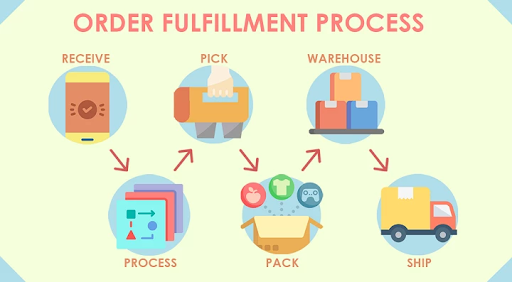
The scope of full-service fulfilment is not limited to delivery. In fact, these services often extend to warehousing, inventory management, order picking, packing, and shipping.Businesses often choose this model when they need scale without building their own infrastructure.

increase fuel savings
Save 2 Hours on Deliveries, Everyday!
Optimize routes with our algorithm, reducing travel time and costs efficiently.
Get Started for Free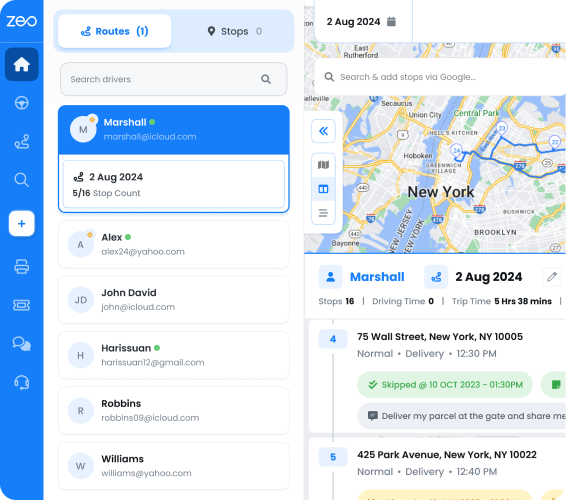
Source – Full-Service Fulfillment
Some of the established providers in this space are FedEx, DHL, and UPS. These are the logistics businesses that offer full-service DaaS bundles, while tech-driven startups like ShipBob and Flexe specialize in flexible, digital-first fulfillment.
When you need to be super efficient at this scale, you need smart route planning. And, it’s here that platforms like Zeo Route Planner add value.Adopting Zeo can help 3PL providers reduce delivery times, lower costs, and improve tracking.
These are the common characteristics of this DaaS model
- 3PL often covers the entire chain from warehousing to delivery
- There are 3PL providers who offer bundled services (FedEx, DHL, UPS)
- A plenty of rech-driven startups deliver flexible fulfillment (ShipBob, Flexe)
- There are tools like Zeo Route Planner that help boost the efficiency of the last-mile delivery.
Technology Requirements for Effective DaaS Operations
Modern DaaS success depends heavily on sophisticated logistics technology. Department of Transportation data shows that technology-enabled delivery operations experience 40% fewer delivery delays and improved safety outcomes.
Essential technology components include real-time tracking systems, automated dispatch algorithms, and customer communication platforms. For businesses choosing between DaaS providers, evaluating their technology stack becomes crucial for ensuring service quality and visibility.
Route optimization stands as a cornerstone technology for any effective delivery operation. Whether you’re working with a DaaS provider or evaluating their capabilities, understanding how route planning technology transforms field operations helps assess provider quality and potential performance gains.
Choosing the Right DaaS Provider
Selecting an appropriate DaaS partner requires evaluating multiple factors beyond cost. Service coverage area, technology capabilities, industry specialization, and performance guarantees all influence long-term success.
Geographic coverage determines whether a provider can handle your delivery zones effectively. Some providers excel in urban environments but struggle with rural deliveries, while others specialize in specific regions or delivery types.
Technology integration capabilities matter significantly for businesses with existing systems. The best DaaS providers offer APIs and integration options that connect seamlessly with e-commerce platforms, customer management systems, and existing operational tools.
For businesses managing complex delivery requirements, understanding how modern logistics companies approach two-person delivery optimization can help evaluate provider sophistication and capability to handle specialized delivery scenarios.
Conclusion
We’ve moved beyond considering the Delivery as a Service as just a fringe option. In fact, it’s key to how businesses meet rising customer expectations. While implementing may seem easy, there’s a huge challenge involved in keeping costs down while also improving speed and visibility.
That’s where tools like Zeo Route Planner make a difference.
So, no matter if you’re running a small business or looking to partner with a large logistics provider, Zeo Route Planner can help plan smarter routes. Also, you get to track deliveries in real time and stay competitive in a fast-moving market.
Ready to simplify your delivery operations?
Sign up for Zeo Route Planner and see the difference in your first week.
Frequently Asked Questions
How much does Delivery as a Service typically cost compared to in-house delivery?
DaaS pricing varies significantly based on delivery volume, distance, and service requirements, but businesses typically pay $3-15 per delivery depending on the model. Most companies see 15-30% cost savings compared to maintaining internal fleets when factoring in vehicle costs, insurance, driver wages, and fuel expenses.
What’s the difference between crowdsourced and dedicated fleet DaaS models?
Crowdsourced delivery uses gig workers and independent contractors for flexible, cost-effective deliveries, while dedicated fleet models employ professional drivers with company-owned vehicles for consistent, reliable service. Crowdsourced works best for high-volume, standard deliveries, whereas dedicated fleets excel with time-sensitive or high-value goods requiring guaranteed service levels.
Can small businesses benefit from DaaS, or is it only for large enterprises?
Small businesses often benefit more from DaaS than large enterprises because they gain access to professional delivery capabilities without significant upfront investment. Many DaaS providers offer flexible pricing and minimum order requirements specifically designed for smaller operations that can’t justify maintaining their own delivery fleet.
How do DaaS providers ensure delivery quality and customer satisfaction?
Professional DaaS providers use real-time GPS tracking, automated customer notifications, and digital proof of delivery systems to maintain service quality. Zeo Route Planner enhances these operations with capacity-based routing and live ETA updates, helping delivery teams maintain consistent performance while reducing operational complexity.
What happens if a DaaS provider fails to deliver on time or loses packages?
Most established DaaS providers offer service level agreements (SLAs) with compensation for late deliveries and insurance coverage for lost or damaged items. Before choosing a provider, review their performance guarantees, insurance policies, and dispute resolution processes to ensure adequate protection for your business and customers.
Are you a fleet owner?
Want to manage your drivers and deliveries easily?
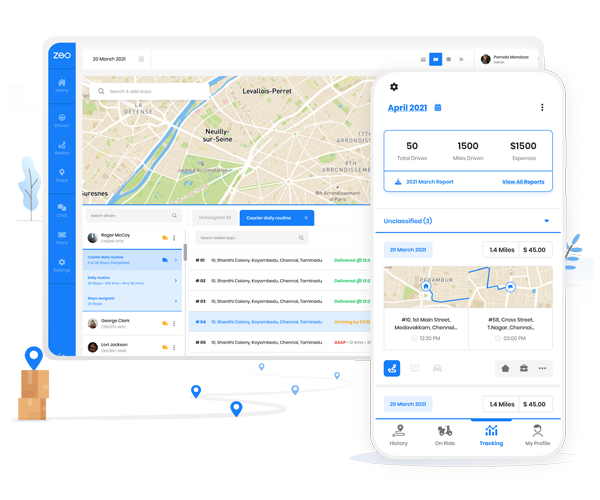
Grow your business effortlessly with Zeo Routes Planner – optimize routes and manage multiple drivers with ease.
increase fuel savings
Save 2 Hours on Deliveries, Everyday!
Optimize routes with our algorithm, reducing travel time and costs efficiently.
Get Started for Free