


# How to Schedule Recurring Pest Treatments Efficiently
Learning how to schedule recurring pest treatments efficiently becomes critical as your pest control business grows. One day you’re managing 50 regular customers with a simple spreadsheet. Six months later, you’re juggling 200+ recurring treatments while emergency calls throw your carefully planned routes into chaos.
Sound familiar? You’re not alone. Most pest control companies hit this scheduling wall around the 100-customer mark. The good news? There’s a better way to handle recurring treatments that actually scales with your business.
Why Traditional Pest Control Scheduling Fails as You Scale
Most pest control companies start with basic tools. A calendar here, a spreadsheet there. Maybe some sticky notes on the office wall. This works when you have two technicians covering the same neighborhood.
But as you grow, the cracks start showing. Your quarterly treatments become “whenever we get around to it” treatments. Customers in the same subdivision get serviced weeks apart by different technicians. Emergency calls force you to reschedule entire days.
Here’s what typically goes wrong:
Manual scheduling creates gaps. You book Mrs. Johnson for quarterly treatment, but forget she’s also due for her annual termite inspection. Now you’re making two trips to the same property.
Routes make no sense. Your technician drives from the north side to the south side, then back north for the next appointment. That’s not efficiency – that’s burning gas and time.
Customer expectations aren’t managed. Some customers think “quarterly” means exactly 90 days. Others are fine with 85-95 days. Without clear communication, you’re constantly fielding “when are you coming?” calls.
Emergency calls wreck everything. A wasp nest emergency on Tuesday morning destroys your entire weekly schedule. Instead of adapting, you’re scrambling to reschedule everyone.
The Complete Framework for Setting Up Recurring Treatment Schedules
Smart recurring schedules start with customer segmentation. Not all pest control customers are the same, so don’t treat them that way.
Create service tiers based on treatment frequency. Your monthly commercial accounts need different scheduling than quarterly residential treatments. Annual services require their own category entirely.
Set flexible windows, not rigid dates. Instead of “every 90 days,” use “80-100 day windows.” This gives you scheduling flexibility while maintaining service consistency. Most customers care more about regular treatment than exact timing.
Map out seasonal patterns early. Ant treatments spike in spring. Wasp calls explode in late summer. Plan these patterns into your recurring schedules instead of treating them as surprises.
Consider this example: ABC Pest Control segments customers into monthly commercial (restaurants, hotels), quarterly residential (standard homes), bi-annual commercial (offices), and annual specialty treatments (termites). Each tier gets its own scheduling rules and service windows.
Build buffer time into every route. Emergency calls will happen. New customer requests come in daily. Plan for 15-20% schedule flexibility so these don’t derail your entire operation.
For a comprehensive approach to setting up these systems, check out our guide on recurring routes scheduling.
Route Optimization: How to Group Recurring Customers for Maximum Efficiency
Geographic clustering is your best friend. Group customers by location, not by when they called to book service. A customer who signed up in January should be on the same route as their neighbors, even if those neighbors signed up in different months.
Create neighborhood-based service days. Designate Mondays for the north side, Tuesdays for downtown commercial, Wednesdays for the west subdivision. This reduces drive time and creates predictable schedules for both technicians and customers.
Balance route density throughout the month. Don’t pack all your quarterly customers into the same week. Spread them across the month so each week has similar route density and revenue potential.
Account for service time variations. A basic perimeter spray takes 30 minutes. A full interior treatment with basement and attic might need 90 minutes. Don’t book these back-to-back in distant locations.
Think about equipment needs too. If you’re doing termite treatments, group those appointments together so your technician isn’t carrying unnecessary equipment to basic spray jobs.
Here’s a real example: Green Shield Pest Control redesigned their routes around geography instead of chronology. They cut daily drive time from 3.5 hours to 2.1 hours per technician. That extra 1.4 hours meant serving 2-3 additional customers daily.
For more detailed strategies on optimizing your routes, see our comprehensive route optimization guide.
Seasonal Scheduling Strategies: Adapting Routes for Peak and Off-Season Demand
Pest control is inherently seasonal. Smart scheduling adapts to these natural rhythms instead of fighting them.
Plan your quarterly rotations around pest seasons. Schedule ant-prone properties for spring quarterly treatments. Time wasp-sensitive customers for early summer service. This positions you to catch problems before they become emergencies.
Adjust route capacity for seasonal demand. Spring and summer require different scheduling than winter months. Build denser routes during peak season when travel conditions are good and daylight lasts longer.
Use off-season for annual services. Winter is perfect for interior treatments, attic inspections, and preventive work. These longer appointments fit better when you’re not juggling emergency wasp calls.
Create seasonal service packages. Offer “spring prep” or “winter maintenance” bundles that complement your regular recurring treatments. This fills scheduling gaps while providing additional value to customers.
Consider technician preferences and skills. Some technicians prefer attic work in cooler months. Others excel at exterior treatments. Align seasonal scheduling with technician strengths when possible.

increase fuel savings
Hassle Free Deliveries & Pickups!
Optimize routes with our algorithm, reducing travel time and costs efficiently.
Get Started for Free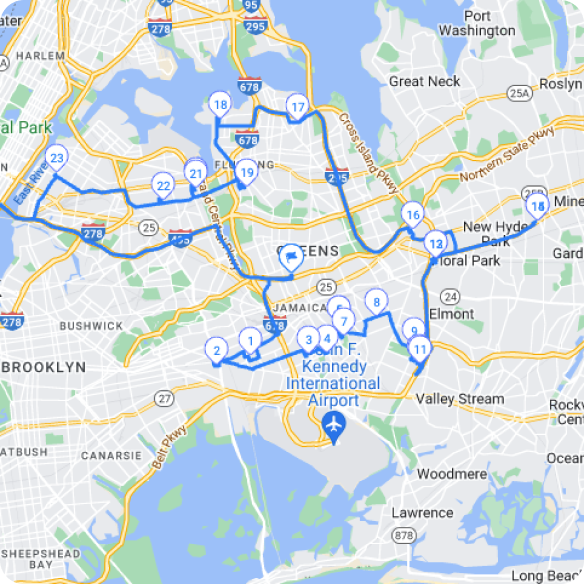
Learn more about industry-specific route planning in our pest control route planning guide.
Managing the Mix: Balancing Recurring Routes with Emergency Calls and New Customers
The biggest scheduling challenge isn’t recurring treatments – it’s everything else that disrupts them. Emergency calls, new customer requests, and equipment issues all compete for your technicians’ time.
Reserve emergency capacity in every route. Don’t book technicians at 100% capacity with recurring treatments. Save 15-20% of daily capacity for same-day emergency calls and urgent requests.
Create a priority system for disruptions. True emergencies (wasp nests, rodent infestations) take precedence. New customer consultations can often wait 24-48 hours. Adjust your scheduling decisions accordingly.
Use customer communication to manage expectations. When emergency calls force schedule changes, contact affected customers immediately. Offer specific reschedule options rather than vague “we’ll call you back” promises.
Consider emergency-only technicians during peak season. Having one technician dedicated to urgent calls protects your recurring route schedules during busy summer months.
Build relationships with customers who offer scheduling flexibility. Some customers are happy to move appointments by a day or two for better service pricing. These flexible customers become valuable when you need to optimize routes around emergencies.
Technology Solutions: Automating Recurring Schedules and Route Planning
Manual scheduling hits a wall around 100-150 regular customers. Beyond that point, you need automated systems to maintain efficiency and customer satisfaction.
Route optimization software eliminates the geographic puzzle of manual scheduling. Instead of spending hours planning routes, automated systems calculate the most efficient stops based on location, service time, and technician capabilities.
Automated recurring schedules handle the repetitive work. Set up a customer once, and the system automatically schedules their next treatment within the specified window. No more forgotten renewals or missed appointments.
Customer communication becomes automatic too. Systems can send appointment reminders, provide arrival notifications, and even reschedule appointments based on customer preferences.
Real-time schedule adjustments help manage disruptions. When emergency calls come in, automated systems can suggest the best technician based on location, skills, and current schedule. This minimizes disruption to existing routes.
Integration with your existing tools matters. Your scheduling system should connect with your billing software, customer database, and mobile apps. This eliminates double data entry and keeps information synchronized.
For pest control companies looking to implement these systems, field service management software with automated route planning capabilities provides the foundation for efficient recurring treatment scheduling.
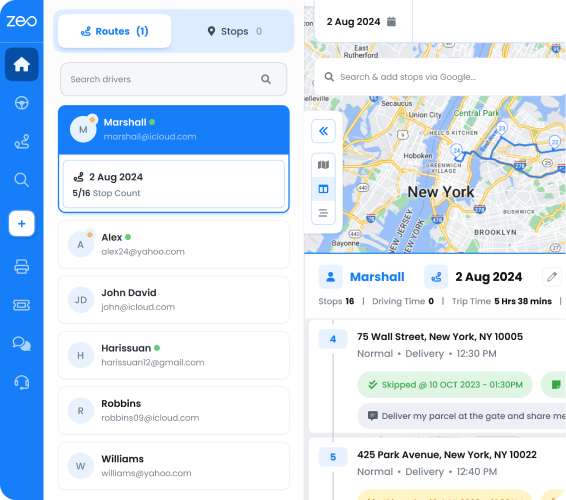
Many pest control companies find success with route optimization platforms like Zeo Route Planner. The web platform allows managers to set up recurring routes and auto-assign them based on geography and technician capabilities. Technicians receive their optimized daily schedules directly on the Zeo mobile app with turn-by-turn navigation and customer details.
The result? Pest control companies typically save 2+ hours daily on route planning while improving customer satisfaction through more consistent service intervals.
Frequently Asked Questions
Q: How often should recurring pest treatments be scheduled?
Most residential properties need quarterly treatments (every 3 months), while commercial properties often require monthly service. However, the exact frequency depends on your local climate, pest pressure, and property type, so it’s best to work within flexible 80-100 day windows rather than rigid schedules.
Q: What’s the best way to manage recurring pest control routes?
The most efficient approach is geographic clustering – grouping customers by location rather than signup date. Route optimization software like Zeo Route Planner can automatically organize recurring treatments by geography and create optimized daily schedules that save 2+ hours of planning time while reducing drive time between stops.
Q: How do you handle emergency calls without disrupting scheduled treatments?
Reserve 15-20% of your daily technician capacity for emergency calls and urgent requests. This buffer prevents same-day emergencies from forcing you to reschedule existing recurring treatments, and helps maintain customer satisfaction for both scheduled and emergency services.
Q: Should pest control companies use different scheduling for different seasons?
Yes, seasonal scheduling is crucial for pest control efficiency. Plan quarterly rotations around pest seasons – schedule ant-prone properties for spring treatments and wasp-sensitive customers for early summer service. Use slower winter months for interior treatments and annual inspections that take longer to complete.
Q: What software helps automate recurring pest treatment scheduling?
Route optimization platforms designed for field services work best for pest control companies. Zeo Route Planner, for example, allows you to set up recurring treatments once and automatically schedules them within your specified windows while optimizing routes geographically and sending schedules directly to technician mobile devices.
Start your free trial of Zeo Route Planner to see how automated recurring route scheduling can save your pest control business 2+ hours daily while improving customer satisfaction.
Are you a fleet owner?
Want to manage your drivers and deliveries easily?
Grow your business effortlessly with Zeo Routes Planner – optimize routes and manage multiple drivers with ease.

increase fuel savings
Save $200 on fuel, Monthly!
Optimize routes with our algorithm, reducing travel time and costs efficiently.
Get Started for Free