

Updated on: October 17, 2025
Reading Time: 3 minutes
TL;DR: Reducing logistics costs requires analyzing current spend, optimizing routes, leveraging technology, and consolidating shipments to eliminate waste. Studies show fuel waste from inefficient routing costs businesses 20-30% more than optimized operations. Route optimization tools like Zeo Route Planner address this with AI-powered route optimization and real-time GPS tracking, helping logistics teams save 2+ hours daily.
As the year 2026 is knocking on our doors, we must prepare for the future. While the new year will bring new growth opportunities, it will also throw a few challenges at us. It will demand that we strategize and approach the future with planning.
For fleet managers and logistics business owners, the underlying goal will remain the same – increase profits and reduce logistics costs.
Managing logistics operations and ensuring everything runs seamlessly requires proper planning. Fleet managers have to keep one eye on the process efficiency and the other on customer experience. While doing so, they have to reduce logistics costs.
Strategies to Reduce Logistics Costs
Reducing logistics costs is not about cutting corners. It requires smart planning, efficient operations, and data-driven decisions. The following strategies show how every step in your supply chain can help you reduce logistics costs.
-
Analyze Your Current Logistics Spend
Understanding where your money goes is the first step. Track all expenses, including fuel, driver wages, maintenance, tolls, and delays. Many businesses overlook hidden costs in daily operations.
Routing tools can highlight inefficient routes, idle vehicles, and high-cost deliveries. Knowing exactly where you spend allows you to focus on the areas with the highest savings potential. Small improvements in planning can help you reduce logistics costs. According to the Bureau of Transportation Statistics, transportation costs represent a significant portion of supply chain expenses, making accurate tracking essential for identifying savings opportunities.
-
Optimize Routes for Maximum Efficiency
Poorly planned routes waste fuel, time, and labor. Calculating the smartest stop sequence saves miles and hours. Optimized routes reduce driver stress and improve delivery reliability. Automation eliminates the need to manually plan multi-stop routes.
With fewer mistakes and faster deliveries, your fleet operates more efficiently. Route optimization also prevents late arrivals. Smarter routing directly helps you reduce logistics costs and improve customer satisfaction. Advanced route planning tools can analyze multiple variables including traffic patterns, delivery time windows, and vehicle capacity to create the most efficient routes possible.
-
Leverage Fleet Management Technology
Track your fleet in real time using live route monitoring to prevent delays and wasted miles. Schedule predictive maintenance to avoid costly breakdowns and emergency repairs. Monitor driver behavior to identify inefficiencies and improve performance.
Streamline scheduling and route management to ensure every vehicle operates at peak efficiency. Use data insights to reduce fuel waste, lower overtime, and eliminate unnecessary mileage. Take control proactively and make your fleet more productive and cost-effective. Modern fleet management systems provide comprehensive analytics that help identify patterns in fuel consumption, driver performance, and route efficiency.
-
Consolidate Shipments and Reduce Empty Miles
Empty trips and partial loads add hidden costs that often go unnoticed. Combining deliveries with similar routes increases vehicle utilization and lowers fuel expenses. Route planning tools make it easier to schedule multiple stops and balance loads effectively.
Efficient pickups and returns reduce unnecessary mileage and prevent wasted trips. Consolidating shipments also helps cut overtime and keeps drivers productive. By planning smarter routes, businesses can significantly reduce logistics costs while improving overall fleet efficiency.
-
Reduce Fuel Costs and Improve Efficiency
Fuel is one of the largest expenses in logistics. Monitoring fuel usage helps identify inefficient driving habits. Training drivers to avoid unnecessary idling and harsh acceleration saves fuel. Planning optimized routes reduces detours and extra mileage.
Fuel-efficient practices combined with smart planning can lower overall fuel expenses significantly. Every mile saved translates to direct cost reductions. Small changes in operations can make a big difference over time. The Department of Energy reports that proper route planning can reduce fuel consumption by 10-20% through elimination of unnecessary mileage and improved driving patterns.
-
Negotiate with Carriers and Suppliers
Regularly reviewing rates ensures you are not overpaying for transport services. Volume discounts and contractual agreements reduce long-term costs. Strategic route planning reduces reliance on emergency or premium shipments. On-time deliveries lower penalties and reduce costly rescheduling.
Optimized routing ensures predictable and consistent delivery schedules. Strong planning strengthens your negotiation position with carriers and suppliers. Effective partnerships lead to cost stability and operational reliability.

increase fuel savings
Save $200 on fuel, Monthly!
Optimize routes with our algorithm, reducing travel time and costs efficiently.
Get Started for Free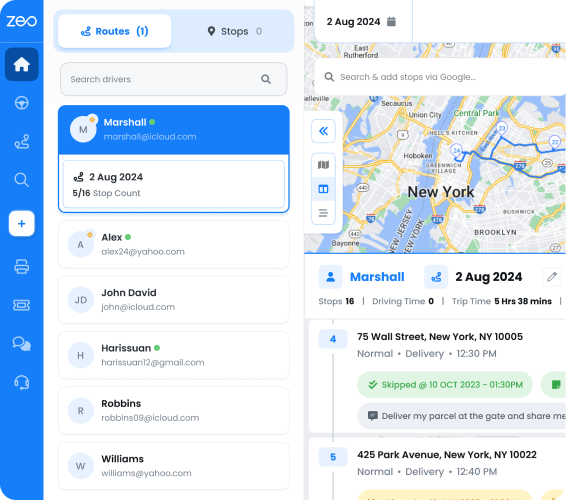
-
Focus on Last-Mile Delivery Optimization
Last-mile delivery inefficiencies drive significant expenses in logistics. Delays or missed deliveries increase costs and frustrate customers. Routing tools calculate optimal last-mile routes to make operations faster and more predictable.
Accurate delivery windows increase customer satisfaction and reduce repeated trips. Streamlined last-mile planning is critical for cutting expenses and improving performance. Smart routing ensures every delivery is completed on time and at a lower cost. For businesses requiring specialized operations, optimizing two-person delivery routes becomes essential for managing complex installations and bulky items efficiently.
How Technology Integration Reduces Administrative Overhead
Administrative tasks consume valuable time that could be spent on strategic planning. Manual route planning, customer communications, and proof of delivery tracking create bottlenecks that increase operational costs. Modern logistics platforms streamline these processes through automation and integration.
Digital proof of delivery with photo capture and signatures eliminates paperwork delays. Automated customer notifications reduce phone calls and administrative follow-up. Integration with business systems creates seamless data flow between operations, accounting, and customer service departments.
By reducing manual tasks, teams can focus on optimization and growth rather than routine administration. This shift from reactive to proactive management directly impacts cost reduction and operational efficiency.
Role of Route Optimization Tools in Reducing Logistics Costs
Route optimization tools have become essential for cutting logistics costs. They calculate the most efficient routes, reduce miles driven, and save fuel. These tools also help plan multiple stops in the smartest sequence, minimizing driver time and vehicle wear.
They provide real-time insights into delivery progress and vehicle performance. This prevents missed deliveries, reduces overtime, and improves overall efficiency. By automating complex route planning, these tools remove guesswork and human errors.
Using route optimization tools ensures every delivery is completed faster, safer, and cheaper. For businesses aiming to significantly reduce logistics costs, these tools are a must. Organizations seeking comprehensive solutions can explore route planner apps designed for business growth to understand how modern platforms support scaling operations.
Conclusion
Reducing logistics costs in 2026 requires smart planning, efficiency, and the right technology. Route optimization tools are essential for cutting miles, fuel, and labor costs while improving delivery reliability. Businesses that leverage a platform like Zeo Route Planner gain full visibility into routes, smarter stop sequencing, and actionable fleet insights.
With Zeo, companies can streamline operations, reduce wasted resources, and achieve measurable savings. For logistics teams aiming to cut expenses and boost productivity, Zeo provides a complete and reliable solution.
Sign up today to get started and optimize your logistics operations with Zeo’s intelligent route planning.
Frequently Asked Questions
What percentage of logistics costs can be reduced through route optimization?
Businesses typically reduce logistics costs by 15-25% through effective route optimization. This includes savings from reduced fuel consumption, lower labor costs, and improved vehicle utilization. The exact percentage depends on current inefficiencies and the complexity of your delivery operations.
How do I identify which routes are costing my business the most money?
Track metrics like miles per delivery, fuel consumption per route, and driver overtime hours to identify expensive routes. Compare actual vs. optimal distances and analyze delivery density in different areas. High-cost routes often involve excessive backtracking, poor stop sequencing, or serving low-density areas inefficiently.
What’s the fastest way to start reducing fuel costs in my fleet operations?
Begin by eliminating unnecessary miles through better route planning and reducing vehicle idle time. Zeo Route Planner’s AI-powered route optimization automatically calculates the most efficient stop sequences and provides real-time GPS tracking to monitor fuel-wasting behaviors. These changes can reduce fuel costs by 10-20% within the first month of implementation.
How can small logistics companies compete with larger fleets on cost efficiency?
Small companies can achieve comparable efficiency through smart technology adoption and operational focus. Route optimization tools level the playing field by providing enterprise-level planning capabilities at affordable costs. Focus on serving specific geographic areas efficiently, building customer density, and using automation to reduce administrative overhead.
What hidden costs should I look for when analyzing my logistics spend?
Common hidden costs include driver overtime from poor route planning, customer service calls from delivery delays, vehicle wear from excessive mileage, and administrative time spent on manual planning. Failed delivery attempts and rescheduling also create significant hidden expenses. Track these metrics separately to understand their impact on your total logistics costs.
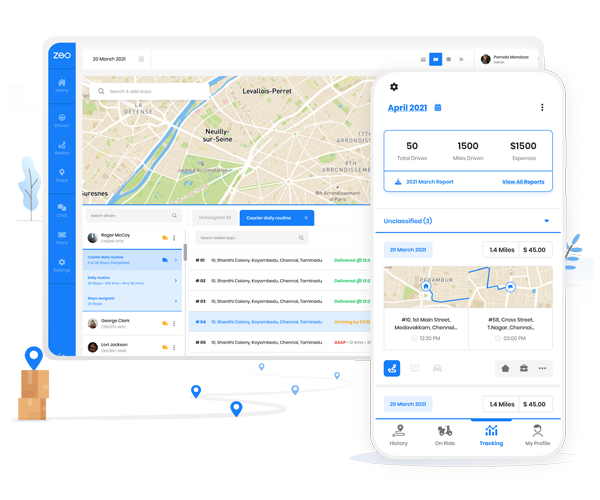
Are you a fleet owner?
Want to manage your drivers and deliveries easily?
Grow your business effortlessly with Zeo Routes Planner – optimize routes and manage multiple drivers with ease.

increase fuel savings
Save 2 Hours on Deliveries, Everyday!
Optimize routes with our algorithm, reducing travel time and costs efficiently.
Get Started for Free