


# How to Reduce Electrician Travel Time by 30% and Save Thousands Monthly
Your electricians are burning through your profits every mile they drive. While you’re focused on landing new contracts and managing projects, your crew is spending 20-30% of their day behind the wheel instead of doing billable work.
That’s 2-3 hours daily of pure overhead cost. For a crew of 10 electricians at $35/hour, excessive travel time costs you over $25,000 monthly in wasted labor alone.
The good news? You can reduce electrician travel time by 30-40% with the right strategies. Here’s how to turn those wasted hours into billable time and boost your bottom line.
The Hidden Cost of Electrician Travel Time: Why Every Extra Mile Kills Your Profit
Most electrical contractors underestimate the true cost of travel time. You see the obvious expenses – fuel and vehicle wear. But the real killer is opportunity cost.
When your electrician spends an extra 30 minutes driving between jobs, you’re not just paying for gas. You’re paying their hourly rate to sit in traffic instead of completing billable work.
Consider this scenario: Your electrician finishes a panel upgrade at 2:30 PM. Their next job is across town, requiring a 45-minute drive in traffic. They arrive at 3:15 PM for what should have been a 3-hour job, but now there’s only time for 1.5 hours of work before overtime kicks in.
The math is brutal. That 45-minute drive just cost you:
- $26 in labor costs (45 minutes at $35/hour)
- $8-12 in fuel and vehicle expenses
- Lost revenue from incomplete work requiring a return trip
- Potential overtime costs to finish the job
Multiply this across your entire crew and multiple jobs daily. A 10-person electrical team losing just 30 minutes per day to poor routing costs you $45,500 annually in wasted labor alone.
The solution isn’t working longer hours or pushing your crew harder. It’s working smarter by optimizing how your electricians move between job sites.
Route Optimization Software: Cut Daily Drive Time by 30% with Smart Job Sequencing
Manual route planning kills efficiency. When your dispatcher looks at a map and assigns jobs based on gut feeling, they miss countless optimization opportunities.
Route optimization software analyzes dozens of variables simultaneously – traffic patterns, job duration, electrician skills, customer time windows, and geographic proximity. It creates mathematically optimized sequences that humans simply can’t match.
Here’s what proper job sequencing looks like in practice:
Instead of sending your electrician from a residential panel upgrade in the north suburbs to a commercial troubleshooting job downtown, then back north for an outlet installation, the software clusters geographically similar jobs together.
Your electrician handles three residential jobs in the same neighborhood during the morning, then moves to commercial work in the business district after lunch. Total drive time drops from 3 hours to under 2 hours.
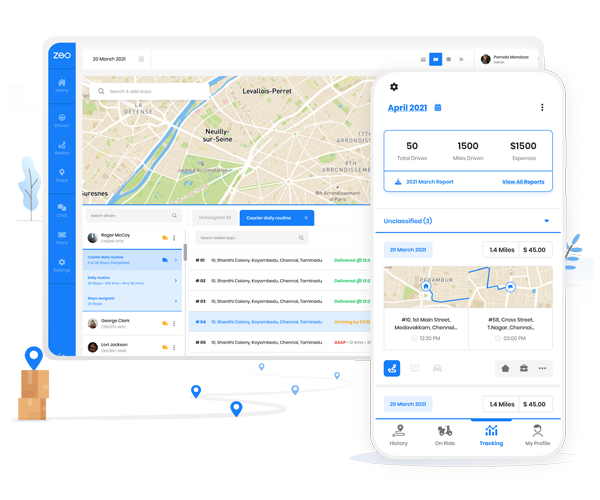
Modern AI route optimization platforms like Zeo Route Planner use AI to consider real-time traffic conditions, job priorities, and each electrician’s specific skills. While you plan routes from your office using the web platform, your electricians receive their optimized job sequence directly on the mobile app, complete with GPS navigation and customer details.
The software recalculates routes automatically when jobs run long or new emergency calls come in. Your electricians always know their next stop and the fastest way to get there.
Companies typically see 25-40% reductions in drive time within the first month of implementation. That’s an extra 4-6 billable hours per electrician weekly.
Geographic Clustering Strategy: Schedule Jobs by Location, Not Just Priority
Stop scheduling jobs purely by urgency or customer demands. Smart electrical contractors use geographic clustering to group nearby jobs together, even if it means slightly adjusting timelines.
Here’s how geographic clustering works:
Plot all your week’s jobs on a map. Look for natural clusters – multiple jobs in the same neighborhood, business district, or along the same major road. Schedule these clustered jobs for the same electrician on the same day.
For example, if you have four jobs scheduled this week – two residential services in Westside, one commercial job downtown, and an emergency repair also on Westside – don’t scatter them across different days.
Instead, cluster the three Westside jobs together for Monday, handling the downtown commercial work on Tuesday when you have other central city appointments.
This approach requires some customer communication. Most clients are flexible with scheduling when you explain it helps you provide better service at competitive rates. Phrase it positively: “We can get your electrical work done Monday morning when we’re already in your neighborhood.”
The results speak for themselves. One electrical contractor in Phoenix reduced weekly drive time from 28 hours to 19 hours across five trucks simply by implementing geographic clustering. That’s 45 extra billable hours weekly – enough to add an entire additional crew’s worth of productivity.
Effective field service management starts with smart geographic scheduling. Pick one day per week and group all jobs within a 5-mile radius. Track the time savings and gradually expand the approach.
Mobile Route Apps: Keep Your Electricians On Track When Jobs Change Mid-Day
Real-world electrical work rarely goes according to plan. Jobs run long, emergency calls come in, and customers reschedule. When routes change mid-day, your electricians need instant updates on their phones.
Paper route sheets become obsolete the moment you hand them out. Even digital maps sent via email don’t help when the third job of the day gets cancelled and you need to add two new service calls.
Mobile route apps solve this problem by providing real-time route updates directly to your electricians’ phones. When dispatchers modify routes from the office, changes appear instantly on each electrician’s mobile device.
Here’s a real scenario: Your electrician is finishing a breaker box replacement that’s running 45 minutes behind schedule. Meanwhile, an urgent commercial client calls with a power outage that needs immediate attention.
With a mobile route app, you can instantly reassign the remaining jobs on that electrician’s route to other crew members while redirecting them to the emergency call. The app automatically recalculates driving directions and updates everyone’s schedules.
Your electrician receives a notification: “New priority job added. Skip job #3, proceed directly to Metro Office Building. Other jobs reassigned.” GPS navigation updates automatically to route them to the emergency location.
Mobile apps also provide valuable feedback to your dispatch team. Electricians can update job statuses in real-time – “arrived on site,” “job completed,” or “need additional materials.” This information helps dispatchers make better routing decisions throughout the day.
Look for mobile route apps that work offline with automated route planning capabilities. Electrical work often takes your crew to areas with poor cell coverage, and they need access to job details and navigation even without internet connectivity.
Emergency Call Routing: Handle Urgent Jobs Without Destroying Your Schedule
Emergency electrical calls are profit opportunities disguised as scheduling nightmares. Handle them wrong, and they destroy your entire day’s routing efficiency. Handle them right, and they become high-margin revenue with minimal disruption.
The key is having a systematic approach to emergency call routing instead of just sending whoever’s closest.

increase fuel savings
Save $200 on fuel, Monthly!
Optimize routes with our algorithm, reducing travel time and costs efficiently.
Get Started for Free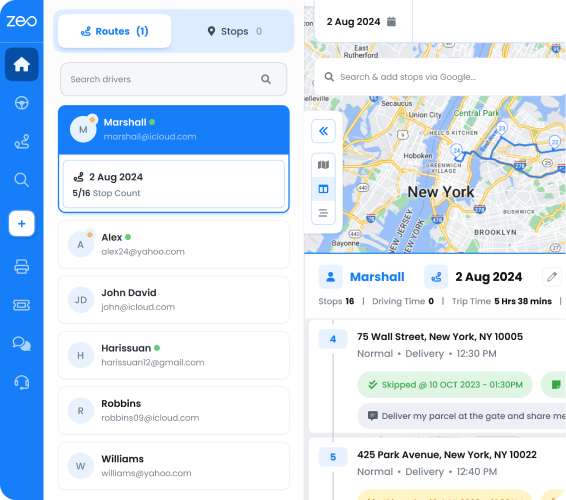
First, assess the true urgency. Not every “emergency” requires immediate response. A flickering light in someone’s living room isn’t the same as a complete power outage at a restaurant during dinner service.
For genuine emergencies, identify which electrician can respond with minimal impact on other scheduled work. This isn’t always the geographically closest person.
Consider these factors:
- Which electrician has the most schedule flexibility?
- Who has the right skills and tools for the emergency?
- Which routes can be easily modified without creating new inefficiencies?
Here’s an example: You receive an emergency call about a electrical panel fire at a retail store. You have three electricians currently on jobs:
- Mike is 10 minutes away but in the middle of a complex troubleshooting job
- Sarah is 20 minutes away but just finishing a simple outlet installation
- Tom is 25 minutes away but has the most experience with commercial panel work
The best choice is Tom. While he’s not closest, his commercial expertise makes him most qualified, and his route can be adjusted without disrupting other electricians’ schedules.
Advanced route optimization software can model these scenarios instantly, showing you which electrician assignment creates the least overall schedule disruption.
Build buffer time into your daily schedules specifically for emergency calls. Instead of packing routes with back-to-back jobs, leave 30-45 minutes of flexibility for each electrician. This prevents emergency calls from causing expensive overtime or incomplete jobs.
Fleet Tracking for Multi-Truck Operations: Optimize Routes Across Your Entire Team
Managing routes for one electrician is challenging enough. Optimizing routes across 5-20 trucks simultaneously requires a completely different approach.
Fleet tracking gives you real-time visibility into where every electrician is located, how long they’ve been at each job, and their estimated completion times. This information is crucial for making smart routing decisions across your entire operation.
Here’s how fleet tracking transforms multi-truck routing:
Instead of optimizing each electrician’s route in isolation, you optimize the entire fleet as a single system. When job priorities change or new work comes in, you can reassign tasks to whoever can handle them most efficiently.
For example, your original plan has electrician A driving 30 minutes south for a job while electrician B drives 30 minutes north. But real-time tracking shows electrician A is running behind schedule while electrician B finished early and is already near electrician A’s southern job.
With fleet tracking, you can instantly swap assignments. Electrician B handles the southern job since they’re already in the area, while electrician A continues with nearby work. Total drive time drops by an hour across both trucks.
Fleet tracking also reveals patterns that improve future routing decisions. You might discover that certain types of jobs consistently take longer than estimated, or that specific geographic areas always have traffic delays at certain times.
GPS tracking data helps you identify your most efficient electricians and understand what makes them successful. Are they better at estimating job duration? Do they take more direct routes? This information helps you train the entire team.
Modern fleet management features integrate directly with route optimization platforms. Zeo Route Planner’s fleet management features let you plan optimized routes for multiple electricians from a single dashboard, then track their progress in real-time as they navigate using the mobile app.
The visibility alone drives better performance. When electricians know their location and progress is visible to dispatch, they naturally become more efficient with their time and routing choices.
Companies with 10+ trucks typically see 20-30% improvements in overall fleet efficiency within 90 days of implementing comprehensive fleet tracking and route optimization.
Start with basic GPS tracking to understand your current fleet patterns, then layer in route optimization and real-time dispatch communication for maximum efficiency gains.
Frequently Asked Questions
Q: What is the average travel time for electricians per day?
Most electricians spend 20-30% of their workday traveling between job sites, which equals 2-3 hours daily. This represents significant overhead cost that can be reduced through proper route optimization and job scheduling strategies.
Q: How much money can electrical contractors save by reducing travel time?
Electrical contractors can save $25,000+ monthly for a 10-person crew by reducing travel time by just 30 minutes per day per electrician. Tools like Zeo Route Planner help contractors achieve 25-40% reductions in drive time, turning wasted travel hours into billable work.
Q: What’s the best way to cluster electrical jobs geographically?
Plot all weekly jobs on a map and group nearby jobs within a 5-mile radius for the same electrician on the same day. Schedule jobs by location rather than just urgency, communicating with customers that geographic clustering helps provide better service at competitive rates.
Q: How do you handle emergency electrical calls without ruining scheduled routes?
Assess true urgency first, then identify which electrician can respond with minimal schedule disruption – not necessarily the closest one. Consider factors like schedule flexibility, required skills, and route modification impact. Zeo Route Planner can instantly model these scenarios to show the least disruptive assignment.
Q: What features should electrical contractors look for in route optimization software?
Look for AI-powered optimization, real-time traffic integration, mobile apps for drivers, GPS tracking, job status updates, and offline capability. The software should handle skill-based assignments, time windows, and automatic recalculation when schedules change throughout the day.
Turn Travel Time Into Profit Starting Today
Every minute your electricians spend driving unnecessarily is money leaving your pocket. The strategies above can help you reduce electrician travel time by 30-40%, but implementation is key.
Start with the easiest wins. Geographic clustering requires no new technology – just better scheduling discipline. Route optimization software provides bigger gains but requires a small investment in the right platform.
Ready to see exactly how much time and money you can save? Start a free trial of Zeo Route Planner to test route optimization with your actual job locations and discover your potential savings in reduced drive time and increased profitability.
Are you a fleet owner?
Want to manage your drivers and deliveries easily?
Grow your business effortlessly with Zeo Routes Planner – optimize routes and manage multiple drivers with ease.
increase fuel savings
Save $200 on fuel, Monthly!
Optimize routes with our algorithm, reducing travel time and costs efficiently.
Get Started for Free