



# How to Reduce Electrician Travel Time and Boost Daily Profits
Your electricians spend more time driving than you think. Learning how to reduce electrician travel time is critical for electrical contractors who want to maximize profitability. Industry studies show that skilled technicians waste 25-40% of their workday traveling between job sites. That’s 2-3 hours of unbillable time every single day.
This isn’t just an inconvenience. It’s bleeding your electrical contracting business dry.
Every minute your electricians spend behind the wheel instead of working on customer projects costs you real money. Poor route planning doesn’t just hurt efficiency – it destroys your bottom line and limits how many profitable jobs you can complete each day.
The good news? Strategic planning can cut your team’s travel time by 30-50%. Here’s exactly how to do it.
The Hidden Cost of Electrician Travel Time: Why Every Minute Matters
Let’s break down what excessive travel time really costs your electrical business.
A typical electrician earning $35 per hour generates $70-90 per hour in billable revenue for your company. If your technician spends 2.5 hours daily driving between jobs, you’re losing $175-225 in potential revenue per electrician, per day.
Multiply that across a team of 10 electricians over a full year. You’re looking at $437,500 to $562,500 in lost billable revenue annually.
But the costs don’t stop there. Factor in fuel expenses, vehicle maintenance, insurance, and the opportunity cost of jobs you can’t take because your team is maxed out. Most electrical contractors underestimate these hidden expenses by 40-60%.
Consider this real scenario: Mike’s Electrical Services in Phoenix has 8 technicians covering residential service calls across the metro area. Their electricians average 3 hours of drive time daily, jumping from Scottsdale to Tempe to Mesa without any strategic planning.
By implementing route optimization, they cut travel time to 1.5 hours per technician. That extra 1.5 hours of billable time per person equals 12 additional billable hours daily across the team. At $80 per hour, that’s $960 more revenue every single day.
The math is simple: reducing travel time directly increases your daily capacity for profitable work.
Route Optimization Technology: Cut Daily Travel Time by 2+ Hours Per Electrician
Manual route planning keeps your electricians driving in circles. Most electrical contractors plan routes by looking at addresses on a map and making educated guesses about the most efficient sequence.
This approach fails because humans can’t process multiple variables simultaneously. Factors like traffic patterns, job duration, technician skills, customer availability, and parts inventory all impact the optimal route sequence.
Route optimization software solves complex routing problems in seconds. Advanced algorithms consider dozens of variables to create the most efficient daily routes for each technician.
Here’s what proper route optimization delivers:
Traffic-Aware Routing: The system accounts for real-time traffic conditions and historical patterns. Instead of sending your electrician into rush-hour gridlock, it sequences jobs to avoid congestion.
Skill-Based Assignment: Commercial electrical work goes to certified technicians, while residential service calls go to appropriate team members. This prevents costly callbacks and ensures jobs get done right the first time.
Dynamic Rerouting: When emergency calls come in, the system instantly recalculates routes to minimize disruption to scheduled work.
Take Sarah’s Electric in Denver. They switched from manual planning to AI-powered route optimization and immediately saw results. Their average daily travel time dropped from 2.8 hours to 1.3 hours per technician.
The time savings allowed them to add 1-2 additional service calls per technician daily. Over six months, they increased monthly revenue by 28% without hiring additional staff.
Route optimization isn’t just about driving efficiency. It’s about maximizing your team’s earning potential every single day.
Strategic Job Scheduling: Geographic Clustering and Time Window Management
Smart scheduling goes beyond route optimization. It requires strategic thinking about when and where you book jobs using comprehensive field service management principles.
Geographic clustering is your first priority. Instead of accepting jobs randomly across your service area, group appointments by location and day. Dedicate specific days to specific territories.
For example, Monday could be west-side commercial properties, Tuesday handles residential calls in the northern suburbs, and Wednesday focuses on industrial accounts downtown. This approach eliminates crisscrossing your service area multiple times per week.
Time window management adds another layer of efficiency. Work with customers to establish appointment windows that support efficient routing. A technician can complete three jobs in a concentrated area more profitably than one job that requires extensive travel.
Consider offering incentives for flexible scheduling. Customers who accept next-available appointments in their area might receive priority service or small discounts. This gives you more control over route efficiency while providing customer value.
Parts inventory planning ties directly into scheduling strategy. If you know Tuesday is commercial property day, your technicians can stock their trucks with common commercial supplies Monday evening. This reduces trips back to the shop for materials.
Emergency calls will always disrupt perfect scheduling. Build buffer time into daily routes to accommodate urgent requests without destroying efficiency. A well-planned route should handle 1-2 emergency insertions without major delays.
Advanced electrical contractors use customer relationship management (CRM) systems to track service history and predict future needs. If a commercial client typically needs quarterly maintenance, proactively schedule these appointments to align with other jobs in that territory.
The goal is predictable, efficient scheduling that maximizes billable hours while maintaining excellent customer service.
Mobile Workforce Management: Eliminating Shop Stops with Digital Dispatching
Traditional electrical operations waste massive amounts of time on morning shop meetings and mid-day check-ins. Your electricians drive to the shop, get their assignments, drive to the first job, then often return to the shop for parts or new assignments.
Digital dispatching eliminates these inefficiencies entirely. Your technicians receive optimized routes directly on their phones via mobile apps like Zeo, complete with turn-by-turn navigation and customer details. This allows them to go straight from home to their first job, then move efficiently from job to job throughout the day.
Real-time communication capabilities let dispatchers send updates instantly. When a customer reschedules or an emergency call comes in, technicians get immediate notifications with updated route information. No more radio calls or phone tag.
Customer information accessibility improves service quality and reduces callbacks. Technicians can review service history, previous work notes, and customer preferences before arriving on-site. This preparation leads to faster problem resolution and higher customer satisfaction.
Proof of service documentation becomes automated. Technicians capture photos, collect digital signatures, and add service notes directly through their mobile device. This information instantly syncs with your office systems, improving invoicing speed and accuracy.
GPS tracking provides real-time visibility into technician locations and estimated arrival times. You can give customers accurate updates without interrupting your team’s work. This transparency builds trust and reduces customer service calls.
Consider how this transformation worked for Apex Electrical in Austin. Their electricians previously spent 45-60 minutes each morning at the shop reviewing assignments and loading trucks. Digital dispatching eliminated morning shop meetings entirely.
Technicians now receive next-day routes on their phones by 6 PM the previous evening. They review assignments at home, identify any special tools needed, and go directly to their first job in the morning. This change added 45-50 minutes of billable time per technician daily.
The company also equipped electricians with company credit cards for emergency parts purchases. Instead of driving back to the shop or waiting for parts delivery, technicians can buy needed materials at local supply stores and continue working.
These operational changes require initial setup and training, but the efficiency gains pay for themselves within weeks.
Territory Planning and Customer Zoning for Recurring Service Routes
Recurring maintenance contracts represent your most profitable business segment. These jobs provide predictable revenue and efficient routing opportunities when managed strategically through proper recurring routes scheduling.
Customer zoning divides your service area into logical territories based on geography and job density. Each zone should contain enough work to keep a technician busy for a full day, minimizing travel between zones.

increase fuel savings
Save 2 Hours on Deliveries, Everyday!
Optimize routes with our algorithm, reducing travel time and costs efficiently.
Get Started for Free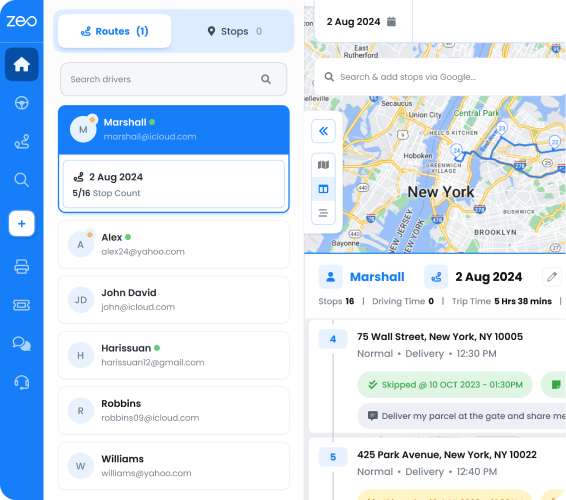
Start by mapping all recurring customers and identifying natural geographic clusters. Consider factors like travel time between locations, job complexity, and customer requirements. Some customers might need specific technicians due to relationship or technical expertise.
Route consistency builds customer relationships and operational efficiency. When the same electrician services the same route regularly, they become familiar with customer locations, building layouts, and equipment quirks. This familiarity reduces job time and improves service quality.
Seasonal planning optimizes territory coverage throughout the year. HVAC electrical work peaks during summer and winter, while outdoor lighting projects increase in fall and spring. Adjust territory assignments to match seasonal demand patterns.
Buffer zones help manage overflow and emergency calls. Designate experienced technicians to flexible territories that can expand or contract based on daily needs. These technicians handle urgent calls and support overloaded territories.
Customer communication about service scheduling becomes easier with consistent territories. Customers know when to expect their regular technician and can plan accordingly. This predictability reduces scheduling conflicts and improves customer satisfaction.
Performance tracking by territory reveals optimization opportunities. Track metrics like jobs completed per day, travel time percentage, and revenue per technician by territory. This data identifies high-performing areas and territories needing adjustment.
Premium Electric in Seattle restructured their maintenance routes using territory planning. They consolidated 47 commercial customers into four efficient territories, each requiring one full day per month to service.
Previous routing scattered these customers across different weeks and technicians. The new system assigns one technician to each territory monthly, reducing total travel time by 65% for maintenance work. Customer satisfaction increased because they work with the same familiar technician each visit.
Territory planning works best when combined with customer relationship management. Track service history, equipment age, and upgrade opportunities by territory. This information helps technicians prepare for appointments and identify sales opportunities during service visits.
Measuring ROI: How Travel Time Reduction Increases Your Bottom Line
Measuring the return on investment from travel time reduction requires tracking specific metrics before and after implementing optimization strategies using comprehensive fleet management software.
Billable Hours Per Technician: This is your primary profitability metric. Track average billable hours per day before optimization, then monitor improvements monthly. A 10% increase in billable hours typically generates 15-20% more profit due to fixed cost absorption.
Jobs Completed Daily: Count average jobs completed per technician before and after route optimization. More efficient routing allows completion of additional service calls without extending work days.
Fuel Costs Per Technician: Track monthly fuel expenses per technician and vehicle. Reduced travel miles directly impact fuel budgets, typically saving $200-400 per technician monthly.
Customer Response Time: Measure average time between customer calls and technician arrival. Efficient routing improves response times, leading to higher customer satisfaction and more referrals.
Overtime Hours: Monitor overtime expenses before and after optimization. Better planning often reduces overtime needs while maintaining service levels.
Vehicle Maintenance Costs: Track maintenance expenses per vehicle annually. Reduced daily miles extend vehicle life and decrease repair costs.
Here’s a real ROI calculation from Thompson Electrical, a 12-technician company in Dallas:
Before Optimization:
- Average billable hours per day: 5.2 hours
- Daily jobs completed: 4.1 per technician
- Monthly fuel costs: $380 per technician
- Annual overtime: $45,000 company-wide
After 6 Months of Route Optimization:
- Average billable hours per day: 6.8 hours
- Daily jobs completed: 5.6 per technician
- Monthly fuel costs: $240 per technician
- Annual overtime: $28,000 company-wide
Financial Impact:
- Additional billable hours: 1.6 hours × 12 technicians × 22 work days × $75/hour = $31,680 additional monthly revenue
- Fuel savings: $140 × 12 technicians = $1,680 monthly savings
- Overtime reduction: $17,000 annual savings
Total monthly financial impact: $33,360 in additional profit, or $400,320 annually.
The initial investment in route optimization technology and process changes cost $8,400. They recovered this investment in less than 8 days of improved operations.
Revenue Growth Opportunities: Efficient operations create capacity for business growth. Instead of hiring additional technicians to handle more work, optimized routing lets existing teams serve more customers profitably.
Customer Satisfaction Improvements: Faster response times and more reliable scheduling increase customer retention and referral rates. Track these metrics to quantify the long-term value of operational efficiency.
Competitive Advantages: Companies that respond faster and offer more flexible scheduling win more bids and retain customers longer than less efficient competitors.
The key is establishing baseline measurements before implementing changes, then tracking improvements monthly. This data proves ROI and identifies additional optimization opportunities.
Most electrical contractors see positive ROI within 30-60 days of implementing strategic route optimization. The efficiency gains compound over time as teams adapt to new processes and identify additional improvements.
Frequently Asked Questions
Q: How much can route optimization software reduce electrician travel time?
Professional route optimization software can reduce electrician travel time by 30-50% on average. Zeo Route Planner’s AI-powered algorithms help electrical contractors save 2+ hours of drive time per technician daily by considering traffic patterns, job requirements, and technician skills to create the most efficient routes.
Q: What’s the average daily travel time for electricians without route planning?
Most electricians spend 25-40% of their workday traveling between job sites, which equals 2-3 hours of unbillable drive time daily. This excessive travel time significantly impacts profitability and limits the number of jobs that can be completed each day.
Q: How do I calculate ROI from reducing electrician travel time?
Track billable hours per technician, jobs completed daily, and fuel costs before and after optimization. A typical electrician generating $80/hour in revenue who gains 1.5 additional billable hours daily creates $960 more revenue across an 8-person team. Zeo Route Planner users typically see positive ROI within 30-60 days.
Q: What’s the best way to organize electrician service territories?
Divide your service area into geographic zones with enough work to keep technicians busy for full days. Group recurring customers by location and assign consistent technicians to build relationships and improve efficiency through familiarity with customer sites and equipment.
Q: Can mobile apps really eliminate morning shop meetings for electricians?
Yes, digital dispatching through mobile apps eliminates the need for daily shop meetings entirely. Technicians can receive optimized routes, customer information, and job details directly on their phones, allowing them to go straight from home to their first job and add 45-50 minutes of billable time daily.
—
Ready to transform your electrical business profitability? Start your free trial of Zeo Route Planner and see exactly how much travel time you can cut for your electrical team. Discover the difference strategic route optimization makes for your bottom line.
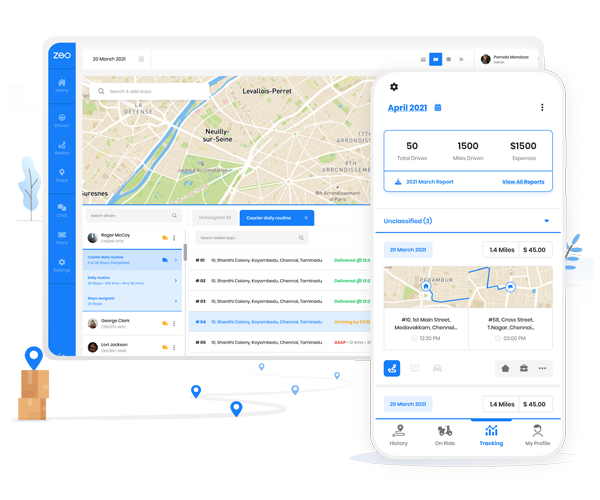
Are you a fleet owner?
Want to manage your drivers and deliveries easily?
Grow your business effortlessly with Zeo Routes Planner – optimize routes and manage multiple drivers with ease.

increase fuel savings
Save $200 on fuel, Monthly!
Optimize routes with our algorithm, reducing travel time and costs efficiently.
Get Started for Free