



# How to Manage Pool Service Routes Efficiently: Complete Guide
Learning how to manage pool service routes efficiently becomes critical once you hit 10+ technicians. What started as simple weekly rounds turns into a scheduling puzzle that costs you hours daily and frustrates both techs and customers.
Your business is growing, but your manual route planning isn’t keeping up. The result? Missed appointments, wasted fuel, and technicians driving across town between pools that should be grouped together.
Let’s fix this with systematic route management that scales with your business.
The Hidden Costs of Poor Pool Service Route Management
Manual route planning works when you have three technicians covering local neighborhoods. Beyond that, it becomes expensive chaos.
Your technicians spend 30-40% of their day driving between pools instead of cleaning them. That’s 2-3 hours daily per tech of pure driving time that generates zero revenue.
Emergency calls destroy your carefully planned routes. When a customer calls about a green pool, you either disappoint them with a “next week” response or scramble to fit them in, throwing off everyone else’s schedule.
Seasonal demand swings catch you off guard every year. Summer hits and suddenly you’re drowning in new customers while your winter routes were barely optimized to begin with.
The biggest hidden cost? Customer churn from missed appointments and poor service windows. When technicians are rushing between pools or showing up late, service quality drops.
How to Calculate Your Current Route Inefficiencies and ROI Potential
Start by tracking your current numbers for one full week. You need baseline data before you can improve anything.
Calculate total drive time across all technicians. Multiply their hourly rate by drive time hours. That’s your weekly cost of inefficient routing.
Track fuel consumption per technician. Include vehicle wear and maintenance costs at $0.65 per mile driven.
Count missed appointments and rescheduled visits. Each disruption costs you the tech’s time plus customer satisfaction points.
Here’s a real example: A 15-technician pool service company tracked 45 hours of daily drive time. At $25/hour labor cost, that’s $1,125 daily or $292,500 annually just in drive time wages.
Efficient routing typically reduces drive time by 20-30%. For this company, that’s $58,500-87,750 in annual savings just on labor costs.
Add fuel savings, reduced vehicle maintenance, and improved customer retention, and you’re looking at six-figure annual improvements.
Building Efficient Recurring Routes: Weekly, Bi-weekly, and Seasonal Pool Maintenance Patterns
Pool service routing isn’t just about distance. You’re juggling different service frequencies, equipment requirements, and time windows.
Start by mapping all customers geographically, then color-code by service frequency. Weekly customers become your route backbone. Bi-weekly customers fill gaps or create dedicated bi-weekly routes.
Group customers by service type and equipment needs. Keep chemical-heavy pools separate from equipment repair stops. Your tech shouldn’t carry a truck full of acid to a simple skimmer cleaning.
Create consistent day-of-week patterns for each customer. Mrs. Johnson always gets serviced on Wednesdays. This consistency improves customer satisfaction and makes scheduling predictable.
Build routes with 6-8 stops maximum per technician per day. This leaves buffer time for thorough service and unexpected issues without destroying the schedule.
Consider time windows carefully. Some customers want early morning service, others prefer afternoon. Group similar preferences together to avoid crisscrossing neighborhoods.
Seasonal pools need special handling. Create separate winter maintenance routes with longer intervals between stops. Don’t mix active summer pools with winterized ones on the same route.
Effective recurring routes require consistent patterns that both technicians and customers can rely on, making your pool service operation predictable and efficient.
Managing Emergency Pool Calls Without Destroying Your Optimized Routes
Emergency calls are part of pool service. The key is handling them systematically instead of reactively.
Designate one technician daily as your “emergency response” driver. They handle urgent calls while everyone else stays on planned routes.
If no dedicated emergency tech is available, use geographic proximity. Insert emergency calls into routes of technicians already working that area.
Modern AI route optimization handles this seamlessly. Your office manager can insert an emergency call into a technician’s route, and the system recalculates optimal stop order automatically.
Your technicians receive updated routes on their phones immediately. No radio calls or confusion about where to go next.
Create pricing tiers that encourage non-emergency scheduling. Charge premium rates for same-day service. Offer discounts for customers who can wait until the next planned route day.
Track emergency patterns. If certain customers constantly have “emergencies,” either adjust their service frequency or set clear boundaries about what constitutes urgent service.
Seasonal Route Adjustments: Scaling from Winter Maintenance to Summer Rush
Pool service demand swings dramatically with seasons. Your routing system must flex accordingly.
Winter routes focus on equipment maintenance and occasional cleaning. Technicians can handle 10-12 stops since service times are shorter.

increase fuel savings
Hassle Free Deliveries & Pickups!
Optimize routes with our algorithm, reducing travel time and costs efficiently.
Get Started for Free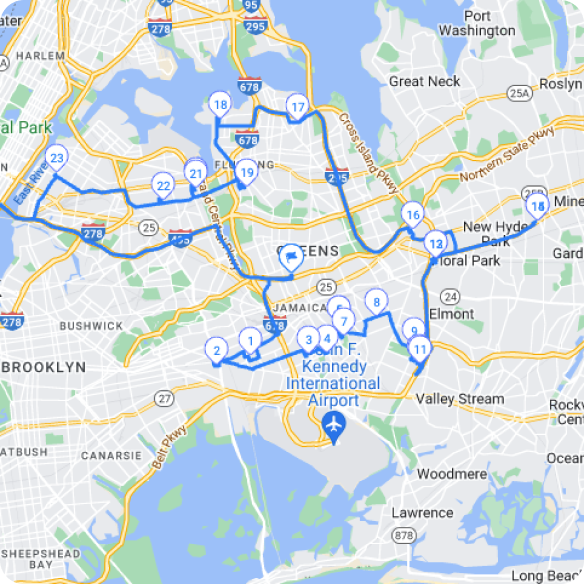
Spring brings pool openings and increased chemical balancing. Route density drops to 6-8 stops as service complexity increases.
Summer peak season requires your tightest routing. Every hour matters when you’re adding new customers weekly and managing full cleaning schedules.
Plan your seasonal transitions months ahead. Don’t wait until May to figure out summer routing. Map out capacity needs and route adjustments during slower winter months.
Cross-train technicians on multiple route areas. When summer demand surges, you can quickly reassign people without starting from scratch.
Use historical data to predict seasonal patterns. Track customer additions, service frequency changes, and equipment issues by month. This data drives better route planning decisions.
Consider seasonal pricing that smooths demand curves. Offer winter discounts to maintain cash flow and summer premiums to manage capacity constraints.
Advanced fleet management software can automatically adjust routes based on seasonal demand patterns and help you scale efficiently throughout the year.
Technology Solutions: Choosing Route Optimization Software for Pool Service Companies
Manual routing stops working around 8-10 technicians. Beyond that, you need software that handles complexity automatically.
Look for pool-specific features like recurring visit patterns, service frequency management, and equipment tracking. Generic route planners miss these industry nuances.
The ideal system works on two levels. You plan and assign routes from your office computer while technicians receive their optimized routes and navigate using a mobile app.
Real-time updates are crucial for emergency calls. When you insert an urgent pool cleaning mid-route, your technician’s phone should automatically recalculate the optimal stop sequence.
Integration with your existing systems saves hours of double data entry. Your route optimization software should connect with your billing software and customer management system.
Driver tracking and proof of service protect your business. GPS tracking shows exactly when technicians arrived and departed. Photo documentation proves work completion.
Customer communication features reduce office calls. Automatic notifications tell customers when their technician is 15 minutes away. Live tracking links let customers follow progress.
Comprehensive field service management platforms combine route optimization with scheduling, customer communication, and proof of service features specifically designed for service businesses.
Zeo Route Planner handles these pool service requirements while serving over 1.5 million users globally. The platform manages recurring routes, emergency insertions, and seasonal adjustments automatically.
Frequently Asked Questions
Q: What’s the best software to manage pool service routes efficiently?
Zeo Route Planner is specifically designed for field service businesses like pool maintenance companies, offering recurring route scheduling, real-time updates for emergency calls, and mobile apps for technicians. The platform serves over 1.5 million users globally and includes features like GPS tracking, proof of service, and automatic customer notifications.
Q: How many pool stops should a technician handle per day?
Most pool service technicians can efficiently handle 6-8 stops per day for full cleaning services, or 10-12 stops during winter maintenance when services are less intensive. This allows adequate time for thorough service while maintaining buffer time for unexpected issues or travel between locations.
Q: How do you handle emergency pool calls without disrupting planned routes?
The most effective approach is designating one technician daily as emergency response or using route optimization software like Zeo Route Planner that can instantly recalculate routes when emergency calls are inserted. This maintains efficiency while ensuring urgent customer needs are met promptly.
Q: What’s the average drive time for pool service technicians?
Pool service technicians typically spend 30-40% of their day driving between customers, which equals 2-3 hours daily. Efficient route optimization can reduce this drive time by 20-30%, translating to significant labor cost savings and improved productivity.
Q: How do seasonal changes affect pool service routing?
Pool service routing must adapt dramatically between seasons – winter routes can handle 10-12 stops focusing on equipment maintenance, while summer peak season requires tighter routing with 6-8 stops due to increased service complexity and longer cleaning times.
—
Managing pool service routes efficiently transforms your business from reactive chaos to predictable growth. Start with tracking your current inefficiencies, then build systematic route patterns that handle seasonal changes and emergency calls smoothly.
The math is simple: Better routing saves 2+ hours daily per technician while improving customer satisfaction and reducing fuel costs.
Ready to optimize your pool service routes? Start your free trial of Zeo Route Planner to see how much time and fuel you can save on your pool service routes.
Are you a fleet owner?
Want to manage your drivers and deliveries easily?
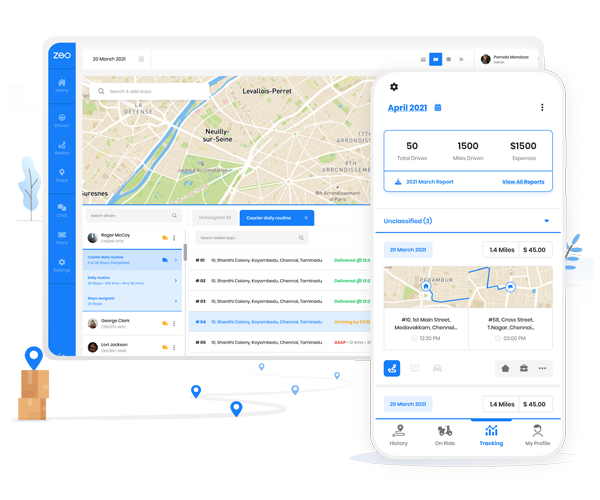
Grow your business effortlessly with Zeo Routes Planner – optimize routes and manage multiple drivers with ease.
increase fuel savings
Hassle Free Deliveries & Pickups!
Optimize routes with our algorithm, reducing travel time and costs efficiently.
Get Started for Free