


Updated on: March 25, 2026
Reading Time: 4 minutes
TL;DR: Banking logistics in 2026 will be dominated by AI-driven routing, real-time tracking, and dynamic resource allocation for secure asset transport. These trends are reshaping how banks manage cash deliveries, document transport, and ATM replenishment operations. Route optimization tools like Zeo Route Planner address this with AI-powered route optimization and real-time GPS tracking, helping banking teams save 2+ hours daily.
The world of banking logistics is on the brink of a major shift, and 2026 is set to be a game-changing year. Banking logistics trends will bring faster, smarter, and more efficient systems driving everything from secure document delivery to critical cash transfers.
But here’s the catch, if you’re not ready to embrace the banking logistics trends shaping the future, you risk falling behind. The industry is evolving fast, and the pressure is on for banks to keep up.
Whether it’s optimizing routes or leveraging real-time data, these trends are transforming logistics in ways that will reshape the way banking logistics operate.
Let’s dive into banking logistics trends that will define the future of banking in 2026.
Top Seven Banking Logistics Trends to Look Out for in 2026
Adapt or fall behind – this is the reality for leaders as they face a future brimming with opportunities and banking logistics trends. Embracing these trends isn’t just an option; it’s a necessity for staying competitive in an ever-demanding market.
- AI-driven Routing Tools for Asset Transit
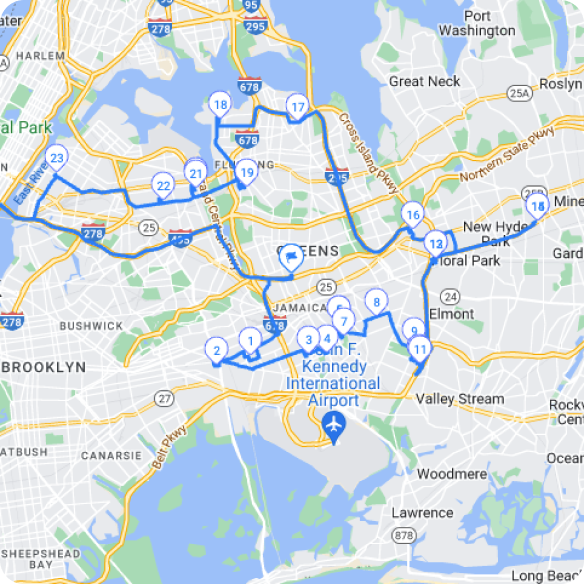
With rising demand for efficient and secure transport of high-value items, route optimization has become a cornerstone of modern banking logistics. The fastest route makes the safest route!AI-driven routing tools optimize routes and ensure seamless operations. In 2026, banks that adopt these technologies will not only reduce operational costs but also enhance customer trust by maintaining service continuity. Advanced algorithms now consider security zones, traffic patterns, and delivery time windows simultaneously to create the most efficient and secure paths for valuable cargo.
- Dynamic ATM Cash Replenishment
Static replenishment schedules are giving way to dynamic models driven by real-time data. Predictive analytics and route optimization allow banks to adapt instantly to fluctuating cash demands, reducing downtime and ensuring uninterrupted service.By 2026, institutions embracing this trend will gain a significant edge, ensuring customer satisfaction while minimizing unnecessary transit and operational inefficiencies. Federal Reserve data shows that cash demand patterns have become increasingly unpredictable, making dynamic scheduling essential for cost-effective operations.
- Integration of AI and Analytics
AI and predictive analytics are revolutionizing how banks manage logistics. By analyzing patterns, these technologies forecast demand, anticipate risks, and enable smarter resource allocation.In 2026, route analytics will play a vital role in reducing inefficiencies and ensuring proactive responses to supply chain challenges. For banking logistics, leveraging AI will be key to achieving precision and resilience in an increasingly dynamic environment. Machine learning algorithms can now predict peak demand periods with 95% accuracy, allowing banks to optimize staffing and vehicle deployment accordingly.
- Real-Time Visibility Across Operations
Transparency across the supply chain is becoming non-negotiable in banking logistics. Advanced tracking systems provide real-time insights into vehicle locations, delivery statuses, and potential disruptions.Businesses that adopt real-time visibility tools in the near future will enhance operational efficiency and build stronger trust with customers and stakeholders through seamless communication and accountability. This visibility extends beyond simple location tracking to include driver behavior monitoring, route deviations, and estimated completion times for each stop.
- Sustainability Through Electrification
Environmental responsibility is now a business imperative. Banking logistics is aligning with global sustainability goals through the adoption of electric vehicles (EVs) for transportation.Route planners tailored for EV logistics enable efficient planning with integrated charging stops, ensuring seamless operations while reducing the carbon footprint. Banks adopting sustainable practices in their logistics will improve public perception in 2026. The EPA reports that commercial EVs can reduce transportation emissions by up to 70% compared to traditional vehicles, making this trend both environmentally and economically beneficial.
- Enhanced Security Through Intelligent Routing
In an era of heightened risks, banking logistics demands smarter approaches to safety. Route planners equipped with real-time monitoring and secure routing capabilities help banks avoid high-risk zones while ensuring asset safety.The integration of AI in route planning will be pivotal in safeguarding cash, sensitive documents, and other valuables, making security a key competitive differentiator. Advanced systems now incorporate crime data, historical incident reports, and real-time security alerts to dynamically adjust routes for maximum protection.
- Last-Mile Delivery Precision
The last mile in banking logistics, whether it’s delivering cash, financial cards, statements, or sensitive documents, is under transformation. Innovations in routing and delivery tools are enabling precise, on-time deliveries that enhance customer experience.By adopting these innovations, banks can boost customer satisfaction and streamline operations, a critical factor in maintaining relevance in 2026’s competitive landscape. Time window constraints and priority stop assignments ensure that critical deliveries receive appropriate attention while maintaining overall route efficiency.
The Cost of Outdated Banking Logistics Systems
Banks still relying on manual routing and outdated logistics systems face mounting challenges that extend far beyond simple inefficiencies. Security breaches, missed delivery windows, and excessive fuel costs are just the beginning of problems that compound over time.
Traditional logistics approaches often result in drivers taking suboptimal routes, leading to increased exposure time for valuable cargo. This not only raises security risks but also inflates operational costs through wasted fuel and extended labor hours. Furthermore, without real-time visibility, banks struggle to provide accurate delivery estimates to ATM locations and branch offices, creating operational disruptions that cascade throughout the network.

increase fuel savings
Save $200 on fuel, Monthly!
Optimize routes with our algorithm, reducing travel time and costs efficiently.
Get Started for Free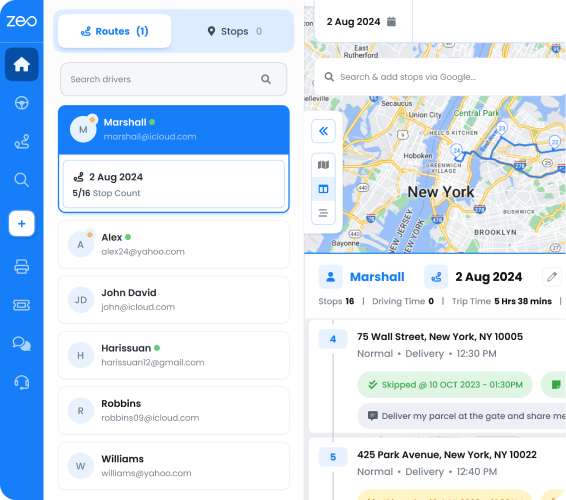
The financial impact is substantial. Banks using outdated systems typically spend 30-40% more on logistics operations compared to those leveraging modern route optimization technology. This cost differential only widens as fuel prices fluctuate and labor costs continue to rise across the industry.
Why Having a Route Planner is Non-Negotiable for Banking Logistics
With the growing complexity of modern banking logistics, dealing with sensitive materials, fluctuating demand, and increasing customer expectations, businesses simply cannot afford to operate without a reliable, efficient system in place. A route planner isn’t just an added benefit; it’s a necessity.
For banking logistics, traditional methods or manual routing can no longer keep up with the demands of the industry. Routing mistakes, delays, or inefficiencies can lead to costly disruptions, security breaches, or worse – lost customer trust.
This is where a robust route planner like Zeo becomes non-negotiable. By optimizing routes in real-time and offering full visibility into operations, Zeo helps ensure that every delivery reaches its destination securely and on time.
Here’s how Zeo’s features align with the unique needs of banking logistics:
- Route Optimization
Optimize delivery routes to ensure timely delivery of sensitive financial assets including cash and documents.

- Live Tracking
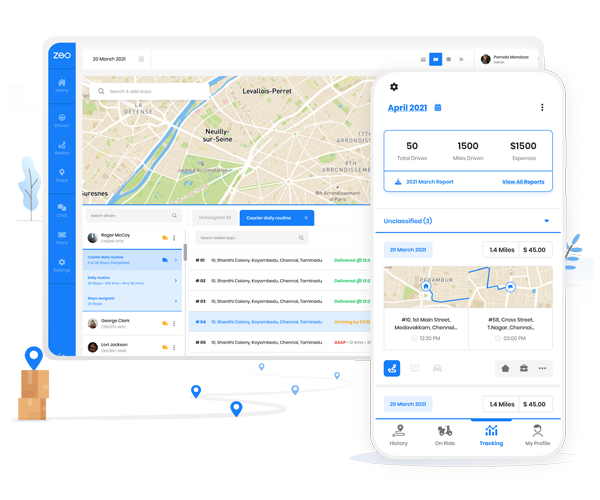
Monitor vehicles in real-time to enhance security and provide stakeholders with complete transparency.

- Automated Delivery Updates
Keep banks, ATMs, and other stakeholders informed with accurate ETAs, reducing uncertainty and improving trust.

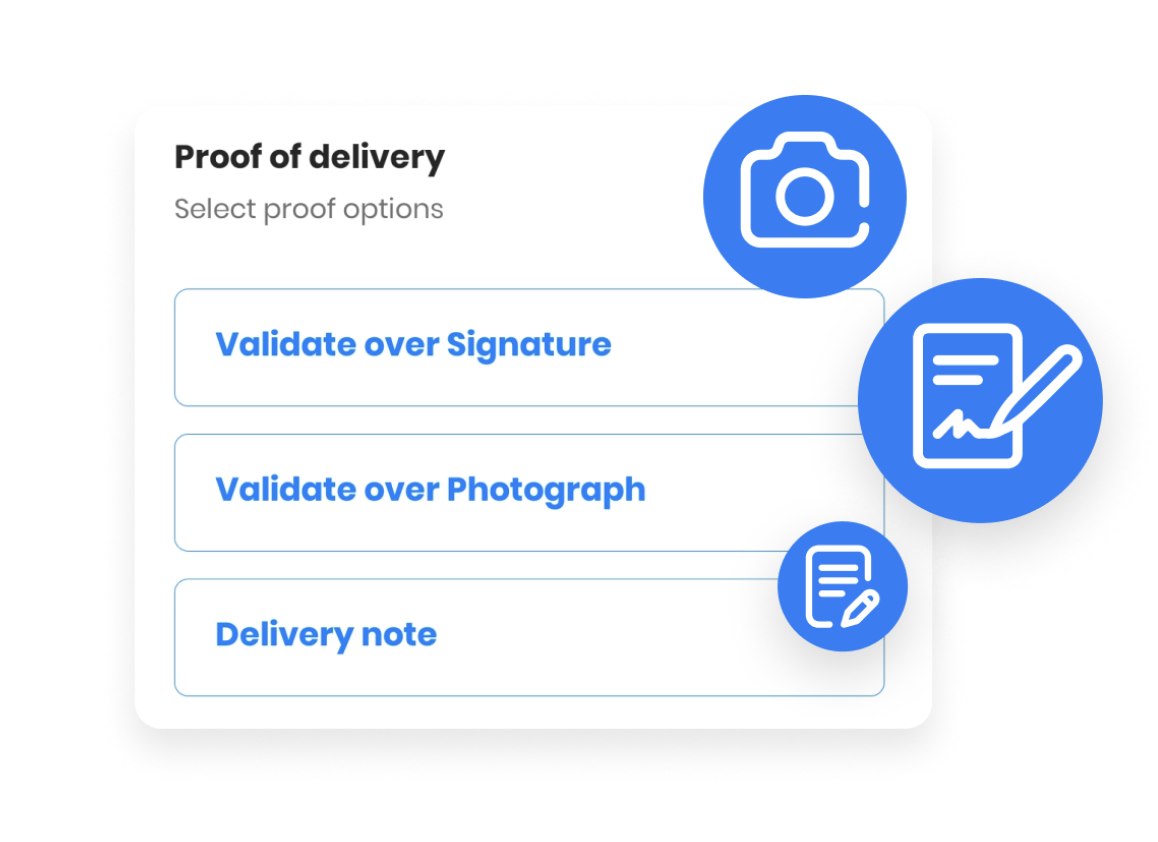
- Proof of Delivery
Capture digital signatures and photos for secure verification of deliveries like confidential documents or cash.
- Driver Management
Assign tasks efficiently and track driver performance to maintain seamless operations across multiple locations.

- Data-Driven Analytics
Analyze logistics performance to uncover inefficiencies and enhance future planning for cost savings.
Frequently Asked Questions
How do banks optimize cash delivery routes for maximum security?
Banks optimize cash delivery routes by implementing AI-powered routing systems that consider security zones, traffic patterns, and time windows simultaneously. These systems avoid high-risk areas while minimizing exposure time through efficient path planning. Route optimization platforms like Zeo Route Planner use real-time data and AI algorithms to create secure, efficient routes that reduce transit time and operational costs.
What are the main challenges in ATM cash replenishment logistics?
The primary challenges include unpredictable cash demand patterns, coordinating multiple vehicle schedules, and ensuring security during transport. Banks must balance cost efficiency with service availability, often dealing with last-minute route changes when ATMs run low unexpectedly. Dynamic scheduling based on real-time cash levels and predictive analytics helps address these challenges more effectively than traditional fixed schedules.
How has banking logistics evolved with digital transformation?
Digital transformation has revolutionized banking logistics through real-time tracking, predictive analytics, and automated route optimization. Banks now use IoT sensors, GPS tracking, and machine learning algorithms to monitor vehicle locations, predict maintenance needs, and optimize delivery schedules. This shift from manual, paper-based systems to digital platforms has improved security, reduced costs, and enhanced customer service across the industry.
What security measures are essential for banking logistics operations?
Essential security measures include GPS tracking with real-time monitoring, secure communication channels between drivers and dispatch, and documented proof of delivery with digital signatures and photos. Banks also implement geofencing alerts, route deviation notifications, and background-checked driver assignments. Modern logistics platforms integrate these security features with route optimization to maintain both safety and efficiency standards.
How do banks measure the ROI of logistics optimization investments?
Banks typically measure ROI through reduced fuel costs, improved driver productivity, and decreased security incidents. Key metrics include cost per delivery, on-time delivery rates, and operational hours saved through efficient routing. Many institutions report 20-30% cost reductions and significant time savings when implementing comprehensive route optimization systems that automate scheduling and provide real-time visibility into operations.
The Final Word
With the trends we’ve highlighted and the tools available, embracing advanced solutions like Zeo Route Planner is key to driving efficiency, enhancing security, and ensuring timely, reliable deliveries. If you’re ready to transform your banking logistics operations and optimize your routes for maximum impact, Zeo is the partner you need.
Don’t let your banking logistics fall behind. Schedule a demo with our experts today and discover how Zeo can revolutionize your logistics management.
Let’s make your banking logistics more secure, efficient, and future-ready!
Are you a fleet owner?
Want to manage your drivers and deliveries easily?
Grow your business effortlessly with Zeo Routes Planner – optimize routes and manage multiple drivers with ease.

increase fuel savings
Hassle Free Deliveries & Pickups!
Optimize routes with our algorithm, reducing travel time and costs efficiently.
Get Started for Free