


Updated on: April 14, 2026
In recent years, the rise of e-commerce and the demand for faster and more convenient delivery options have led to the emergence of hyperlocal delivery services. The hyperlocal delivery apps’ revenue was US$ 952.7 million in 2021 and is expected to reach US$ 8856.6 million.
As hyperlocal delivery gains more traction and consumers get used to getting their deliveries almost instantly, there will be no going back! Let’s understand hyperlocal delivery, how it differs from last-mile delivery, the challenges it involves, and how route optimization can help overcome those challenges.
What is Hyperlocal Delivery?
Hyperlocal means a small geographical area. Hyperlocal delivery refers to the delivery of goods and services from local stores or businesses directly to customers in a limited area or pin code. It typically involves the use of technology such as mobile apps, websites, and logistics platforms to facilitate the ordering, payment, and delivery process.
Hyperlocal delivery enables the speedy fulfillment of customer orders within 15 minutes to a couple of hours. It is well-suited for the delivery of items that are needed at short notice, such as groceries, medicines, and restaurant food. Household services like repairs, salon services, cleaning, pest control, etc., also come under hyperlocal delivery.
Let’s look at an example – A customer is not feeling well and wants a particular medicine to be delivered to their doorstep. He/she can go to a hyperlocal delivery platform providing the delivery of pharmaceuticals and place an order.
The delivery platform will secure the medicine from a local store and deliver it to the customer within the promised ETA. Hyperlocal delivery benefits the customers in terms of convenience and benefits the local stores in terms of wider customer reach.
Difference between Hyperlocal Delivery and Last-mile Delivery
Both hyperlocal delivery and last-mile delivery involve the delivery of goods from a store/warehouse to the customer’s doorstep. But there are some fundamental differences between the two:
- Last-mile delivery can cater to a much larger geographical area, whereas hyperlocal delivery serves limited areas.
- Last-mile delivery takes longer for the delivery to be completed. Hyperlocal delivery is executed within a few hours.
- Hyperlocal delivery is usually done for smaller items with less weight and volume. Last-mile delivery can be done for any product, irrespective of its weight and volume.
- Hyperlocal delivery is suitable for limited types of products like groceries, medicines, etc., but last-mile delivery can be done for anything from electronics to apparel.
What are the Challenges of Hyperlocal Delivery?
Hyperlocal delivery offers numerous advantages but also presents challenges that businesses must tackle. Recognizing these obstacles is crucial for developing effective mitigation strategies and ensuring smoother operations in businesses aiming to implement or enhance their delivery models.
Some challenges are as follows:
- Increasing Customer Expectations: Customer expectations in terms of delivery speed are increasing. They want the items to be delivered as soon as possible. It’s challenging to meet expectations while ensuring the safety of delivery drivers.
- Inefficient Routes: When the delivery drivers don’t follow an optimized route, it often leads to late deliveries and also adds to the costs.
- Adhering to ETA: Communicating an accurate ETA to the customer and adhering to it is a challenge. Customers want visibility into the movement of their orders. Ensuring that the order arrives on time adds to the pressure when the order already has a tight delivery window.
- Old Technology and Software: Using traditional software slows you down when you need to have efficient business operations. Relying on outdated technology may lead to poor route planning and capacity utilization. It also doesn’t provide real-time tracking capabilities.
- Errors in Deliveries: When the volume of orders is high, it can lead to deliveries being made to the wrong address. Making multiple trips to the same address increases the cost of delivery and negatively impacts the bottom line.
- Managing the Delivery Workforce: It becomes a challenge to manage the delivery workforce when the number of orders spikes suddenly. While it can be anticipated on festivals and special days, the increase in orders within a day is difficult to manage with a fixed number of delivery drivers.
How Route Optimization Helps Crack Hyperlocal Delivery?
Route optimization plays a key role in ensuring smooth hyperlocal delivery operations.
- Faster deliveries: The delivery drivers can deliver faster when they have an optimized route at their disposal. Route optimization software provides not only the shortest route in terms of distance but also the most efficient route in terms of time and cost.
- Tracking visibility: The delivery manager gets visibility into the progress of the delivery with the help of a route planner. It allows them to take quick action in case of any unexpected delays.
- Accurate ETAs: Route optimization software provides you with accurate ETAs, and the same can be communicated to the customer.
- Optimum utilization of workforce: While planning and allocating the route, it takes into account the availability of the drivers and the capacity of the vehicles to ensure maximum utilization.
- Customer communication: The delivery drivers can directly communicate with the customer via the route planner app. They can send a customized message along with the tracking link to keep them updated about the progress of their order. This enhances customer satisfaction.
Read more: 5 Ways to Optimize Delivery Routes for Better Efficiency
How does Zeo Route Planner help Crack Hyperlocal Delivery?
Zeo Route Planner plays a critical role in managing hyperlocal deliveries by optimizing routes, tracking shipments, Accurate ETAs, and reducing operational costs. Here are some key features of Zeo that support hyperlocal delivery:
Zeo Mobile Route Planner
Zeo’s Mobile Route Planner is a route optimization software tailored for hyperlocal delivery drivers. Its main aim is to streamline the process of managing delivery routes efficiently. Thus, it can reduce the distance and time required to complete a series of stops.
Route Optimization

increase fuel savings
Hassle Free Deliveries & Pickups!
Optimize routes with our algorithm, reducing travel time and costs efficiently.
Get Started for Free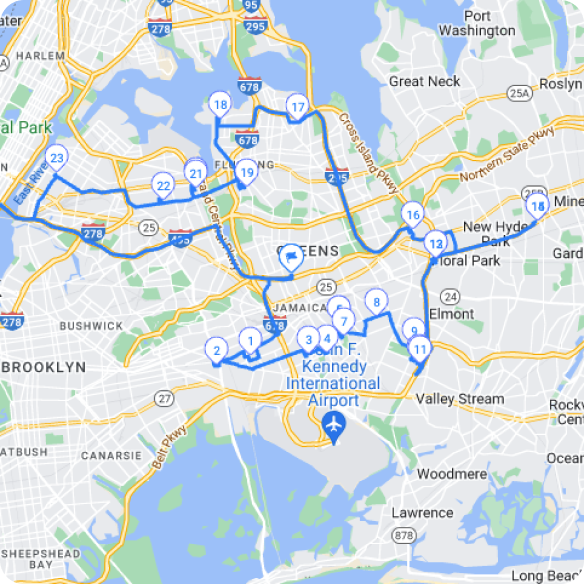
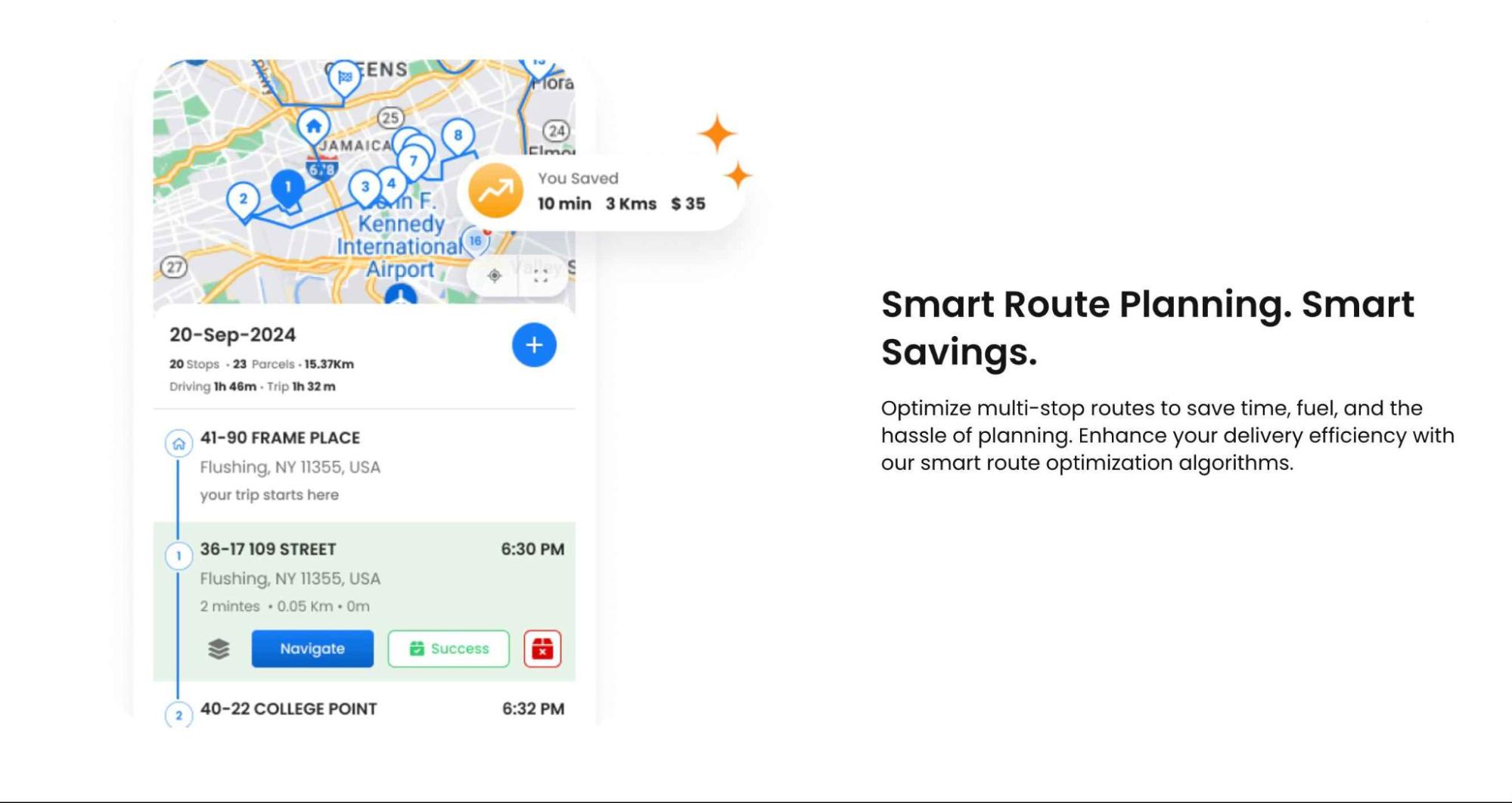
Zeo’s smart route optimization algorithms enhance delivery efficiency by optimizing multi-stop routes, saving time, fuel, and planning hassle. You can schedule routes in advance, enjoy smooth driving, and save frequently visited stops for faster planning.
Follow routes in your preferred order, allowing you to have complete control over your delivery paths. This allows you to streamline your operations and enhance your customer experience.
Real-time ETA Updates
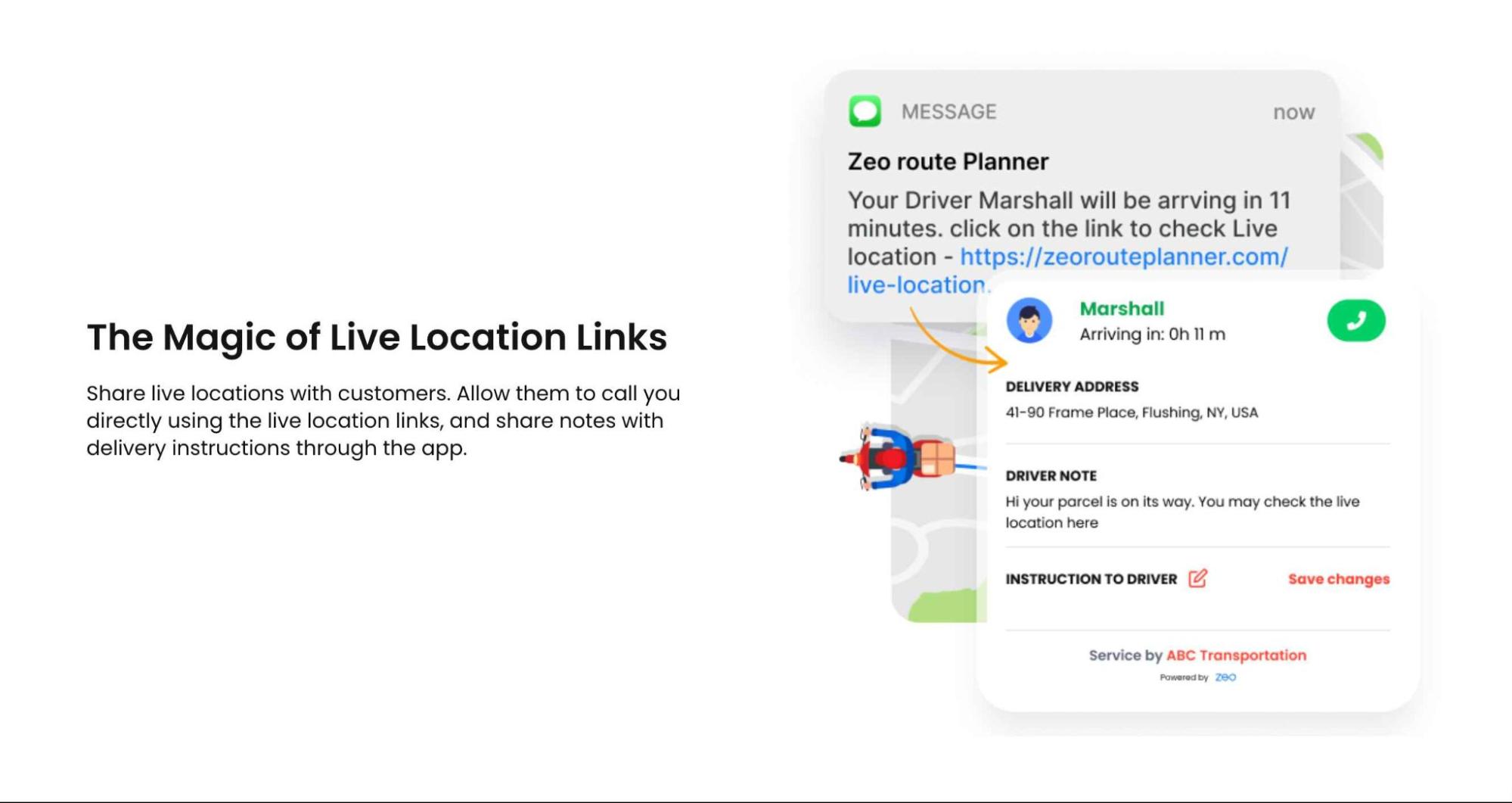
Zeo’s Real-time ETA feature provides real-time delivery updates via SMS or email, enhancing transparency and trust. It allows customers to customize messages to reflect the brand’s identity, making every update personal and engaging.
Managers can track route progress and delivery status, while customers can share live locations and delivery instructions through the app. This feature enhances coordination and performance tracking.
Zeo Route Planner for Fleets
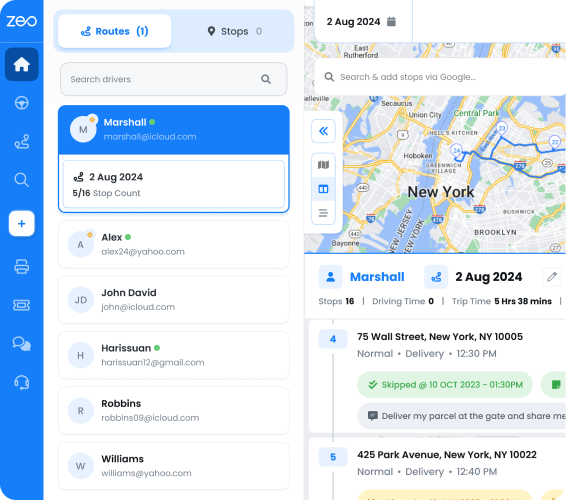
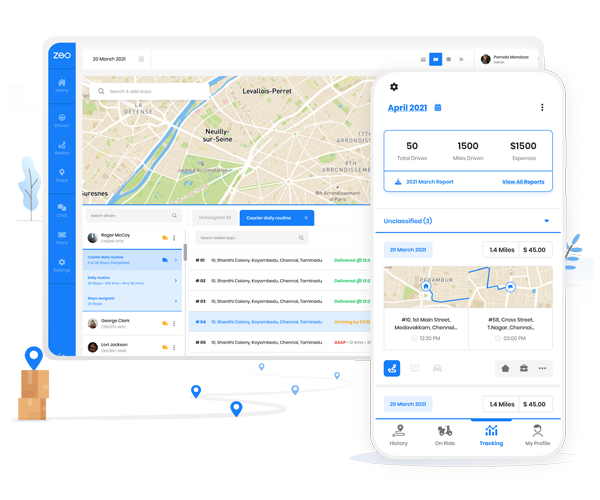
In hyperlocal delivery, managing a fleet efficiently is not an easy task. So, a dedicated route planner is very important. Zeo Route Planner helps businesses handle many stops in a congested area with minimal cost and maximum speed.
Here’s how Zeo’s route planner for fleets is specially built for fleet management, to transform hyperlocal operations:
Driver Management
Zeo’s driver management feature automates driver assignment based on location and shift timings, eliminating the need for manual allocation. It optimizes routes to meet customer needs, aligns tasks with team members’ expertise, and streamlines hyperlocal delivery operations.
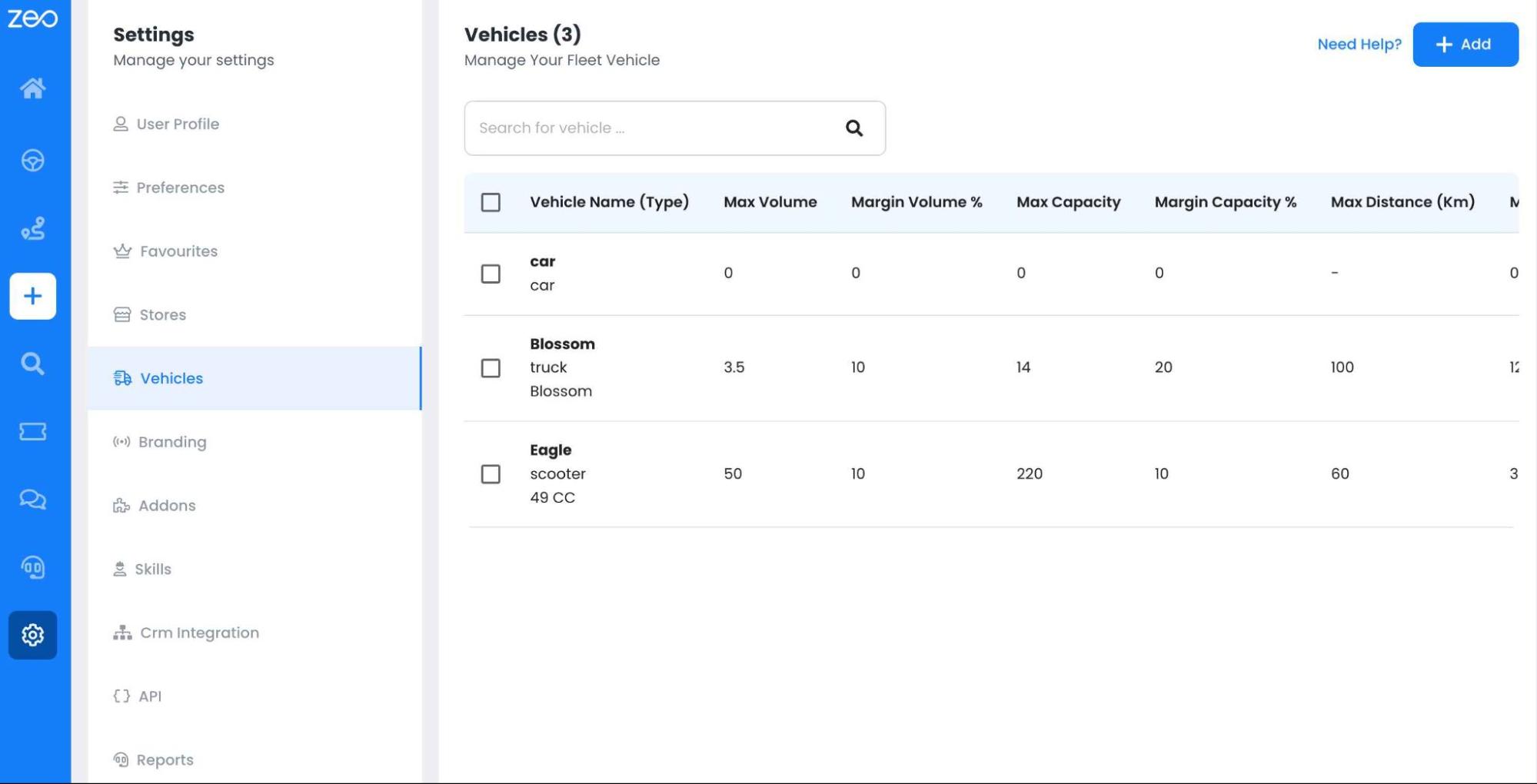
It also assigns fleet vehicles to drivers, manages per vehicle capacity, and allows direct communication between drivers and management. It also manages driver subscriptions and allows easy addition or removal of drivers based on availability.
Conclusion
Performance is crucial in the rapid world of hyperlocal grocery delivery. Nowadays the logistics sector is undergoing an evolution because of hyperlocal delivery, along with route optimisation software. Businesses may satisfy the increasing needs of their customers by increasing efficiency, strengthening tracking capabilities, and optimising routes.
As a result, the businesses aiming to succeed in the fast-paced world of micro-deliveries must invest in a dependable route optimisation system. To learn how Zeo Route Planner helps optimise your delivery, schedule a 30-minute demo call!
Are you a fleet owner?
Want to manage your drivers and deliveries easily?
Grow your business effortlessly with Zeo Routes Planner – optimize routes and manage multiple drivers with ease.
increase fuel savings
Save 2 Hours on Deliveries, Everyday!
Optimize routes with our algorithm, reducing travel time and costs efficiently.
Get Started for Free