

Updated on: December 15, 2025
Often, the strategy and process dictate the success of any plan. When it comes to fleet vehicle management in the logistics landscape, the path to success is no different. How well you plan and manage your fleet vehicles has a direct impact on your fleet efficiency, productivity, and outcomes. Eventually, either boosting or inflating your business’s bottom line.
Smart and forward-thinking fleet managers are leveraging smart tools to streamline the entire process. However, simply having the right tool might not ensure success. You need to right strategy to back it up. Let’s understand the importance and tips to enhance fleet vehicle management.
What is Fleet Vehicle Management
Fleet vehicle management is the process of overseeing and coordinating all activities that keep a company’s vehicles running efficiently. It involves managing every aspect of fleet operations, including vehicle maintenance, driver performance, fuel usage, route planning, and compliance. The goal is to ensure that every vehicle and driver contributes to smooth, safe, and cost-effective operations.
For businesses that rely on transportation or delivery, fleet management acts as the foundation of day-to-day success. It helps reduce downtime, control expenses, and improve the overall productivity of both vehicles and drivers. In simple terms, it is how a business turns its fleet into a well-organized, data-driven system that supports growth and customer satisfaction.
Why Fleet Vehicle Management Is Important for Business Success
Managing fleet vehicles is not just an operational task; it is a business strategy that determines how efficiently your company delivers value to customers. When a fleet runs smoothly, it creates a ripple effect that improves performance, reduces costs, and strengthens brand reliability.
- Improved Operational Efficiency
A structured fleet management system ensures that vehicles are always available, well-maintained, and assigned effectively. It minimizes idle time, avoids scheduling conflicts, and streamlines deliveries or service calls. With better visibility into fleet activities, managers can make quicker, more accurate decisions that keep operations running without interruption. - Reduced Costs and Waste
Fleet management helps identify where money is being lost and how to control it. From monitoring fuel usage to planning maintenance schedules, every small adjustment adds up to significant savings. Businesses can prevent costly breakdowns, reduce unnecessary mileage, and allocate budgets more wisely. The result is stronger financial stability and predictable operating costs. - Enhanced Driver Performance and Safety
Drivers are at the heart of every fleet operation. Tracking their behavior and providing regular feedback helps create a culture of responsibility and safety. With proper training and accountability systems, companies can reduce accidents, lower insurance costs, and ensure that every trip is completed with professionalism and care. - Better Vehicle Lifespan and Reliability
Vehicles are long-term investments, and proper management protects that investment. Scheduled maintenance, timely inspections, and accurate record-keeping ensure that vehicles perform at their best for years. Preventive care reduces breakdowns and downtime, which directly improves productivity and customer reliability. - Stronger Customer Satisfaction
When deliveries arrive on time and services are completed without delay, customers take notice. Efficient fleet vehicle management supports punctuality, communication, and transparency throughout the delivery process. Satisfied customers are more likely to return, recommend your business, and contribute to lasting growth.
How to Enhance Fleet Vehicle Management
Improving fleet vehicle management requires more than tracking vehicles or planning routes. It involves building structured processes, adopting smart tools, and using insights to make every trip more efficient and cost-effective.
- Implement a Centralized Fleet Management System
A dedicated fleet management platform brings all vehicle, driver, and route data into one place. This level of control allows managers to monitor operations in real time and make informed decisions. Centralizing your data is one of the most effective ways to improve fleet vehicle management because it ensures accuracy, consistency, and complete visibility across the fleet. - Schedule Preventive Maintenance Regularly
Preventive maintenance helps keep vehicles in good condition and avoids unexpected breakdowns. Set up automated reminders for inspections, servicing, and part replacements. A consistent maintenance schedule extends vehicle life, improves performance, and reduces long-term costs, making it a core part of responsible fleet vehicle management. - Train and Engage Drivers Continuously
Drivers have a major impact on the overall performance of a fleet. Regular training sessions on safety, fuel efficiency, and proper vehicle use can make a noticeable difference. Engaging drivers through recognition programs and feedback systems creates accountability and ensures that the human side of fleet vehicle management remains strong. - Use Data and Analytics to Drive Decisions
Modern fleet vehicle management depends on data. Tracking metrics such as fuel usage, route efficiency, and maintenance costs helps identify areas for improvement. Reviewing route analytics regularly allows managers to spot trends, reduce waste, and plan better strategies for long-term performance and savings. - Leverage Route Optimization Tools
Integrating route optimization tools like Zeo Route Planner enhances both efficiency and accuracy. Automated route planning minimizes unnecessary travel, reduces fuel expenses, and improves delivery timelines. Combining technology with data-driven insights is one of the most effective ways to elevate fleet vehicle management and ensure smoother daily operations.
The Role of Route Planners Like Zeo in Managing Fleet Vehicles
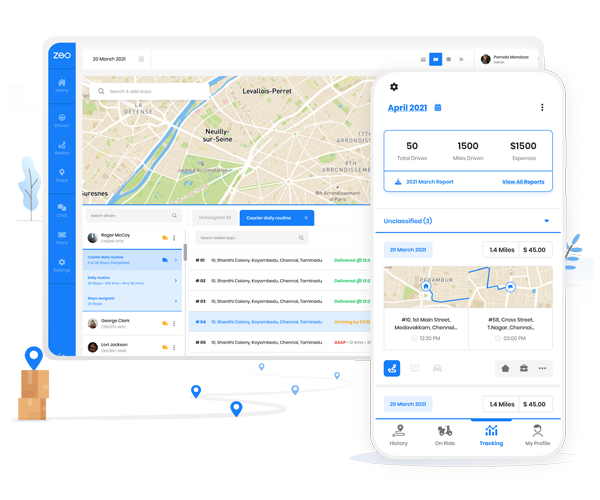
Technology now plays a defining role in fleet vehicle management, and route planners like Zeo have become vital for achieving precision and efficiency. Zeo Route Planner helps businesses simplify delivery planning by creating optimized routes that reduce fuel use and travel time. It allows managers to track vehicles in real time, monitor progress, and ensure every delivery stays on schedule.

increase fuel savings
Hassle Free Deliveries & Pickups!
Optimize routes with our algorithm, reducing travel time and costs efficiently.
Get Started for Free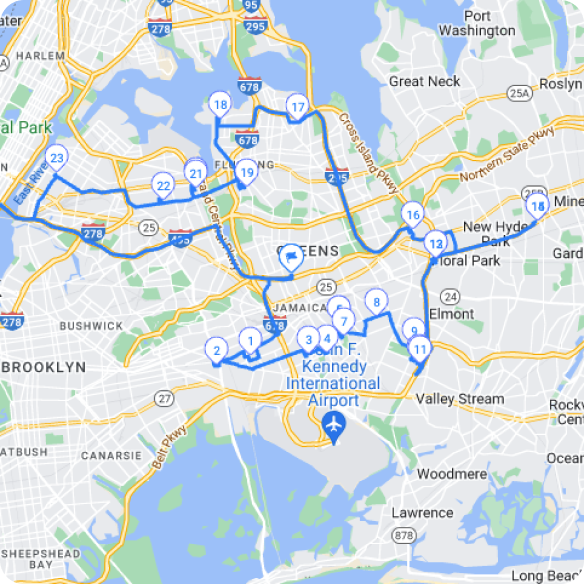
Beyond route creation, Zeo provides valuable insights that help improve overall performance. Its detailed analytics on routes, driver activity, and delivery patterns enable smarter decision-making and continuous improvement. By integrating these capabilities into daily operations, Zeo empowers businesses to manage their fleets more effectively and deliver consistent, reliable results.
Conclusion
Managing fleet vehicles is about more than keeping them on the road. It means building a connected, efficient system where vehicles, drivers, and technology work together toward shared business goals. When every part of your fleet operates smoothly, it helps reduce costs, improve delivery accuracy, and strengthen customer satisfaction.
With tools like Zeo Route Planner, managing your fleet becomes simpler, smarter, and more transparent. From route optimization to real-time visibility, Zeo helps businesses achieve efficiency and control at every step.
Start managing your fleet vehicles the smart way by signing up for Zeo Route Planner today.
Are you a fleet owner?
Want to manage your drivers and deliveries easily?
Grow your business effortlessly with Zeo Routes Planner – optimize routes and manage multiple drivers with ease.
increase fuel savings
Hassle Free Deliveries & Pickups!
Optimize routes with our algorithm, reducing travel time and costs efficiently.
Get Started for Free