


# Le guide complet des outils d'optimisation des itinéraires des installateurs d'alarmes en 2024
> TL; DR: Les outils d'optimisation des itinéraires pour installateurs d'alarmes éliminent les pertes de temps liées à la planification manuelle en attribuant automatiquement les interventions en fonction des certifications des techniciens, des habilitations de sécurité et des priorités en temps réel. La planification manuelle des itinéraires coûte aux entreprises d'installation d'alarmes plus de 15 000 $ par an et par répartiteur, rien qu'en temps de planification. Des outils comme Zeo Route Planner permettent de résoudre ce problème. affectation des conducteurs en fonction des compétences et une optimisation basée sur l'IA, permettant aux équipes de sécurité de gagner plus de 2 heures par jour.
La gestion des tournées des équipes d'installation d'alarmes est l'un des défis les plus complexes du secteur de la sécurité. Entre la coordination des certifications des techniciens, la gestion des appels d'urgence et le respect des délais stricts imposés par les clients, la planification manuelle des tournées s'avère souvent totalement inefficace.
Ce guide couvre tout ce que les propriétaires d'entreprises d'installation d'alarmes doivent savoir. outils d'optimisation des itinéraires des installateurs d'alarmesVous découvrirez quelles fonctionnalités sont les plus importantes, comment calculer le retour sur investissement et vous obtiendrez un plan de mise en œuvre étape par étape pour vos équipes.
Pourquoi la planification d'itinéraires standard échoue pour les entreprises d'installation d'alarmes
La plupart des entreprises d'installation d'alarmes commencent avec des outils basiques comme Google Maps ou des tableurs Excel. Ces méthodes conviennent pour un seul technicien, mais deviennent rapidement inadaptées aux équipes qui s'agrandissent.
Les coûts cachés de la planification manuelle d'itinéraires
La planification manuelle des itinéraires pour les installateurs d'alarmes entraîne généralement une perte de 2 à 3 heures par jour et par répartiteur. Selon… Bureau of Labor StatisticsLes répartiteurs gagnent en moyenne 23 dollars de l'heure, ce qui signifie qu'un seul répartiteur gérant 10 techniciens coûte à votre entreprise plus de 15 000 dollars par an rien qu'en temps de planification.
Les véritables coûts sont bien plus profonds. La planification manuelle engendre des problèmes en cascade dans l'ensemble de vos opérations :
Inadéquation des compétences des techniciensVotre technicien certifié de niveau 2 se voit confier une installation résidentielle de base, tandis que votre apprenti se voit attribuer un système commercial complexe nécessitant des certifications avancées. Résultat ? Retards de chantier, plaintes clients et risques de litiges.
Retards dans les interventions d'urgenceUn appel d'urgence concernant une faille de sécurité arrive à 2 h, mais votre technicien qualifié le plus proche est en intervention de maintenance de routine, à 45 minutes de là. Sans planification dynamique des déplacements, il est impossible de réaffecter rapidement les interventions pour minimiser le temps de réponse.
Violations des créneaux horaires des clientsMme Johnson avait expressément demandé que l'installation ait lieu entre 10 h et midi en raison de ses obligations professionnelles. La planification manuelle n'a pas pris en compte cette exigence, et elle menace maintenant de résilier son contrat.
Pourquoi la proximité géographique ne suffit pas
Les outils de planification d'itinéraires standard se concentrent uniquement sur la distance et le temps de trajet. Pour les entreprises d'installation d'alarmes, cette approche néglige des exigences commerciales essentielles :
Les niveaux d'habilitation de sécurité varient selon les techniciens. Tous les installateurs ne sont pas autorisés à accéder aux bâtiments gouvernementaux ou aux propriétés commerciales à haute sécurité. Une optimisation des itinéraires qui ne tient pas compte des habilitations entraîne des retards et des infractions aux normes.
Les besoins en équipement varient considérablement d'une installation à l'autre. Un système d'alarme résidentiel de base tient dans une camionnette, tandis qu'un système commercial à 64 zones nécessite un camion équipé d'outils spécialisés. Les outils de planification d'itinéraires génériques ne peuvent pas prendre en compte ces contraintes logistiques.
Les préoccupations des clients en matière de sécurité ajoutent une complexité supplémentaire. Certains clients exigent des techniciens ayant fait l'objet d'une vérification des antécédents ou des protocoles d'arrivée spécifiques que les outils standard ne peuvent tout simplement pas gérer.
Fonctionnalités essentielles que tout outil d'optimisation des itinéraires d'installation d'alarmes doit posséder
Un outil d'optimisation d'itinéraires adapté transforme votre activité, passant d'une approche réactive à une approche proactive. Voici les fonctionnalités indispensables à votre entreprise d'installation d'alarmes :
Affectation et routage basés sur les compétences
Votre outil de planification des tournées doit attribuer les tâches en fonction des qualifications des techniciens, et non de leur localisation. Privilégiez les systèmes permettant de définir plusieurs niveaux de compétences, certifications et habilitations pour chaque membre de l'équipe.
Les fonctionnalités essentielles basées sur les compétences comprennent :
- Suivi des certifications (niveau 1, niveau 2, commercial, résidentiel)
- Gestion des habilitations de sécurité
- État de la vérification des antécédents
- droits d'accès aux équipements spécialisés
Le système devrait automatiquement empêcher l'attribution de tâches nécessitant une certification de niveau 2 aux techniciens apprentis, éliminant ainsi les risques de non-conformité et les retards dans l'exécution des tâches.
Gestion dynamique des priorités
Les interventions d'urgence en matière de sécurité ne peuvent attendre le planning du lendemain. Votre outil d'optimisation doit pouvoir ajuster les itinéraires en temps réel.
Le traitement prioritaire doit inclure :
- Insertion immédiate des tâches dans les itinéraires existants
- Réaffectation automatique des techniciens en fonction de la proximité et des compétences
- Notification aux clients des changements d'horaire
- Réoptimisation de l'itinéraire pour les arrêts restants
Gestion des fenêtres horaires
Les clients qui font installer des systèmes d'alarme ont souvent des contraintes horaires strictes liées à leurs horaires de travail, leurs disponibilités personnelles ou leurs protocoles de sécurité. Votre outil de routage doit respecter ces contraintes tout en optimisant l'efficacité.
Les fonctionnalités avancées de gestion des plages horaires incluent :
- Plusieurs options de fenêtres par client
- Délai tampon pour les installations complexes
- Planification automatique des visites de suivi
- Intégration avec les systèmes de disponibilité client
Contraintes liées à l'équipement et aux véhicules
Chaque système d'alarme requiert des outils, des pièces et des configurations de véhicules spécifiques. Votre solution de planification d'itinéraires doit tenir compte de ces exigences logistiques.
Les caractéristiques critiques des contraintes comprennent :
- limites de capacité du véhicule (poids et volume)
- Besoins en équipement spécialisé
- suivi des stocks de pièces
- Disponibilité des outils par technicien
Communication et mises à jour en temps réel
L'installation d'alarmes nécessite une communication constante entre les techniciens, les opérateurs et les clients. Votre outil de routage doit faciliter cette communication automatiquement.
Les fonctionnalités de communication doivent inclure :
- Suivi GPS en direct de tous les techniciens
- Notifications automatiques aux clients avec les heures d'arrivée
- Messagerie bidirectionnelle entre les équipes de répartition et les équipes sur le terrain
- Capture de photo et de signature pour la réalisation du travail
Zeo Route Planner répond à ces exigences grâce à affectation des conducteurs en fonction des compétences, la gestion des arrêts prioritaires et suivi GPS en temps réel avec des notifications clients. Les contraintes de créneaux horaires de la plateforme garantissent que les techniciens arrivent quand les clients s'y attendent, tandis que preuve de livraison Ce document présente les installations réalisées, avec photos et signatures.
Capacités d'intégration
Votre outil de routage ne doit pas fonctionner de manière isolée. Il doit être connecté à vos systèmes d'information existants afin d'éviter la double saisie des données et de garantir l'exactitude des informations.
Les principales exigences d'intégration comprennent :
- Connectivité du système CRM pour les données clients
- Synchronisation logicielle de planification
- Liens vers le système de gestion des stocks
- Connexions à la plateforme de facturation
- Compatibilité avec la gestion des appareils mobiles
Calculateur de retour sur investissement : Économies réelles pour les entreprises d’installation d’alarmes
Comprendre l'impact financier de l'optimisation des itinéraires permet de justifier l'investissement et de définir des attentes réalistes. Voici comment calculer les économies potentielles pour votre entreprise d'installation d'alarmes :
Calcul du gain de temps
Commencez par évaluer le temps que vous consacrez actuellement à la planification de vos itinéraires. La plupart des entreprises d'installation d'alarmes consacrent 2 à 3 heures par jour à la planification des itinéraires et à la coordination des interventions. Pour une équipe de 10 techniciens :
Coût annuel du temps de planification: 2.5 heures × 23 $/heure × 250 jours ouvrables = 14 375 $
L'optimisation des itinéraires réduit généralement le temps de planification de 80 %, ce qui permet d'économiser environ 11 500 $ par an rien qu'en salaires des répartiteurs.
Réduction des coûts de carburant
Les itinéraires optimisés réduisent les trajets quotidiens de 15 à 25 % en moyenne. Calculez vos économies de carburant potentielles :
Coûts annuels actuels du carburantUn technicien parcourt en moyenne 150 miles/jour × 250 jours × 10 techniciens × 0.65 $/mile = 243 750 $
Une réduction de 20 % permet d'économiser 48 750 $ par année en frais de carburant et d'entretien du véhicule.
Élimination des heures supplémentaires
Un mauvais itinéraire entraîne des interventions d'urgence en fin de journée et des heures supplémentaires. Suivez vos dépenses actuelles en heures supplémentaires :
Scénario typique d'heures supplémentaires: 3 techniciens × 5 heures supplémentaires/semaine × 50 semaines × 35 $/heure = 26 250 $
L'optimisation des itinéraires permet d'éliminer la plupart des heures supplémentaires d'urgence en maintenant les techniciens plus près des interventions potentiellement prioritaires.
Satisfaction et fidélisation de la clientèle
Selon la recherche de la Association de sécurité électroniqueLes entreprises dont les opérations de répartition sont optimisées constatent une augmentation de 15 % de leur taux de fidélisation client. Pour une entreprise réalisant un chiffre d'affaires annuel de 2 millions de dollars :
Impact de la rétention2 000 000 $ × 0.15 = 300 000 $ de revenus supplémentaires conservés annuellement
Même une amélioration prudente de 5 % du taux de fidélisation ajoute 100 000 $ à vos résultats.
Exemple de retour sur investissement annuel total
Pour une entreprise d'installation d'alarmes employant 10 techniciens :
- Gain de temps en planification : 25 000 $
- Réduction des coûts de carburant : 225 000 $
- Élimination des heures supplémentaires : 114 400 $
- Amélioration de la fidélisation : 100 000 $
- Économies annuelles totales: $ 186,500
Le logiciel d'optimisation des itinéraires coûte généralement entre 50 et 100 dollars par technicien et par mois (soit entre 6,000 12,000 et 1 1 dollars par an). Cela représente un retour sur investissement de 15 à 30 fois.
Considérations de conformité et de sécurité pour le routage des installateurs d'alarmes
Les entreprises d'installation d'alarmes sont soumises à des réglementations strictes que les outils de routage standard ne peuvent pas prendre en compte. Votre plateforme d'optimisation doit garantir la conformité sans compromettre l'efficacité.
Suivi des licences et certifications des techniciens
La plupart des États exigent des licences spécifiques pour l'installation et l'entretien des systèmes d'alarme. Votre outil de planification des interventions doit empêcher l'attribution des tâches à des techniciens non agréés.
Les fonctionnalités essentielles de conformité comprennent :
- Suivi et alertes d'expiration des licences
- Filtrage automatique des offres d'emploi basé sur les certifications actuelles
- Documentation de traçabilité pour les inspections réglementaires
- Intégration avec les bases de données d'agrément des États, le cas échéant.
Gestion des habilitations de sécurité
Les contrats gouvernementaux et les clients commerciaux à haut risque exigent des techniciens ayant fait l'objet d'une vérification des antécédents et possédant les habilitations appropriées. L'optimisation des itinéraires doit respecter automatiquement ces exigences.
Les dispositifs de sécurité doivent inclure :
- Suivi du niveau de dégagement par technicien
- Appariement automatique des clients en fonction des exigences de sécurité
- Surveillance de la date de péremption pour des contrôles périodiques
- Stockage sécurisé de documents à des fins d'audit
Confidentialité et protection des données des clients
Les entreprises d'installation d'alarmes traitent des informations sensibles de leurs clients, notamment leurs adresses, leurs codes d'accès et les détails de leurs systèmes de sécurité. Votre plateforme de routage doit protéger ces données de manière appropriée.
Les protections essentielles de la vie privée comprennent :
- Transmission et stockage de données cryptées
- Contrôles d'accès basés sur les rôles
- Journalisation des audits pour l'accès aux données
- capacités de conformité au RGPD et au CCPA
- Gestion sécurisée des appareils mobiles
Documentation et tenue de registres
Les inspections réglementaires exigent des registres détaillés indiquant qui a effectué les travaux, quand et avec quelles qualifications. Votre outil de planification des tournées devrait générer automatiquement la documentation requise.
Les fonctionnalités de documentation doivent inclure :
- Enregistrements d'achèvement de tâches horodatés
- Preuves photographiques des installations
- Signatures du client pour l'autorisation de travail
- Identification du technicien pour chaque poste
- Suivi des numéros de série des équipements
Efficace à partir de gestion des services sur le terrain Les plateformes prennent en charge les exigences de conformité grâce à des analyses et des rapports détaillés, une vérification des affectations basée sur les compétences et une documentation complète de preuve de service avec photos et signatures.
Comparatif des meilleurs outils d'optimisation d'itinéraires pour les entreprises d'installation d'alarmes
Choisir la plateforme d'optimisation de parcours adaptée nécessite d'évaluer la capacité de chaque solution à répondre aux exigences spécifiques de l'installation d'alarmes. Voici un comparatif des principales plateformes :
Matrice de comparaison des fonctionnalités
Affectation basée sur les compétencesLa plupart des plateformes proposent une affectation de chauffeurs basique, mais rares sont celles qui prennent en charge les exigences de certification complexes. Privilégiez les outils permettant de définir plusieurs niveaux de compétences et de filtrer automatiquement les offres d'emploi en fonction des qualifications des techniciens.
Gestion prioritaire des urgencesCette fonctionnalité distingue les outils d'installation d'alarmes des plateformes de diffusion génériques. La possibilité d'intégrer les appels de sécurité prioritaires aux itinéraires existants et de réaffecter automatiquement les techniciens est essentielle pour une intervention d'urgence.
Fenêtres horaires clientLes plages horaires de base sont courantes, mais l'installation d'alarmes nécessite souvent plusieurs options de plages horaires et une marge de temps pour les installations complexes. Les plateformes avancées offrent une planification flexible avec une optimisation automatique en fonction des contraintes du client.
Intégration mobileLes techniciens de terrain ont besoin d'accéder aux informations sur leurs itinéraires, aux coordonnées des clients et aux outils de communication. Les meilleures plateformes proposent des applications mobiles complètes, utilisables hors ligne dans les zones à faible couverture réseau.
Catégories de plateformes
Solutions d'entreprisePlateformes à grande échelle conçues pour les flottes de plus de 50 véhicules. Elles offrent une personnalisation poussée, mais nécessitent souvent un temps de mise en œuvre et des ressources informatiques considérables. Elles peuvent s'avérer surdimensionnées pour les petites entreprises d'installation d'alarmes.
Outils spécifiques à l'industrieCertaines plateformes se concentrent exclusivement sur les entreprises de sécurité et d'alarme. Elles offrent une connaissance approfondie du secteur, mais peuvent ne pas disposer des algorithmes d'optimisation des plateformes plus importantes.

augmenter les économies de carburant
Économisez 200 $ sur le carburant, par mois !
Optimisez les itinéraires avec notre algorithme, réduisant ainsi efficacement le temps et les coûts de trajet.
Commencez gratuitement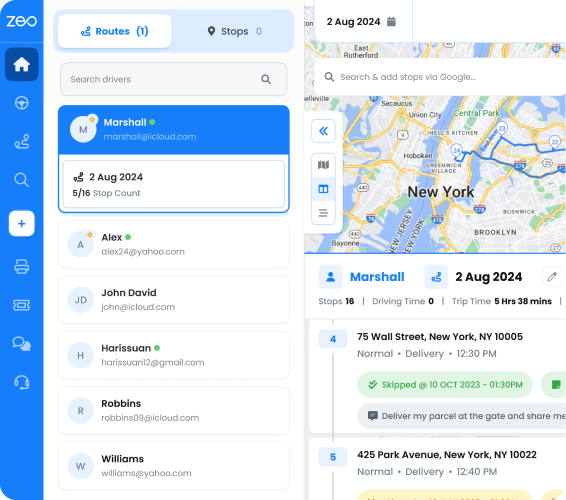
Optimisation générale des itinérairesOutils grand public destinés à de multiples secteurs d'activité. Ils offrent généralement les meilleurs moteurs d'optimisation et des mises à jour régulières, avec des options de personnalisation pour répondre aux exigences d'installation des systèmes d'alarme.
Outils de planification DIYPlateformes basiques nécessitant une planification manuelle des itinéraires et une optimisation limitée. Elles conviennent aux très petites structures, mais leur passage à l'échelle supérieure est difficile.
Critères d'évaluation
Lors de la comparaison des plateformes, concentrez-vous sur les facteurs spécifiques à l'installation du système d'alarme suivants :
Capacités d'intégrationLa plateforme peut-elle se connecter à vos systèmes CRM, de planification et de facturation existants ? Une intégration transparente élimine la double saisie des données et réduit les erreurs.
ÉvolutivitéLa plateforme pourra-t-elle évoluer au même rythme que votre entreprise ? Tenez compte à la fois des capacités techniques et des besoins d’expansion géographique.
Support et formation: Logiciel d'optimisation d'itinéraire Cela implique de modifier les processus de travail établis. Recherchez des plateformes proposant une formation complète et un soutien continu.
Fiabilité mobileLes techniciens de terrain dépendent de l'accès mobile. Évaluez les performances de l'application, ses fonctionnalités hors ligne et sa compatibilité avec les appareils.
Zeo Route Planner excelle dans l'optimisation d'itinéraires, desservant plus de 1.5 million d'utilisateurs dans plus de 150 pays grâce à une optimisation basée sur l'IA qui permet de gagner plus de 2 heures par jour. L'attribution des tâches par compétences, le suivi en temps réel et l'intégration avec une application mobile rendent la plateforme particulièrement adaptée aux opérations d'installation de systèmes d'alarme.
Considérations de coûts
Le prix de l'optimisation d'itinéraire varie considérablement en fonction des fonctionnalités et de l'échelle :
Par technicien et par mois30 à 150 $ par technicien et par mois, selon les fonctionnalités et le volume d'activité.
Configuration et formation: 2 000 à 10 000 $ pour la mise en œuvre et la formation de l’équipe
Coûts d'intégration: 5 000 $ à 25 000 $ pour les intégrations personnalisées avec les systèmes existants
Configuration matérielle requiseCertaines plateformes nécessitent des appareils mobiles spécifiques ou du matériel embarqué.
Lors de la comparaison des plateformes, tenez compte du coût total de possession sur 3 ans, incluant les coûts logiciels, les frais de mise en œuvre et les frais de support continu.
Guide de mise en œuvre : Déploiement de l’optimisation des itinéraires auprès de vos équipes d’installation
La mise en œuvre réussie d'une optimisation des itinéraires exige une planification rigoureuse et une gestion du changement efficace. Voici une approche éprouvée pour les entreprises d'installation d'alarmes :
Phase 1 : Préparation et collecte des données (semaines 1 et 2)
Commencez par rassembler les informations nécessaires à votre plateforme d'optimisation d'itinéraires. Des données propres et précises sont essentielles pour une optimisation efficace.
Nettoyage de la base de données clientsVérifiez les adresses, les coordonnées et les besoins de service de tous vos clients actifs. Les adresses incorrectes entraînent des problèmes de livraison et la frustration des clients.
Documentation des compétences du technicienCréez des profils détaillés pour chaque membre de l'équipe, incluant les certifications, les niveaux d'habilitation, les spécialisations et l'accès au matériel. Ces informations permettent une affectation basée sur les compétences.
Inventaire des véhicules et des équipements: Documenter les limites de capacité, les outils spécialisés et les exigences en matière d'équipement pour chaque véhicule. L'optimisation des itinéraires dépend de données de contraintes précises.
Analyse historique des itinérairesAnalysez les itinéraires des 2 à 3 derniers mois afin d'établir des indicateurs de référence concernant les gains de temps, les coûts de carburant et la satisfaction client. Ces données vous permettront de mesurer le retour sur investissement.
Phase 2 : Installation et configuration de la plateforme (semaines 3 et 4)
Collaborez avec l'équipe de mise en œuvre de la plateforme choisie pour configurer le système en fonction des exigences d'installation du système d'alarme.
Configuration de la matrice de compétencesDéfinir les niveaux de certification, les habilitations de sécurité et les codes de spécialisation. Attribuer aux techniciens les types d'installations et d'interventions autorisés.
Configuration des contraintes clientConfigurez les plages horaires, les exigences d'accès et les instructions de traitement spécifiques à chaque site client. Incluez les protocoles de sécurité et les procédures de contact d'urgence.
Mise en œuvre de l'intégrationConnectez votre plateforme d'optimisation d'itinéraires à vos systèmes existants tels que les logiciels CRM, de planification et de facturation. Testez minutieusement la synchronisation des données avant la mise en production.
Déploiement d'applications mobilesInstaller et configurer des applications mobiles sur les appareils des techniciens. Créer des comptes utilisateurs, gérer les autorisations et paramétrer la synchronisation des données hors ligne. Former le personnel informatique aux exigences de gestion des appareils mobiles.
Phase 3 : Tests pilotes (semaines 5 à 6)
Optimisation du plan de lancement avec un petit groupe de techniciens afin d'identifier et de résoudre les problèmes avant le déploiement complet.
Sélection du groupe piloteChoisissez 2 à 3 techniciens expérimentés, à l'aise avec la technologie et disposés à fournir un retour d'information détaillé. Incluez au moins un technicien senior et un membre plus récent de l'équipe.
Séances de rétroaction quotidiennesRencontrer quotidiennement les techniciens pilotes pour discuter des performances des itinéraires, de l'ergonomie de l'application et des interactions avec les clients. Documenter les problèmes et les suggestions d'amélioration.
Formation des répartiteursFormer le personnel de répartition à la planification des itinéraires, à l'insertion des appels prioritaires et aux fonctionnalités de communication. S'entraîner aux scénarios d'urgence et aux situations de service à la clientèle.
Suivi de la performanceSuivre les indicateurs clés, notamment les temps d'exécution des itinéraires, la consommation de carburant, les scores de satisfaction client et les commentaires des techniciens. Comparer les résultats aux données historiques.
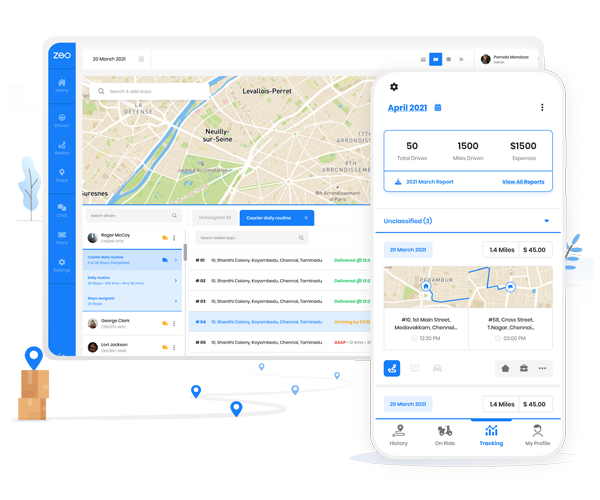
Vos gestionnaires de flotte utiliseront la plateforme web de Zeo pour planifier les itinéraires et les attribuer aux techniciens, qui recevront ensuite leurs plannings optimisés directement sur leur téléphone via l'application mobile Zeo. Cette approche à deux plateformes garantit une coordination optimale entre la planification et les interventions sur le terrain, tout en fournissant des mises à jour en temps réel pour les appels d'urgence.
Phase 4 : Déploiement complet (semaines 7-8)
Déployez l'optimisation des itinéraires à l'ensemble de votre équipe grâce à des processus éprouvés et aux problèmes résolus lors de la phase pilote.
Programme de formation des techniciensAnimer des sessions de formation pratique sur l'utilisation de l'application mobile, la navigation, la communication avec les clients et les procédures d'urgence. Fournir des guides écrits et des tutoriels vidéo.
Communication clientInformez les clients des améliorations apportées à la planification des rendez-vous, aux notifications d'arrivée en temps réel et au suivi de service optimisé. Expliquez-leur la durée de la transition.
Intégration du flux de travailMettre à jour les procédures opérationnelles standard afin d'y inclure les étapes d'optimisation des itinéraires. Former les répartiteurs à la gestion des appels prioritaires, à l'ajustement des itinéraires et au suivi des performances.
Systèmes de supportMettre en place des procédures d'assistance technique pour répondre aux questions des techniciens, résoudre les problèmes techniques et gérer les urgences. Garantir une disponibilité d'assistance 24h/24 et 7j/7 pendant la période de transition.
Phase 5 : Optimisation et perfectionnement (en cours)
L'optimisation des itinéraires s'améliore au fil du temps à mesure que le système apprend vos habitudes d'exploitation et que vous affinez les configurations.
Analyse de performanceAnalyser les rapports hebdomadaires sur l'efficacité des tournées, la productivité des techniciens et la satisfaction client. Identifier les tendances et les opportunités d'optimisation.
Mises à jour de la matrice des compétencesMettre à jour régulièrement les certifications des techniciens, acquérir de nouvelles compétences et ajuster les limites de capacité en fonction des données de performance. Maintenir les habilitations de sécurité à jour.
Intégration des commentaires des clients: Surveiller les scores de satisfaction client et ajuster les créneaux horaires, les procédures de service ou les préférences de communication en fonction des commentaires reçus.
Mise au point du systèmeCollaborez avec le support de la plateforme pour optimiser les algorithmes de routage en fonction de vos opérations spécifiques. Ajustez les priorités, les contraintes et les objectifs à mesure que votre entreprise évolue.
Défis et solutions de mise en œuvre courants
Résistance du technicienCertains membres de l'équipe peuvent se montrer réticents face aux nouvelles technologies ou aux changements de procédures. Pour répondre à leurs préoccupations, proposez-leur des formations, communiquez clairement sur les avantages et impliquez-les dans le processus d'amélioration.
Problèmes de qualité des donnéesDes données client incomplètes ou incorrectes entraînent des échecs d'optimisation des itinéraires. Mettez en œuvre des procédures de validation des données et de mise à jour des informations client en continu.
Complications d'intégrationLa connexion de plusieurs systèmes révèle souvent des incohérences dans les données ou des lacunes dans les processus. Prévoyez du temps supplémentaire pour les tests d'intégration et l'amélioration des processus.
Confusion clientTout changement d'horaire ou de communication risque de perturber les clients actuels. Élaborez des plans de communication clairs et offrez un soutien supplémentaire pendant les transitions.
Indicateurs de réussite à suivre
Surveillez ces indicateurs clés de performance pour mesurer le succès de l'optimisation des itinéraires :
Efficacité OpérationnelleNombre moyen d'arrêts par technicien et par jour, kilométrage total parcouru quotidiennement, pourcentage d'achèvement des itinéraires
Économies de coûts: Coûts du carburant, heures supplémentaires, frais d'entretien des véhicules, temps de planification du répartiteur
Satisfaction de la clientèle: Pourcentage d'arrivées à l'heure, scores de satisfaction client, volume de réclamations
Business croissance: Augmentation de la capacité de travail, revenu par technicien, taux de fidélisation de la clientèle
La mise en œuvre réussie d'une optimisation des itinéraires montre généralement des améliorations mesurables en 30 jours et un retour sur investissement complet en 90 jours pour la plupart des entreprises d'installation d'alarmes.
Questions fréquemment posées
Q : Quelles certifications les techniciens en installation d'alarmes doivent-ils posséder pour les différents types de travaux ?
La plupart des États exigent une licence d'installateur d'alarmes de base pour les travaux résidentiels, tandis que les installations commerciales requièrent souvent une certification de niveau 2 ou supérieur. Les marchés publics exigent généralement des vérifications de sécurité et des enquêtes de moralité supplémentaires. Les exigences variant d'un État à l'autre, renseignez-vous auprès de votre organisme de délivrance de licences local pour connaître les niveaux de certification requis dans votre région.
Q : Dans quelle mesure l'optimisation des itinéraires peut-elle réduire les coûts de carburant pour les entreprises d'installation d'alarmes ?
Des études montrent qu'un itinéraire optimisé réduit généralement les déplacements quotidiens des entreprises de services de 15 à 25 %. Pour une équipe de 10 techniciens installant des systèmes d'alarme et parcourant en moyenne 240 km par jour et par technicien, cela représente une économie de carburant annuelle de 30 000 à 50 000 dollars. L'optimisation par intelligence artificielle de Zeo Route Planner aide les équipes d'installation d'alarmes à réaliser ces économies tout en desservant plus de 1.5 million d'utilisateurs dans plus de 150 pays.
Q : Quel est le plus grand défi lié à la planification des appels d'urgence en matière de sécurité ?
Le principal défi consiste à intégrer dynamiquement les appels d'urgence prioritaires aux itinéraires des techniciens, en tenant compte de leurs compétences et de leur proximité. Les incidents de sécurité urgents ne peuvent attendre le lendemain ; il est donc nécessaire d'ajuster les itinéraires en temps réel, en fonction des certifications, des habilitations de sécurité et de la localisation des techniciens, afin de minimiser les délais d'intervention.
Q : Comment les plages horaires affectent-elles l'efficacité de la planification de l'installation des alarmes ?
Le respect des créneaux horaires par les clients est crucial pour l'installation d'alarmes, car nombre d'entre eux ont des disponibilités strictes liées à leurs horaires de travail ou à leurs protocoles de sécurité. Une mauvaise gestion de ces créneaux entraîne des rendez-vous manqués, des réclamations clients et la perte de contrats. Les outils efficaces d'optimisation des itinéraires des installateurs d'alarmes doivent concilier les préférences des clients, l'efficacité des techniciens et les contraintes de temps de déplacement.
Q : Quelle documentation est requise pour les audits de conformité des installations d'alarme ?
Les inspections réglementaires exigent généralement des rapports d'exécution des travaux horodatés, la preuve des certifications des techniciens pour chaque installation, les signatures d'autorisation du client et le suivi des numéros de série des équipements. Zeo Route Planner facilite la conformité grâce à des analyses détaillées et une documentation complète attestant des interventions, incluant photos et signatures, garantissant ainsi une traçabilité optimale pour le respect des réglementations du secteur de la sécurité.
L'optimisation des itinéraires transforme les opérations d'installation d'alarmes, passant d'une planification réactive à une efficacité proactive. La plateforme adéquate élimine les pertes liées à la planification manuelle, améliore le service client et s'adapte à la croissance de votre entreprise.
Démarrez dès aujourd'hui votre essai gratuit de Zeo Route Planner et découvrez comment l'optimisation basée sur l'IA peut faire gagner plus de 2 heures par jour à votre équipe d'installation d'alarmes, tout en garantissant que chaque technicien possède les compétences requises pour chaque tâche.
Êtes-vous propriétaire d'une flotte?
Vous souhaitez gérer facilement vos chauffeurs et vos livraisons ?
Développez votre entreprise sans effort avec Zeo Routes Planner : optimisez les itinéraires et gérez plusieurs conducteurs en toute simplicité.

augmenter les économies de carburant
Économisez 2 heures sur les livraisons, tous les jours !
Optimisez les itinéraires avec notre algorithme, réduisant ainsi efficacement le temps et les coûts de trajet.
Commencez gratuitement