


Updated on: April 22, 2026
Reading Time: 3 minutes
TL;DR: Successful site visits in 2026 require thorough preparation, systematic evaluation of exteriors and interiors, and careful assessment of key property features and systems. As of 2026, real estate professionals who conduct multiple site visits daily can benefit from optimized scheduling and routing strategies. Route optimization tools like Zeo Route Planner address this with AI-powered route optimization and capacity-based routing, helping real estate teams save 2+ hours daily.
In the investment-rich world of real estate, site visits play a crucial role in the decision-making process for potential buyers and investors. Conducting a site visit offers the opportunity to see a property firsthand, evaluate its strengths and weaknesses, and make informed decisions.
Whether looking for your dream home or considering an investment property, conducting a successful site visit is essential. This article will guide you through preparing for a site visit, conducting it effectively, and evaluating a property’s key features and systems.
How to Prepare for a Site Visit?
Before embarking on a site visit, it is essential to do your homework. You can start by gathering information about the property — look for details such as its location, size, amenities, and any unique features it may have. Additionally, familiarize yourself with the local real estate market and trends to understand the property’s potential value.
Research shows that proper preparation can significantly impact the effectiveness of property evaluations. As of 2026, digital tools and property databases provide more comprehensive information than ever before, allowing buyers and investors to conduct thorough preliminary research before stepping foot on the property.
Once you have the basic information, consider contacting the real estate agent or the property owner to schedule a site visit. Choosing a convenient time to explore the property without any rush is advisable. Also, remember to bring a notebook, camera, or smartphone to document your observations during the visit.
Creating an Effective Site Visit Checklist
Developing a comprehensive checklist ensures you don’t overlook critical aspects during your site visit. Your checklist should include structural elements like foundation condition, roofing status, and HVAC system functionality. Additionally, consider environmental factors such as natural lighting patterns throughout the day, noise levels from surrounding areas, and accessibility features.
Modern site visit checklists should also account for technology infrastructure, including internet connectivity, smart home features, and electrical capacity for modern appliances. As of 2026, energy efficiency ratings and sustainability features have become increasingly important factors in property valuations.
How to Conduct the Site Visit?
A typical site visit consists of the following 3 basic areas of observation.
- Exploring Exteriors: Examine the property’s exteriors and pay attention to the condition of the building, landscaping, parking facilities, and overall curb appeal. Observe the neighboring properties to assess the general upkeep and ambiance of the area. Moreover, take note of any potential issues such as cracks, water damage, or signs of poor maintenance.
- Surveying Interiors: Once you’ve evaluated the exteriors, move inside to survey the interiors. Take your time to explore each room, paying attention to the layout, natural lighting, and the overall flow of the space. Also, inspect the walls, floors, and ceilings for any signs of damage or structural issues, and test the functionality of doors, windows, and electrical outlets.
- Evaluating the Key Features & Systems: During the site visit, focus on evaluating the key features and systems of the property. Consider inspecting the plumbing, heating, and cooling systems to ensure they are in good working condition. Check the quality of the electrical wiring and fixtures, and examine the kitchen appliances, bathroom fixtures, and other essential amenities to determine their condition and functionality.
Optimizing Multiple Site Visits for Maximum Efficiency
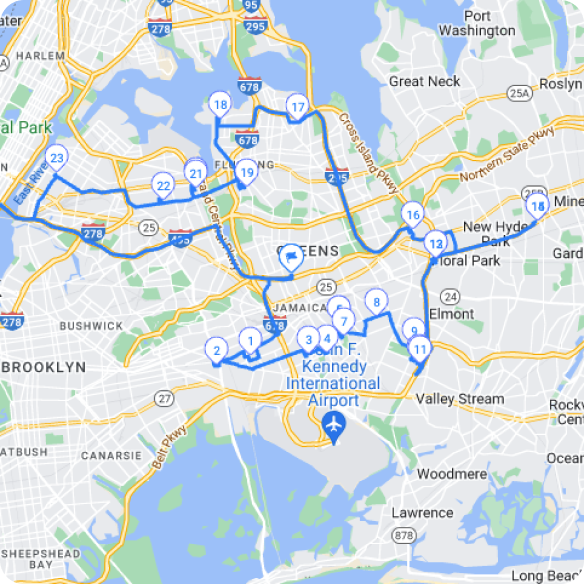
Real estate professionals who manage multiple site visits daily face significant logistical challenges. Efficient routing between properties can dramatically impact productivity and client satisfaction. Poor route planning often results in delayed appointments, increased travel costs, and reduced time for thorough property evaluations.
Strategic scheduling involves clustering visits by geographic area, considering traffic patterns, and accounting for the time needed at each property. Professional route optimization techniques can reduce travel time significantly while ensuring all scheduled visits are completed efficiently.
How to Identify the Strengths & Weaknesses of a Site?
As you explore the property, watch its strengths and weaknesses. Look for features that add value, such as spacious rooms, high-quality finishes, or energy-efficient installations. Similarly, note any weaknesses that may require significant repairs or renovations and assess how these strengths and weaknesses align with your needs and budget.
According to the U.S. Census Bureau’s construction data, properties with updated systems and modern amenities typically command higher market values. As of 2026, sustainability features and smart home technology integration have become critical differentiators in property valuations.

increase fuel savings
Save $200 on fuel, Monthly!
Optimize routes with our algorithm, reducing travel time and costs efficiently.
Get Started for Free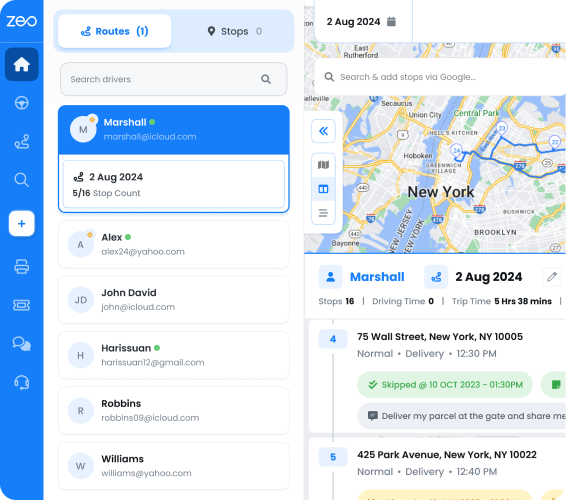
Make Informed Decisions by Weighing the Pros & Cons!
After completing the site visit, sit down and take your time to analyze the pros and cons of the property. Review your observations and consider how they align with your preferences, lifestyle, and long-term goals, and assess the potential for future appreciation or rental income if you consider the property investment.
By carefully weighing the pros and cons, you can make an informed decision that aligns with your needs and objectives so that you don’t regret your decision in the long run.
Read more: The Role of Route Planning in the Real Estate Business.
Bottomline
Conducting successful site visits is essential in the world of real estate, whether you’re buying a home or investing in a property. Following the steps outlined in this article can help you effectively prepare for a site visit. Remember that a site visit provides a unique opportunity to experience a property firsthand, so make the most of it and gather all the necessary information before making your final decision.
Lastly, a successful site visit empowers you to make informed decisions and ensures that your investment in real estate is well-founded. By taking the time to thoroughly explore a property, evaluate its strengths and weaknesses, and carefully consider its suitability, you can increase your chances of finding the perfect property for your needs.
So, embrace the site visit process, be diligent in your evaluation, and trust your instincts to make the right choice in the dynamic real estate market in 2026.
Additionally, if you run a real estate business that needs to conduct several site visits regularly, consider checking out our product Zeo Route Planner. Zeo lets you input multiple stops and generates routes that are 40% better than Google Maps.
Frequently Asked Questions
How long should a typical residential property site visit take?
A thorough residential property site visit should take 30-45 minutes for an average-sized home, allowing adequate time to inspect both interior and exterior elements. Larger properties or those requiring detailed system evaluations may require 60-90 minutes to complete a comprehensive assessment.
What are the best times of day to conduct property site visits?
The optimal time for site visits is typically between 10 AM and 4 PM when natural lighting is at its best for interior evaluation. Morning visits allow you to assess how the property receives natural light throughout the day, while avoiding peak traffic hours can make travel between properties more efficient.
How can real estate agents manage multiple site visits efficiently in one day?
Real estate professionals can optimize their daily schedules by clustering visits geographically and using route planning tools to minimize travel time. Advanced route optimization software like Zeo Route Planner uses AI-powered algorithms to create efficient routes between multiple properties, helping agents save 2+ hours daily while maximizing client meeting opportunities.
What red flags should buyers watch for during a property site visit?
Critical warning signs include water stains or musty odors indicating moisture problems, cracks in walls or foundations suggesting structural issues, and outdated electrical or plumbing systems that may require expensive upgrades. Additionally, poor maintenance of common areas or neighboring properties can signal potential long-term value concerns.
Should buyers bring professionals during initial site visits?
While initial site visits are typically conducted independently, bringing a qualified inspector or contractor for a second visit can provide valuable insights for serious buyers. This professional evaluation should occur after the initial assessment confirms genuine interest, as it represents an additional investment in the decision-making process.
Are you a fleet owner?
Want to manage your drivers and deliveries easily?
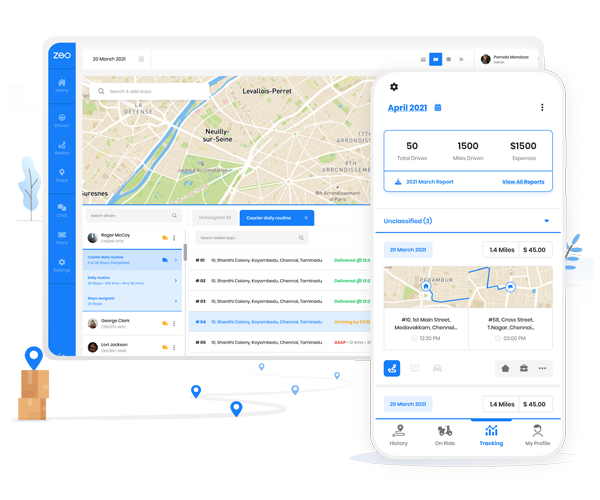
Grow your business effortlessly with Zeo Routes Planner – optimize routes and manage multiple drivers with ease.

increase fuel savings
Hassle Free Deliveries & Pickups!
Optimize routes with our algorithm, reducing travel time and costs efficiently.
Get Started for Free