

Updated on: February 17, 2026
Reading Time: 3 minutes
TL;DR: Effective driver onboarding reduces turnover by establishing clear expectations, providing proper training, and streamlining administrative processes from day one. Poor onboarding costs companies up to $20,729 per driver replacement, while proper orientation improves safety and operational efficiency. Route optimization tools like Zeo Route Planner address this with auto-assignment of stops to drivers and real-time GPS tracking, helping fleet teams save 2+ hours daily.
The process of recruiting and onboarding drivers demands a lot of time and resources. Right onboarding is getting a candidate that is the right fit for the position. It provides a better employee experience and establishes a strong relationship with drivers. It further reduces the driver turnover rate, which was as high as 89% in 2021. This impacts business outcomes as driver turnover can cost anywhere between $2,243 to $20,729. As of 2026, these costs have continued to escalate due to increased training requirements and competitive hiring markets.
Simple Steps for Onboarding Drivers
- Application & Screening Process
Drivers must apply online or in person. The screening process also involves background checks, driving record checks, and drug test. Federal regulations require comprehensive screening to ensure driver qualification and safety compliance. - Training & Orientation
Drivers must undergo mandatory process and safety training programs. They also get to know the company’s culture and daily operations. This phase should include hands-on route familiarization and technology training for any fleet management systems they’ll be using. - Equipment & Vehicle Inspection
Drivers should check the vehicles they will be driving to ensure safety. This includes checking tire pressure, brakes, lights, and fluid levels. DOT compliance requirements mandate thorough vehicle inspection procedures as part of daily operations. - On-the-Job Support
Ongoing support is important for drivers. The support can be provided with regular check-ins, ongoing training, and performance feedback. Modern fleet operations benefit from real-time communication tools that allow managers to provide immediate guidance and support throughout the day.
How to Streamline the Process of Onboarding Drivers
- Automate Paperwork
Manual paperwork asking for the same information multiple times can make the process of onboarding drivers chaotic. Automating the paperwork will efficiently collect the information and speed up the onboarding process. Digital documentation systems also ensure better compliance tracking and reduce administrative errors. - Prioritize Mobile-friendly Forms
The majority of drivers prefer using mobile devices to search and apply for a job. They also prefer completing the onboarding formalities through mobile phones. Using responsive UI design and mobile-friendly digital forms will streamline the process of onboarding drivers. - Provide Online Onboarding Training
Enabling drivers to complete onboarding from their homes will shorten the orientation process. Drivers can access video training anytime, anywhere. This provides the flexibility to learn on demand and allows companies to standardize training content across all new hires.
Operational Roadblocks That Can be Tackled by Effectively Onboarding Drivers
- Cost Management
Right onboarding reduces driver turnover. Moreover, proper orientation and training result in improved efficiency. This helps companies save operational costs and increase revenues. Companies with structured onboarding programs report 25% better driver retention rates compared to those with informal processes. - Safety & Security
Providing safety training can help drivers understand company safety policies and operating procedures. Cybersecurity training while onboarding drivers can prevent sensitive data breaches. Well-trained drivers also show significantly lower accident rates and insurance claims. - Lack of Skilled Drivers
Onboarding can include skills training required for the transportation industry. This can include defensive driving techniques, cargo handling, and route planning. This can help drivers become more skilled and proficient at their job. Technology training is particularly important as modern route planning software becomes standard across the industry. - Lack of Optimal Resource Utilization
Right boarding improves productivity and communication. This helps companies to optimize their resources. This can lead to increased efficiency, reduced costs, and improved overall performance. Drivers who understand operational workflows and technology tools contribute more effectively to daily operations. - Communication Barrier
The right onboarding programs consider language barriers and cultural sensitivity. This improves the communication between drivers and management and increases the feeling of inclusivity. This can lead to better performance, fewer misunderstandings, and better internal communication.
Read More: 5 Ways to Boost Driver Retention & Reduce Turnover
Building Long-term Driver Success Through Technology Integration
Modern fleet operations increasingly rely on technology to improve efficiency and communication. During onboarding, introducing drivers to route optimization tools, GPS tracking systems, and mobile communication platforms sets them up for long-term success. Drivers who are comfortable with technology from day one show better performance metrics and higher job satisfaction. Training should cover not just how to use these tools, but how they benefit the driver’s daily workflow and overall job performance.
Measuring Onboarding Effectiveness
Successful onboarding programs include metrics to track effectiveness. Key indicators include time-to-productivity (how quickly new drivers reach full performance), retention rates at 30, 60, and 90 days, and safety incidents during the first six months. Companies should also gather feedback from new drivers about the onboarding experience to continuously improve the process. Regular assessment helps identify gaps in training and areas where additional support may be needed.
Simplify Onboarding and Driver Management with Zeo Route Planner
- Onboard Drivers within Five Minutes
Upload pickup and delivery stops, create delivery routes and automatically assign multiple routes to drivers in a single click using Zeo. - Auto Assign Stops as per Driver Availability
Zeo will intelligently auto-assign all the delivery stops based on driver location. - Get Live Updates on Driver Location and Operations
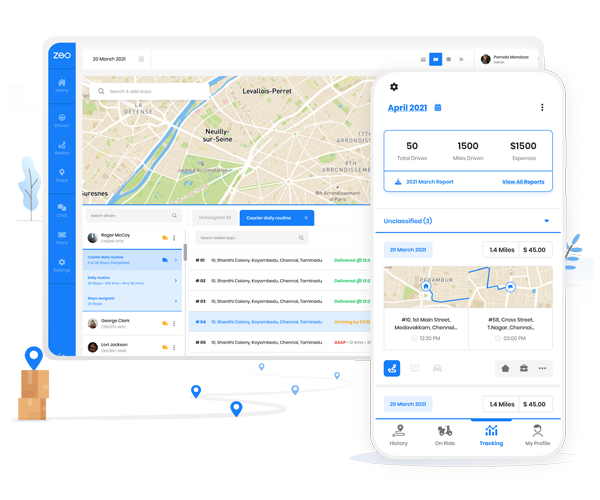
You can provide a transparent view of the delivery progress to increase customer satisfaction. Zeo also provides an estimated ETA along with the driver’s location. - Track Route Progress and Get Detailed Reports
Zeo Route Planner makes identifying drivers with the most number of deliveries easy. The reports also provide insights into the average delivery speed and customer ratings.
Read More: Improve Customer Service with Zeo’s Route Planner
Conclusion
Reducing operational roadblocks is a major concern for fleet managers. Driver safety, engagement, and retention are some other concerns they have. The right way of onboarding drivers can help them build strong relationships with drivers and address various challenges.

increase fuel savings
Save $200 on fuel, Monthly!
Optimize routes with our algorithm, reducing travel time and costs efficiently.
Get Started for Free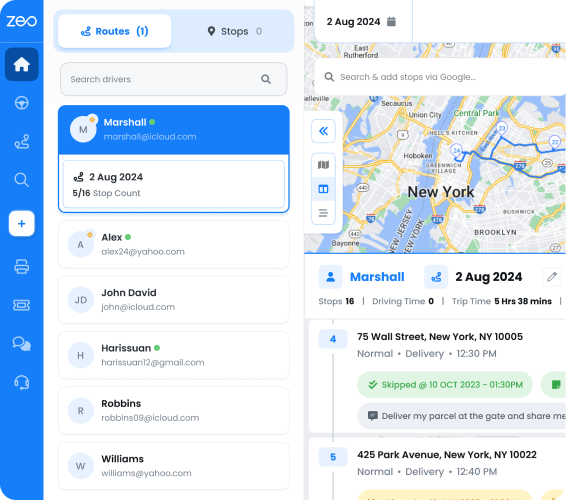
Robust fleet management and route optimization software like Zeo can help fleet managers to effectively onboard drivers. Schedule a free product demo to witness how Zeo works its magic and improves the onboarding experience and driver retention rate.
Frequently Asked Questions
How long should driver onboarding take?
Most effective driver onboarding programs take 3-5 days for basic orientation, followed by 30-90 days of ongoing support and evaluation. The initial phase should cover safety training, company policies, and essential job functions, while the extended period allows for skill development and performance assessment.
What documents are required for driver onboarding?
Essential documents include a valid commercial driver’s license (if required), DOT medical certificate, employment application, background check authorization, drug testing consent, and proof of work eligibility. Additional documentation may be required based on specific cargo types or company policies.
How can technology improve driver onboarding efficiency?
Route optimization software like Zeo Route Planner streamlines driver onboarding with auto-assignment of stops to drivers and real-time GPS tracking, helping new drivers integrate quickly into operations. Digital training platforms, mobile-friendly forms, and automated paperwork processing can reduce onboarding time by up to 50%.
What are the biggest onboarding mistakes that increase driver turnover?
Common mistakes include inadequate safety training, unclear job expectations, overwhelming new drivers with too much information at once, and lack of ongoing support. Poor communication about company culture and benefits also contributes to early turnover rates.
How do you measure onboarding success?
Key metrics include driver retention rates at 30, 60, and 90 days, time-to-productivity measurements, safety incident rates during the probationary period, and feedback scores from new driver surveys. Companies should also track completion rates for required training modules and certification programs.
Are you a fleet owner?
Want to manage your drivers and deliveries easily?
Grow your business effortlessly with Zeo Routes Planner – optimize routes and manage multiple drivers with ease.

increase fuel savings
Save 2 Hours on Deliveries, Everyday!
Optimize routes with our algorithm, reducing travel time and costs efficiently.
Get Started for Free